

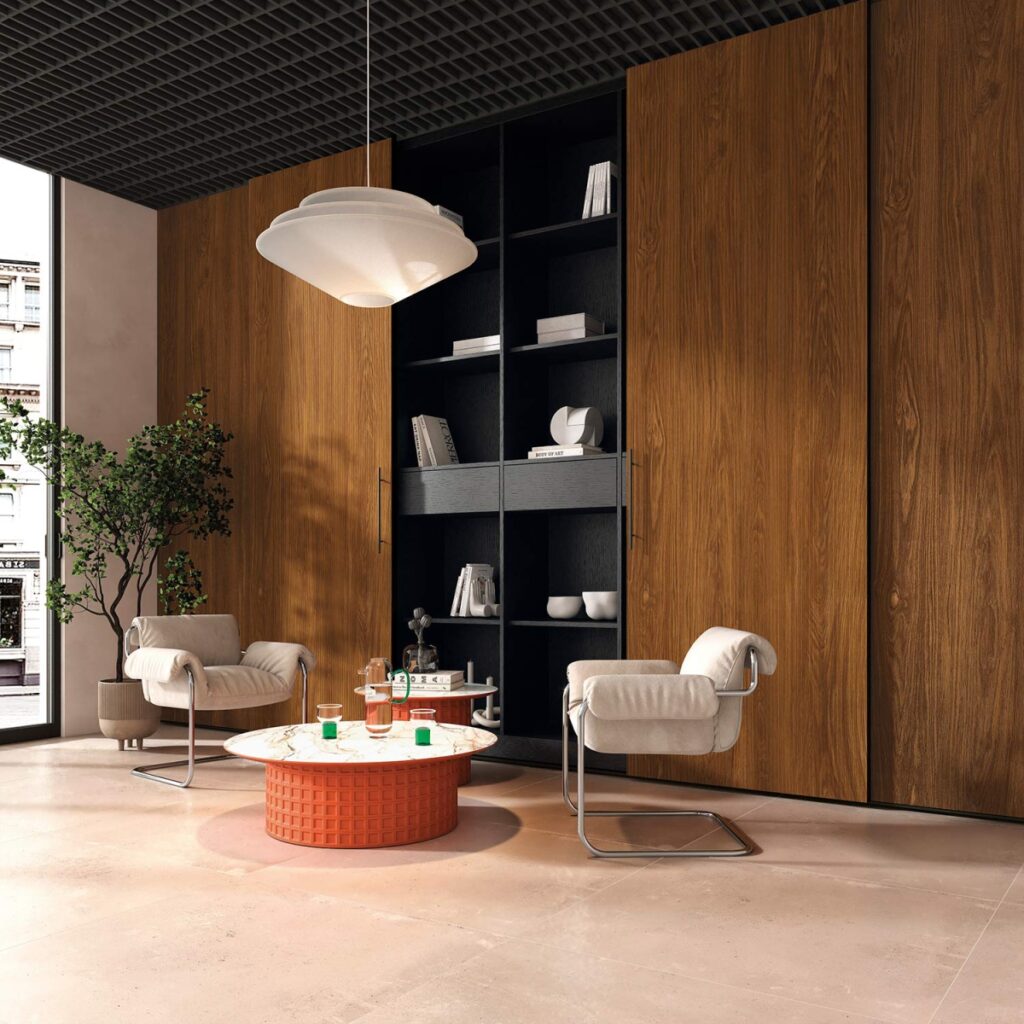
Quiet luxury has been reduced online to beige rooms, soft sofas, pale palettes, and expensive-looking calm, but that version is easy to imitate and just as easy to forget. Real quiet luxury is not about making a room look empty; it is about creating interiors with depth, proportion, tactile richness, and materials that become better with time.
In 2026, the most refined homes, hotels, restaurants, private clubs, offices, and boutique spaces are moving away from overdesigned spectacle and mass-produced “beige perfectionism” toward something warmer, more architectural, more material-driven, and more personal. This is where MATERIA Collection’s work in Italian custom furnishings and surfaces, wall panel systems, fine furniture, closet and cabinet systems, luxury doors, kitchens, lighting, bathrooms, and bespoke millwork becomes especially relevant: it turns quiet luxury from a visual trend into a complete interior language.
What quiet luxury interior design really means in 2026
Quiet luxury interior design is often described as the opposite of loud luxury, but that definition is too simple. It is not only the absence of logos, bright colors, oversized chandeliers, polished glamour, or obviously expensive statement pieces. It is a more disciplined way of designing a room, where the value of the interior comes from proportion, material honesty, texture, joinery, tactility, and restraint.
In 2026, quiet luxury is also not the same as plain minimalism. Minimalism often removes. Quiet luxury refines. A minimalist room can feel pure but cold if it lacks texture, warmth, and detail. A quiet luxury room can be restrained while still feeling layered, personal, and deeply comfortable. It does not need visual noise to feel rich because the richness is built into the surfaces, transitions, and materials.
The difference between an expensive-looking room and a truly refined room becomes clear up close. An expensive-looking room may depend on recognizable trend signals: a beige palette, a curved sofa, a large vase, cream upholstery, polished brass, and a staged sense of calm. These elements can photograph well, but they do not automatically create lasting value.
A truly refined room holds attention longer because it rewards inspection. The eye notices the soft movement of stone veining, the direction of the wood grain, the alignment of wall panels, the depth of shadow reveals, the weight of a table, the finish of the hardware, and the precision of the joinery. These details are not decorative afterthoughts. They are the reason the room feels resolved.
Quiet luxury is depth, not emptiness. It is restraint, not absence. It is tone-on-tone, not one-note. It is material confidence, not visual branding.
That is why quiet luxury 2026 is closely connected to warm minimalism and refined millwork. The best interiors are calm, but they are not blank. They use fewer gestures, but each gesture matters more.
Why “beige perfectionism” is not enough anymore
The online version of quiet luxury has created a recognizable formula. Pale upholstery, pale walls, pale floors, soft lighting, rounded furniture, polished metal accents, and minimal objects are repeated again and again until many interiors start to look like variations of the same room. At first glance, these spaces feel calm and expensive. After a few seconds, they can feel interchangeable.
This is the problem with mass-produced quiet luxury. It imitates the surface of refinement without the substance behind it. It understands the color palette, but not the craft. It understands the mood, but not the architecture. It creates a showroom effect rather than a lived-in luxury environment.
The issue is not beige itself. Beige, cream, taupe, sand, ivory, stone, tobacco, clay, and warm grey can all be beautiful when they are used with intelligence. The problem appears when neutrality becomes the entire design idea. A room cannot rely only on softness. It also needs contrast, proportion, texture, material hierarchy, and details that feel deliberate.
Mass-produced quiet luxury often fails for four reasons:
-
It photographs well but lacks material depth in person.
-
It relies on color rather than craftsmanship.
-
It repeats shapes and tones without considering proportion.
-
It looks calm from a distance but generic up close.
This is why the next stage of quiet luxury depends less on styling and more on specification. The antidote is not more decoration. It is better material selection, better alignment, and better integration. Custom wall systems, natural woods, stone, metal inlays, integrated doors, fine furniture, and residential custom millwork allow the interior to feel calm without becoming empty.
When the architecture, surfaces, cabinetry, doors, furniture, and lighting are planned as one language, the room no longer needs to announce itself. It simply feels right. That is the difference between a trend-led interior and a luxury interior with staying power.
The 2026 quiet luxury palette: warm, matte, tactile, lasting
The quiet luxury palette for 2026 is not built around one color. It is built around the way materials behave in light, how they feel to the touch, and how they work together over time. The most sophisticated interiors are moving toward warmer woods, softer stones, matte and satin finishes, mineral surfaces, textural wall treatments, and metals that feel refined rather than shiny.
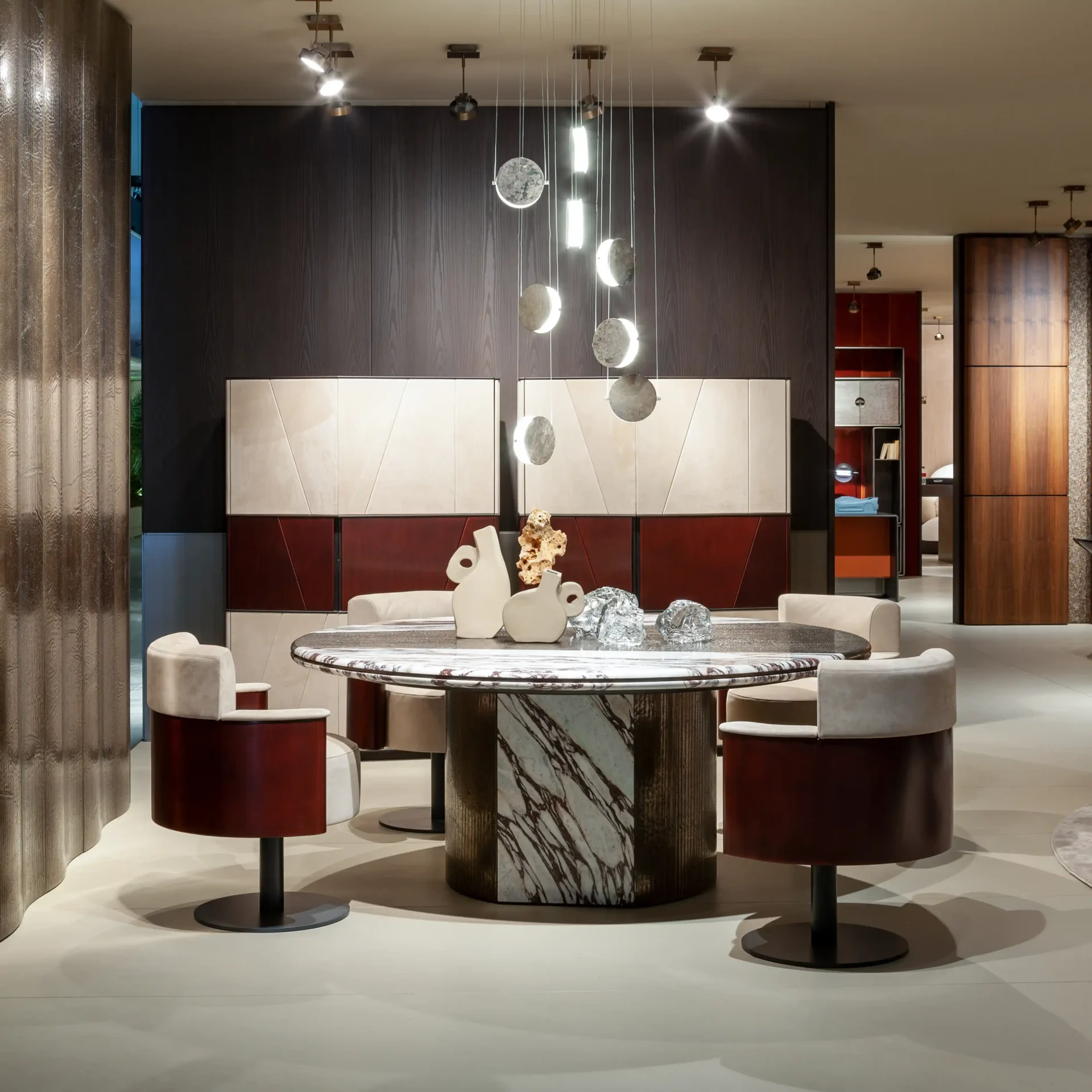
This direction aligns naturally with MATERIA Collection’s 2026 material palette, where veneer, metal inlays, stone composites, natural materials, and precise surface work become central to the design experience. The goal is not to make every surface compete. The goal is to create a controlled rhythm between quiet materials so the room feels rich without feeling heavy.
The key is balance. Soft-veined stone should bring natural movement, but it should not overwhelm the room. Wood should add warmth, but the grain direction and finish must support the architecture. Matte finishes should reduce glare, but they should still have enough richness to avoid feeling flat. Metal should introduce precision, not decoration for decoration’s sake.
| Material direction | What it adds | Where it works best |
|---|---|---|
| Soft-veined natural stone | Movement, permanence, and quiet drama | Kitchens, bathrooms, fireplaces, bars, reception areas |
| Natural-oil or wire-brushed wood | Warmth, grain, touch, and graceful aging | Wall panels, wardrobes, doors, cabinets, furniture |
| Matte and satin finishes | Calm light reflection and modern softness | Cabinetry, panels, tables, sideboards, doors |
| Venetian plaster and limewash-look surfaces | Mineral depth and handmade atmosphere | Living rooms, suites, corridors, restaurants, lounges |
| Unlacquered or softly patinated metal | Living finish and refined detail | Inlays, trims, handles, furniture borders, bar fronts |
| Textural wall panel systems | Rhythm, dimension, and architectural presence | Feature walls, media walls, hospitality spaces, offices |


Principle one: choose materials that age, not materials that merely stay new
The most convincing quiet luxury interiors are built with materials that gain character instead of simply showing wear. This is one of the main differences between true material luxury and surface-level luxury. Some materials look perfect only on the day they are installed. Others become softer, deeper, and more expressive as they are used.
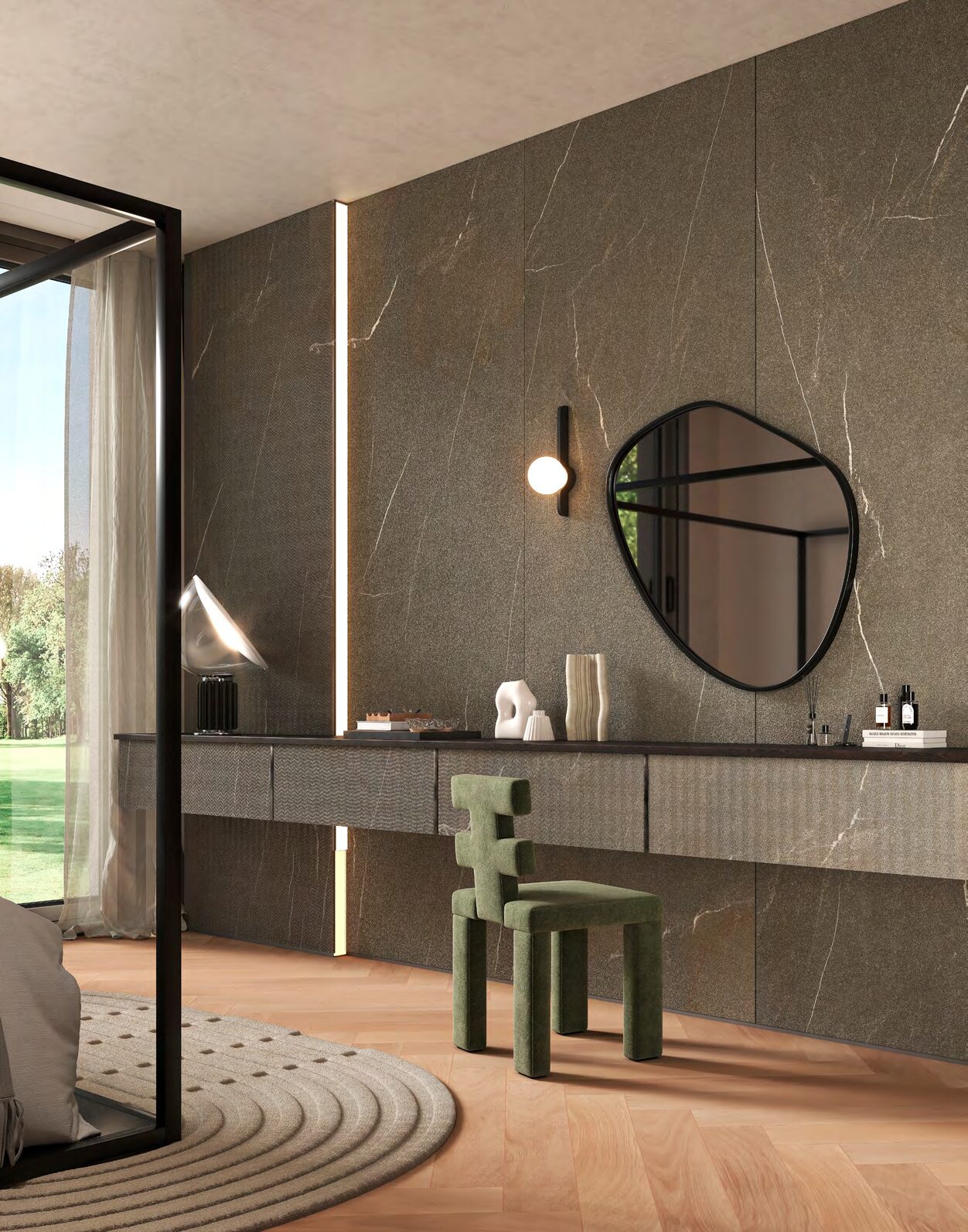
A honed stone surface, for example, can feel more sophisticated than a highly polished one because it absorbs light gently and allows the natural veining to appear without glare. A natural wood veneer can bring warmth, grain variation, and visual movement while still allowing the construction beneath it to remain stable and precise. A brushed or burnished metal detail can develop a quiet patina instead of looking like a fixed, artificial accent. A hand-applied surface can reveal subtle movement that no flat factory coating can fully imitate.
Quiet luxury depends on these kinds of materials because they create a sense of time. They do not feel disposable. They do not feel selected only for a trend cycle. They suggest permanence without heaviness.
Soft-veined stone should be chosen with restraint. In quiet luxury interior design, stone does not need to be the loudest element in the room. A calmer slab with elegant movement can often feel more expensive than a dramatic stone used without proportion. The same is true of wood. The most refined wood finishes reveal grain and texture rather than sealing the material under a plastic-looking gloss.
Matte finishes are especially important in 2026 because they change the way a room receives light. High gloss reflects sharply and can make surfaces feel more commercial or theatrical. Matte and satin finishes absorb light more calmly, creating a softer atmosphere that supports warm minimalism.
MATERIA Collection’s use of exotic woods, natural stone, metals, unique custom surfaces, artisan finishes, and applied pattern overlays gives designers the ability to create rooms that feel crafted rather than assembled. This matters because real quiet luxury is never only about what the material is. It is also about how precisely it is finished, aligned, installed, and allowed to live within the space.
Principle two: use refined millwork to make the room feel architectural
Quiet luxury works best when the room is planned as architecture, not as a collection of separate objects. Furniture, surfaces, doors, cabinetry, lighting, and storage should not feel as if they were chosen one by one and placed into an empty shell. They should feel connected by proportion, alignment, and material logic.
This is the role of refined millwork. Millwork controls many of the lines that make a space feel calm: panel breaks, door heights, reveals, cabinet fronts, shelving, closet systems, built-ins, base details, and transitions between surfaces. When those lines are considered together, the room becomes visually quieter without becoming less interesting.
Bespoke millwork matters because it solves the problems that generic interiors often try to hide. Awkward gaps, filler strips, mismatched storage, poorly placed panels, and unrelated furniture pieces all create visual friction. A quiet luxury room may appear simple, but that simplicity usually comes from careful planning.
Refined millwork can:
-
Align wall surfaces, doors, cabinetry, furniture, and storage into one visual system.
-
Hide clutter without making the room feel blank or impersonal.
-
Turn functional storage into part of the architecture.
-
Remove awkward gaps, filler pieces, and mismatched proportions.
-
Carry the same material language from living room to kitchen, bedroom, closet, office, bathroom, or hospitality space.
-
Create shadow lines, reveals, and transitions that make restraint feel intentional.
This is especially important in luxury residences, apartments, hotels, restaurants, private clubs, boutiques, and corporate offices. In these spaces, the interior must function beautifully while also feeling memorable. The details have to work at different distances. From across the room, the design should feel calm and balanced. Up close, it should reveal material depth, precise joins, and thoughtful construction.
MATERIA Collection’s range makes this kind of integration possible because wall panel systems, custom surfaces, kitchen cabinets, closet and cabinet systems, luxury doors, luxury fine furniture, lighting, and bathroom solutions can be approached as parts of one interior composition. This is what separates a decorated space from an authored space.
When millwork is designed well, it does not call attention to itself in a loud way. It creates the conditions for the room to feel complete. The wall panels align. The doors disappear or become architectural features. The cabinetry feels built into the space rather than added later. The furniture sits in relationship to the walls, not in competition with them.
That is why refined millwork is one of the clearest expressions of quiet luxury in 2026. It makes the room feel intentional before any object is added.
Principle three: build tone-on-tone depth instead of flat neutrality
Tone-on-tone design is one of the signatures of quiet luxury interior design, but it is often misunderstood. It does not mean using one beige color everywhere. It means building a room through related tones that have different undertones, textures, sheens, and material qualities.
A flat neutral room feels unfinished because every surface behaves in the same way. The walls are pale. The sofa is pale. The rug is pale. The curtains are pale. The result may be soft, but it lacks tension. A refined neutral room, by contrast, uses subtle variation to create depth. The palette may still be quiet, but the materials do different things.
Warm oak beside honed limestone feels grounded because the wood introduces grain while the stone introduces mineral movement. Walnut beside bronze or burnished brass feels rich because both materials carry warmth, but one is organic and the other is precise. Limewash-look walls beside ribbed or plain panel systems create a conversation between hand-applied softness and architectural rhythm. Matte cabinetry beside satin stone or leather upholstery gives the eye several levels of texture without creating visual noise.
The most successful tone-on-tone rooms usually rely on a clear sheen hierarchy. Matte walls calm the space and prevent glare. Satin wood adds soft reflectivity and warmth. Natural stone introduces movement and permanence. Metal inlays create fine lines of definition without becoming ornamental. Textiles soften the composition, but they should not be asked to carry the entire design.
This is where warm minimalism becomes more sophisticated. A quiet luxury room can still be cream, taupe, sand, walnut, stone, clay, ivory, and bronze. The difference is that each tone has a role. Cream textiles feel more luxurious when they are placed against wood, not just more cream. Stone feels calmer when the surrounding cabinetry is matte. Metal feels more refined when it appears as an inlay, trim, or handle detail rather than a large shiny statement.
Tone-on-tone depth is ultimately about control. It allows an interior to remain peaceful while still feeling layered. It gives quiet luxury the thing it often loses when interpreted too literally: presence.



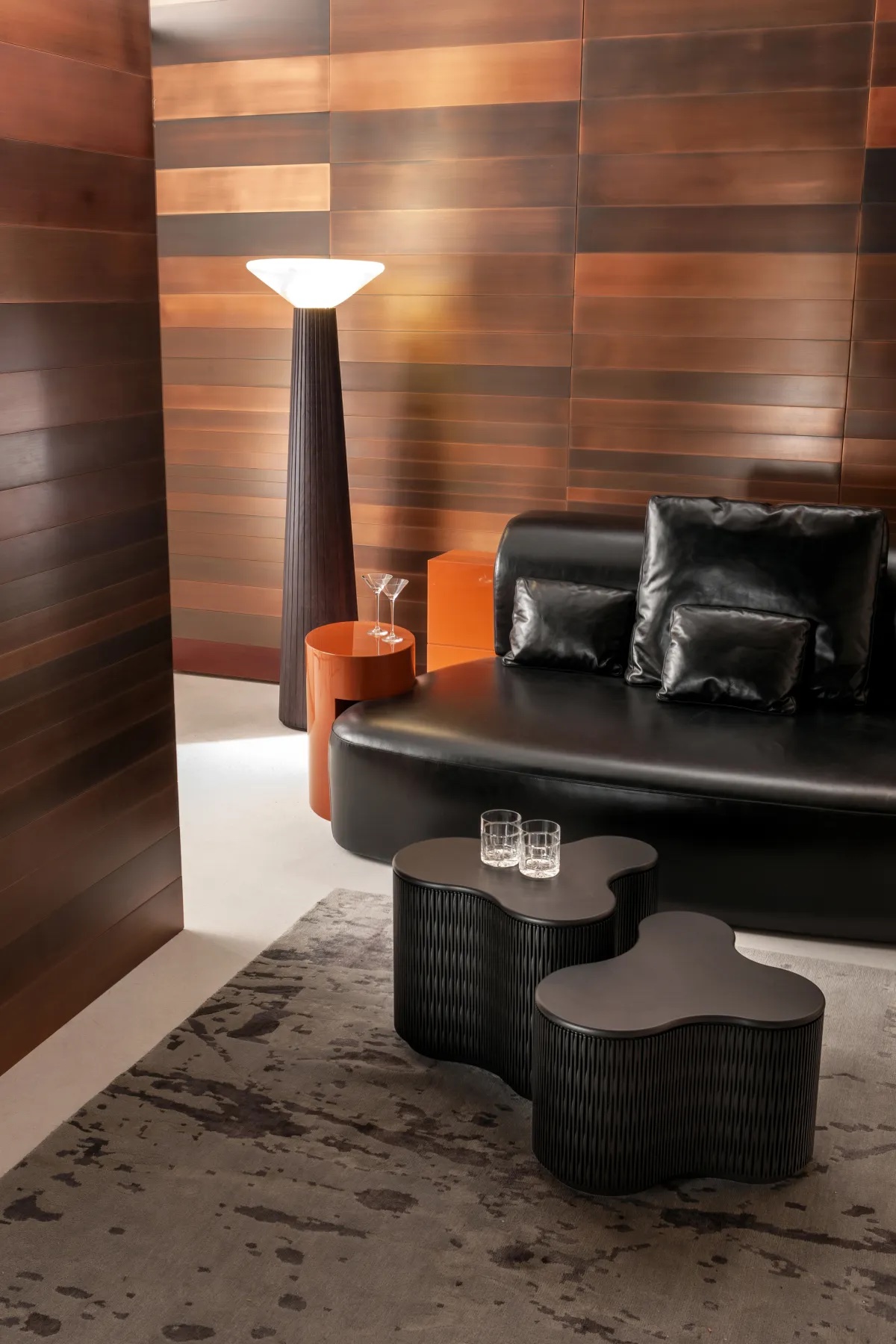
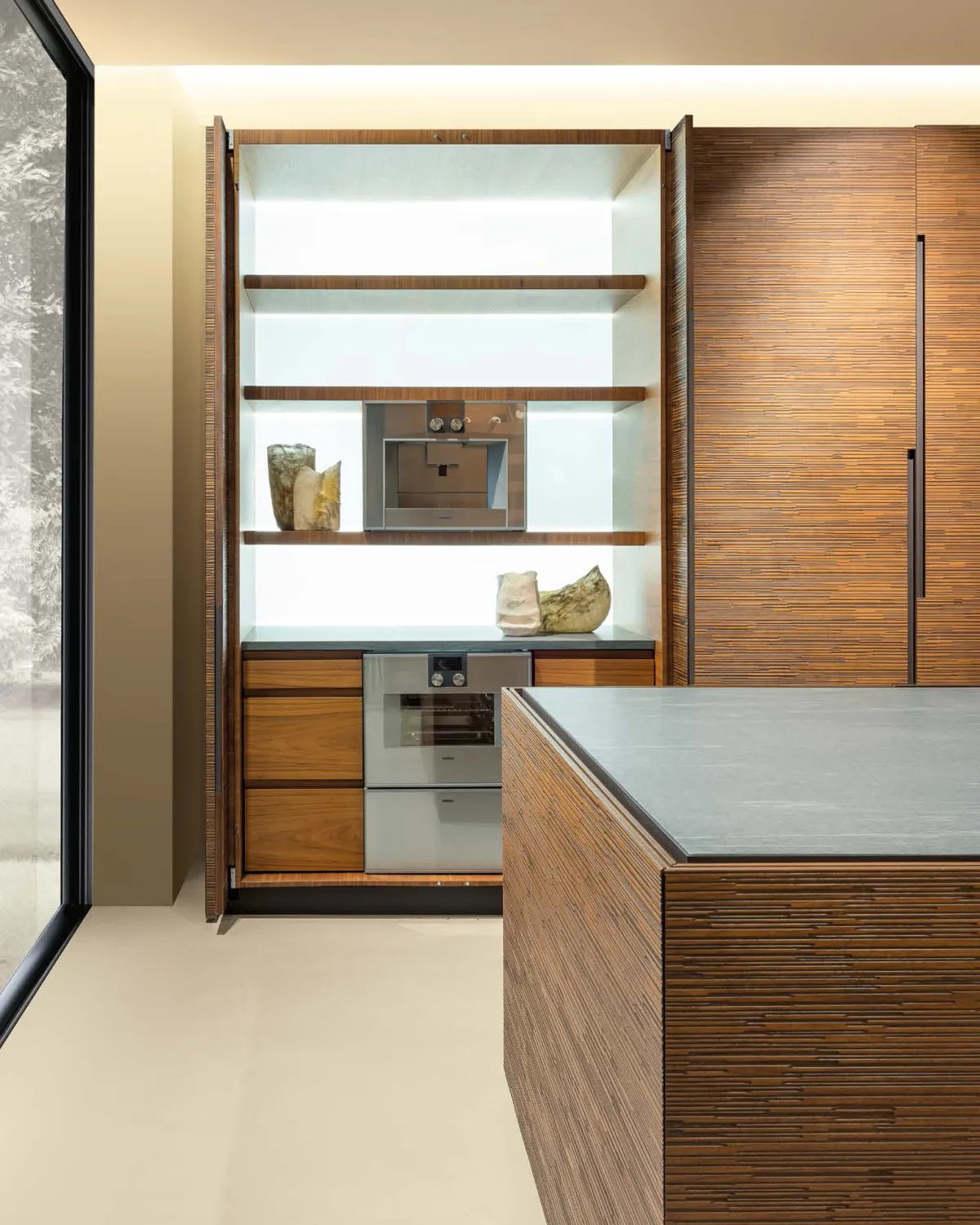
Principle four: make walls do more than hold paint
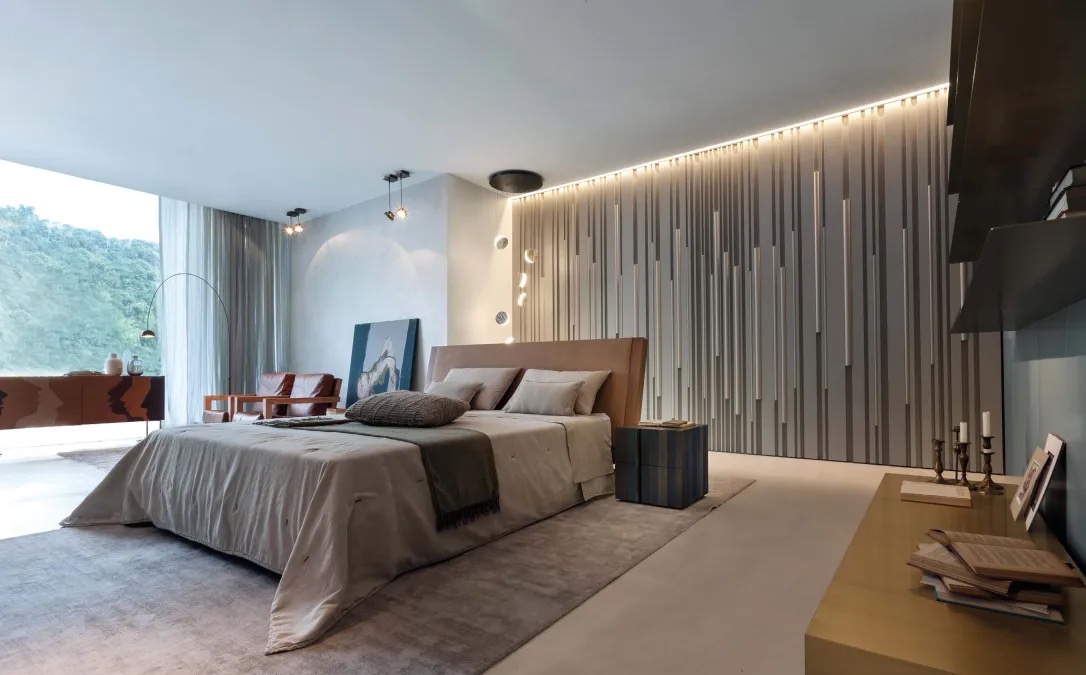
In quiet luxury interiors, walls are not background. They are the largest architectural surface in the room, which means they have more responsibility than simply holding paint, artwork, or wallpaper. A well-designed wall can create rhythm, conceal storage, integrate doors, frame furniture, support lighting, improve acoustics, and shape the atmosphere of the entire space.
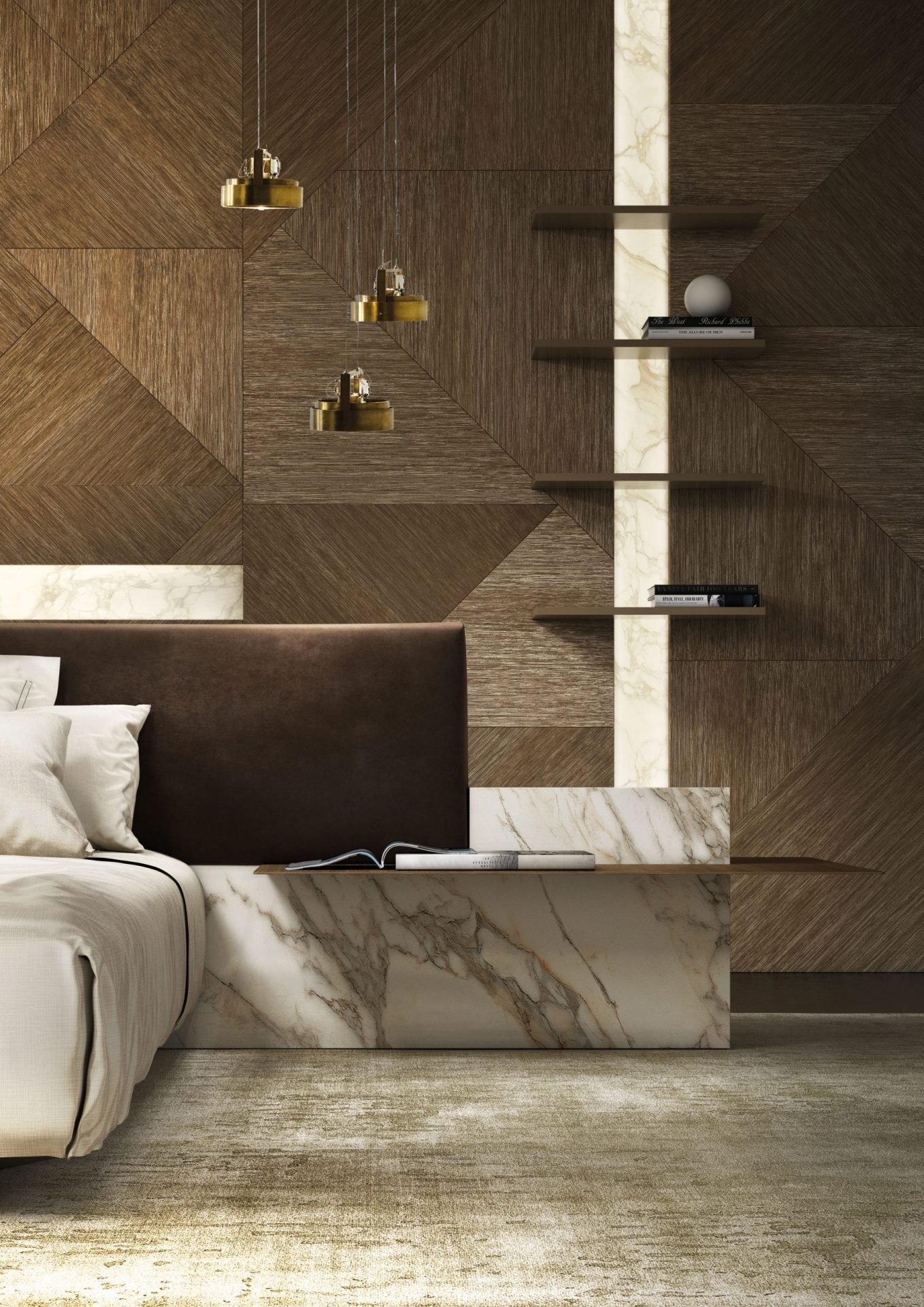
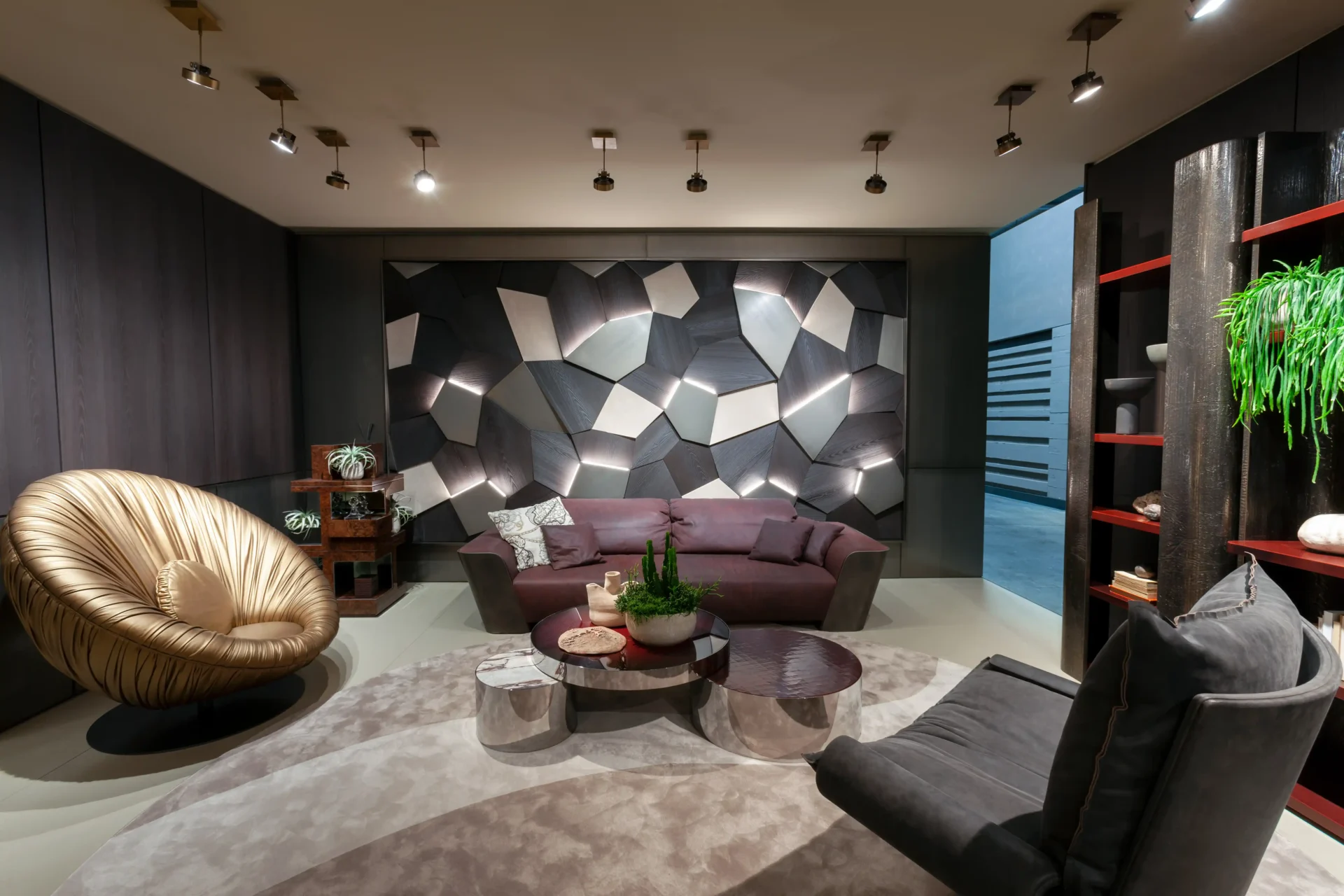
This is why wall treatments are central to quiet luxury interior design in 2026. A plain painted wall can feel appropriate in some rooms, but in a refined interior, the wall often needs more depth. Wood wall panels can introduce warmth and architectural order. Marble and stone wall surfaces can add permanence without becoming overly dramatic. Decorative panels can create texture and pattern in a controlled way. Luxury wallpapers and fabric panels can soften the room while adding tactility. Venetian plaster and limewash-look surfaces can give the wall a mineral quality that feels handmade, calm, and quietly expressive.
The strongest results happen when wall treatments are not treated as decoration, but as part of the architecture. A panel system can conceal doors. A shelving composition can be integrated into the wall rather than placed in front of it. Lighting can be planned inside reveals, behind panels, or along vertical surfaces so the material is gently emphasized instead of overlit.
This matters in both residential and hospitality projects. In homes, wall treatments make living rooms, primary suites, corridors, kitchens, closets, and media areas feel resolved. In hospitality, they help create a memorable environment while supporting durability, repetition, and brand consistency.
MATERIA Collection’s approach to contemporary wall panel design and luxury wall panels fits this direction because the wall becomes a designed surface, not an empty plane waiting to be filled.
Principle five: use fine furniture as punctuation, not decoration
Quiet luxury furniture should not fight the architecture. It should complete it. A sideboard, console, dining table, chair, desk, or wall unit should feel selected for proportion, material, silhouette, and relationship to the room, not simply because it looks expensive on its own.
This is where many luxury interiors lose their discipline. A room can have beautiful furniture and still feel unresolved if every piece is trying to become the main event. Quiet luxury does not need every object to be a statement. It needs furniture that adds weight, balance, comfort, and refinement at the right moments.
The goal is to avoid furniture that feels staged, overmatched, or visually disconnected from the architecture. Matching sets can make a room feel purchased in one decision rather than developed with care. Overly glossy finishes can interrupt the soft material language of matte woods, stone, plaster, and fabric. Pieces chosen only for dramatic effect can quickly feel dated. Furniture that ignores the wall system, lighting, floor tone, or surrounding millwork can make even a costly room feel fragmented.
Instead, quiet luxury calls for:
-
Sculptural but calm silhouettes
-
Natural woods with visible depth
-
Stone or metal accents used with restraint
-
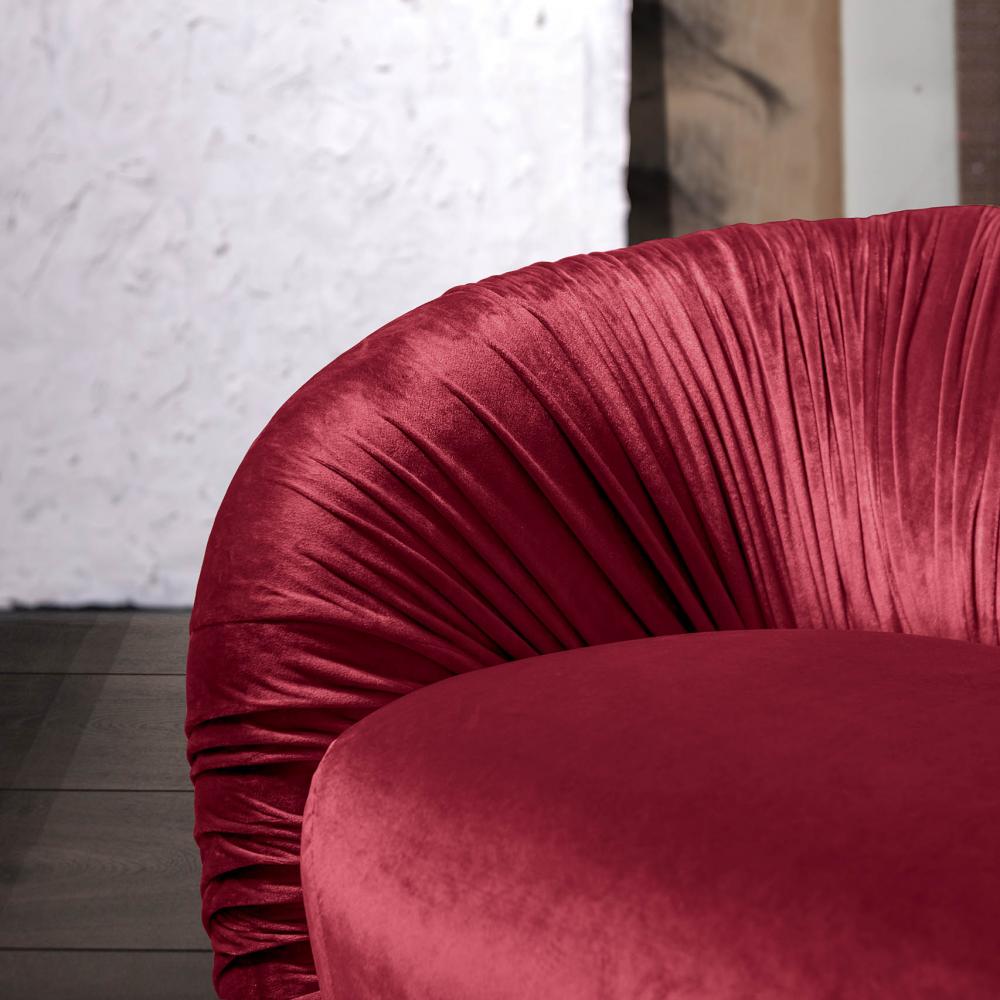
Textural upholstery that supports the palette
-
Designer pieces that feel collected, not mass-purchased
-
Furniture that repeats one or two materials from the architecture
MATERIA Collection’s designer sideboards, consoles, chairs and tables support this idea because fine furniture becomes punctuation within the room. A console can complete a corridor. A sideboard can anchor a dining area. A wall unit can organize a living space. A desk can make a home office feel architectural. The piece is important, but it works because it belongs to the whole composition.
Found luxury: why the next evolution is more personal
The next evolution of quiet luxury is found luxury. It keeps the refinement, restraint, and material quality of quiet luxury, but removes the overly staged feeling that has made some interiors look too perfect, too beige, and too impersonal.
Found luxury is about rooms that feel assembled over time. These interiors may include art, vintage pieces, personal objects, custom furniture, textured materials, artisan finishes, books, collected ceramics, sculptural lighting, and subtle irregularities. The atmosphere is still calm, but it is no longer anonymous.
This does not mean clutter. It also does not mean maximalism for its own sake. Found luxury is more controlled than that. It is the difference between a room that looks purchased and a room that feels lived in by someone with taste, memory, and point of view.
The reason this direction matters for 2026 and beyond is simple: people are becoming tired of interiors that look perfectly styled but emotionally empty. A luxury room should not feel like a showroom that nobody touches. It should feel refined, personal, and capable of aging with the people who use it.
Bespoke millwork and custom furnishings are ideal for found luxury because they create the disciplined architectural backdrop that allows personal pieces to feel intentional. A handcrafted wall panel system, a custom console, a natural stone surface, a fine furniture piece, or a metal-inlaid cabinet can make collected objects feel curated rather than random.
This is why quiet luxury will not disappear after 2026. It will become warmer, more personal, more tactile, and more rooted in craft. The next version of luxury will not be louder. It will simply feel more human.
How quiet luxury works in residential interiors
In residential interiors, quiet luxury works best when it improves the way the home feels every day. It should not only create an impressive first view. It should make the living room calmer, the kitchen more functional, the bedroom more restful, the closet more organized, and the home office more focused.
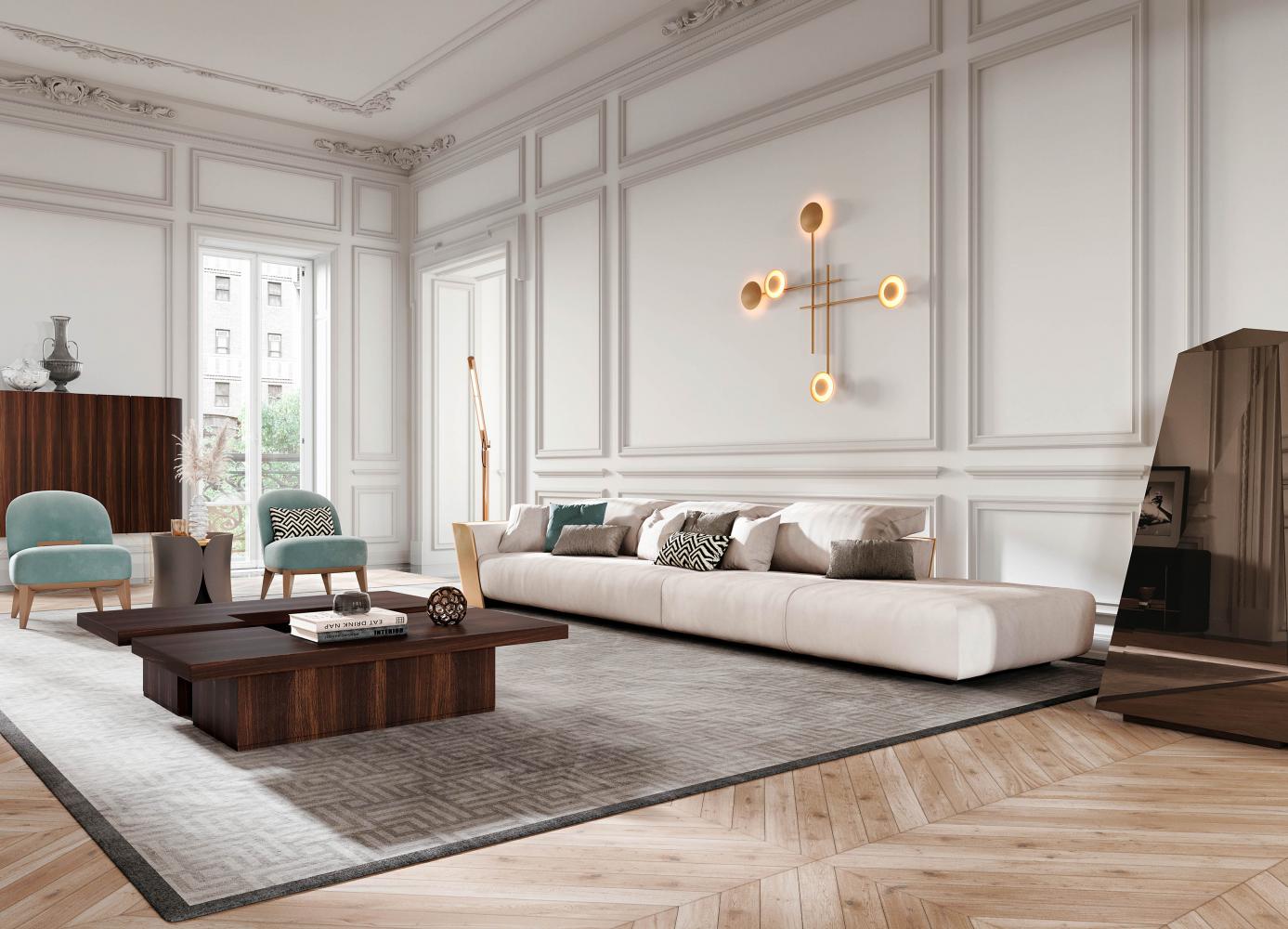
In living rooms, quiet luxury can be expressed through wall panel systems, low-sheen woods, stone fireplace surrounds, sculptural seating, integrated lighting, and furniture that feels generous without dominating the room. The walls, seating, rugs, lighting, and storage should work together so the space feels layered but not crowded.
In kitchens, the same philosophy becomes more technical. Custom cabinetry, matte or satin finishes, integrated appliances, stone islands, concealed storage, and refined hardware can make the kitchen feel architectural rather than purely functional. The most successful luxury kitchens do not reveal every appliance and storage need. They make function feel composed.
Primary suites benefit from warm wood panels, fabric or leather textures, quiet lighting, custom wardrobes, and a calm transition into the bathroom or dressing area. The bedroom should not feel like a hotel room copied into a home. It should feel personal, soft, and carefully resolved.
Closets and dressing rooms are especially suited to this language. Boutique-style closet systems, integrated lighting, glass, wood, metal, and modular storage can turn organization into a luxury experience. In home offices, refined desks, consoles, acoustic wall panels, and hidden technology storage create a room that feels productive without feeling corporate.
For homeowners, architects, and residential designers, custom furnishings for luxury residences make quiet luxury practical because they connect beauty, function, storage, and material continuity.
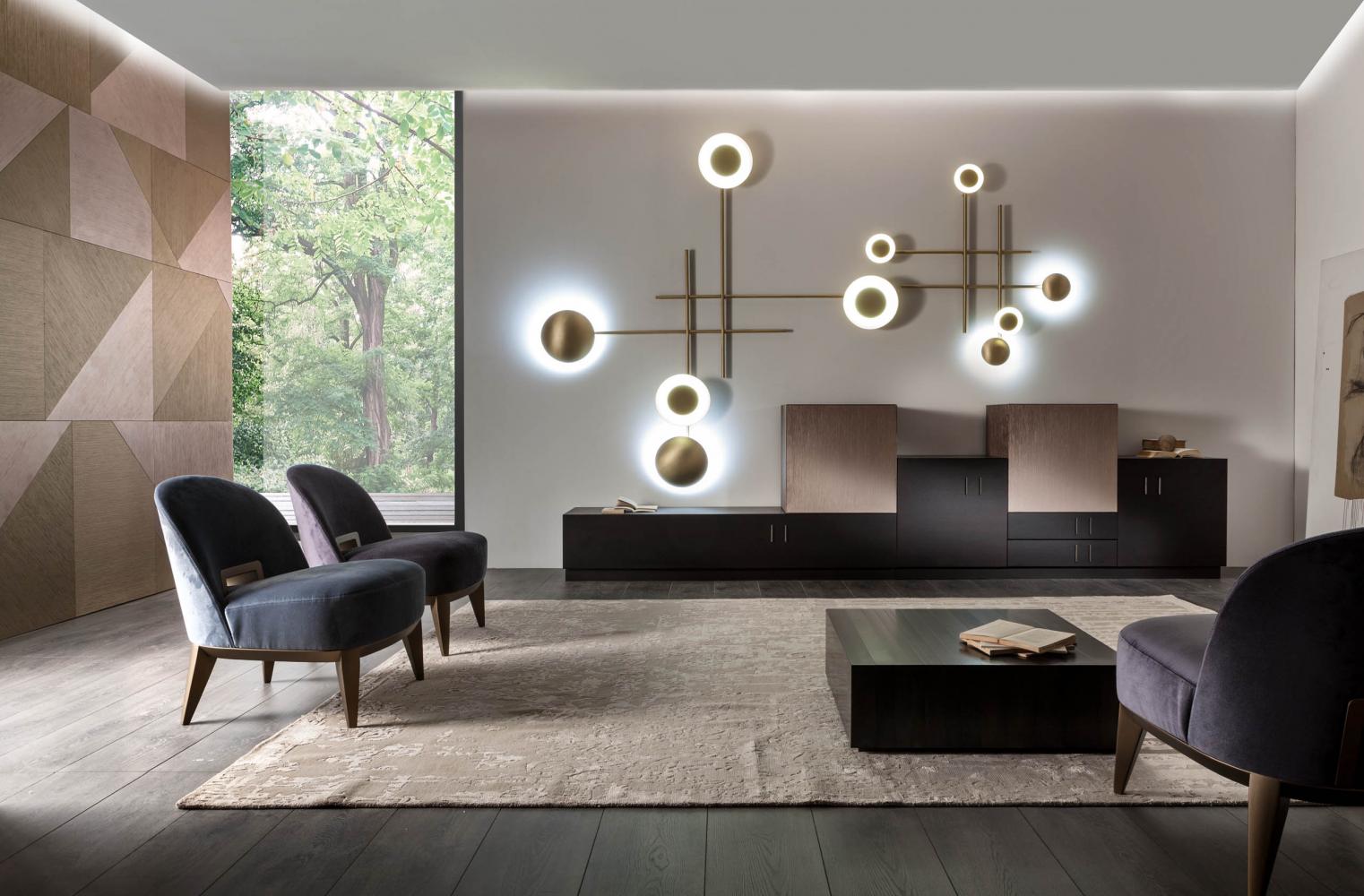
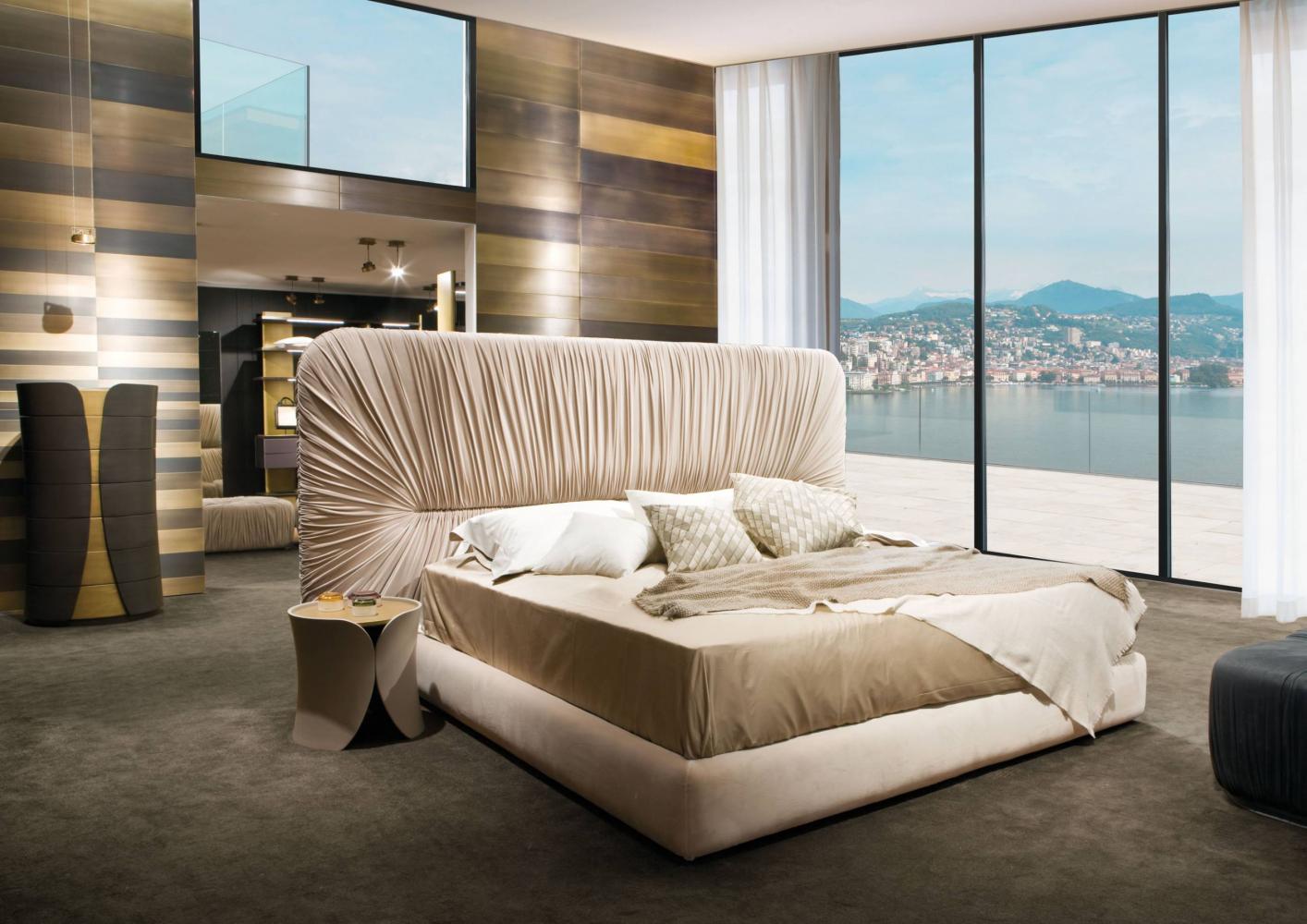
How quiet luxury works in hospitality, restaurants, clubs and offices
Quiet luxury is especially powerful in hospitality because guests experience materials physically. They touch the bar, sit in the chair, walk past the panels, notice the reception desk, lean against the counter, open the door, and remember the atmosphere long after they leave.
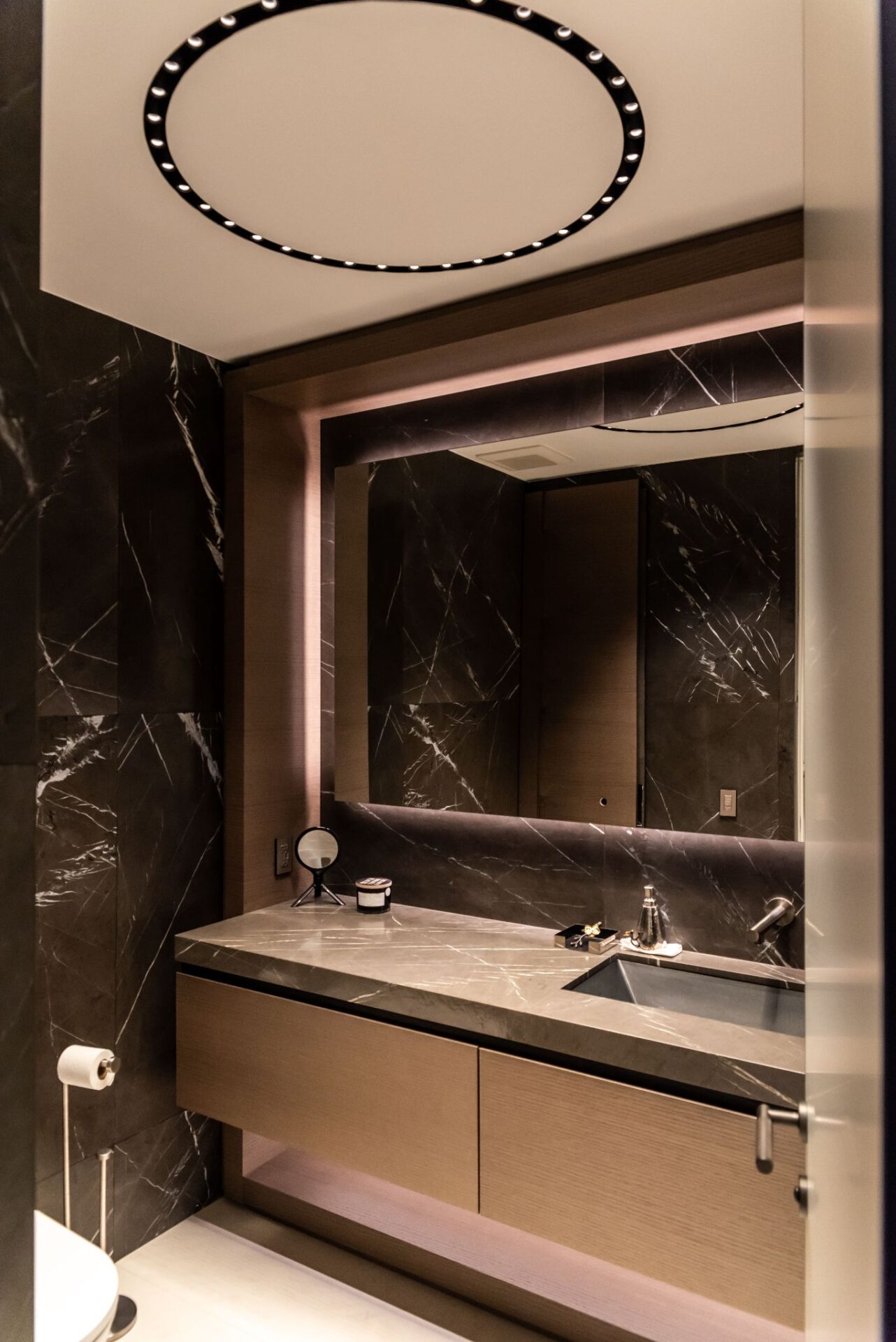
In hotels, restaurants, private clubs, cocktail bars, corporate offices, boutiques, luxury bathrooms, and powder rooms, quiet luxury creates a sense of refinement without overwhelming the guest. The space can feel memorable without relying on loud patterns, excessive shine, or obvious spectacle.
Hospitality interiors also need stronger durability than many private residences. Materials must hold up to repeated use, cleaning, traffic, and constant contact. That does not mean the design has to feel cold or commercial. Stone composites, veneer systems, metal inlays, wall panels, fine furniture, and integrated lighting can create a signature environment that remains functional and refined.
The best hospitality spaces use quiet luxury to control the guest experience. A reception area can feel calm and elevated through stone, wood, and soft lighting. A restaurant can feel intimate through paneling, upholstery, and warm metal details. A private club can feel exclusive through material depth rather than obvious decoration. A corporate office can feel more sophisticated when desks, consoles, storage, doors, and wall systems are planned as one language.
MATERIA Collection’s experience with bespoke projects across private residences, luxury apartments, refined restaurants, corporate offices, boutiques, and major hospitality-style spaces such as Buddha-Bar New York gives this approach practical credibility. Through luxury millwork for hospitality, quiet luxury becomes more than a visual mood. It becomes a durable, repeatable, and recognizable design standard.
Frequently Asked Questions
What is quiet luxury interior design?
Quiet luxury interior design is an approach based on restraint, material depth, proportion, craftsmanship, and timeless finishes instead of obvious displays of wealth.
Is quiet luxury the same as minimalism?
No. Minimalism reduces, while quiet luxury refines. A quiet luxury space can be layered and personal as long as every material and object feels intentional.
What materials define quiet luxury in 2026?
Natural wood, soft-veined stone, matte and satin finishes, Venetian plaster or limewash-look surfaces, wool, leather, fabric, and softly patinated metals define the quiet luxury palette in 2026.
How do wall panels support quiet luxury interiors?
Wall panels create architectural rhythm, depth, texture, hidden function, and continuity between rooms, making walls feel designed rather than simply painted.
Can quiet luxury work in hospitality interiors?
Yes. Quiet luxury works well in hotels, restaurants, clubs, boutiques, and offices because durable materials, refined millwork, lighting, and tactile surfaces create atmosphere without excess.
What is found luxury?
Found luxury is the warmer, more personal evolution of quiet luxury, where custom millwork and refined materials are paired with art, collected objects, vintage pieces, and personal details.