

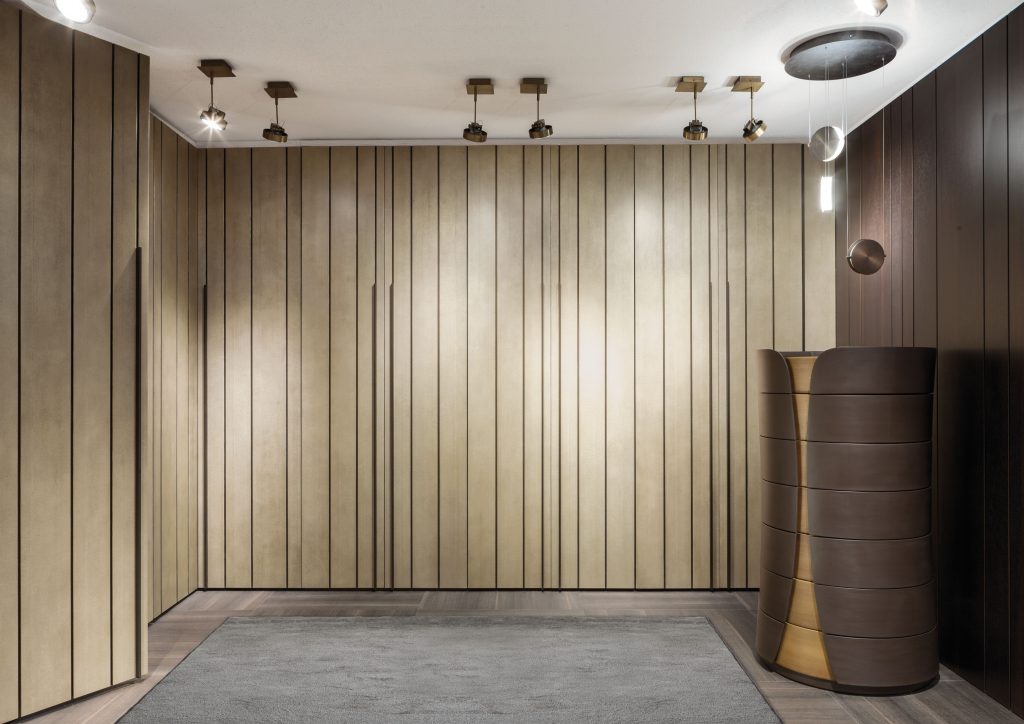
In 2026, luxury interiors are moving away from flat, purely decorative walls and toward tactile architectural surfaces, which is why fluted wall panels, reeded paneling, slatted wood panels, and 3D wall panels are becoming such important design tools: they add rhythm, shadow, warmth, and depth without depending on loud color, oversized artwork, or excessive ornament.
This is not general wood paneling; it is a more specific design language built around grooves, ribs, vertical repetition, sculpted surfaces, and light-and-shadow effects, and for MATERIA Collection, a Miami-based destination for Italian wall panel systems, custom millwork, unique finishes, and bespoke interior solutions, these textured surfaces belong naturally in private residences, luxury apartments, restaurants, offices, boutiques, hospitality spaces, and any interior where a textured wood wall should feel integrated into the architecture rather than applied as an afterthought.
| Application Area | Best Panel Direction | Why It Works |
|---|---|---|
| Primary bedroom headboard walls | Fluted, reeded, or slatted wood panels | Adds softness, vertical rhythm, and a hotel-suite feeling without relying on oversized artwork or heavy decoration. |
| Living room TV and fireplace walls | Fluted panels, slatted panels, or 3D wall panels | Turns large open walls into architectural focal points and helps connect media, stone, lighting, and cabinetry. |
| Entry foyers, corridors, and elevator landings | Vertical fluting, reeded paneling, or linear wood texture | Adds depth and custom character to transition spaces without taking up floor space. |
| Miami homes and waterfront condos | Warm textured wood walls and slatted surfaces | Balances glass, stone, bright daylight, and open-plan layouts with warmth, rhythm, and visual softness. |
| New York apartments and penthouses | Vertical fluting, reeded detail, and compact 3D textures | Creates depth, height, and custom character in spaces where every wall needs to feel intentional. |
| Reception walls and brand backdrops | Slatted wood panels, fluted panels, or sculptural 3D panels | Creates a memorable first impression while keeping the space refined, architectural, and brand-focused. |
| Restaurants, lounges, and hospitality interiors | 3D wall panels, reeded surfaces, acoustic panels, or darker slatted finishes | Builds mood, improves atmosphere, and helps the interior feel immersive without excessive decoration. |
| Boutique retail and office interiors | Reeded paneling, slatted panels, and custom textured wall systems | Makes display zones, meeting areas, and reception spaces feel curated, durable, and visually distinctive. |
What are fluted, reeded and slatted wall panels?
Fluted, reeded and slatted wall panels are often discussed together because all three use repetition to create texture. However, they are not the same. Each one has a different surface profile, visual rhythm, and design purpose, and choosing correctly matters if the wall is supposed to feel architectural rather than simply decorative.
The easiest way to understand the difference is to look at the shape of the surface. Fluted panels usually have softer grooves. Reeded paneling usually has finer ribs. Slatted wood panels are built from repeated linear strips, often with visible spacing or shadow gaps between them.
Fluted wall panels
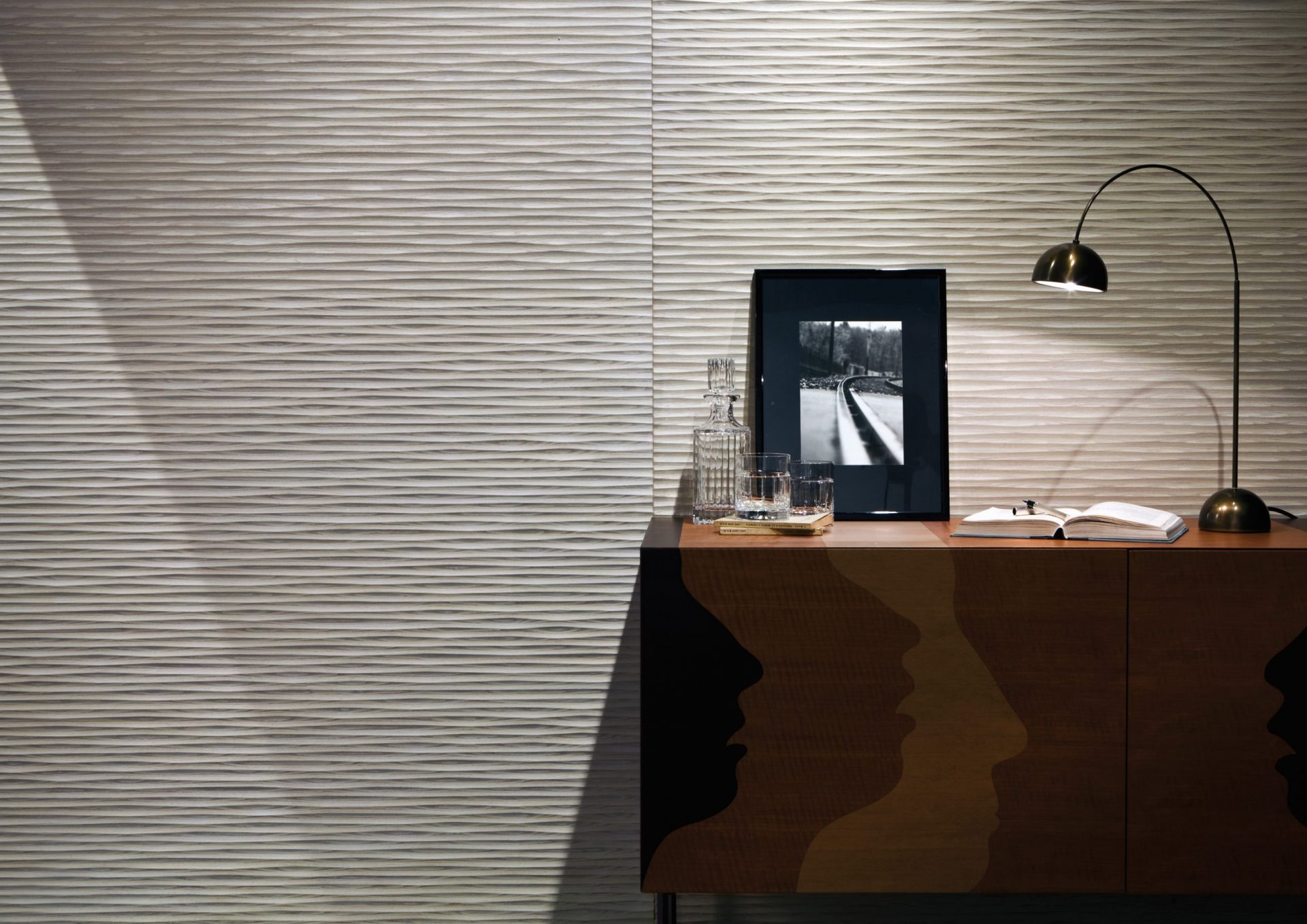
Fluted wall panels feature concave, rounded, or channel-like grooves that create a sculptural and repetitive surface. The effect is usually soft, elegant, and dimensional, especially when light moves across the wall from the side. Instead of reading as a flat plane, the wall becomes a sequence of highlights and shadows.
This makes fluted paneling especially useful in spaces where the designer wants refinement without heaviness. It works beautifully in luxury living rooms, bedrooms, corridors, reception walls, dining areas, and behind custom cabinetry.
How the scale of fluting changes the result
Wider flutes feel more architectural and dramatic. They can give a wall a strong presence and work well in larger rooms, high-ceiling spaces, and commercial interiors.
Narrower flutes feel more delicate, detailed, and furniture-like. They are often better for smaller zones, headboard walls, custom millwork surrounds, or spaces where the texture needs to be visible but controlled.
Reeded paneling
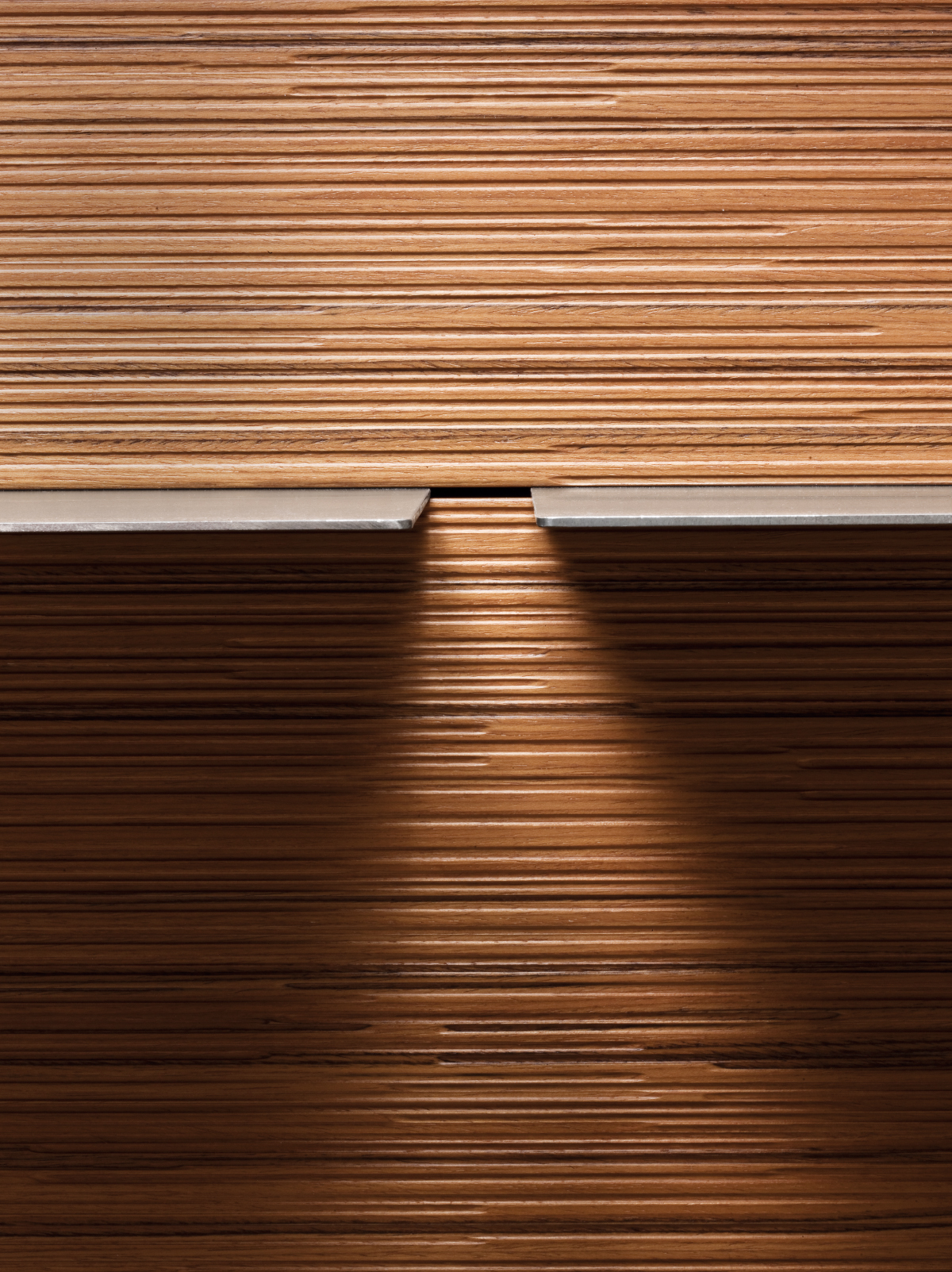
Reeded paneling usually has a finer ribbed texture with a more detailed linear rhythm. It is often chosen when the designer wants depth and craftsmanship at a closer viewing distance, but does not want the wall to feel too bold or visually heavy.
This type of paneling is especially effective in areas where people stand close to the surface, such as powder rooms, dressing areas, bar fronts, boutique retail walls, elevator vestibules, corridor inserts, and furniture-integrated wall sections. The texture may look subtle from a distance, but under angled lighting it becomes richer, sharper, and more tactile.
Why reeded surfaces feel refined
Reeded paneling is less about dramatic impact and more about precision. The smaller ribs create a surface that feels crafted and intentional. When placed near stone, glass, metal, lacquered cabinetry, or custom shelving, the ribbed detail adds warmth and visual softness without competing with the surrounding materials.
Slatted wood panels
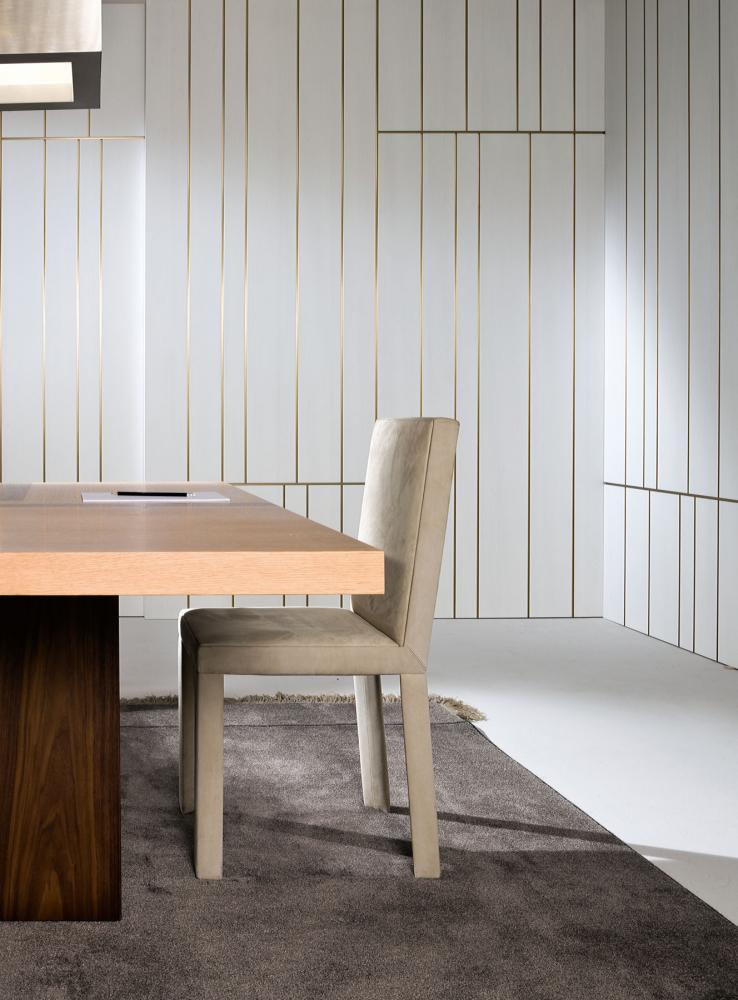
Slatted wood panels use repeated vertical or horizontal strips, usually with visible spacing, shadow gaps, or a backing material behind the slats. Compared with fluted and reeded surfaces, slatted panels often feel more architectural, linear, and structured.
They are especially effective for TV walls, headboard walls, stair walls, office lounges, hospitality corridors, reception zones, restaurant interiors, and commercial feature walls. They can also bring a warmer and sometimes more acoustic quality to a room, particularly when the system is designed with the right spacing and backing.
For designers studying contemporary wall panel design inspiration, slatted panels are important because they show how texture can define a wall without relying on pattern, color, or decoration alone.
Why textured wall panels are defining luxury interiors in 2026
The 2026 texture trend is not simply about adding decoration to a wall. It is about giving interiors more depth, material presence, and visual calm. In many luxury homes, the color palette is now more restrained, the forms are cleaner, and the atmosphere is quieter. That creates a new design challenge: how do you make a neutral room feel rich without making it busy?
Textured wall panels answer that question by allowing the wall itself to carry detail. A flat painted wall can feel unfinished in a large living room, penthouse, villa, boutique hotel, or corporate lobby. A textured wood wall, a 3D wall panel system, or a custom Italian wall treatment gives that surface intention. It becomes part of the room’s architecture.
Fluted, reeded and slatted surfaces are especially powerful because they change throughout the day. Morning light may reveal the grooves softly. Gallery lighting may sharpen the ridges. Integrated LEDs or warm wall washing can deepen the shadow lines and make the texture feel more dimensional in the evening.
This is why fluted wall panels and 3d wall panels are becoming so relevant for high-end interiors. They add interest without excessive pattern, and they make neutral spaces feel layered rather than plain.
The value of restraint
The strongest textured wall designs are usually controlled. A single feature wall, a headboard wall, a reception backdrop, or a repeated architectural sequence can be more effective than covering every surface. MATERIA’s focus on precision, artisan finishes, natural materials, and bespoke installation supports this approach because the texture is planned as part of the room, not added after the design is already complete.
Where fluted wall panels work best
Fluted wall panels are most successful when the goal is to create softness, vertical rhythm, and a refined shadow pattern. They can make a room feel taller, calmer, and more composed, especially when the grooves are proportioned correctly for the scale of the wall.
Unlike general wood paneling, fluted surfaces have a more sculptural identity. They do not simply cover the wall; they reshape how the wall catches light.
Living room feature walls
In a living room, fluted panels can turn a media wall, fireplace wall, or built-in storage wall into a more refined architectural plane. This is especially useful when the room has large surfaces that would otherwise feel empty or unresolved.
Fluted panels work particularly well when paired with:
Built-in storage
Concealed doors
Floating consoles
Integrated lighting
Fireplace surrounds
Stone slabs or stone-framed openings
Custom shelving or display niches
The important detail is integration. A fluted feature wall should not look like a decorative sheet placed behind a television. It should align with the proportions of the room, the height of the ceiling, the width of the furniture, and the surrounding materials.
Bedroom and headboard walls
Behind the bed, fluted wall panels offer a softer and more architectural alternative to plain paint, wallpaper, or oversized artwork. The vertical grooves can make the room feel taller, while the shadow pattern creates a calm backdrop for the bed, nightstands, lighting, and bedding.
This is especially effective in primary bedrooms where the goal is a hotel-suite feeling: warm, quiet, layered, and intentional. A fluted headboard wall can also help frame the bed without requiring a large upholstered headboard or heavy decorative treatment.
For projects focused specifically on bedroom wall paneling, fluting is useful because it creates atmosphere while keeping the room visually clean.
How fluting affects bedroom mood
A lighter finish can make the bedroom feel airy and serene. A darker walnut or stained finish can make it feel more intimate and dramatic. A matte finish keeps the texture understated, while integrated lighting can emphasize the grooves and create a warmer evening atmosphere.
Entryways, corridors and transition spaces
Fluted texture is also valuable in spaces people pass through quickly. A hallway, elevator landing, foyer, or corridor does not always have room for furniture, art, or large decorative pieces. Textured wall panels add depth without occupying floor space.
In these transitional zones, fluting can make the architecture feel more complete. It gives the wall a sense of rhythm and direction, especially when the grooves run vertically. In luxury apartments, boutique hotels, and private residences, this can make even a narrow passage feel considered and custom.


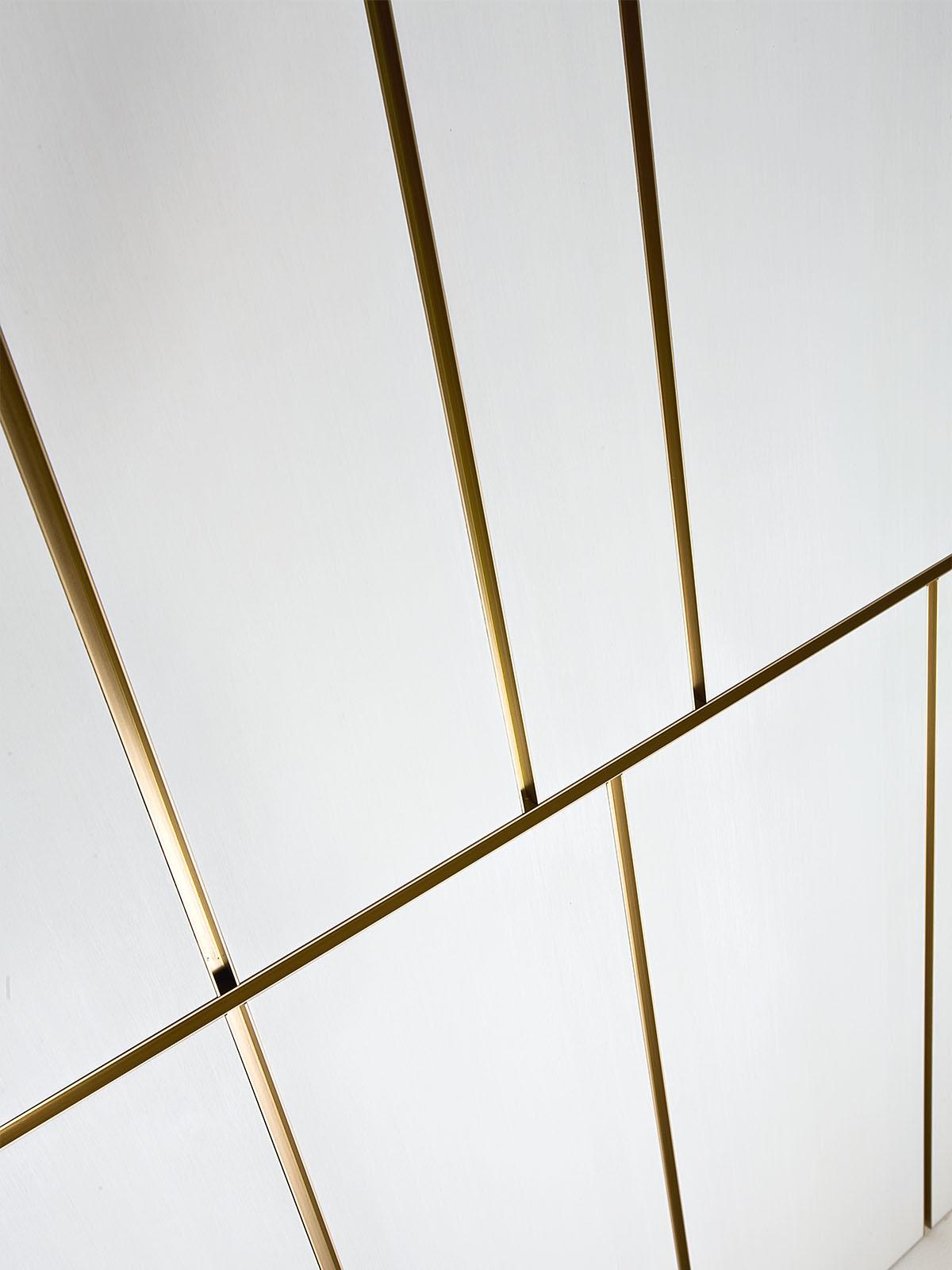
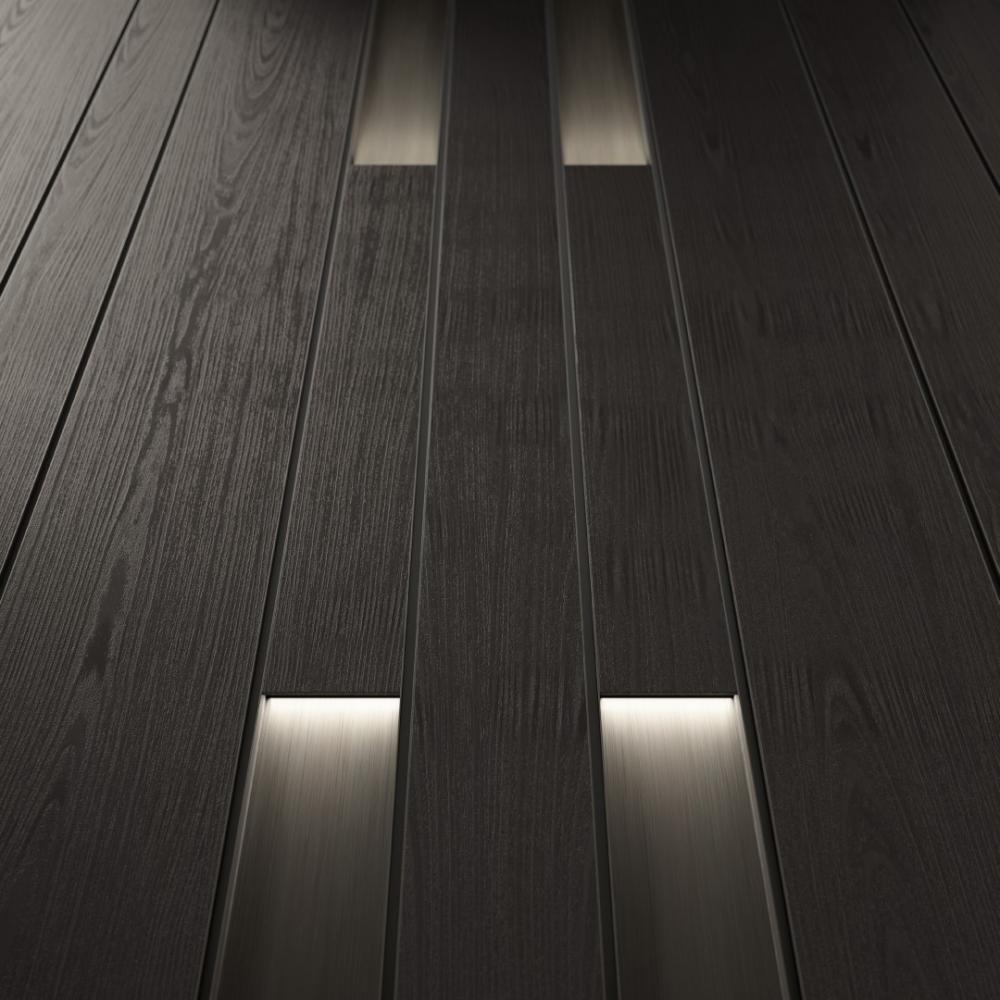
Where reeded paneling gives the best result
Reeded paneling gives the best result when the design calls for detail, closeness, and a more delicate rhythm. It is usually more refined and detail-driven than broader slatted panels, and it can feel less dramatic than large fluted surfaces. That makes it useful in interiors where the texture needs to be visible but not overpowering.
Reeded paneling is especially strong in smaller architectural zones. It works well in powder rooms, dressing areas, bar niches, retail walls, boutique display areas, elevator vestibules, and custom furniture sections. These are places where people naturally come close to the surface and notice the craftsmanship.
It can also soften harder materials. When placed next to marble, metal, glass, polished stone, or lacquered millwork, the ribbed texture introduces warmth and tactile contrast. This is one reason reeded surfaces are so useful in luxury interiors: they can make a highly polished room feel more human and layered.
Scale matters more than most buyers realize
Reeded paneling must be proportioned carefully. If the ribbing is too fine, the surface can look busy or visually noisy, especially across a large wall. If the profile is too large, the panel may start to feel closer to fluted wall panels and lose the delicate quality that made reeding attractive in the first place.
Custom specification matters because several details change the final impression:
Depth of the rib
Radius of each profile
Spacing between ribs
Wood species or veneer
Matte, satin, stained, or lacquered finish
Direction of light
Viewing distance
Relationship to stone, metal, cabinetry, or glass
For a refined result, reeded paneling should be treated as part of a broader material composition. When coordinated with luxury wood wall paneling, custom cabinetry, doors, lighting, and furniture, it becomes much more than a small decorative texture.
Slatted wood panels for warmth, rhythm and acoustic comfort
Slatted wood panels have become popular because they combine visual rhythm, natural warmth, and practical performance. They can make a room feel more architectural while also softening interiors that contain stone floors, glass walls, high ceilings, metal accents, or large open-plan layouts.
The appeal comes from repetition. A sequence of vertical or horizontal slats gives the wall structure and movement. It can guide the eye upward, stretch the room visually, or create a calm backdrop behind furniture and lighting. Compared with flat paneling, slatted wood panels create deeper shadow lines and a more pronounced architectural rhythm.
Acoustic comfort without overclaiming soundproofing
Slatted systems can help improve acoustic comfort when properly designed, especially when paired with an acoustic backing or absorptive material. This does not mean they automatically soundproof a room. Soundproofing requires a more technical assembly. However, slatted wall panels may help reduce harshness, echo, and sound reflection in the right conditions.
That makes them attractive for:
Media rooms
Home offices
Open-plan living areas
Reception areas
Conference rooms
Restaurants and lounges
Hospitality corridors
Boutique commercial interiors
In spaces with hard materials, the acoustic quality can be just as important as the visual effect. A room with stone, glass, and high ceilings may look impressive but feel cold or echo-prone. Slatted wood panels can help introduce a softer, warmer layer.
Vertical slats
Vertical slats can make ceilings feel taller and are commonly used for feature walls, headboard walls, stair walls, reception backdrops, and living room focal points. They give the wall a sense of height and order, which is especially useful in luxury residences and commercial interiors where proportion matters.
Horizontal slats
Horizontal slats can visually widen a room and work well behind long furniture, banquettes, consoles, commercial counters, or extended seating areas. They can make a wall feel calmer and more expansive, particularly when used in a continuous line across a larger surface.
Wood finishes and visual mood
Slatted panels can feel warm and natural in oak, walnut, eucalyptus, or other refined wood finishes. They can also become more dramatic when stained darker or paired with stone, metal, or integrated lighting.
For a more contemporary and linear surface, Bamboo wall panels can offer a distinctive material direction, especially when the project calls for rhythm, warmth, and a modern architectural feel.


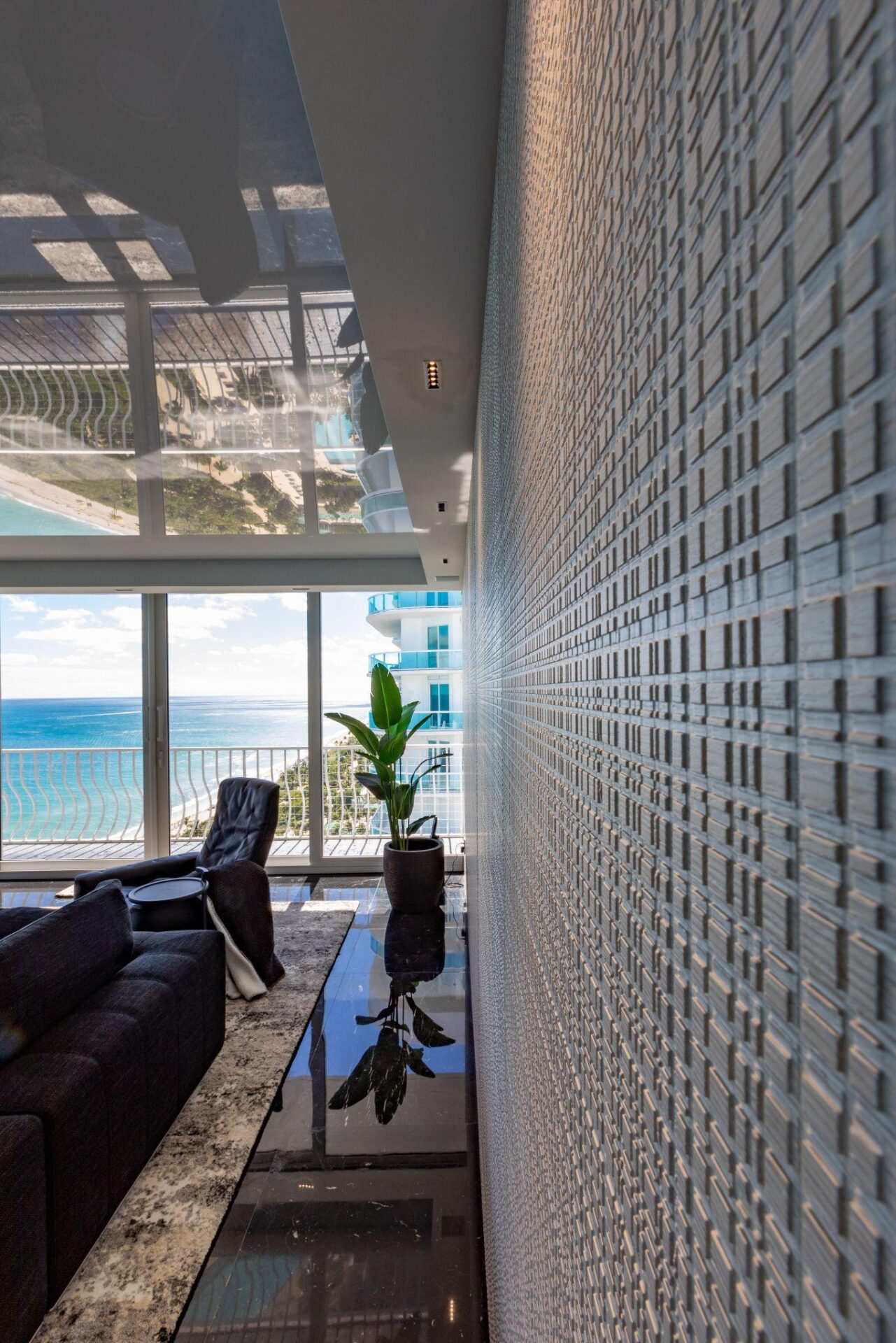
3D wall panels and sculptural surfaces: When the wall becomes the statement
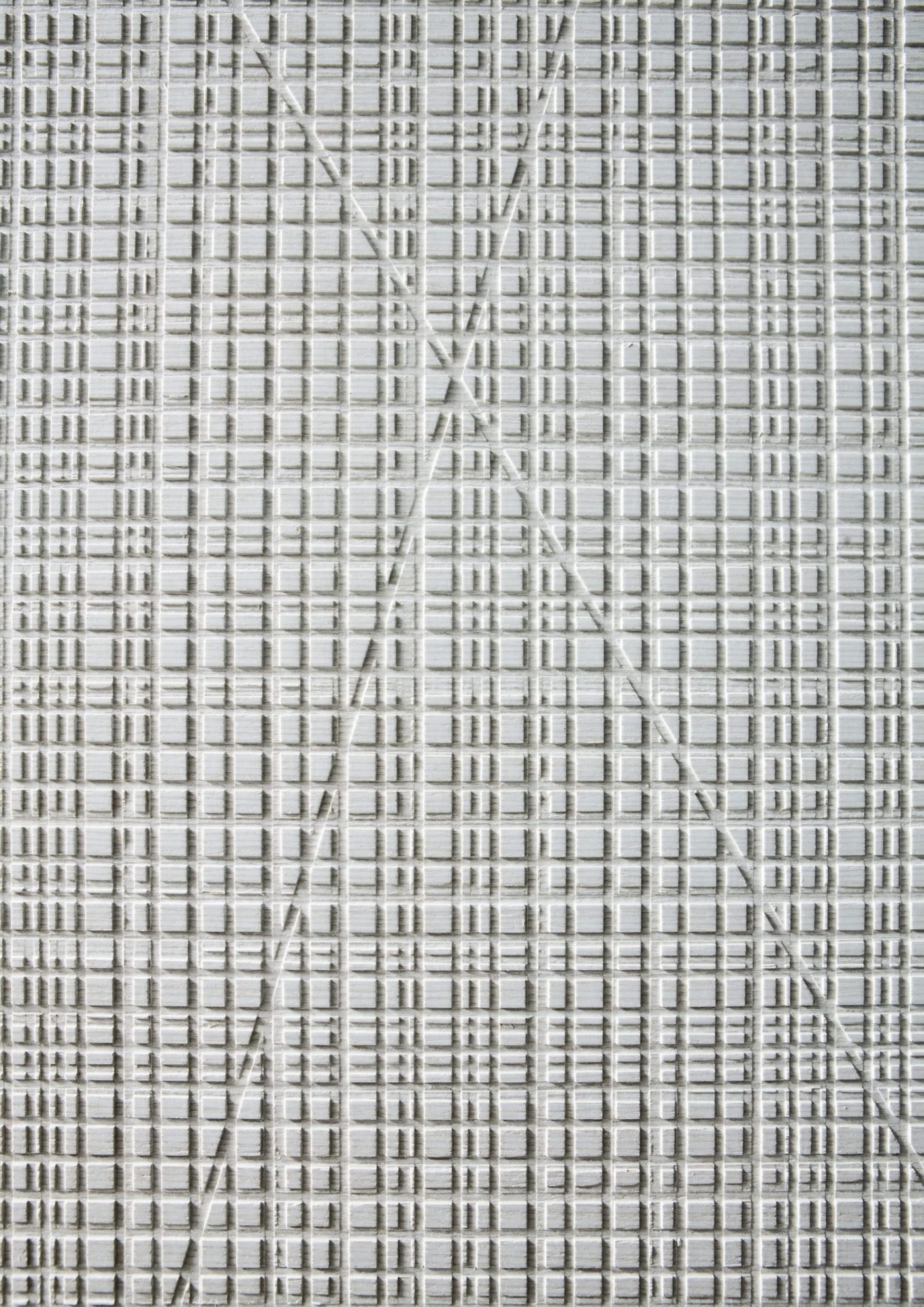
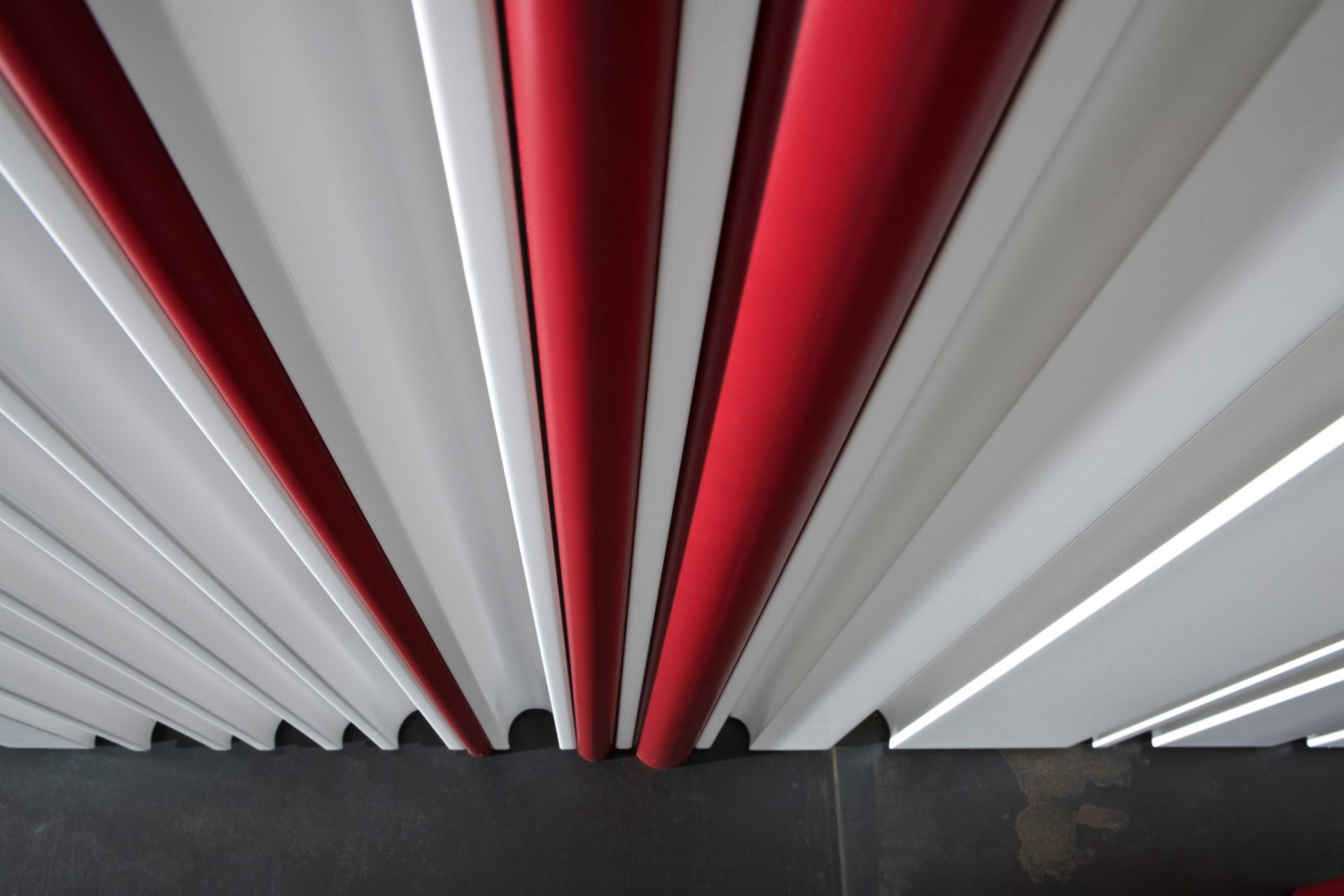
3D wall panels are the broader category of sculptural wall surfaces. They may include geometric reliefs, wave-like forms, grooves, raised patterns, artistic overlays, mineral-inspired graphics, or textured surfaces that change the way a wall catches light. Fluted and reeded panels can belong inside this 3D category, but not every 3D wall panel is fluted or reeded. Some are more architectural and linear; others are more decorative, artistic, or dramatic.
The strongest 3D wall panels work best when they are given room to breathe. They should not be forced into every corner of a project. A sculptural wall needs enough visual space around it so the relief, pattern, lighting, and material can be appreciated. This is why 3D panels are especially effective in:
Focal walls
Luxury lobbies
Restaurant and lounge interiors
Boutique retail display zones
Hospitality corridors
Dramatic residential living areas
Statement walls in offices and reception spaces
MATERIA Collection’s decorative panel options make this category especially flexible. The range includes large-format panels with reduced thickness, glossy or backlit finishes, laminated glass, integrated LED backlighting, and decorative surfaces inspired by marble, metal, precious stones, cement, natural shapes, textures, and artistic patterns. These are not simple flat coverings; they are surfaces designed to create visual depth and atmosphere.
For projects exploring luxury wall panels from Laurameroni, the key is choosing the right level of impact. A 3D wall panel should be selected according to viewing distance, lighting direction, surrounding materials, room size, and whether the space needs subtle depth or a strong sculptural moment.
Wood species and finishes for textured wall panels
Texture is only half the decision. The wood species, veneer, tone, and finish determine whether a textured wall feels calm, warm, dramatic, natural, or highly polished. Two panels with the same groove profile can create completely different moods if one is finished in pale oak and the other in dark walnut.
Oak is one of the most versatile choices for textured wall panels. It gives a clean, architectural appearance that works well in modern homes, offices, hospitality spaces, and quiet luxury interiors. Oak can feel bright and restrained in a lighter tone, or more grounded when finished in a warmer, deeper shade.
Walnut creates a richer and more dramatic surface. It is especially effective in lounges, dining rooms, bedrooms, private offices, media rooms, and boutique retail environments. Because walnut has natural depth and elegance, it pairs well with fluted wall panels, slatted wood panels, and reeded paneling where shadow and grain both matter.
Bamboo can bring a more linear, modern, and sustainable-feeling character to the wall. It works especially well in contemporary architecture, rhythmic surfaces, and interiors where the designer wants warmth without heaviness. For more specific applications, bamboo interior wall panel design ideas can help connect material direction with room function.
Finish direction matters
The final finish should support the texture rather than fight it. In most luxury interiors, matte and satin finishes feel more refined because they allow the grain, shadow, and profile to remain the focus.
Useful finish directions include:
Oak for clean architectural warmth
Walnut for deeper luxury and contrast
Bamboo for a modern linear look
Eucalyptus or refined veneers for a distinctive Italian design language
Matte and satin finishes for quiet luxury interiors
Dark stained finishes for restaurants, bars, media rooms, and high-contrast spaces
Metal, stone, fabric, or glass accents when the panel system must connect with other custom wall treatments
MATERIA’s strength is not simply supplying a panel. The value is in coordinating texture, finish, proportion, installation, and adjacent furnishings so the wall feels intentional within the entire room.
The light-and-shadow effect: The real reason texture feels expensive
Fluted, reeded, and slatted surfaces are powerful because they do not behave like flat walls. A flat wall reflects light evenly. A textured wall catches light on its ridges and creates shadow inside its grooves. That simple difference gives the surface movement, depth, and a more handcrafted quality.
This is one of the reasons textured panels often feel more expensive than plain decorative treatments. The wall is not only seen as a color or finish; it is experienced as a surface with depth. Morning daylight can make the grooves appear soft and quiet. Evening lighting can make the same wall feel warmer, deeper, and more dramatic.
Lighting should be planned before installation
Lighting should never be treated as an afterthought. The depth of the grooves, the direction of the slats, and the profile of the panel all influence the final shadow pattern.
The effect can be enhanced with:
Wall washing
Concealed LED strips
Integrated lighting
Picture lights
Soft ceiling lighting
Natural daylight from side windows
Backlit decorative panels
The most refined interiors use this effect with restraint. Not every wall needs to be textured. A single major feature wall, a controlled architectural sequence, or a repeated texture that connects multiple elements can feel more luxurious than covering every surface. Texture feels most architectural when it has a clear role in the room.
How to specify fluted, reeded and slatted wall panels
Specifying fluted, reeded, and slatted wall panels requires more than choosing a texture from a sample. Designers, architects, and spec buyers need to think about scale, material, lighting, function, installation, and long-term durability. A wall panel that looks beautiful in a close-up sample may perform very differently across a full-height wall, a corridor, a bar front, or a large commercial backdrop.
Panel type
The first decision is the type of panel. The project may call for fluted, reeded, slatted, 3D, decorative, acoustic, backlit, glass, wood, metal, fabric, or a hybrid system. This decision should be based on the role of the wall, not only on appearance.
A bedroom wall may need warmth and softness. A lobby wall may need drama. A restaurant wall may need atmosphere and durability. A media room may need visual rhythm and acoustic comfort.
Scale and rhythm
Scale determines whether the panel feels delicate, bold, architectural, or busy. The width of the grooves or slats, depth of relief, spacing, and orientation all change the final effect.
Vertical rhythms can make a wall feel taller. Horizontal rhythms can make a wall feel wider. Deeper grooves create stronger shadows. Finer ribbing creates closer detail. The right choice depends on the size of the room and how far people will stand from the surface.
Material and finish
Material and finish should be selected with the surrounding design in mind. Wood species, veneer, matte finish, satin finish, stained tone, metal accents, stone effects, fabric inserts, and decorative glass can all change the mood of the panel.
A warm walnut slat wall feels very different from a pale oak fluted wall or a glossy decorative panel with a marble effect.
Installation area
The installation area determines how technical the specification needs to be. A small feature wall is different from a ceiling-height system, integrated door wall, storage wall, headboard wall, or commercial reception backdrop.
Made-to-measure details may need to account for:
Sockets and switches
Doors and concealed openings
Shelves and cabinetry
Lighting channels
Ceiling height
Baseboards and trim
Architectural openings
Millwork alignment
Lighting, function and maintenance
Lighting should be specified early. Natural light, wall washing, integrated LEDs, backlit decorative panels, and shadow-focused ambient lighting all affect the result.
Function also matters. The panel may be purely decorative, or it may support acoustic comfort, concealed storage, integrated shelving, door integration, or brand display. Maintenance and durability should also be considered, especially in commercial interiors, high-traffic corridors, restaurants, retail spaces, and humid climates.
MATERIA is best suited to projects where paneling must be made to measure, coordinated with other furniture systems, and installed with a high level of precision.
Why custom Italian wall panel systems outperform off-the-shelf texture panels
Off-the-shelf textured panels can work for simple decorative updates, but luxury interiors usually need more than a surface product. They need proportion, finish control, exact dimensions, clean edges, correct alignment, and integration with the surrounding architecture.
A high-end wall is rarely just a rectangle. It may include outlets, switches, integrated lighting, concealed doors, cabinetry, shelves, stone surrounds, ceiling details, baseboards, or custom furniture. If the panel system is not planned around these details, the wall can quickly look improvised.
Common limitations of mass-produced texture panels
Mass-produced panels often create problems when the project requires precision. The most common limitations include:
Fixed dimensions
Limited finish options
Repetitive patterns
Poor alignment around outlets, doors, shelves, and lighting
Less refined edge details
Difficult integration with custom cabinetry or hidden doors
Less control over scale and shadow
Limited ability to coordinate with other materials in the room
These limitations become more visible in luxury interiors because the surrounding materials are usually more refined. A poorly aligned panel edge next to stone, glass, metal, or custom millwork can weaken the entire composition.
The advantage of custom Italian systems
Custom Italian wall panel systems allow the wall to be treated as an architectural feature. MATERIA works with wall panels realized in different materials, from wood and metal to marble and fabric, and supports made-to-measure solutions with shelves, doors, fittings, lighting, sound, storage, and other integrations.
That level of control matters. It allows the panel to respond to the room instead of forcing the room to adapt to the panel. For projects that require premium wall panels, the difference is not only in the material. It is in the proportion, detailing, installation, and overall design coordination.


The MATERIA Collection approach to textured wall design
MATERIA Collection was founded by Yana Pojidaeva and opened in 2016 with a display of wall paneling, unique custom surfaces, furniture, kitchen cabinets, lighting, and doors. Located in Bay Harbor Islands, Florida, the showroom serves homeowners, designers, architects, and spec buyers looking for Italian design, custom millwork, and refined interior solutions.
MATERIA works with designers on bespoke projects across private residences, luxury apartments, restaurants, corporate offices, boutiques, and refined commercial spaces. This matters for textured wall design because fluted, reeded, slatted, and 3D panels often need to connect with the rest of the interior, not stand alone as isolated decoration.
Wall treatments as part of a complete interior language
MATERIA’s wall treatments are part of a broader design offering that includes decorative panels, wallpapers, custom millwork, fine furniture, closet systems, doors, kitchens, lighting, and luxury bathroom solutions. This allows a textured wall to be coordinated with cabinetry, furnishings, lighting, and architectural details.
Relevant wall panel collections include Decor Acoustic, Onda, Juta, Tatami, Stars, Bamboo, Maxima, Line, Terre, Decor, Dune, Frame, Plain, and Boiserie panels. Each collection offers a different way to shape surface, rhythm, material presence, and visual depth.
The value of the MATERIA approach is not in choosing a panel only by appearance. It is in selecting the right texture, finish, scale, and installation method for the project. A successful textured wall should feel designed from the beginning, not added at the end.
For homeowners, designers, and architects, the best textured wall is the one that feels connected to the room’s architecture. It should respond to the lighting, furniture, ceiling height, material palette, and purpose of the space.
MATERIA Collection offers Italian wall treatments and custom wall panel systems for residential, hospitality, retail, and office interiors where texture needs to feel refined, made to measure, and fully integrated into the design vision. For a specific project, the next step is to explore the showroom, review material options, and develop a wall system that matches the architecture rather than simply covering it.
Frequently Asked Questions - Fluted, Reeded & Slatted Wall Panels
Are fluted wall panels still in style for 2026?
Yes. Fluted wall panels are still relevant in 2026, but the best applications feel more refined and architectural. They work best when scaled properly and integrated with lighting, millwork, and surrounding materials.
What is the difference between fluted and reeded paneling?
Fluted panels usually have larger, softer grooves. Reeded paneling usually has finer ribbed detail. The choice depends on wall size, viewing distance, lighting, and how subtle or dramatic the texture should be.
Are slatted wood panels good for acoustics?
Slatted wood panels can help soften echo and improve acoustic comfort when designed with the right spacing and backing. They should not be described as full soundproofing unless the system is engineered specifically for that purpose.
Where should I use textured wood wall panels in a home?
Strong locations include headboard walls, living room feature walls, media walls, foyers, home offices, dining rooms, wine rooms, bars, powder rooms, and transition spaces.
Can textured wall panels be customized?
Yes. Custom wall panels can be adjusted by size, material, finish, groove depth, rhythm, lighting, and integration with shelves, doors, cabinetry, concealed storage, or other fittings.
Are 3D wall panels better for residential or commercial interiors?
They can work in both. Residential projects often use 3D wall panels as controlled feature walls, while commercial projects use them for reception areas, hospitality spaces, retail backdrops, offices, and brand-focused interiors.