

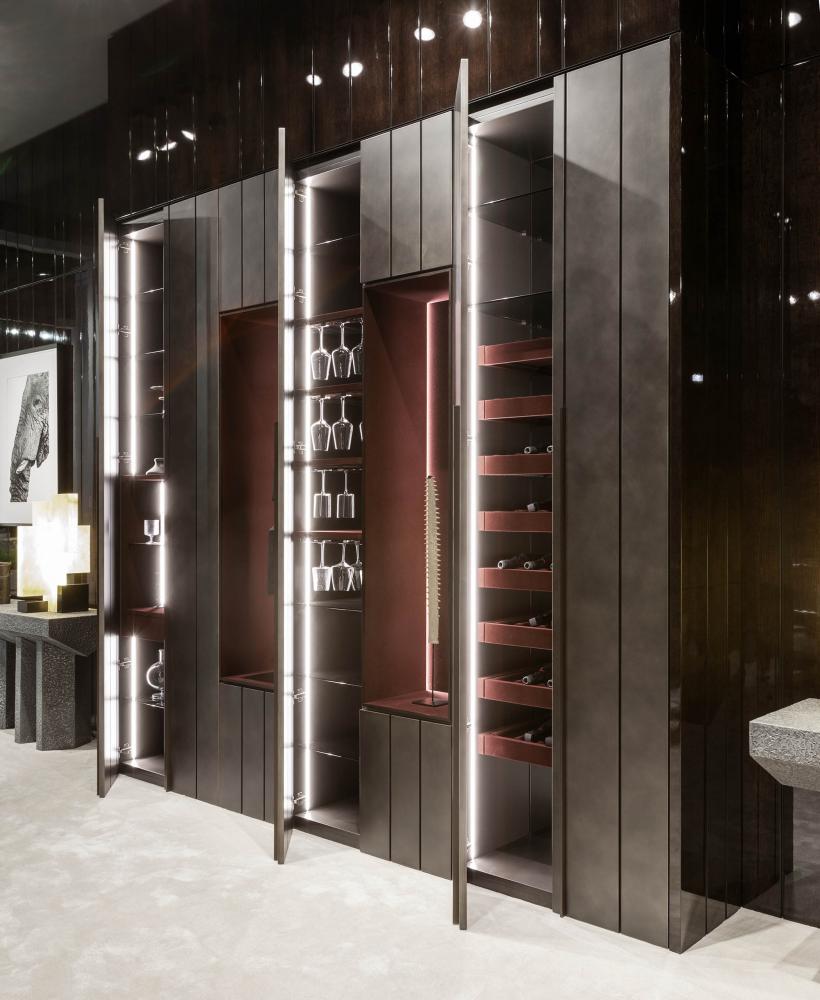
In entertaining-focused luxury homes, the modern wine wall has become one of the most desirable architectural features, especially in Miami villas, waterfront residences, New York penthouses, and design-led apartments where every visible surface is expected to contribute to the atmosphere of the home. Instead of hiding bottles in basements or service areas, homeowners are now bringing wine into living rooms, dining spaces, kitchens, lounges, private bars, and gallery-like corridors through glass enclosures, integrated lighting, custom cabinetry, stone surrounds, and architectural wall paneling.
The difference between ordinary bottle storage and a fully designed wine feature is intention. A luxury wine wall, home wine room, or glass wine cellar must balance visual impact, proper storage logic, and harmony with the surrounding interior, so the feature feels like part of the residence rather than an object added after the design is complete.
For this reason, wine room design belongs in the same conversation as custom millwork, fine furniture, wall panel systems, lighting, stone, and bespoke cabinetry. A homeowner may begin with the simple desire to display a collection, but the final result should feel more refined: a composed architectural feature that supports entertaining, adds depth to the room, and reflects the same level of finish found throughout the residence. This is where custom furnishings for luxury residences become especially important, because a wine wall is not only about holding bottles. It is about creating a complete design gesture around them.
What is the difference between a wine wall, a home wine room, and a wine cellar?
The terms wine wall, home wine room, and wine cellar are often used together, but they do not describe the same design solution. Each one serves a different purpose, requires a different amount of space, and creates a different visual effect inside the home. Understanding the difference helps homeowners, architects, and interior designers choose the right direction before materials, lighting, cabinetry, and climate systems are planned.
| Wine Feature | What It Is | Best For |
|---|---|---|
| Wine wall | A vertical wine display built into or against a wall. | Open-plan dining rooms, lounges, corridors, and compact luxury interiors. |
| Home wine room | A dedicated residential space for storing, displaying, and selecting wine. | Larger homes, villas, penthouses, collectors, and entertaining-focused residences. |
| Wine cellar | A storage-focused space planned around long-term bottle preservation. | Serious collections, valuable bottles, and stronger climate-control requirements. |
| Glass wine cellar | A glass-enclosed wine feature that combines display and separation. | Luxury condos, penthouses, dining areas, and homes where wine should stay visible. |
Why wine walls are becoming a luxury-home feature
Luxury homes are increasingly designed around entertaining, experience, and atmosphere. The kitchen, dining room, lounge, and bar are no longer always treated as separate functional zones. In many residences, they flow together, creating one continuous social environment where cooking, dining, hosting, conversation, and relaxation overlap.
A wine wall gives these spaces a visual anchor. It introduces depth, repetition, material contrast, and a sense of collection. It also communicates something personal about the homeowner. Unlike a purely decorative wall treatment, a wine wall has a relationship to how the home is used. It suggests dinners, gatherings, celebrations, quiet evenings, and a culture of hospitality.
In Miami, wine walls suit open, light-filled interiors where glass, stone, metal, and warm wood can create a refined hospitality feeling without making the home feel commercial. The challenge is balance. Miami residences often have intense natural light, large entertaining areas, and strong indoor-outdoor relationships, so a wine display must feel elegant without becoming visually loud or technically careless.
In New York, a wine wall or compact glass wine room can turn limited square footage into a high-value design moment. A narrow dining room wall, a passage between the kitchen and living area, or a compact lounge can become more memorable when wine storage is integrated with cabinetry, lighting, and architectural finishes. In this context, the wine wall is not only luxurious because it displays bottles. It is luxurious because it makes space work harder.
Wine walls are becoming desirable because they offer several advantages at once:
-
They turn a private collection into part of the interior architecture.
-
They create a natural conversation point during entertaining.
-
They add depth and texture to large blank walls.
-
They can connect dining, kitchen, lounge, and bar areas.
-
They allow designers to use stone, wood, glass, lighting, and metal in one feature.
-
They appeal to homeowners who want a boutique-hotel feeling inside a private residence.
The most successful examples do not feel like commercial wine displays copied into a home. They feel residential, refined, and proportioned. The scale is controlled. The lighting is warm. The materials belong to the rest of the interior. The cabinetry is planned with the same discipline as a kitchen, closet, or wall panel system.
This is why residential custom millwork is so important in wine room design. A luxury wine feature needs precision, alignment, finish coordination, and functional planning. Without that, even an expensive display can feel generic. With it, the wine wall becomes part of the home’s architecture.
Where a wine wall or wine room belongs in an open-plan home
Placement is one of the most important decisions in wine room design. A wine wall can be beautifully made, but if it is placed in the wrong location, it may feel disconnected from the way the home is used. The best location should support entertaining, protect the wine from unsuitable exposure, and create a natural visual relationship with the surrounding rooms.
In open-plan homes, the wine feature often works best near the spaces where people gather. It should feel close to dining, conversation, serving, and hospitality. At the same time, it should not block movement or overwhelm the room. A well-placed wine wall should feel like it was always part of the plan.
Between the dining room and living area
A wine wall between the dining room and living area is one of the strongest placements because it connects directly to dining, hosting, and conversation. It can act as a visual bridge between two zones without fully separating them. When glass is used, the feature can create definition while still preserving openness.
This is especially effective in homes where the dining room is visible from the main living space. A glass wine wall can frame the dining area, add vertical interest, and create a sense of ceremony around meals. It also gives the homeowner a practical advantage: bottles are close to the table, but the storage still feels designed rather than purely functional.
In a more formal residence, the wine wall may sit behind or beside the dining table, framed by stone, wood paneling, or custom cabinetry. In a more contemporary open-plan home, it may divide the living and dining zones with a glass enclosure that allows light to move through. The result is a feature that feels architectural rather than decorative.
Beside the kitchen or scullery
A wine display beside the kitchen or scullery is practical for homeowners who entertain often. Wine is close to preparation, serving, glassware, refrigeration, and cleanup. This placement also allows the wine feature to connect visually with kitchen cabinetry, full-height storage, stone counters, and appliance walls.
The key is to avoid making the wine wall feel like an appliance zone. Even when refrigeration or climate control is involved, the feature should be softened through millwork, paneling, glass, and lighting. A wine wall beside the kitchen can include closed cabinetry for accessories, open display for selected bottles, and a stone-topped surface for pouring or staging.
In larger homes, the scullery or back kitchen may support the practical side of entertaining, while the visible wine wall remains refined and composed. In apartments and penthouses, the wine display may become part of a kitchen-adjacent dining wall, allowing one compact feature to serve several functions.
Inside a private lounge or entertainment room
A wine wall or home wine room inside a private lounge creates a more intimate atmosphere. This placement is ideal for residences with media rooms, cigar lounges, private bars, libraries, collector spaces, or lower-level entertainment areas. Here, the wine feature can feel darker, richer, and more immersive.
The design language may include deeper woods, bronze or blackened metal, stone surfaces, wall paneling, and lower lighting levels. Instead of acting as a bright display in an open living space, the wine room can feel more private and collected. It can support evenings with guests, tastings, or quiet moments away from the main social areas of the home.
This type of placement also allows more freedom in mood. A dining-adjacent wine wall may need to feel elegant and restrained, while a private lounge can support a more dramatic palette.
Along a corridor or transitional wall
A long hallway or transitional wall can become more valuable when transformed into a gallery-like wine display. This is especially useful in New York apartments and penthouses where a full home wine room may not be possible. Instead of treating the corridor as leftover space, the designer can give it purpose, depth, and visual rhythm.
A corridor wine wall can be narrow, vertical, and highly controlled. Glass-fronted sections, metal bottle supports, integrated lighting, and paneled surrounds can turn movement through the home into a curated experience. The display does not need to be large to feel luxurious. In fact, a smaller wine wall can be more elegant when it is carefully proportioned.
This placement works best when sightlines are considered. The wine wall should be visible from important approach points, such as the entry, dining area, kitchen, or lounge. It should also be lit in a way that creates atmosphere without turning the corridor into a showroom.
As part of a residential bar area
Some homeowners pair wine display with a home bar, especially in residences designed for entertaining. This can work beautifully when the feature remains residential in tone. The goal is not to recreate a nightclub or restaurant back bar inside the home, but to create a refined hosting zone with cabinetry, stone, lighting, glassware storage, and a curated bottle display.
A residential bar area may include a wine wall, refrigerated storage, closed cabinetry, open shelving, a sink, stone surfaces, and comfortable seating nearby. It can connect to a lounge, dining room, outdoor terrace, or media room. The wine display should feel integrated with the surrounding millwork rather than treated as a separate feature.
MATERIA’s work also extends into hospitality and refined commercial environments, where bar and wine features require a different design language. For that venue-focused perspective, luxury bar millwork and wine walls belong in a separate conversation. In a private residence, the better approach is usually quieter, more personal, and more closely connected to the homeowner’s way of living.
Glass-enclosed wine displays: visibility, reflection, and climate separation
A glass wine cellar or glass-enclosed wine room allows the collection to remain visible while separating it from the main living environment. This creates a sense of transparency and drama, especially when the lighting is handled carefully. The bottles are protected within a defined volume, but they still contribute to the atmosphere of the living, dining, or lounge area.
Glass is one of the reasons wine rooms have moved out of basements and into the most visible parts of luxury homes. It allows the wine collection to become architectural without making the floor plan feel closed. In open-plan residences, a glass enclosure can divide zones while preserving visual connection. In a compact apartment, it can add depth without adding heaviness. In a villa, it can turn a dining or entertainment area into a more memorable experience.
The design benefits are clear:
-
The room feels open rather than heavy.
-
The collection becomes part of the visual composition.
-
Glass reflects stone, wood, and metal finishes beautifully.
-
It can divide spaces without making the floor plan feel smaller.
-
It supports a gallery-like residential aesthetic.
However, glass also requires discipline. Because it reveals everything, every detail matters. The racking must be organized. The lighting must be controlled. The bottle orientation must look intentional. The surrounding materials must be coordinated. A poorly planned glass wine cellar can expose clutter, glare, uneven lighting, and technical elements that should have been concealed.
The most elegant glass-enclosed wine displays often use a restrained material palette. Instead of combining too many finishes, they may use one dominant wood tone, one metal accent, one stone surface, and carefully integrated lighting. This allows the bottles to provide visual detail while the architecture remains calm.
There are also practical considerations. If the glass wine cellar is climate-controlled, the glass, door system, seals, and mechanical planning must be coordinated early. The enclosure cannot be treated as a simple decorative partition. Doors and seals matter. Ventilation matters. Lighting should avoid harsh heat and glare. Sunlight exposure should be studied carefully, especially in bright Miami interiors or high-rise residences with large windows.
Visibility should also be planned from the main viewing angles. A wine room may look beautiful in a rendering, but the real test is how it appears from the dining table, kitchen island, lounge seating, entry corridor, or main circulation path. Bottle orientation and label visibility affect the final impression. Some homeowners prefer label-forward displays for readability. Others prefer neck-out storage for rhythm and density. Some designs combine both, using feature bottles as visual highlights and denser storage for the rest of the collection.
A glass wine cellar is most successful when it feels light, precise, and integrated. It should not look like a separate technical box inside the home. It should feel like a designed volume made from glass, millwork, stone, light, and proportion.
Wine display cabinetry: the furniture approach to bottle storage
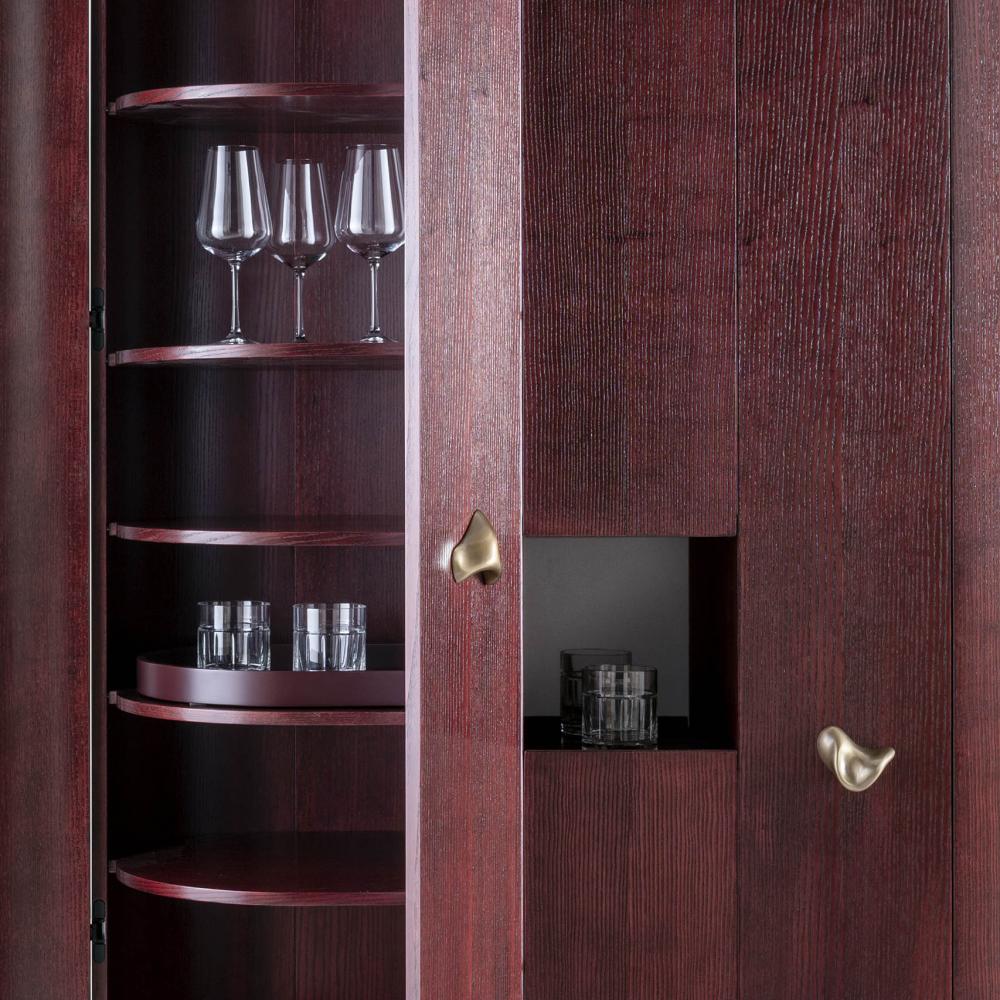
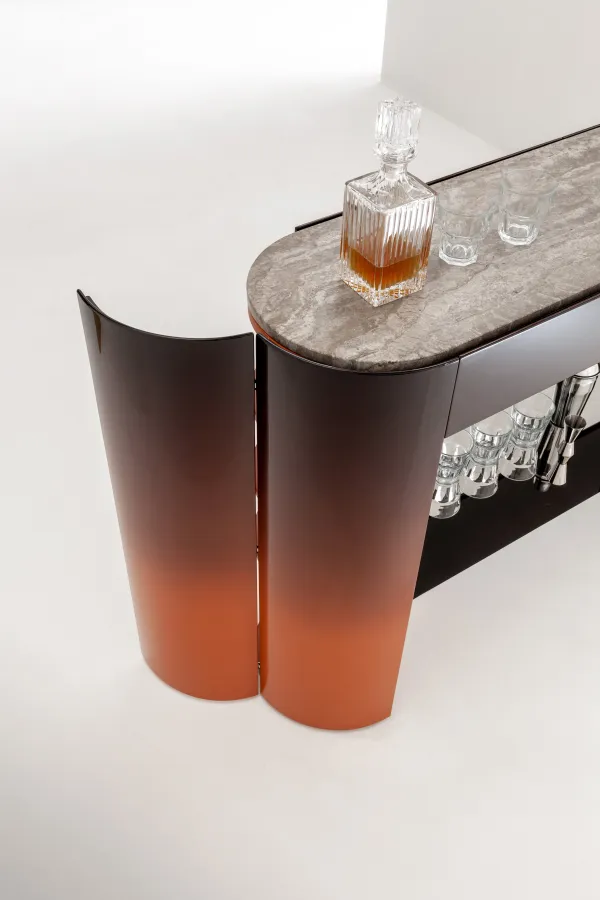
A high-end wine wall should be designed like bespoke furniture, not like a rack attached to a wall. This distinction changes the entire result. A rack solves the basic problem of holding bottles. Wine display cabinetry solves a larger design problem: how to store, show, serve, conceal, illuminate, and integrate wine within the architecture of a luxury residence.
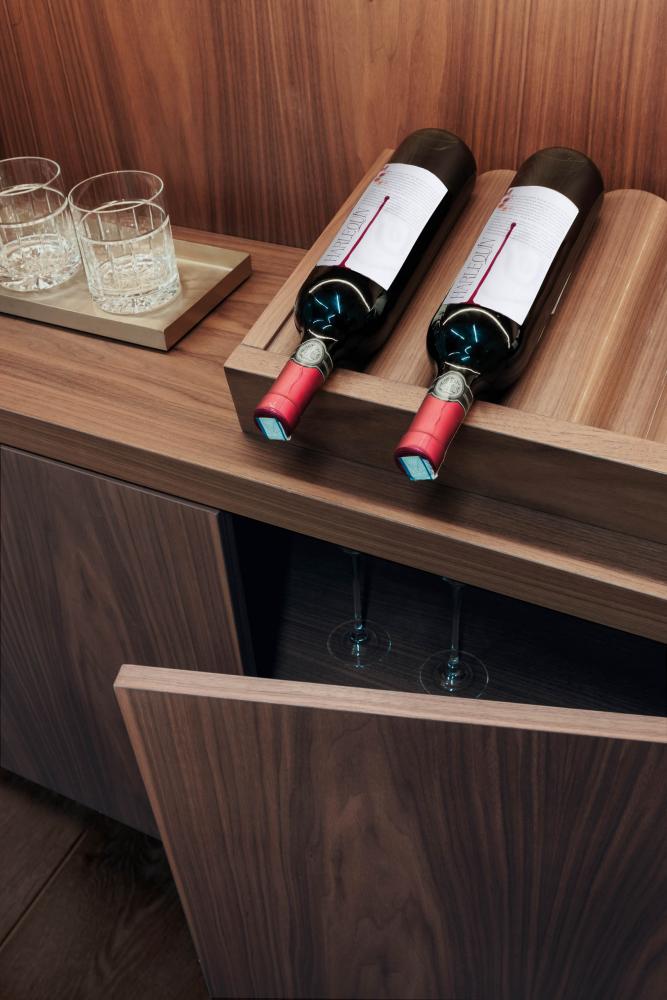
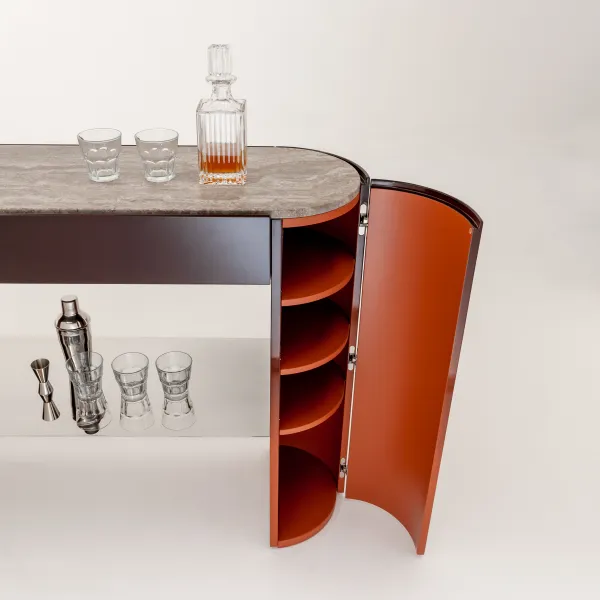
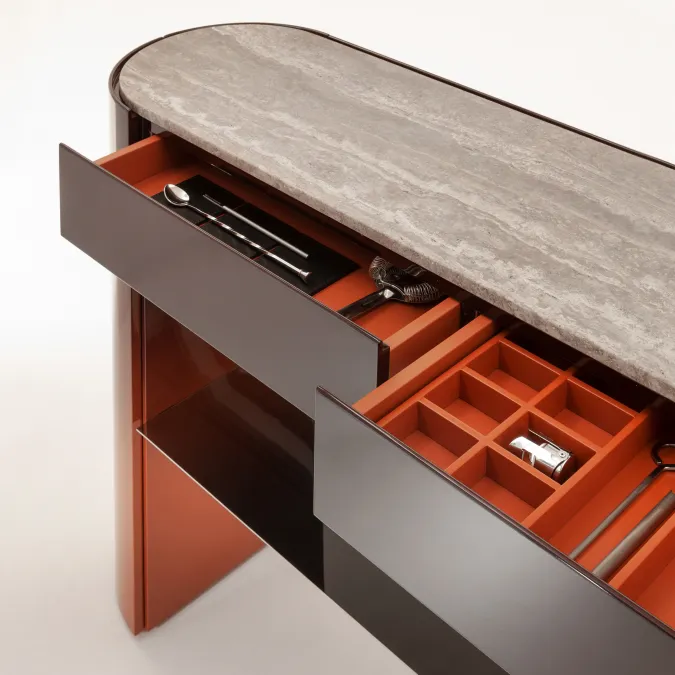
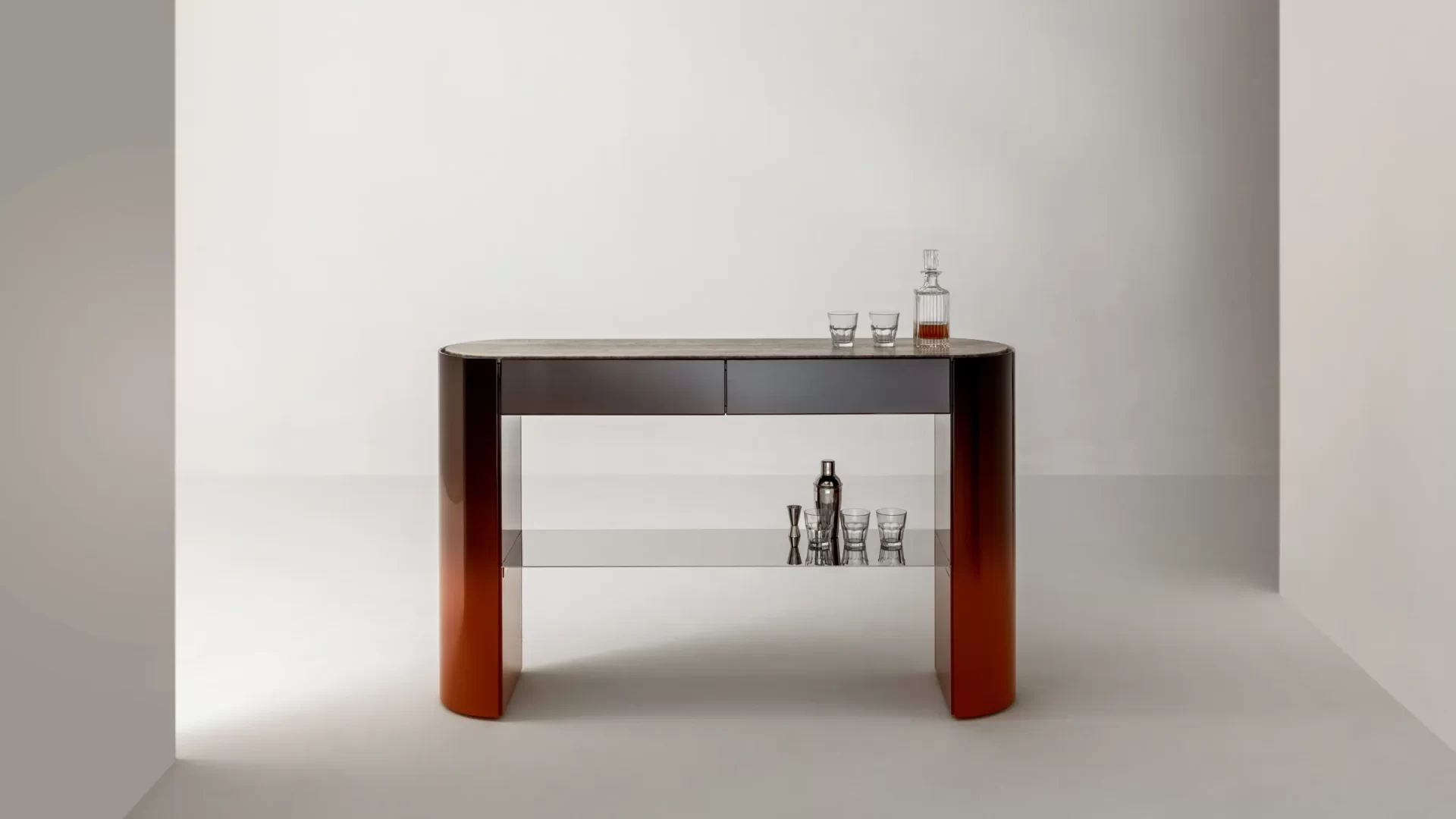
Wine display cabinetry can include display shelves, drawers, concealed storage, decanting surfaces, integrated refrigeration, glassware storage, and closed compartments for accessories. It may be full-height and architectural, or lower and more furniture-like. It may surround a central glass wine display, sit beneath a vertical wine wall, or connect the wine feature to a dining room, lounge, kitchen, or private bar.
This is where MATERIA’s broader design language becomes especially relevant. Italian wardrobes, cabinet systems, sideboards, consoles, wall units, and art-like storage pieces all share the same underlying concern: proportion, material quality, craftsmanship, and the relationship between function and beauty. A wine feature should be approached with the same level of care.
The best wine display cabinetry may include:
-
full-height cabinetry around a central glass display
-
low sideboard-style storage below a vertical wine wall
-
push-pull fronts for a clean, handleless look
-
metal inlays or refined trim around the display
-
veneer-matched doors and panels
-
concealed drawers for tools, linens, and serving pieces
-
stone-topped cabinetry for pouring or staging bottles
A full-height solution can make the wine wall feel architectural. The display may be framed by closed cabinetry, open shelves, or paneled sections that align with the room’s doors, wall panels, or kitchen storage. This approach is especially effective when the wine wall occupies a major wall in a dining or lounge area.
A low sideboard-style solution can feel more relaxed and residential. It allows the wine display to sit above a furniture-like base, with drawers or cabinets below for accessories. This can be ideal for dining rooms where the homeowner wants storage for linens, serving pieces, decanters, openers, candles, or glassware. The base can be finished in wood veneer, lacquer, metal accents, stone, or a combination of materials that connect to the rest of the interior.
Push-pull fronts are especially useful when the goal is a clean and uninterrupted surface. Handles can be beautiful, but in a wine room or wine wall composition, they may compete with the bottle display, metal racking, glass reflections, or stone veining. A handleless approach allows the cabinetry to remain calm and architectural.
Metal inlays and refined trim can add structure without becoming decorative in a loud way. A thin brass, bronze, or dark metal line can define the edge of a display, separate materials, or echo nearby lighting and furniture details. This kind of detail is subtle, but it is often what makes a wine wall feel custom.
Veneer-matched doors and panels are also important. If the wine display is placed near kitchen cabinetry, wall panels, or fine furniture, the direction of the grain, the tone of the finish, and the proportion of the panels should feel intentional. This is especially important in open-plan residences, where several design elements are visible at once.
MATERIA’s Italian cabinet systems offer a useful reference point for this type of thinking because luxury storage is never only about capacity. It is about how the storage lives inside the room. The same principle applies to wine display cabinetry. The feature should hold bottles, but it should also support the architecture around it.
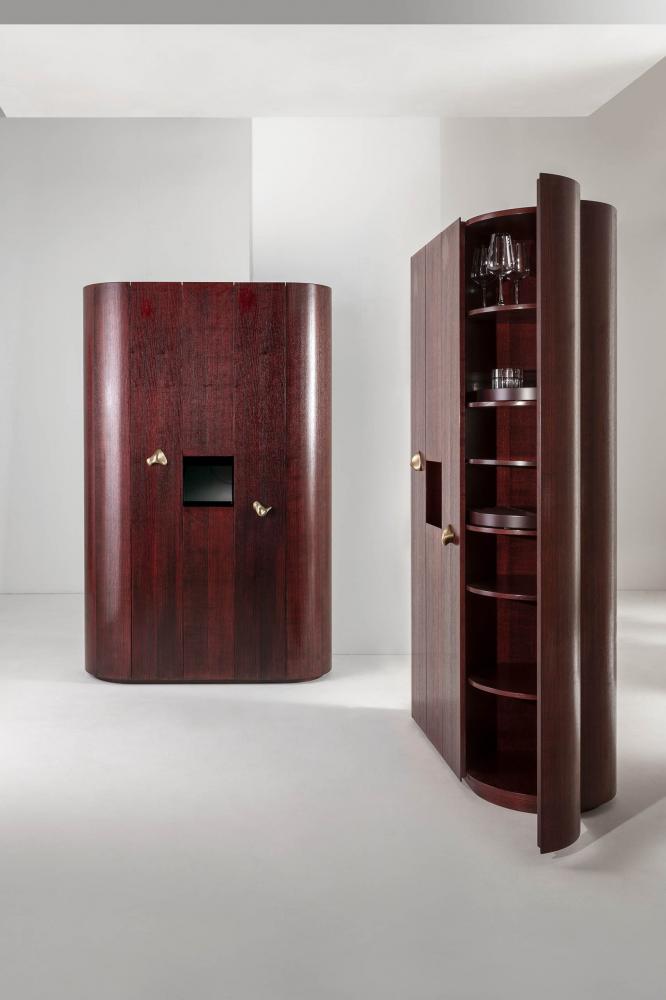
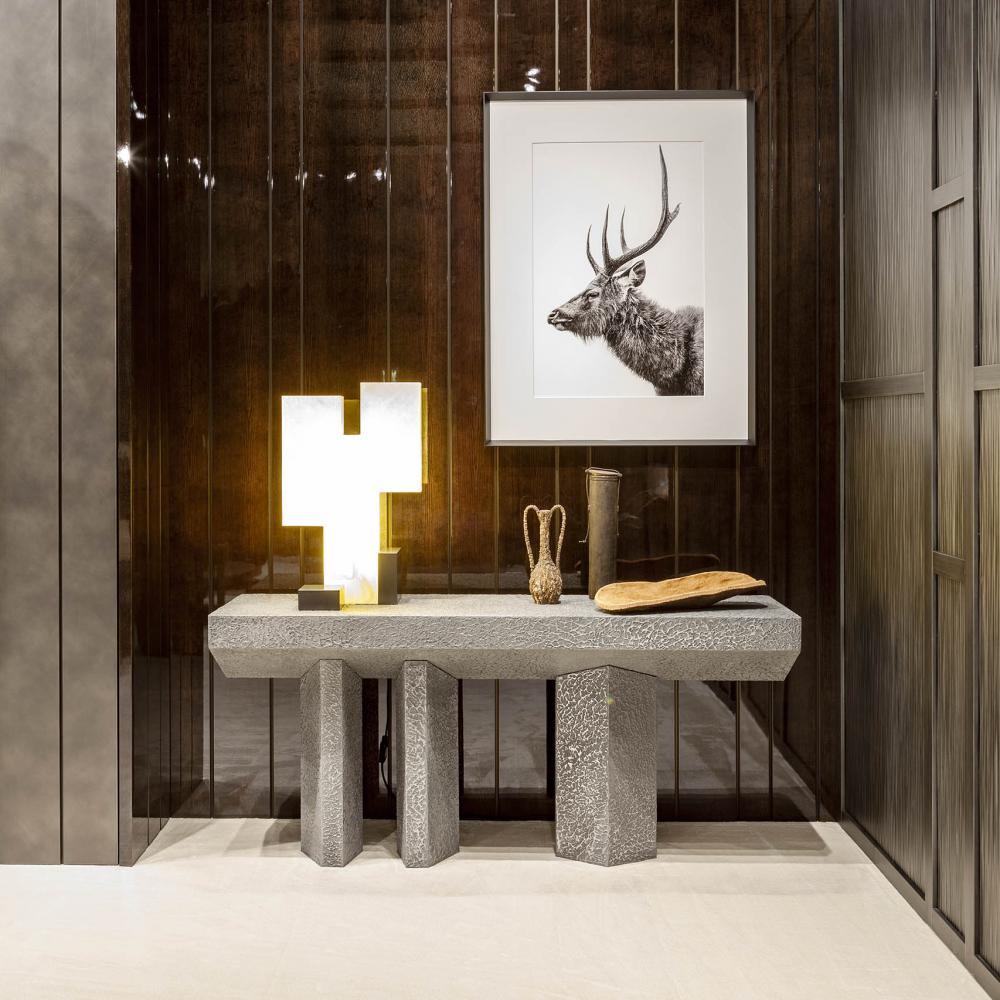
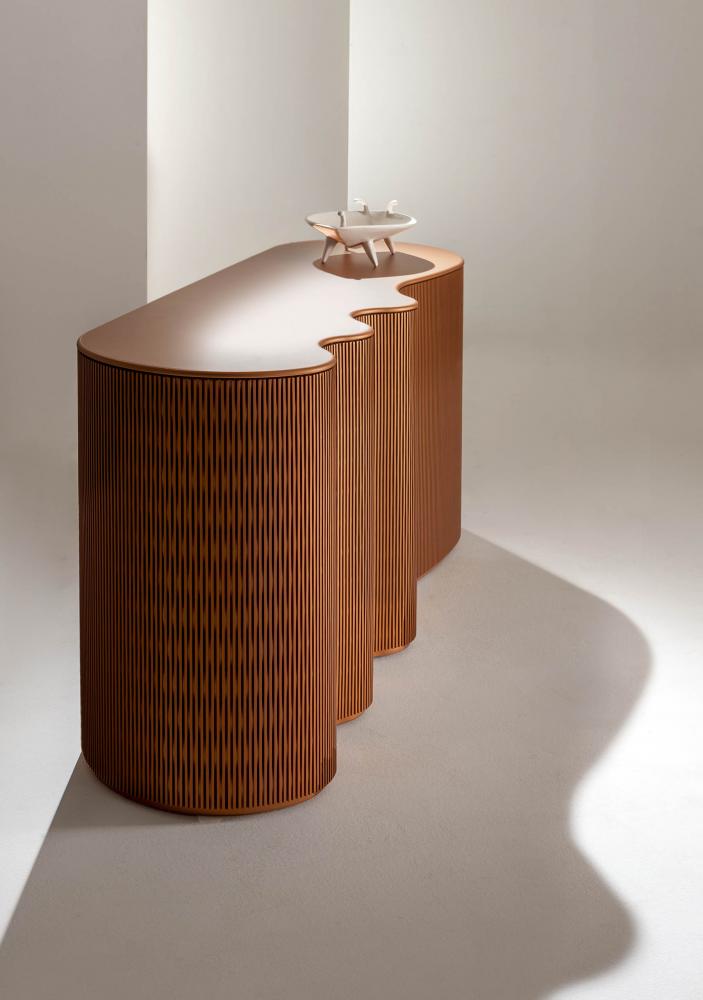
The connection to the fine furniture collection is equally important. MATERIA’s sideboards, consoles, and art-inspired storage pieces show how furniture can become a design statement while still remaining functional. That idea translates naturally to wine room design. A wine wall can be practical, but it should also have the presence of a crafted object. It should feel considered from every angle: the display, the base cabinetry, the surrounding panels, the lighting, the hardware, and the relationship to nearby furniture.
A luxury wine wall is strongest when it is designed as part of the residence’s larger furniture and millwork language. The cabinetry should not feel like a product selected after the room was finished. It should feel built into the idea of the room from the beginning.
Materials and finishes that make a residential wine wall feel luxurious
The success of a wine wall depends heavily on the materials around it. Bottles naturally provide color, repetition, glass reflection, label detail, and visual rhythm, but the frame around the collection determines whether the feature feels architectural or merely decorative. A basic rack can hold wine. A luxury wine wall must do more: it must belong to the room, support the architecture, and feel intentional from every viewing angle.
In a refined residence, the surrounding finishes should make the wine display feel integrated with the larger interior language. Stone can add permanence. Wood veneer can add warmth. Metal can define edges and proportions. Glass can introduce transparency. Lighting can reveal depth. When these elements are planned together, the wine feature becomes part of the home’s atmosphere rather than a separate storage element.
Book-matched stone and stone surrounds
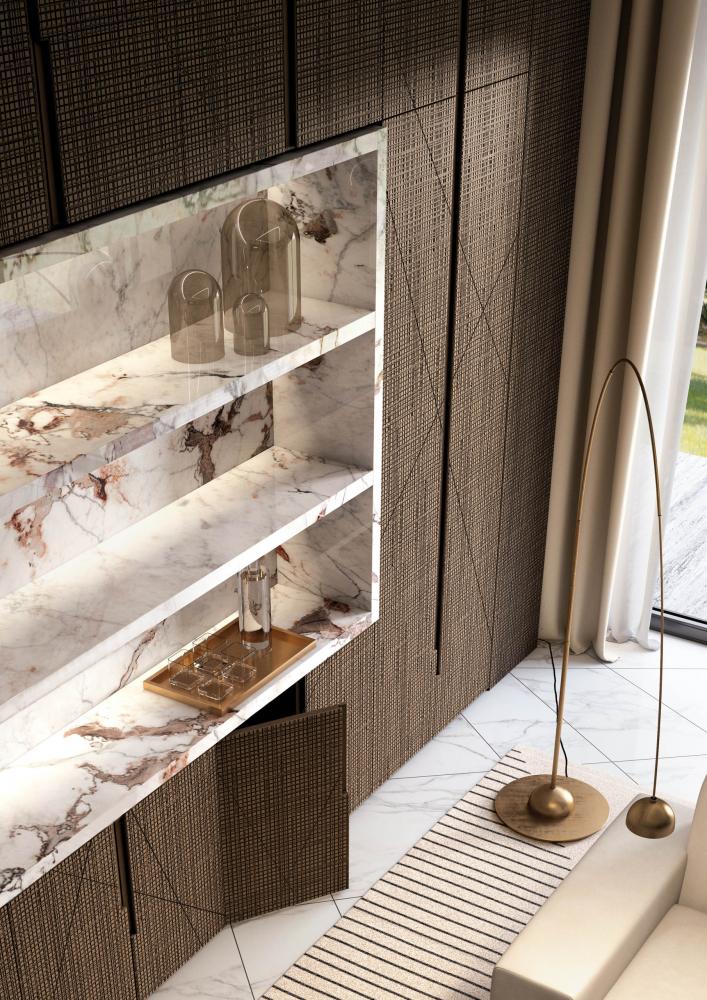
Stone gives a wine wall a sense of permanence, depth, and architectural drama. It can make the display feel more substantial, especially when the wine feature is placed in a dining room, lounge, kitchen-adjacent area, or glass-enclosed wine room. In luxury residences, stone is often what separates a simple bottle display from a true design statement.
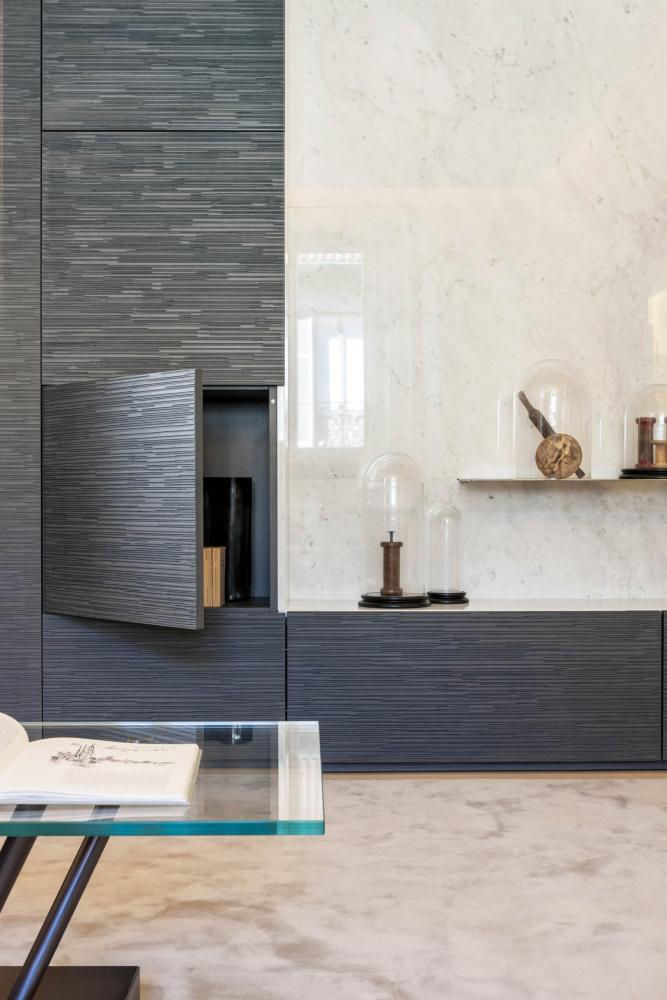
Book-matched marble can create a dramatic focal point behind glass, where the natural veining becomes part of the visual composition. Quartzite can offer a quieter, more durable sense of luxury, especially in homes where the wine wall connects to kitchen or bar surfaces. Onyx-like effects can bring a more luminous quality when paired with controlled lighting, although they must be used carefully so the result does not feel overly decorative.
Stone can be used in several ways within a residential wine wall:
-
as a back wall behind the bottle display
-
as a side surround that frames the glass enclosure
-
as a countertop surface below the wine wall
-
as a tasting ledge for staging bottles and glassware
-
as a visual bridge to kitchen, dining, or bar materials
A stone-framed wine display works particularly well when the same or related stone appears elsewhere in the residence. For example, a wine wall near a kitchen can echo the island surface. A dining room wine display can relate to a sideboard top or fireplace surround. A private lounge can use stone to create a richer, more intimate atmosphere.
The key is proportion. Stone should not overwhelm the wine collection. It should create a frame, rhythm, or background that allows the bottles to stand out. When the veining is too busy, the bottle labels, glass reflections, and lighting can compete with the stone. When the stone is chosen with restraint, it gives the entire feature a quieter and more enduring luxury.
Veneer and wood paneling
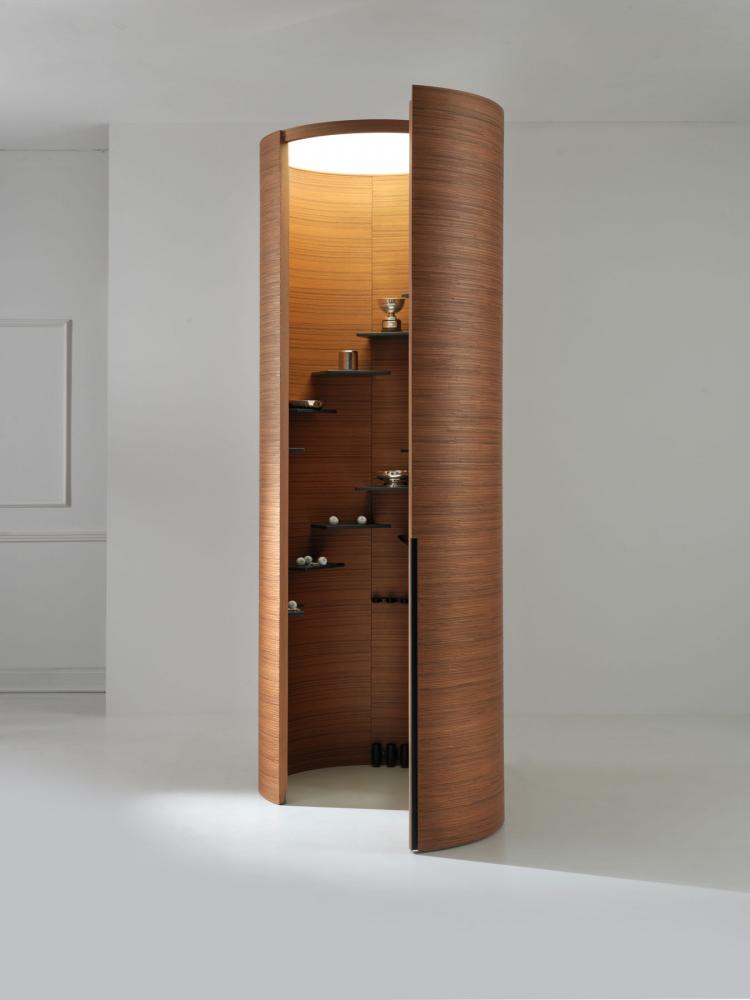
Warm wood veneer softens the technical nature of glass, metal racking, climate systems, and refrigeration. This is especially important in residential wine room design because the feature must feel like part of a home, not like a commercial storage installation. Wood brings tactility, warmth, and calm. It also helps connect the wine wall to cabinetry, doors, furniture, flooring, and wall panel systems.
A glass wine cellar can feel cold if it is surrounded only by glass, metal, and stone. Wood veneer changes that immediately. It gives the display a more intimate character and allows the wine feature to feel collected rather than engineered. Darker woods can create a private lounge atmosphere. Lighter woods can make a wine wall feel more contemporary and architectural. Exotic wood veneers can bring a richer sense of craft when used with precision.
MATERIA Collection’s design language is especially relevant here because the brand works with natural materials, exotic woods, artisan finishes, and precise installation. These qualities matter in wine wall design because the details are highly visible. Grain direction, panel alignment, edge transitions, lighting channels, and glass junctions all affect the final impression.
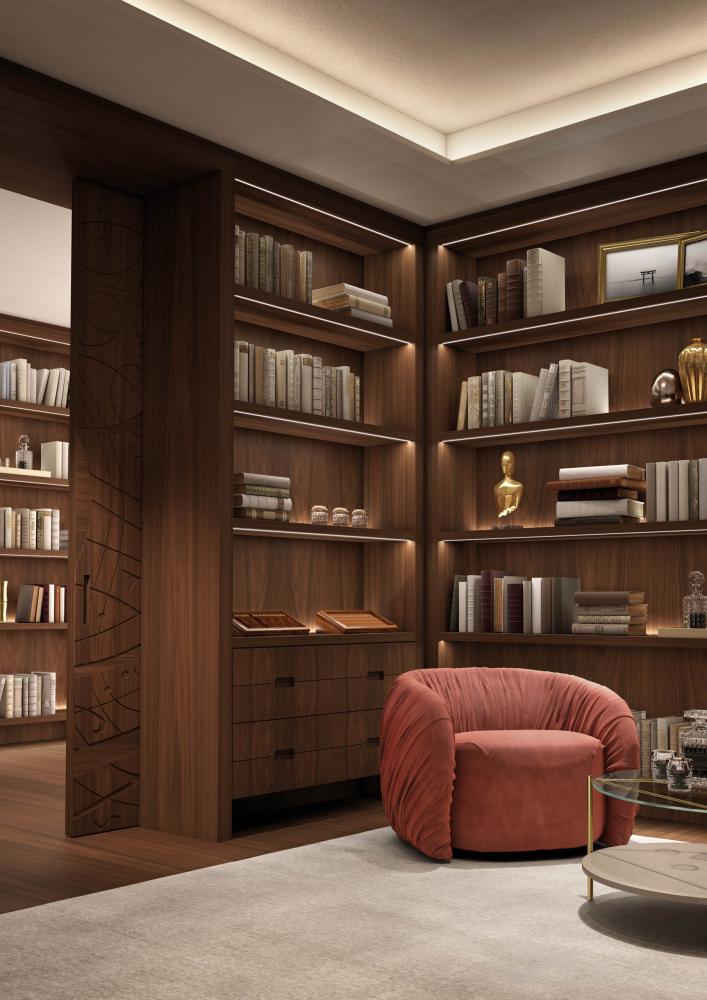
Wood paneling can also extend beyond the wine display itself. A wall behind the dining room can become a continuous architectural surface, with the wine wall integrated into it. A corridor can be paneled so the wine feature appears carved into the architecture. A private lounge can combine full-height wood panels, concealed doors, and a glass wine display to create a more immersive experience.
This is where Italian wall panel systems become an important design reference. A wine wall does not have to sit on a plain painted wall. It can be framed by paneling, wrapped in veneer, set into a decorative wall system, or aligned with surrounding architectural surfaces so the entire room feels resolved.
Metal inlays and refined hardware
Metal should be used with restraint in a luxury wine wall. The goal is not shine for its own sake. The goal is definition. Brass, bronze, blackened metal, and other refined metal finishes can create thin lines, edges, supports, and transitions that give the feature structure.
Metal bottle supports can create a lighter visual effect than traditional wood racking. They allow bottles to appear suspended or precisely arranged, which works well in contemporary residences. Thin metal trim can frame glass doors, define vertical divisions, or separate stone from wood. Metal inlays can also echo other details in the home, such as lighting fixtures, door hardware, furniture legs, or cabinet accents.
The most successful metal details are subtle. A bronze edge around a glass wine display can feel warmer than polished chrome. Blackened metal can create depth without becoming visually loud. Brushed brass can add softness when paired with darker wood and stone. The finish should be selected in relation to the entire residence, not only the wine wall.
Metal is also useful because it sharpens proportions. In a large wine wall, thin vertical lines can create rhythm. In a compact display, metal can give the feature a jewel-like precision. In a glass wine cellar, metal frames can help the enclosure feel architectural rather than purely transparent.
Matte and tactile finishes
Luxury wine rooms often look best when finishes are restrained rather than glossy. High shine can create too many reflections, especially when glass, bottles, and lighting are already part of the composition. Matte wood, softly veined stone, dark metal, leather-like textures, and warm indirect light often produce a more sophisticated result.
A matte finish allows the eye to focus on proportion, material quality, and the wine collection itself. It also helps the feature feel more residential. This is particularly important in open-plan homes, where the wine wall may be visible from the kitchen, dining room, lounge, and entry. A highly reflective surface can feel distracting from several angles. A softer finish is easier to live with.
Tactile surfaces also add depth. A textured wall panel, brushed metal line, honed stone, or open-grain veneer can make the wine feature feel crafted. These finishes do not need to shout. They create quiet richness through touch, shadow, and close-up detail.
The strongest wine wall material palettes often combine:
-
matte or satin wood veneer
-
honed or softly polished stone
-
bronze, brass, or blackened metal details
-
glass used for visibility and separation
-
integrated lighting that reveals texture
This approach aligns naturally with a luxury material palette for 2026, where veneer, metal inlays, stone composites, and refined surfaces are used to create depth without excess. For a residential wine wall, the best finish strategy is not the loudest one. It is the one that makes the feature feel timeless, architectural, and deeply connected to the home.
Climate basics: what homeowners should know before designing a wine room
Decorative display
A decorative wine display is usually intended for bottles that are consumed regularly and replaced often. It may be located near a dining room, lounge, kitchen, or residential bar area. In this case, the wine wall may not need the same technical planning as a serious storage room, but placement still matters.
Even for a decorative display, wine should not be exposed to strong direct sunlight, excessive heat, or unstable conditions. A beautiful wine wall placed in the wrong location can create problems. The design should consider nearby windows, kitchen heat, exterior doors, and lighting intensity.
A decorative wine wall works best when it is treated as part of the entertaining environment. It should display selected bottles beautifully, provide convenient access, and include nearby storage for tools, glasses, or serving pieces.
Climate-conscious wine wall
A climate-conscious wine wall is a more serious design solution. It may not function like a full traditional cellar, but it should consider the conditions around the bottles. This is especially important when the homeowner wants to display higher-value wines or keep bottles for longer periods.
For this type of feature, the design should consider temperature stability, sunlight exposure, ventilation, insulation, and enclosure quality. Glass may need to be coordinated with climate needs. Doors and seals may matter. Mechanical planning may influence how the cabinetry is built.
A climate-conscious wine wall should be designed early, not added after the room is finished. If the feature is planned too late, the design may have to compromise between appearance and performance. Early planning allows the glass, millwork, stone, lighting, and technical requirements to work together.
Dedicated home wine room or cellar
A dedicated home wine room or cellar is the best option for serious collectors, larger collections, and bottles intended for longer storage. In this case, the room should be planned with greater technical care. Mechanical systems, insulation, glass specifications, door systems, humidity considerations, lighting, and ventilation may all become part of the design conversation.
This does not mean the room has to feel technical. A dedicated wine room can still be beautiful, warm, and highly residential. The difference is that the design must respect the collection. A glass wine cellar can be visually dramatic, but for serious storage it must also be carefully planned.
Exact specifications should be confirmed with the appropriate wine-storage or climate-control professionals. The role of the design team is to coordinate the aesthetic, spatial, and millwork decisions with the technical requirements so the final room works as a complete system.
The most helpful approach is honest planning. Not every homeowner needs a fully engineered cellar. Not every wine wall needs the same level of climate control. But every luxury wine feature should be designed with a clear understanding of how the wine will be stored, displayed, and used.
How to integrate a wine wall with the rest of the residence
A wine wall should never look like an isolated insert. The strongest luxury interiors connect the wine feature to surrounding millwork, wall systems, kitchen cabinetry, residential bar cabinetry, dining furniture, flooring, lighting, and architectural lines. When this coordination is missing, even expensive materials can feel disconnected.
Integration begins with proportion. The wine wall should align with the room’s architecture. It may line up with door heights, cabinet modules, ceiling details, panel divisions, or furniture placement. These relationships are subtle, but they are what make the feature feel built into the home rather than applied to it.
Material continuity is equally important. A wine display beside the kitchen may repeat the island stone or cabinet veneer. A dining room wine wall may relate to a nearby sideboard, console, or wall panel system. A private lounge may repeat metal accents used in lighting or furniture. These connections help the eye understand the wine feature as part of a complete interior.
Strong integration can include:
-
matching veneer direction with nearby cabinetry
-
repeating metal finishes used in doors, lighting, or furniture
-
continuing wall paneling around the wine feature
-
using stone that relates to kitchen island or bar surfaces
-
aligning the wine display with architectural lines
-
designing storage below or beside the display for serving pieces
-
placing consoles, sideboards, or dining furniture nearby to complete the hosting zone
The area around the wine wall matters as much as the display itself. A wine feature near a dining table may benefit from a sideboard or console for serving. A wine wall in a lounge may need integrated storage for glassware and accessories. A corridor wine display may require paneling or lighting that makes the transition feel intentional.
MATERIA’s experience with wall paneling, fine furniture, cabinet systems, lighting, doors, kitchens, and bespoke projects makes this whole-interior coordination especially relevant. A wine wall is not a single object. It is a meeting point between several design disciplines: furniture, architecture, lighting, storage, glass, stone, and material detailing.
This is why the best residential wine walls are planned early. When the wine feature is included in the initial design concept, it can be aligned with cabinetry, walls, floors, lighting, and furniture. When it is added late, it often has to fight the room instead of completing it.
Residential wine walls in Miami and NYC luxury homes
Miami residences
In Miami, wine walls work beautifully in waterfront villas, luxury condos, penthouses, and open-plan homes designed for entertaining. These residences often include large living areas, bright dining spaces, expansive kitchens, terraces, and strong relationships between indoor and outdoor environments. A wine feature can become a natural part of that hospitality-focused lifestyle.
The design challenge in Miami is light. Natural light can be one of the home’s greatest luxuries, but it must be considered carefully when wine is displayed. A glass wine cellar or open wine wall should not be placed where direct sunlight creates heat, glare, or storage concerns. This is especially important in waterfront residences and high-rise condos with large windows.
Miami interiors often benefit from warm restraint. Glass and stone can create elegance, but wood, paneling, and soft lighting help the feature feel residential. A wine wall framed by veneer, honed stone, bronze details, and low-glare lighting can create a refined atmosphere without becoming too commercial.
For villas and larger homes, a dedicated home wine room may connect to a dining area, lounge, or private bar. For condos and penthouses, a compact glass wine wall may provide the same sense of luxury in a smaller footprint.
New York residences
In New York, wine walls often need to deliver maximum impact with limited space. Penthouses, townhouses, and luxury apartments may not have room for a full dedicated wine room, but a compact wine wall can still create a powerful design moment.
A dining room wall, kitchen-adjacent niche, corridor, or lounge area can become a highly functional and visually rich wine display. A glass-enclosed wine feature can add depth without closing the space. Built-in wine display cabinetry can add storage while maintaining a clean architectural appearance.
New York interiors also reward precision. Because square footage is more controlled, every inch must feel intentional. The wine wall should not interrupt circulation, crowd the dining area, or compete with other features. It should be scaled carefully, aligned with surrounding millwork, and integrated with furniture and lighting.
A compact glass wine cellar can be especially effective in a penthouse or luxury apartment because it creates a sense of depth and reflection. It can make a dining area feel more layered, a corridor feel more valuable, or an open-plan living space feel more complete.


How MATERIA Collection approaches wine walls and home wine rooms
MATERIA Collection is positioned to help designers and homeowners think beyond a simple wine rack. A residential wine wall is not only a storage solution. It is a custom feature that may involve Italian design influence, wall panel systems, cabinet systems, fine furniture, luxury finishes, natural materials, artisan techniques, lighting, glass, stone, and precise installation.
Inspired by Italian design and its history, MATERIA Collection opened its showroom in Bay Harbor Islands, Florida, in 2016. The brand presents wall paneling, unique custom surfaces, furniture, kitchen cabinets, lighting, and doors, making it especially relevant for wine room design, where several design categories must come together in one feature.
A wine wall may need the warmth of wood paneling, the precision of cabinetry, the drama of stone, the softness of lighting, the transparency of glass, and the refinement of fine furniture. These elements cannot be treated separately. They must be composed.
MATERIA works with prominent designers on bespoke projects across private residences, luxury apartments, refined restaurants, corporate offices, and boutiques. That range of experience matters because residential wine features often borrow the atmosphere of hospitality while remaining deeply personal to the home. The goal is not to make a private residence feel like a commercial venue. The goal is to bring a sense of refinement, hosting, and material richness into the home in a controlled way.
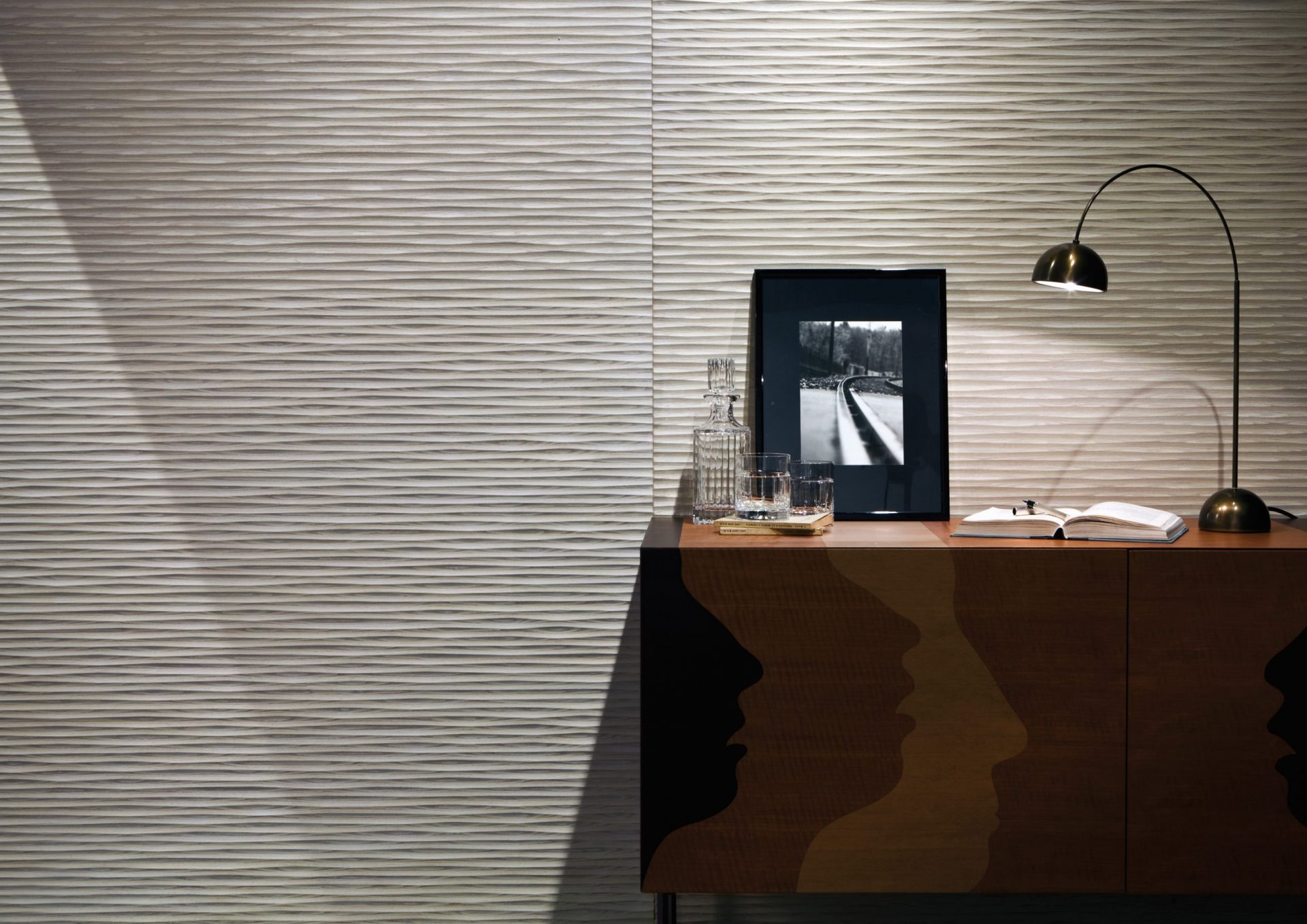
The brand’s work with exotic woods, natural stone, metals, artisan finishes, and precise installation supports the idea that a wine wall can be more than a storage feature. It can become a crafted architectural statement. MATERIA’s fine furniture and Intarsia-inspired pieces also show how furniture can move beyond function and approach art. That same thinking applies to luxury wine display: the feature should hold bottles, but it should also have presence, proportion, and a sense of authorship.
For homeowners and designers exploring custom furnishings for luxury residences, a wine wall can become part of a wider design language that includes cabinetry, wall panels, sideboards, consoles, doors, lighting, kitchens, and bespoke surfaces. Through residential custom millwork, the wine feature can be planned not as an isolated installation, but as part of the architecture of the residence.
For homeowners, designers, and architects, MATERIA Collection offers a refined path toward custom residential wine walls and home wine rooms shaped by Italian millwork, wall systems, cabinetry, fine furniture, stone, metal, lighting, and a sophisticated material palette. The result should not feel installed after the fact. It should feel collected, composed, and built into the life of the home.
Frequently Asked Questions - Commercial Interior Millwork
What is included in commercial interior millwork?
Commercial interior millwork typically includes custom-built architectural and decorative elements such as wall panel systems, integrated doors, reception features, built-in shelving, display systems, cabinetry, storage solutions, and other made-to-measure interior surfaces. In higher-end projects, it may also involve acoustic panels, decorative wall treatments, luxury bathroom cabinetry, kitchen systems, and coordinated surface details that shape the overall identity of the space.
What materials are best for commercial wall panel systems?
The best material depends on the type of commercial environment and the performance requirements of the project. Wood is often chosen for warmth and timeless elegance, metal for architectural precision and durability, marble or stone-effect surfaces for prestige and visual impact, fabric and acoustic materials for comfort and sound control, and decorative coverings for targeted visual transformation. In luxury interiors, mixed-material panel systems are often the most effective because they combine aesthetics and function more comprehensively.
How much does custom commercial millwork cost in 2026?
Custom commercial millwork cost in 2026 depends on the scope of the project, the material selection, finish complexity, level of customization, installation difficulty, and the degree of integration required. Projects with bespoke detailing, imported materials, integrated lighting, concealed doors, or acoustic functions typically cost more than simpler decorative applications. A more accurate way to evaluate cost is to consider long-term value, durability, and the role of millwork in brand perception rather than focusing only on initial fabrication price.
Are wall panel systems suitable for offices and restaurants?
Yes, wall panel systems are highly suitable for both offices and restaurants because they combine visual sophistication with practical performance. In offices, they can support reception design, executive paneling, acoustic improvement, and integrated storage. In restaurants, they can help create ambience, define focal points, reinforce brand character, and protect walls in high-traffic areas. Their adaptability is one of the main reasons they are so widely used in premium commercial interiors.
What is the difference between wall treatments and wall panel systems?
Wall treatments is a broader category that can include wallpaper, Venetian plaster, decorative coverings, and other surface-applied finishes. Wall panel systems are typically more architectural and structured, often involving physical panel compositions made from materials such as wood, metal, marble-effect surfaces, or fabric. In many cases, wall panel systems can also integrate practical elements like shelving, storage, doors, and acoustic functions, which makes them more multifunctional than simpler wall treatments.
Why choose made-to-measure millwork instead of ready-made products?
Made-to-measure millwork offers a more precise and valuable solution because it is designed around the exact dimensions, brand identity, functional needs, and architectural conditions of the space. It can integrate storage, conceal practical elements, improve visual continuity, and make better use of premium square footage. Ready-made products may be faster to source, but they rarely provide the same level of cohesion, refinement, and long-term performance in a luxury commercial interior.