

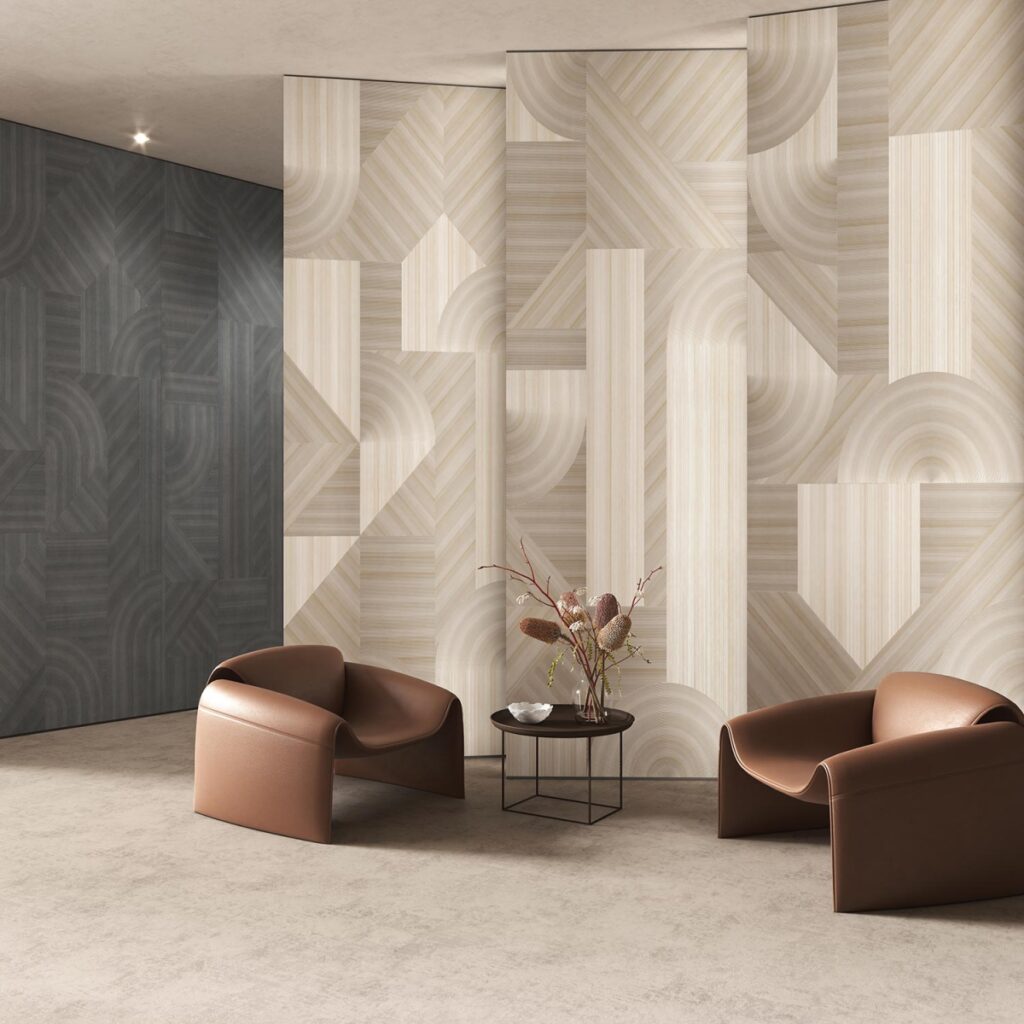
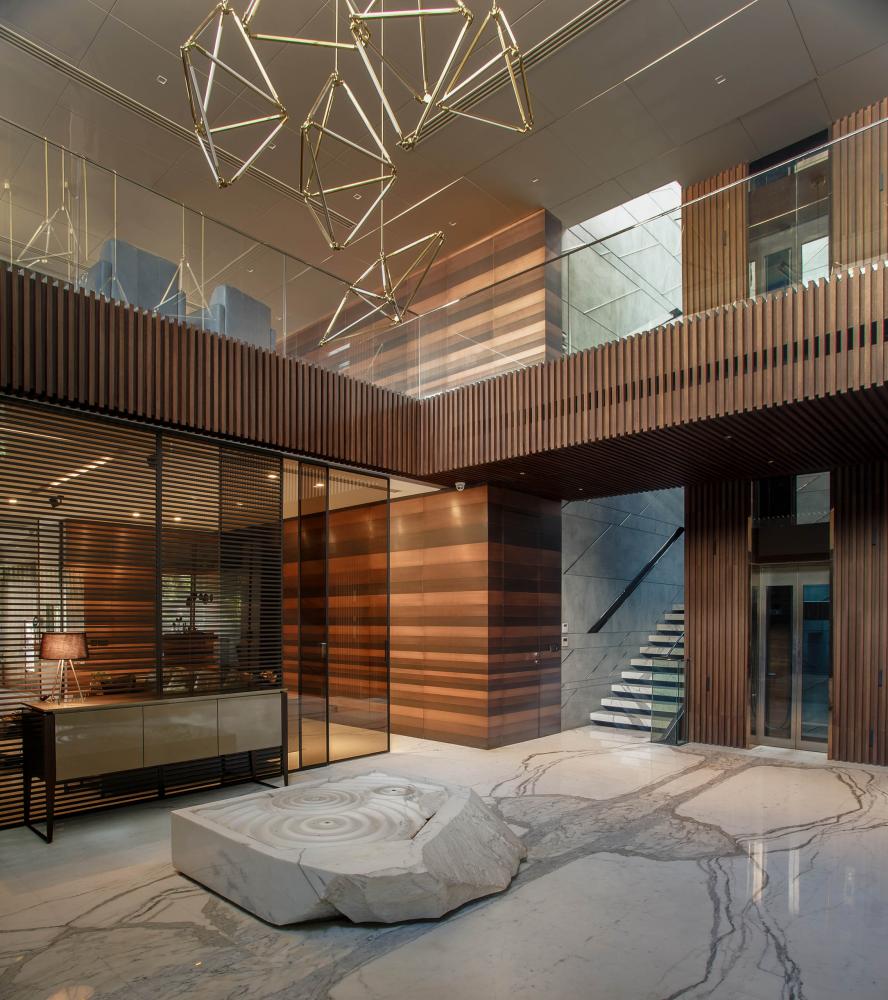
The hotel lobby is the first physical expression of the brand, and hotel lobby millwork is one of the strongest design layers shaping how guests check in, orient themselves, wait, meet, take photos and form an immediate opinion about the property. In luxury hospitality, the lobby is not simply a transitional area; it is a designed environment where architecture, millwork, lighting, furniture and service flow work together, while the broader strategy of luxury hotel interior design extends this thinking across the entire hotel experience.
| Lobby Zone | Millwork Element | Design Impact |
|---|---|---|
| Reception arrival | Custom reception desk with integrated storage, lighting, cable management and branded backdrop | Creates the first luxury impression while supporting check-in flow and staff efficiency |
| Feature wall | Italian wall panels, marble-effect surfaces, wood veneer, metal details or decorative acoustic panels | Turns the lobby into a memorable brand moment guests notice, photograph and remember |
| Concierge area | Smaller service desk, discreet cabinetry, display niches and integrated lighting | Creates a more personal and refined service point without exposing operational clutter |
| Lounge and waiting areas | Built-in shelving, partial partitions, lounge panels, consoles, sideboards and coordinated fine furniture | Makes the lobby feel composed, comfortable and connected instead of filled with unrelated furniture |
Why hotel lobby millwork matters
Lobby millwork is one of the most visible and operationally important parts of a hotel interior because it becomes part of the architecture itself. Loose furniture can be replaced, rearranged or refreshed over time, but reception desks, concierge counters, feature walls, lounge paneling, display shelving and built-in storage define how the space is read from the moment a guest enters.
This is why hotel lobby millwork should never be treated as background carpentry. In a luxury hotel, the lobby is a public stage for the property’s identity. It is also a working environment with constant movement, staff interaction, guest questions, luggage, deliveries, arrivals, departures and brand expectations happening at the same time.
A strong lobby design must support several roles at once:
It creates the first impression of the hotel.
It gives guests a clear check-in and orientation point.
It provides a photographed brand moment.
It gives guests a place to wait, meet, pause or gather.
It connects the public entrance with elevators, restaurants, bars, lounges, residences and other hotel amenities.
It helps staff work efficiently without making operations feel exposed.
It reinforces the property’s visual identity through material, proportion, lighting and detail.
This balance is what separates decorative lobby design from true hospitality millwork. A reception desk must look impressive, but it must also support staff movement, concealed technology, storage, check-in flow, accessibility, privacy and daily durability. A feature wall must create visual impact, but it should also relate to signage, lighting, circulation and the scale of the lobby. Built-in shelving may look decorative, but it can also help organize objects, divide zones or make a large lobby feel more personal.
In this sense, lobby millwork is part of a larger commercial interior strategy. For readers who want to understand how custom-built elements function across offices, boutiques, restaurants and hospitality spaces, MATERIA’s guide to commercial interior millwork explains how these architectural features shape both design and performance.
Reception desks and concierge areas
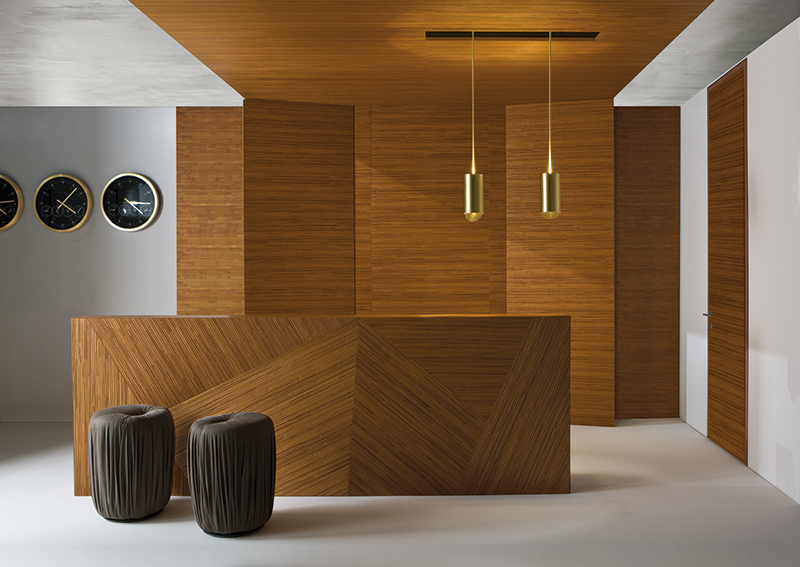
The reception desk is the functional and symbolic center of most hotel lobbies. It is where the guest’s first formal interaction with the property takes place, and it is often the element that establishes the visual tone of the entire arrival experience.
Hotel reception desk millwork must therefore carry a double responsibility. It needs to feel impressive from the guest side, but it must also work efficiently from the staff side. A desk that photographs beautifully but fails operationally will create friction every day. A desk that works well but looks ordinary will weaken the property’s first impression.
The best reception desks are designed as architectural objects, not just counters. Their form, surface, height, depth, lighting, storage, signage and relationship to the back wall all matter. In a boutique hotel, the desk may be more sculptural and intimate, almost like a custom furniture piece. In a large 5-star hotel, it may be longer, more formal and connected to a dramatic feature wall. In a branded residence, it may feel quieter and more residential, blending concierge service with the atmosphere of a private luxury building.
Concierge areas need similar attention, but they often require a different emotional tone. Reception can be more transactional because it supports arrival, check-in and check-out. Concierge service is more advisory and personal. Guests may ask about restaurants, transportation, reservations, shopping, private events, local experiences or special requests. The millwork should reflect that difference.
What a luxury hotel reception desk needs to do
A luxury reception desk should immediately communicate the property’s level, but its performance requirements are just as important as its appearance. It is used continuously, seen from multiple angles and touched by guests and staff throughout the day. It must handle technology, paperwork, luggage contact, guest questions, check-in procedures and internal communication while still looking refined.
A well-planned reception desk should support:
Check-in and check-out functions with enough counter space for guest interaction.
Storage for documents, cards, supplies, devices and operational materials.
Technology integration for monitors, payment systems, key card equipment and communication tools.
Cable management that prevents visible clutter.
Staff privacy for workstations, screens and documents.
ADA and accessibility considerations where required.
Durable surfaces that can withstand constant use.
Proper lighting for both guest-facing presentation and staff work.
Visual harmony with the lobby’s wall panels, flooring, seating, ceiling details and brand identity.
The guest side of the desk should feel composed and welcoming. This is where material quality becomes important. Wood veneer can bring warmth and hospitality. Marble or stone can create a sense of permanence. Lacquer can feel polished and contemporary. Metal trims or inlays can add precision. Integrated lighting can make the desk feel lighter, sharper or more dramatic, depending on the concept.
The staff side is equally important, even though guests may not see it fully. Staff need space to move, store, reach, type, print, scan, organize and communicate without awkward workarounds. If the desk is not planned around real operations, staff may begin placing supplies, wires, signs or temporary storage in visible areas. That quickly weakens the luxury impression.
A reception desk should hide the complexity of hotel operations. Guests should see calmness, clarity and refinement. Behind that calmness, the millwork should support everything required for the service team to work smoothly.
Concierge desks and service points
Concierge desks and secondary service points are more flexible than reception desks. They may be freestanding, built into a wall, integrated with shelving or positioned near a lounge area. Their purpose is not only to process guests, but to create a more personal point of contact.
The design language should reflect that. A concierge desk can be smaller, softer and more approachable than the main reception counter. It may include a stone top, wood base, metal detail, leather panel, display shelf, integrated lamp or decorative backdrop. It can also be paired with nearby lounge seating, allowing the guest interaction to feel less formal.
Concierge millwork can include:
Smaller advisory desks for guest assistance.
Built-in brochure or object displays.
Shelving for curated local references, books or branded materials.
Hidden storage for maps, menus, printed confirmations and service tools.
Integrated lighting for a warmer atmosphere.
Nearby seating to support longer conversations.
For luxury hotels, the concierge area often needs to feel less like an office and more like a private service point. The guest may be planning a dinner, arranging transportation, asking about a special occasion or coordinating an experience. The design should support discretion. A beautiful but exposed service point can feel uncomfortable if guests feel their conversation is too public.
This is where millwork can help create subtle privacy. A partial wall panel, low partition, built-in shelf or angled desk can make the concierge interaction feel more protected without closing it off completely. The goal is not to hide the concierge function, but to give it the right level of intimacy.
In branded residences, this becomes even more important. Residents may use the lobby daily, not just during a short hotel stay. The concierge desk must feel elegant enough for a residential environment while still supporting packages, reservations, visitors, security communication and personal requests. The millwork should feel permanent, discreet and refined.
Back walls, signage and integrated lighting
The reception desk rarely works alone. In most luxury hotel lobbies, it is paired with the wall behind it. This back wall may include the hotel logo, decorative panels, stone, wood veneer, metal accents, shelving, mirrors, art, lighting or a custom branded surface. Together, the desk and backdrop create the main arrival composition.
This relationship is critical. If the desk and wall are designed separately, the reception zone can feel fragmented. If they are designed together, they create a strong architectural moment. The desk gives the guest a functional point of contact. The wall gives the lobby a visual anchor.
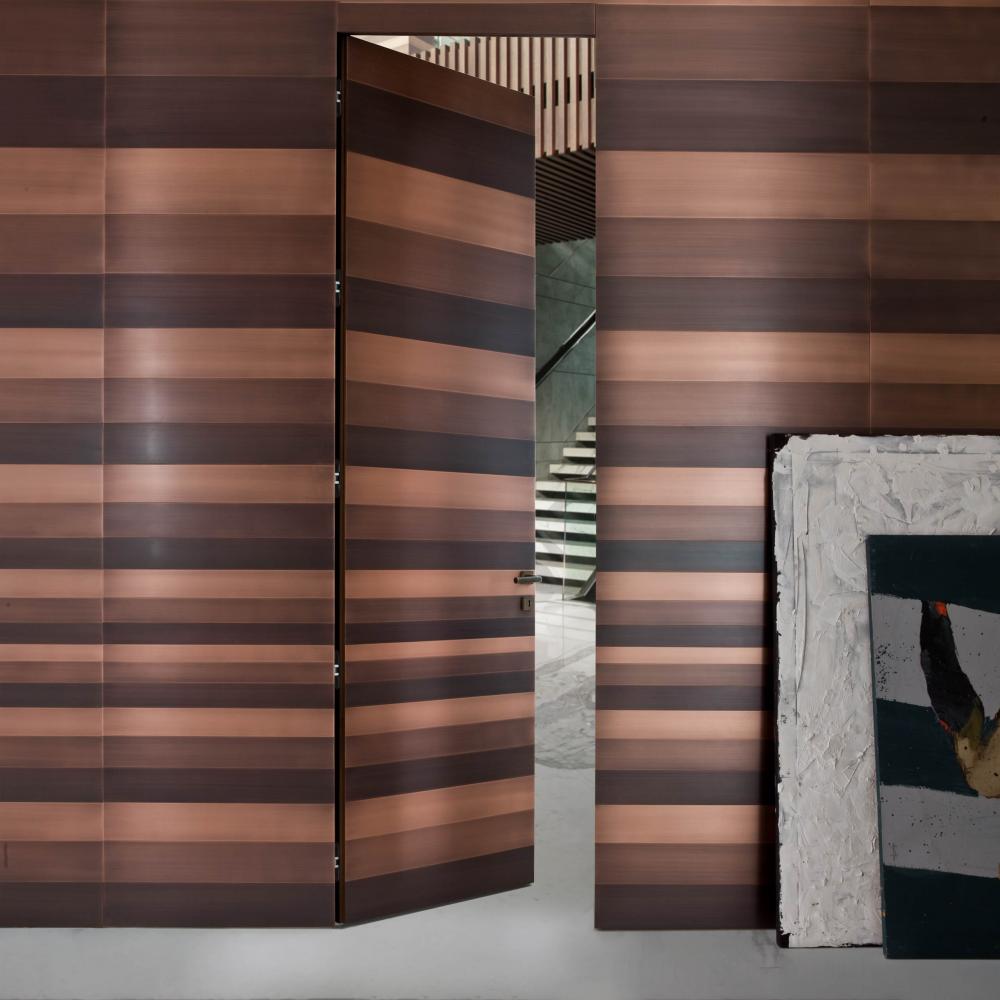
Back walls can use many types of wall panel systems, depending on the hotel concept. Textured Italian panels can add depth. Marble-effect panels can create elegance without requiring the entire wall to be natural stone. Metal-effect panels can create a more urban or contemporary look. Wood panels can make the reception zone warmer. Boiserie panels can bring a more classical or tailored hospitality language. Acoustic decorative panels can be considered in busy lobbies where sound comfort is part of the broader design plan.
Feature walls and branded backdrops
Reception feature walls
Reception feature walls carry the strongest brand responsibility because they sit at the point of arrival. They can be dramatic or restrained, but they must feel intentional. This is where guests often take their first photograph, where the hotel name may appear and where the lobby’s material language is most clearly introduced.
A reception feature wall can use decorative panels, wood veneer, marble-effect surfaces, natural stone, metal accents, lighting, carved textures, boiserie panels, custom patterns or integrated shelving. The right choice depends on the hotel’s position. A lifestyle hotel may choose a more expressive texture or pattern. A luxury business hotel may prefer darker wood, bronze details and precise lighting. A resort may use lighter tones, natural textures and warmer surfaces. A branded residence may use stone, veneer or subtle paneling with less overt branding.
MATERIA Collection’s wall treatment direction is especially relevant here because the brand’s offering includes Italian wall panel systems, decorative wall panels, wallpapers, Venetian plaster, marble-effect surfaces, metal-effect panels, acoustic decorative panels and textured wall systems. This gives designers more than one way to create a luxury backdrop. The wall can feel sculptural, architectural, artistic, warm, polished or tactile depending on the selected system.
Systems and panel directions such as Maxima, Line, Stars, Onda, Terre, Bamboo, Juta, Tatami and Decor can be considered as part of a broader lobby language. These names should not be treated as simple surface choices. In a hospitality context, wall panels influence rhythm, shadow, guest perception and the relationship between the reception desk and the rest of the space.
For example, a linear panel direction can reinforce order and elegance behind a reception desk. A more textured or dimensional surface can create movement and visual interest. A marble-effect wall can bring a refined hospitality look. A wood-based system can soften the arrival experience and make the lobby feel warmer. A metal-effect or darker panel can create a more dramatic urban atmosphere.
The key is to avoid choosing a feature wall only because it looks impressive in isolation. It must work with the desk, lighting, ceiling height, flooring, signage and adjacent lounge furnishings.
Lounge and waiting-area feature walls
Feature walls do not only belong behind reception. In many luxury lobbies, the lounge or waiting area needs its own architectural focus. This is especially true when the lobby is used as a social space, informal meeting area or bar-adjacent lounge.
A waiting-area feature wall may include panels, shelving, mirrors, artwork, illuminated niches, textured surfaces or decorative backdrops. It may sit behind a sofa grouping, frame a fireplace, support a display of books and objects, or define a quieter seating zone near the edge of the lobby. In a boutique hotel, this wall may become one of the most memorable parts of the property. In a larger hotel, it can help break down the scale of the lobby and make waiting areas feel more intimate.
These walls are often photographed because guests spend time near them. A guest waiting for a room, meeting a colleague, enjoying coffee or sitting near a lobby bar may notice the materiality of the surrounding walls more than the reception desk. That makes lounge feature walls important for the overall luxury impression.
A strong lounge wall should create atmosphere without feeling visually exhausting. Guests may sit near it for longer periods, so the design should have depth and interest, but not constant visual noise. Textured wood, soft paneling, decorative shelving, warm lighting, stone accents and well-scaled artwork can create a more comfortable experience than a flat wall with decorative objects placed in front of it.
In some lobbies, a feature wall can also help separate the lounge from circulation. Instead of using a hard partition, the design can use a paneled surface, open shelving, a low built-in or a vertical screen. This allows the lobby to remain open while still giving guests a sense of place.
Decorative panels, acoustic panels and layered wall treatments
Decorative panels bring depth, texture and rhythm to hotel lobby interiors. They can make a tall wall feel more human, a narrow lobby feel more refined or a large open space feel more layered. They also help the design move beyond simple paint, wallpaper or artwork.
Layered wall treatments are especially useful in luxury hospitality because lobbies often contain hard surfaces: stone floors, glass doors, metal details, high ceilings and open circulation areas. Without texture, the space can feel cold or echoic. Wall panels, fabric-backed details, wood surfaces and decorative acoustic panels can help create a more comfortable atmosphere when they are specified correctly as part of a broader acoustic plan.
It is important not to overstate the role of decorative panels. Not every wall panel is an acoustic solution, and sound comfort depends on many factors, including ceiling design, flooring, furniture, textiles, room volume and mechanical systems. However, decorative acoustic panels can support a more comfortable sound environment when used intentionally. In a busy lobby, even a subtle improvement in perceived comfort can matter.
Layered wall treatments can include:
Wood veneer panels for warmth and hospitality.
Marble-effect panels for elegance and visual weight.
Metal-effect panels for a contemporary or urban character.
Venetian plaster for depth, softness and hand-finished refinement.
Decorative wallpapers for pattern, atmosphere or artistic identity.
Boiserie panels for a more tailored architectural look.
Acoustic decorative panels as part of a broader sound strategy.
Textured Italian wall systems for movement, shadow and depth.
For designers and procurement teams comparing finish options, MATERIA’s guide to commercial millwork materials can help clarify how surfaces, durability, specification and project planning connect in commercial interiors.
Lounge furnishings and built-in elements
Built-in shelving and display niches
Built-in shelving can transform a hotel lobby from a pass-through space into a more layered and memorable environment. Shelving gives the hotel a way to display books, objects, curated accessories, local references, art pieces, retail items, awards or branded materials without making the space feel cluttered.
In a boutique hotel, built-in shelving can make the lobby feel residential, personal and story-driven. It can hold objects that connect to the city, the building’s history, the owner’s taste or the hotel’s cultural identity. In a luxury hotel, shelving can feel more gallery-like, with fewer objects and more emphasis on proportion, lighting and material. In a branded residence, shelving may be quieter and more architectural, supporting a private-club atmosphere.
Display niches are also useful in reception and lounge areas. A niche can highlight sculpture, floral arrangements, books, ceramics, branded objects or art. When integrated with lighting, it can create a focal point without requiring a large wall. This is especially valuable in compact lobbies where every surface needs to serve a purpose.
Built-ins can also solve practical design challenges. They can conceal columns, fill awkward wall areas, create transitions between spaces or give depth to otherwise flat surfaces. A shallow built-in behind a lounge area can add enough texture to make seating feel intentional. A taller shelving system near a concierge zone can provide both display and storage. A low console built into a wall can support lighting, flowers or guest materials without feeling like a temporary furniture piece.
The key is editing. Luxury display is not about filling every shelf. It is about giving selected objects enough space to matter. Built-in shelving should be designed with negative space, lighting, scale and maintenance in mind. Hotel staff must be able to keep it clean, organized and consistent over time.
Lounge panels and partial partitions
Hotel lobbies often need privacy without full separation. Guests may be waiting for a room, having a business conversation, speaking with a concierge, taking a phone call or meeting someone before dinner. At the same time, the hotel usually wants the lobby to remain open, welcoming and visually connected.
Lounge panels and partial partitions help solve this tension. They can define seating areas without closing the space completely. A low partition can separate a waiting area from circulation. A vertical screen can create a sense of privacy near a lounge chair grouping. A paneled wall can frame a seating zone. Open shelving can divide space while still allowing light and visibility.
This is especially important in lobbies with multiple functions. A single lobby may need to support check-in, waiting, meetings, socializing, bar overflow, restaurant arrival and resident circulation. Without architectural definition, these functions can blur together in a way that feels chaotic. With the right millwork, each zone feels intentional.
Partial partitions can be designed in many ways:
Open shelving that divides space while displaying curated objects.
Vertical wood or metal screens that create rhythm and privacy.
Low paneled walls that separate seating from circulation.
Upholstered or textured panels that soften the lounge atmosphere.
Decorative screens that create visual interest without blocking the lobby.
Built-in planters or consoles that subtly guide movement.
The best lounge panels do not feel like barriers. They feel like part of the interior architecture. They should relate to the reception desk, feature walls, lighting and furniture. If the reception wall uses a strong linear panel, the lounge screen may echo that rhythm in a softer way. If the desk includes bronze or dark metal details, the partition may use a similar metal accent. If the lobby uses warm veneer, the lounge panels can extend that warmth into the seating area.
This kind of coordination gives the lobby depth. Guests experience the space in layers rather than as one open room filled with furniture.
Integrated furnishings and fine furniture
The most refined hotel lobbies do not treat custom millwork and loose furniture as separate decisions. They align scale, finish, material and atmosphere. This is where fine furniture becomes part of the same design system as reception desks, wall panels and built-in elements.
MATERIA Collection’s fine furniture offering includes luxury designer sideboards, consoles, wall units, chairs, tables, armchairs, coffee tables, benches and lounge pieces. In a lobby context, these categories can support waiting areas, concierge zones, arrival lounges, private seating corners, bar-adjacent spaces and branded residence entrances.
A sideboard can anchor a wall and provide a surface for lighting, flowers or art. A console can create an elegant transition between entrance and lounge. A wall unit can combine display, storage and visual structure. Lounge chairs and sofas can create comfort while matching the property’s level. Coffee tables and occasional tables can reinforce the material palette through wood, stone, glass, lacquer or metal.
The relationship between furnishings and millwork should be planned carefully. If the reception desk uses rich wood and stone, the lounge furniture may repeat one of those materials in a quieter way. If the feature wall has a strong texture, the furniture may need cleaner lines to avoid visual competition. If the lobby has a dramatic lighting feature, the tables and seating should support the composition rather than fight for attention.
Fine furniture is especially important in hospitality because guests physically experience it. They sit in the chair, place a bag on the bench, rest a drink on the table, touch the armrest and see the sideboard up close. The quality of those interactions affects how the guest perceives the hotel. A beautiful lobby wall can create impact, but uncomfortable or poorly scaled furniture can weaken the experience.
Integrated furnishings also help make the lobby feel less generic. Many hotel lobbies use similar furniture layouts: sofa groupings, lounge chairs, coffee tables and occasional tables. What makes the space distinctive is how those pieces relate to the architecture around them. When furniture, millwork, panels and lighting are designed together, the lobby feels specific to the property.




Boutique hotels vs large luxury hotels
Hotel lobby millwork changes significantly depending on the type of property. A boutique hotel, a large 5-star hotel and a branded residence may all require reception desks, feature walls, lounge furnishings and concierge zones, but the scale, tone and operational needs are different.
The mistake is to use the same lobby formula everywhere. A boutique hotel should not feel like a reduced version of a large luxury hotel. A branded residence should not feel like a conventional hotel lobby. A 5-star hotel should not sacrifice operational clarity for a purely artistic concept. Each property type needs a millwork strategy that supports its guest experience.
Boutique hotels
Boutique hotels often use millwork to create intimacy, individuality and a strong story. Their lobbies may be smaller, but that does not make them less important. In fact, compact lobby footprints often require more careful design because every surface has to work harder.
In a boutique hotel, the reception desk may be smaller and more sculptural. It may feel like a custom furniture piece rather than a large check-in counter. The feature wall may be more artistic, textured or narrative. Lounge areas may feel residential, with built-in shelving, curated objects, softer seating and layered lighting.
Custom millwork can help a boutique hotel feel memorable even when the lobby footprint is limited. A small reception area can become distinctive through a carefully detailed desk, a textured wall panel, an illuminated niche or a unique material combination. A narrow waiting area can feel intentional with built-in seating or wall paneling. A compact lounge can feel rich when shelving, lighting and furniture are coordinated.
Boutique hotel lobby millwork often needs to do several things at once:
Create a strong first impression in a smaller space.
Support check-in without making the desk feel oversized.
Add personality through material, texture and display.
Provide hidden storage within limited floor area.
Make the lobby feel more residential and less transactional.
Give guests a memorable backdrop for photos and social sharing.
Because boutique hotels often compete through atmosphere, their millwork should feel specific. Generic finishes weaken the point of the property. The lobby should communicate a story, whether that story is artistic, historic, coastal, urban, fashion-led, wellness-focused or private and understated.
In these projects, every detail becomes more visible. A poorly placed sign, exposed cable or mismatched furniture piece can disrupt the whole room. Custom millwork helps control those details because it allows the designer to integrate storage, lighting, display and brand elements into the architecture.
5-star hotels
Large luxury hotels need scale, durability, strong wayfinding and clear zoning. The lobby often receives a high volume of guests throughout the day, including overnight guests, restaurant visitors, event attendees, residents, business travelers, families, staff, vendors and VIP arrivals. The millwork has to support this complexity without making the space feel operationally heavy.
In a 5-star hotel, the reception desk may be more expansive and formal. It may include multiple check-in positions, separate concierge points, VIP service areas or integrated back-office access. The feature wall may need greater height, stronger material presence and more precise lighting. Lounge millwork may be more layered, helping divide a large lobby into comfortable zones.
Consistency is essential because many guests move through the space at once. A large lobby can quickly feel confusing if the reception desk, concierge area, lounge seating, elevator approach and restaurant entrance are not clearly organized. Millwork helps create that order.
For large luxury hotels, lobby millwork should support:
Clear arrival and check-in flow.
Multiple staff positions without visual clutter.
Durable surfaces for high daily traffic.
Strong visual anchors that work at a large scale.
Defined lounge and waiting zones.
Integrated signage and lighting.
Storage and technology concealed within the architecture.
A consistent material language across public areas.
The challenge is to make scale feel luxurious, not impersonal. Large hotel lobbies can sometimes become impressive but cold. Millwork can soften that effect by creating smaller moments within the larger space: a paneled lounge wall, a concierge niche, a built-in shelving area, a private seating corner or a warmer transition toward the bar.
5-star hotel lobby millwork also has to age well. The design may need to serve the property for years, through changes in furniture, styling, branding or operations. This is why permanent materials should be chosen carefully. A strong stone desk, refined wall panel system, precise metal detail or beautifully finished wood surface can continue to define the lobby even as softer elements change.
Branded residences and hotel residences
Branded residences and hotel residences combine the service logic of a hotel with the softness and discretion of a luxury private residence. This creates a different requirement for lobby millwork. The space must support concierge, security, parcel handling, guest arrival, waiting areas and daily resident circulation, but it should not feel like a busy hotel check-in area.
The millwork should feel discreet, elegant and residential. Reception may become a concierge desk rather than a traditional hotel counter. The feature wall may use quieter materials. Seating may feel more like a private lounge. Built-in shelving may be curated with restraint. Lighting may be softer and less theatrical.
In these environments, residents pass through the lobby repeatedly. They may see the same desk, wall panels, seating and concierge area every day. The design therefore needs long-term calm, not only first-visit drama. A branded residence lobby should feel refined in a way that remains comfortable over time.
Millwork can support this balance by integrating operational needs without exposing them. Parcel storage, staff materials, visitor management tools, security communication and concierge functions should be planned carefully. Residents should see a composed and elegant space, not the logistics behind the service.
The material palette is also different. Branded residences often benefit from warm wood veneer, natural stone, subtle metal details, refined wall panels, soft lighting and furniture that feels more residential than commercial. The design can still feel luxurious, but the luxury should be quieter.
A successful branded residence lobby feels like a private arrival experience. It gives residents the reassurance of hospitality service while preserving the atmosphere of an exclusive home.
Restaurants, bars and lobby-adjacent spaces
Many hotel lobbies connect directly to restaurants, lounges, bars, private clubs, cafes or event spaces. This makes lobby millwork more complex because the design must coordinate with adjacent hospitality environments without becoming a general restaurant or bar interior.
The lobby should have its own identity, but it should not feel disconnected from the spaces around it. If guests move from reception into a lobby lounge, then into a bar or restaurant, the transition should feel natural. Materials, lighting, furniture and wall treatments can shift in mood, but they should still belong to the same design world.
For example, the reception area may be more formal, while the lobby lounge may use warmer panels and softer furnishings. The bar-adjacent zone may introduce darker metal, richer wood or more dramatic lighting. The restaurant entrance may have a stronger threshold or decorative wall treatment. These differences help define each function while maintaining continuity.
This is where broader hospitality millwork experience becomes valuable. For readers considering how lobby areas connect with restaurants, lounges, bars and private clubs, MATERIA’s guide to luxury millwork for hospitality offers a wider look at how custom millwork supports premium hospitality spaces.


Planning a hotel lobby millwork project
A hotel lobby millwork project should be planned early because it affects far more than surface design. Reception desk placement, wall panel systems, electrical planning, lighting, stone coordination, data access, signage, storage, accessibility and installation timing are all connected. If millwork is treated as a late-stage finish, the project is more likely to face compromises.
Start with the guest journey
The best hotel lobby millwork starts with the guest journey. Before choosing wood, stone, lacquer or metal, the project team should map how guests arrive, enter, check in, wait, ask questions, move to elevators and return to the lobby during the stay.
This journey may seem simple, but in luxury hospitality it often includes many different user types. A first-time guest arriving with luggage needs a clear check-in path. A returning guest may know exactly where to go. A restaurant visitor may enter the lobby but bypass reception. A resident may cross the lobby several times a day. A business guest may wait in the lounge for a meeting. A VIP guest may require a more discreet service route.
Millwork should support these journeys instead of interrupting them. The reception desk should be visible enough to guide arrival, but not so dominant that it overwhelms the lounge. Concierge service should be easy to find, but not confused with check-in. Built-in partitions should create privacy, but not block movement. Feature walls should provide visual anchors, but not distract from orientation.
Coordinate designers, architects and millwork specialists early
Early coordination is one of the most important factors in a successful hotel lobby millwork project. Reception desks, wall panel systems, lighting, outlets, data, signage, stone, flooring, ceiling details and storage all need technical alignment. If these elements are coordinated too late, the design may become less refined or more expensive to execute.
A reception desk is a good example. It may require power, data, payment terminals, key card equipment, monitors, printers, storage, lighting, ADA considerations and staff-side access. The wall behind it may require structural preparation, panel layout, concealed lighting, logo placement, electrical routing and finish transitions. If the desk and wall are planned separately, problems often appear during installation.
Wall panel systems also require early planning. Panel dimensions, seams, corners, lighting channels, baseboards, door transitions, switches, outlets and adjacent materials all affect the final appearance. A beautiful panel system can lose its impact if outlets cut through the wrong location or if lighting is added without considering panel rhythm.
For hospitality teams managing a complex project, MATERIA’s guide to how luxury interior projects work provides useful context on the relationship between concept development, specification, coordination and final installation.
Specify materials for the property level
Different hospitality properties require different material strategies. A boutique hotel, 5-star hotel, resort, private club or branded residence may all need custom lobby millwork, but the finish palette should match the expected guest experience and maintenance needs.
A boutique hotel may benefit from more expressive surfaces, custom patterns, distinctive wall panels or artistic feature walls. The goal may be memorability and personality. A large 5-star hotel may require more durable materials, stronger zoning and a consistent premium palette that can perform under heavy traffic. A branded residence may need softer, quieter materials that feel private and residential. A resort may use lighter tones, natural textures and materials that connect with the setting.
Planning a hotel lobby, branded residence, private club or hospitality renovation? MATERIA Collection helps designers, owners and developers create custom Italian millwork, wall panel systems, reception areas, feature walls and luxury furnishings for memorable hospitality interiors. Contact MATERIA Collection to discuss your project, explore material options and begin shaping a lobby experience that reflects the level of your brand.
Frequently Asked Questions - Hotel Lobby Millwork
What is hotel lobby millwork?
Hotel lobby millwork refers to custom-built architectural elements such as reception desks, concierge counters, feature walls, wall panels, display shelving, built-in storage, lounge partitions and integrated furnishings.
Why is millwork important in a luxury hotel lobby?
Millwork is important because it shapes the first impression, supports guest flow, hides operational clutter and creates a refined visual identity throughout the lobby.
What materials are commonly used for luxury hotel lobby millwork?
Common materials include wood veneer, lacquer, marble, natural stone, marble-effect panels, glass, metal accents, decorative wall panels and integrated lighting.
How does a hotel reception desk differ from a standard commercial desk?
A hotel reception desk must support check-in operations, guest interaction, staff workflow, technology, accessibility, durability and brand presentation from both the guest side and the staff side.
Can wall panels improve a hotel lobby?
Yes, wall panels can add texture, rhythm, depth and a more finished architectural look while helping define reception areas, lounge zones and branded backdrops.