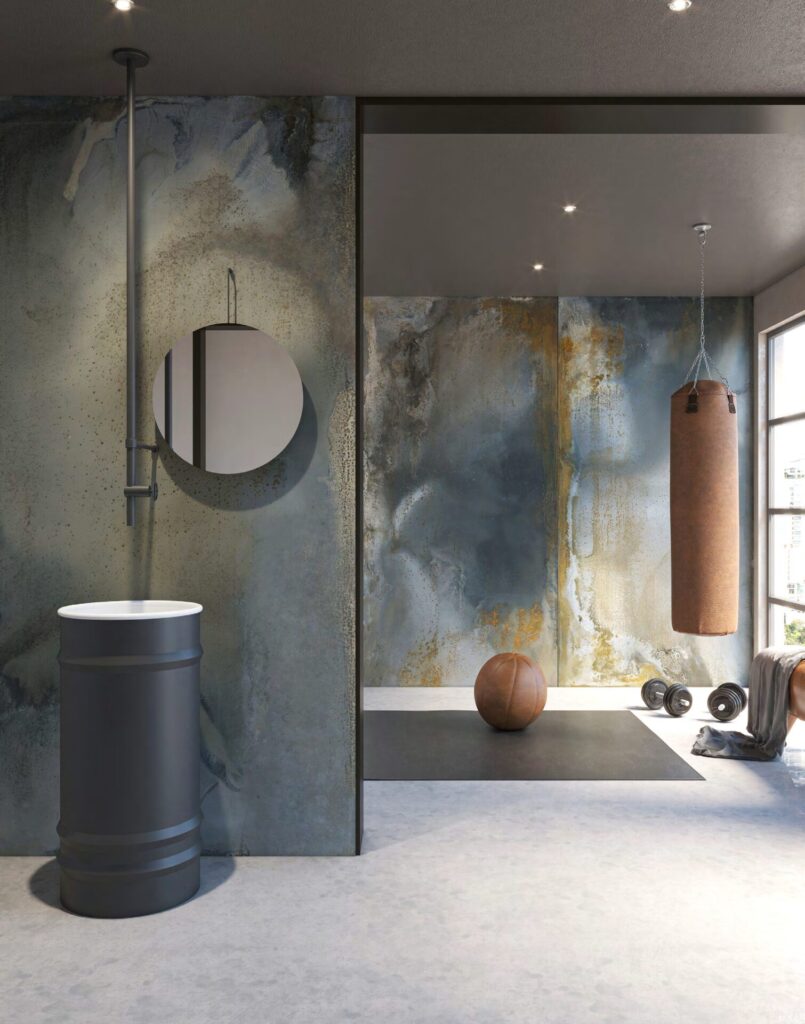
Luxury interior projects look effortless when they are finished. The walls feel perfectly proportioned, doors close with a quiet precision, lighting flatters every surface, and custom pieces appear as if they have always belonged there. But what you see at the end is the result of a controlled process that begins long before a single panel is installed and continues through the final walk-through and punch list.
| Phase | Primary Focus | Key Outputs |
|---|---|---|
| Phase 1: Discovery & Design Vision | Defining lifestyle needs, functional zones, and the overall aesthetic direction that will guide every design and technical decision. | Design brief, mood boards, spatial programming, budget range alignment, and timeline feasibility framework. |
| Phase 2: Materials & Specification | Selecting and approving all surfaces, finishes, veneers, wall systems, hardware, and tactile elements that shape how the interior looks and feels. | Approved material samples, finish boards, hardware selections, and written specifications defining sheen, color, texture, and detailing. |
| Phase 3: Design Development | Translating the design vision into coordinated technical documentation that aligns architecture, lighting, electrical, plumbing, and furniture. | Floor plans, elevations, reflected ceiling plans, lighting layouts, appliance clearances, and shop drawing review sets. |
| Phase 4: Custom Furniture Production | Fabricating bespoke furniture engineered specifically for the project’s dimensions, materials, ergonomics, and usage patterns. | Completed custom furniture pieces, quality-inspected finishes, calibrated hardware, and protected items prepared for shipment. |
| Phase 5: Millwork & Built-ins | Building the architectural backbone of the interior through wall systems, closets, kitchens, media units, and integrated storage. | Installed millwork, aligned panels, integrated appliances, walk-in closets, and architectural storage solutions. |
| Phase 6: Doors, Lighting & Bathrooms | Delivering operational performance and refinement through door systems, layered lighting, and moisture-resistant bathroom furniture. | Operational pivot, swing, and sliding doors; programmed lighting scenes; completed luxury bathroom furniture and fixtures. |
| Phase 7: Logistics & Site Readiness | Protecting high-value components through controlled transport, staging, and preparation of the installation environment. | Crated and delivered components, climate-controlled site, protected finishes, and organized staging and installation zones. |
| Phase 8: Installation & Finishing | Executing precise on-site installation, fine-tuning, and quality control to achieve a flawless final interior. | Installed wall systems, millwork, furniture, doors, and lighting, completed punch list, and final client handover documentation. |
Phase 1: discovery and design vision
A strong design brief starts with lifestyle and use-case programming. That means describing how the space will be lived in, not how it will look in a single photo. The questions are practical and specific. Where do people drop their keys, shoes, and bags? How does entertaining actually happen in this home, and how many guests are typical? Is the kitchen used for daily cooking, staff-supported cooking, or occasional hosting? Are mornings rushed and shared, or quiet and sequential? These patterns determine storage needs, circulation widths, lighting scenes, acoustics priorities, and which areas should feel open versus protected.
From there, functional requirements are mapped by zone. In luxury projects, “function” includes comfort, privacy, and operational smoothness, not only basic utility.
Entry and transition areas: storage, seating, durability, and visual impact without clutter
Living spaces: sightlines, seating layout, media integration, acoustics, and layered lighting
Kitchens: workflow logic, appliance strategy, ventilation, and surfaces that match usage intensity
Closets and wardrobes: capacity planning, organization systems, integrated lighting, and privacy
Office spaces: ergonomics, cable management, sound control, and a finish level consistent with the home
Bathrooms: moisture performance, storage, lighting quality, and materials that remain stable over time
Phase 2: material selection and specification
Why premium projects start with surfaces
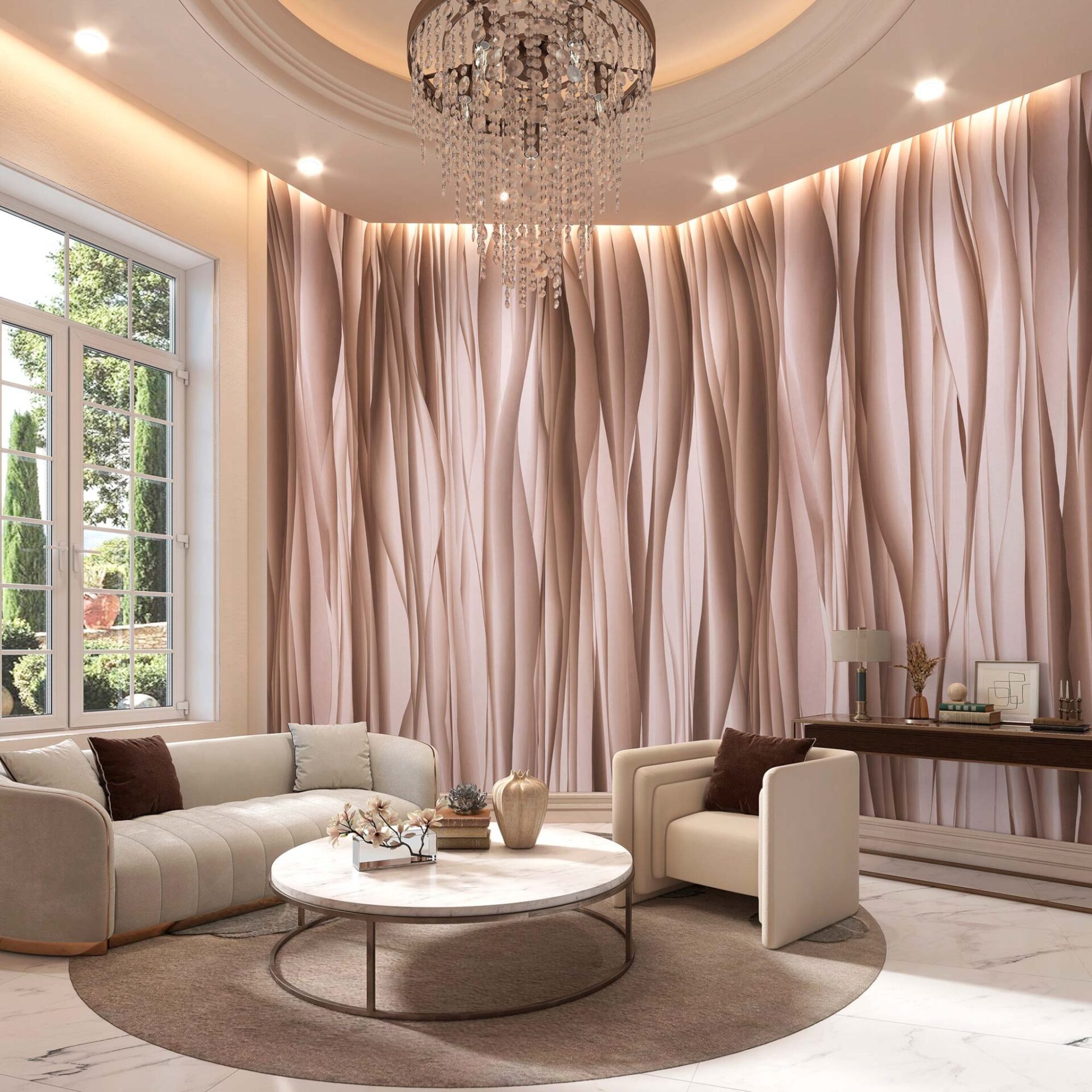
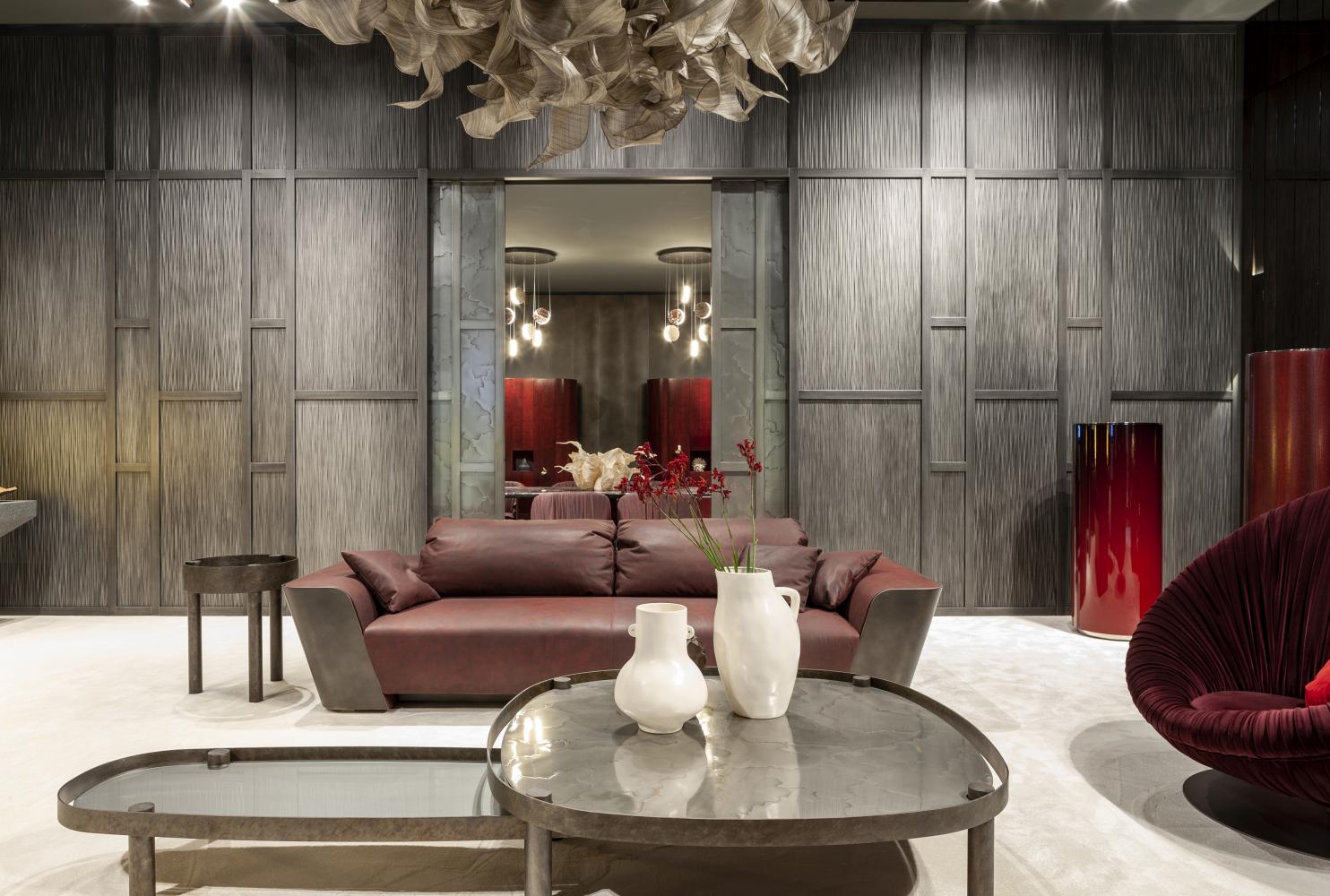
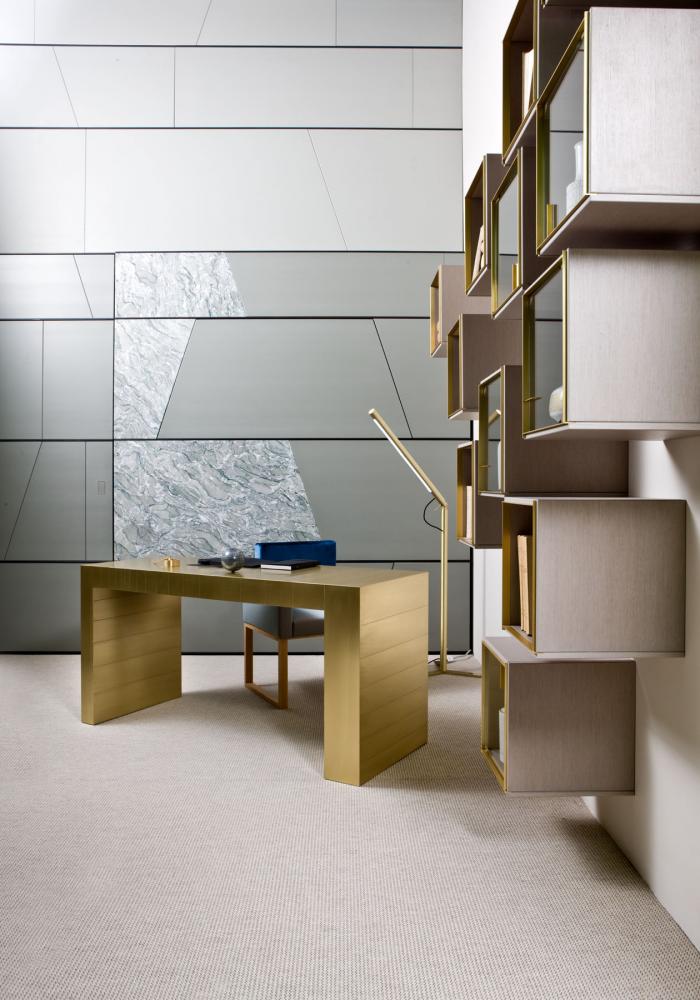
In luxury interiors, surfaces are not decoration added at the end. They are the foundation that defines how a space feels, sounds, and visually flows. Wall treatments function as the canvas of the interior, setting proportions and rhythm long before furniture is placed.
High-end projects often begin with decisions around wall panel systems, decorative wall panels, and wallpapers because these elements establish scale and order. A well-designed wall system introduces structure, repetition, and depth, allowing other elements such as furniture, doors, and lighting to integrate seamlessly rather than compete for attention.
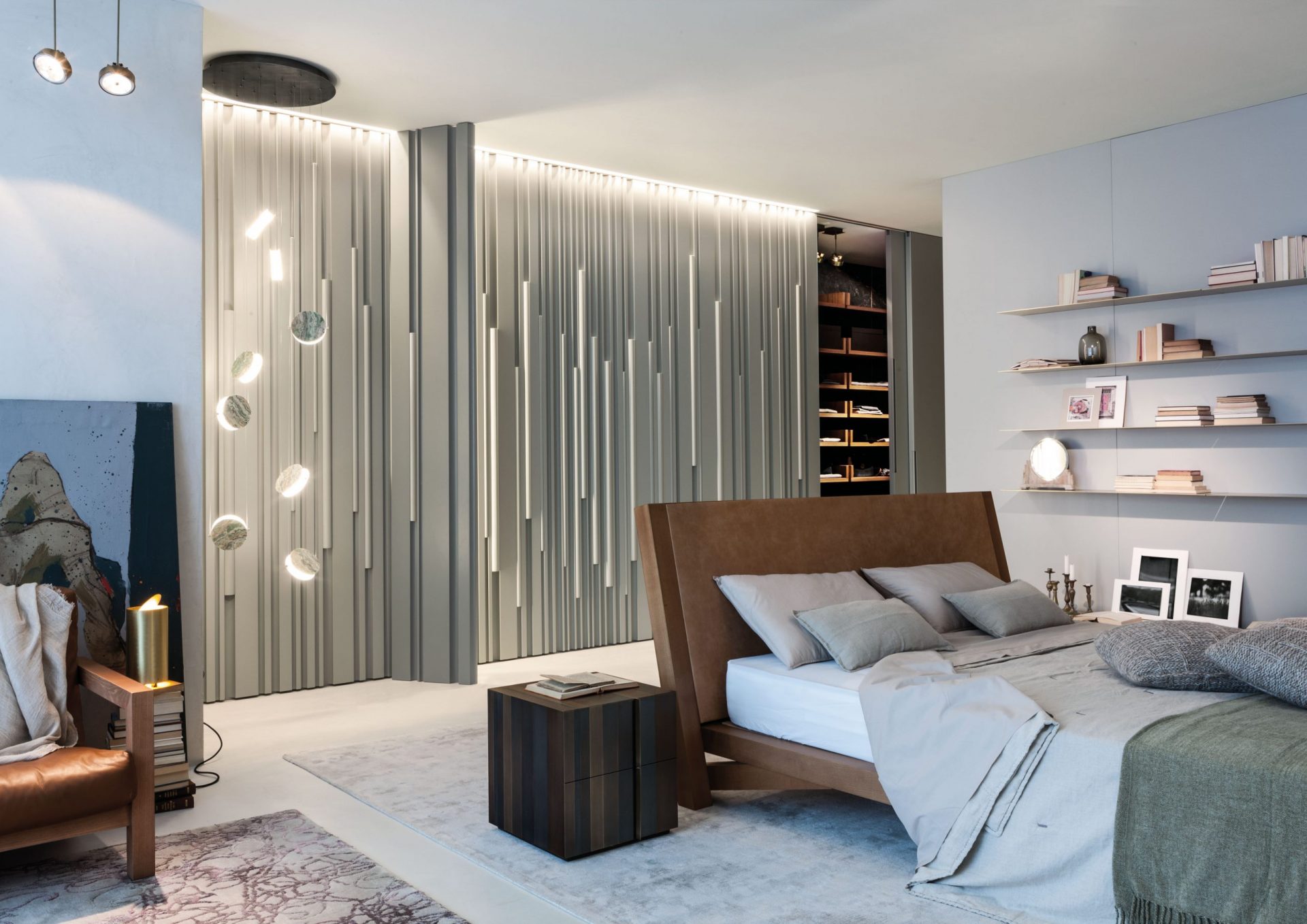
Beyond aesthetics, wall systems play a critical technical role. They influence acoustics by absorbing or diffusing sound, which is especially important in open-plan living areas, offices, and bedrooms. They add warmth through materiality, whether wood veneers, textured fabrics, or layered finishes. They also create visual rhythm by controlling spacing, joints, and alignment, which subtly guides the eye through the space and reinforces a sense of calm and intention.
When surfaces are resolved early, the entire project benefits. Furniture dimensions align more naturally, lighting can be positioned to enhance textures, and transitions between rooms feel deliberate rather than improvised.
The sampling process clients should expect
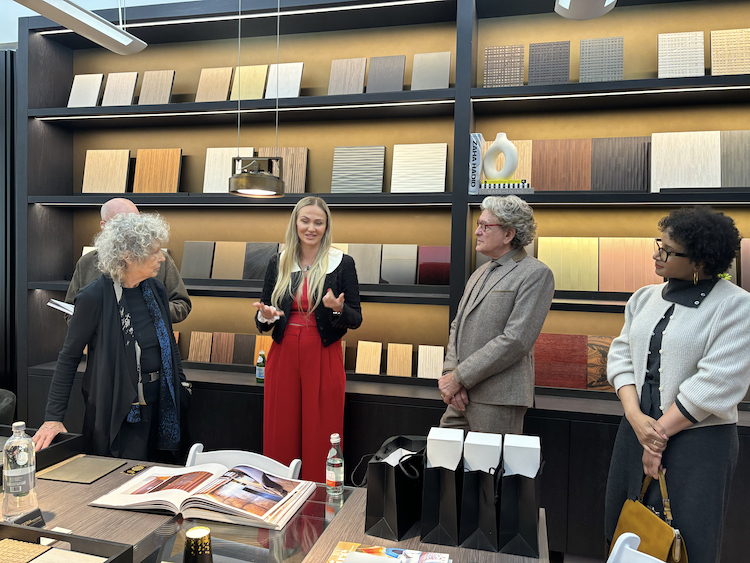
Material selection in a premium project is a physical, comparative process. Decisions are rarely made from catalogs alone. Clients should expect to review real samples, tested under realistic conditions, before anything is approved for production.
The sampling process typically includes:
Physical finish samples and large-format boards reviewed side by side
Comparisons under true lighting conditions, not showroom spotlights alone
Evaluation of how materials interact when placed next to each other
Phase 3: design development into buildable documentation
Drawings that turn taste into precision
Design development is where vision becomes measurable. It translates the emotional intent of the project into drawings that contractors and fabricators can actually build from. Without this step, even the best ideas remain theoretical.
The core drawing set usually includes plans, elevations, and reflected ceiling plans. Together, they define how every surface relates to another and where each component begins and ends. These drawings control proportions, alignment, and spacing across the entire interior.
Critical coordination points are resolved at this stage, including:
Lighting locations and beam directions
Switching logic and scene control
Electrical outlets, data points, and concealed power
Appliance sizes, clearances, and service access
When these elements are coordinated early, the project avoids visible compromises later, such as awkward outlet placements, misaligned lighting, or cabinetry that must be modified on site.
Shop drawings and approvals
Shop drawings are the silent quality gate of a luxury interior. They are detailed fabrication drawings produced by manufacturers and millwork shops, based on the design intent but translated into exact dimensions, materials, and construction methods.
These drawings matter because they are the last checkpoint before something becomes permanent. They are reviewed in a structured loop involving the designer, fabricator, client, and general contractor. Each party confirms that the piece will fit, function, and finish as intended.
Revisions at this stage are normal and healthy. They often happen due to:
Field conditions that differ slightly from original assumptions
Alignment adjustments to improve visual balance
Proportion tuning once elements are seen together in detail
Resolving these issues on paper is far less costly than correcting them after fabrication.
Phase 4: custom furniture production
Custom furniture is where luxury becomes personal. Unlike made-to-order pieces that follow predefined dimensions and finishes, truly custom furniture is designed and built specifically for its intended space.
The difference lies in control. Custom production allows materials, proportions, and details to respond directly to the room, rather than forcing the room to adapt to a standard piece.
Key decisions that determine the final outcome include:
Material selection, such as solid wood, veneer, lacquer, or metal
Joinery and internal structure, which affect strength and longevity
Finishing processes and curing times, which influence durability and appearance
Fit and proportion are equally important. Furniture must be scaled to the room geometry, respecting ceiling heights, wall lengths, and circulation paths. Ergonomic clearances are carefully considered for seating comfort, dining spacing, desk heights, and storage access. A piece can be beautiful, but if it feels awkward to use, it fails the luxury test.
Phase 5: millwork and built-ins, the backbone of luxury
Millwork scope that changes a space
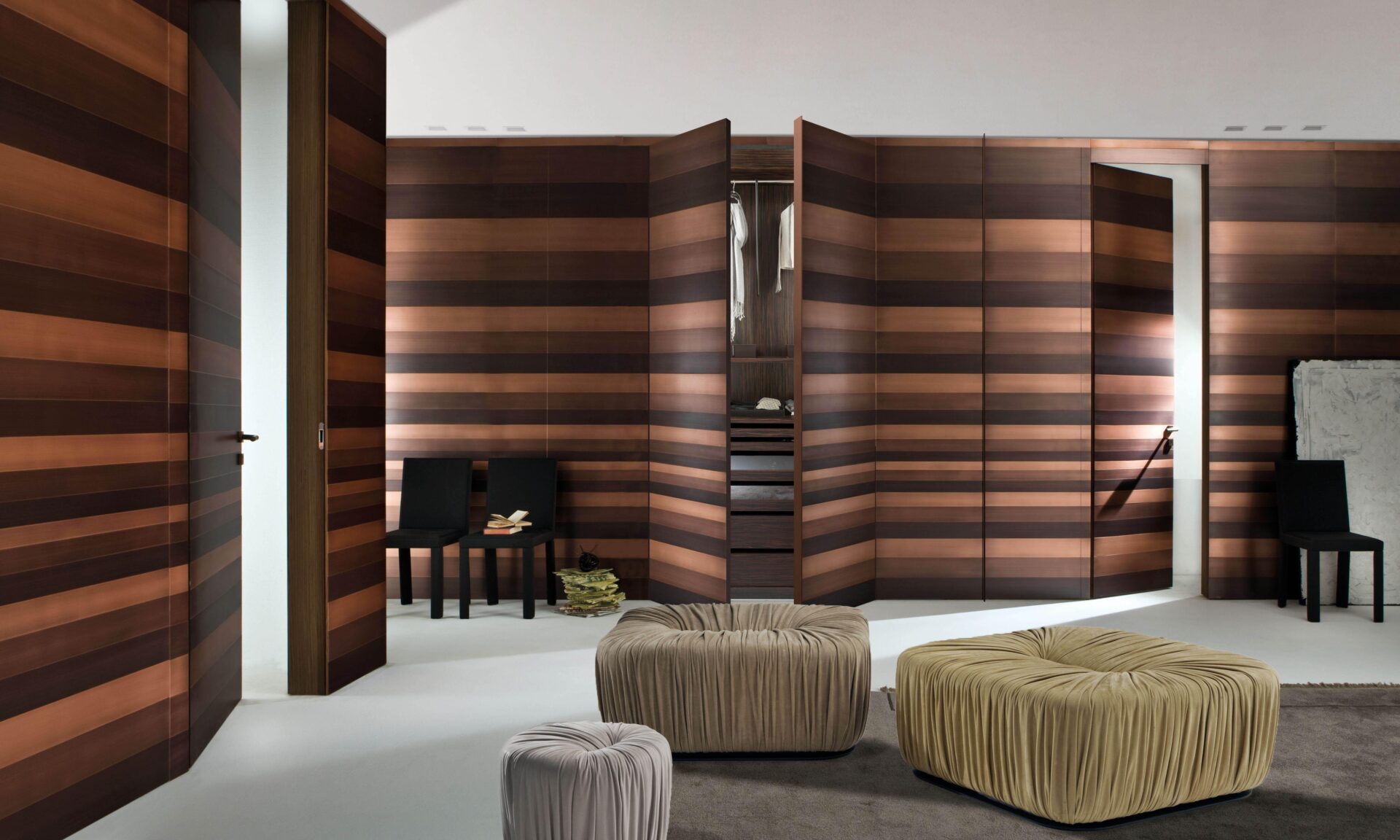
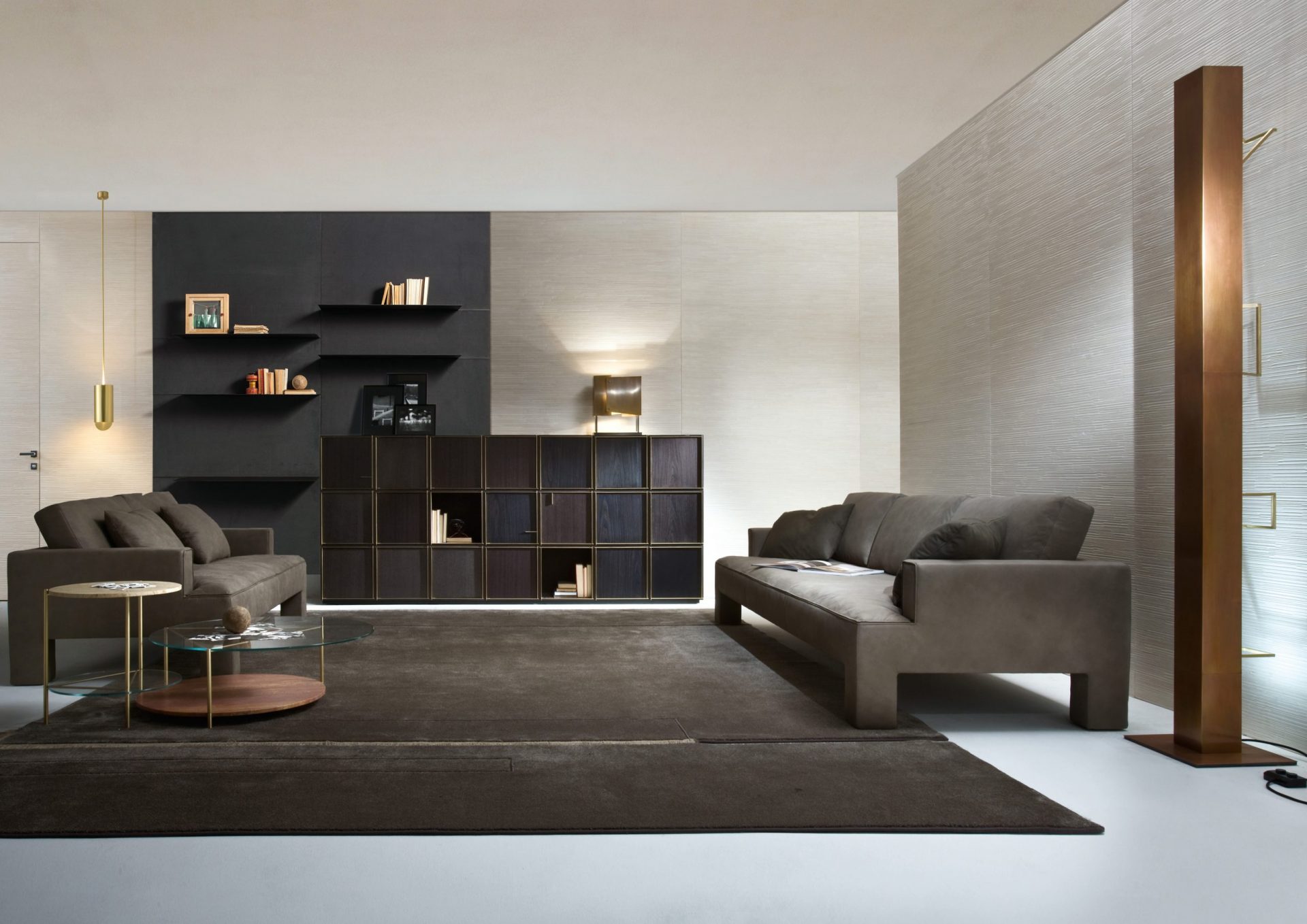
Millwork is where a luxury interior stops feeling furnished and starts feeling architectural. Custom wall units, media walls, integrated shelving, and concealed storage define how a room functions and how visually calm it feels. When these elements are designed as part of the structure, they eliminate clutter and create a continuous language between walls, doors, and furniture.
High-end millwork typically includes:
Full-height wall units that visually anchor the room
Media walls that integrate screens, speakers, and storage without visual noise
Shelving systems that balance display and concealment
Hidden storage that preserves clean lines
What separates luxury millwork from standard cabinetry is alignment discipline. Door and panel edges are laid out so that vertical and horizontal lines repeat across the room. Reveals are consistent. Shadow lines are intentional. Symmetry is used where appropriate, and broken where design requires it, but never by accident. These small geometries are what make built-ins feel designed rather than installed.
Closet and cabinet systems done the luxury way
In premium interiors, walk-in closets and wardrobes are not treated as back-of-house storage. They are designed as architectural spaces with the same level of finish and planning as a living room or bedroom.
A luxury closet starts with organization logic. Hanging zones are sized for different garment types, drawers are planned for folded items and accessories, and specialty storage is included for shoes, jewelry, and bags. This internal structure ensures that the space works smoothly and remains visually calm over time.
Material choices are just as important on the inside as the outside. Durable linings, refined interior finishes, and high-performance hardware determine how the space ages. Integrated lighting is often added to highlight shelves and hanging areas, making the closet both functional and visually inviting. When these elements are planned together, the result feels intentional rather than improvised.
Kitchen and appliances coordination
Kitchens are the most coordination-heavy area of any luxury interior. They combine plumbing, ventilation, electrical, appliances, and cabinetry in a tight envelope where every millimeter matters.
One of the most critical steps is appliance specification lock-in before cabinetry fabrication. Sizes, ventilation requirements, and service clearances must be confirmed early so that cabinets can be built to exact dimensions. Late changes almost always lead to compromises in alignment or finish.
Panel-ready appliances and flush integration are also hallmarks of high-end kitchens. When refrigerator doors, dishwashers, and wall ovens align seamlessly with surrounding cabinetry, the kitchen reads as one continuous surface rather than a collection of machines. This visual discipline is what separates a luxury kitchen from a standard one.
Phase 6: doors, lighting, and bathrooms as performance systems
Luxury doors, pivot, swing, and sliding
High-end doors are both functional and architectural. Pivot, swing, and sliding systems must be planned in relation to wall thickness, floor transitions, and clearances. Without this planning, doors can feel heavy, scrape floors, or disrupt sightlines.
Hardware selection plays a major role in perceived quality. The smoothness of a pivot, the quiet of a latch, and the durability of hinges all affect daily experience. These components are chosen not just for appearance but for long-term performance.
Alignment and framing tolerances are also critical. In luxury projects, doors must sit flush, maintain even gaps, and operate without resistance. Achieving this requires careful coordination between framing, finishes, and hardware.
Lighting as the final polish
Lighting is often described as the final layer, but it must be engineered from the beginning. A luxury lighting plan is built in layers, combining ambient, task, and accent lighting to create flexibility and depth.
Key considerations include:
Avoiding glare and harsh shadows
Highlighting textures in wall panels, artwork, and millwork
Creating scenes for different times of day
Dimming compatibility and scene planning allow spaces to shift from bright and functional to soft and atmospheric without changing fixtures. When lighting is integrated properly, it elevates every material in the room.
Luxury bathroom furniture solutions
Bathrooms demand materials that perform under moisture and frequent use while still looking refined. Finishes must resist humidity, and construction methods must prevent swelling or warping over time.
Storage is designed to stay visually clean. Hidden organizers, integrated mirrors, and built-in lighting keep counters uncluttered while maintaining accessibility. In a luxury bathroom, performance and elegance are inseparable.
Phase 7: logistics, shipping, and site readiness
Luxury interiors depend on logistics as much as design. Even the finest materials lose their value if they are damaged, delivered too early, or installed out of sequence.
High-end projects rely on controlled transport, careful staging, and precise sequencing. Custom pieces are often crated to protect delicate finishes, corners, and edges. White-glove shipping ensures that items are handled by teams trained to move and unpack premium products without damage.
Lead times must be planned around long-lead Italian furniture, custom millwork, and specialty finishes. Delivery windows are scheduled so that items arrive when the site is ready to receive them, not weeks earlier when they would be exposed to dust, moisture, or impact.
Before any delivery, the site should meet clear readiness standards:
Floors level and finished
Humidity and temperature controlled
Paint and wet trades fully cured
Final measurements verified
A staging plan defines where items are stored, how they are protected, and what is installed first. This prevents chaos and ensures that each piece arrives on site only when it can be installed safely.
Phase 8: on-site installation and finishing
Installation sequencing
The order in which elements are installed is as important as their quality. Wall treatments, millwork, doors, lighting, and furniture must be sequenced so that each layer protects and supports the next.
Proper sequencing reduces risk and rework. It also allows trades to coordinate without damaging finished surfaces. When installers follow a clear plan, the site remains controlled rather than chaotic.
Field verification and micro-adjustments
Even with perfect drawings, real buildings require adjustment. Walls are rarely perfectly straight, and floors are rarely perfectly level. Luxury installation includes scribing, leveling, and reveal tuning so that built-ins sit cleanly against real conditions.
These micro-adjustments are what make bespoke work look effortless. Gaps are corrected, lines are sharpened, and components are tuned until the space reads as if it were built exactly that way from the start.
Punch list and quality inspection
The final stage is a detailed punch list and quality inspection. In a luxury project, this includes:
Alignment checks across doors, panels, and millwork
Finish touch-ups and surface cleaning
Hardware calibration and smooth door operation
Materia Collection opened its doors in 2016 with a display of wall paneling, unique custom surfaces and furniture, kitchen cabinets, lighting, and doors. With over 15 years of combined experience in the design industry, Pojidaeva and the Materia team offer refined Italian custom furnishings for high-end residential and commercial interiors.
Discover a complete ecosystem of premium Italian design solutions, curated to work together across every part of a luxury interior.
Frequently Asked Questions - How Luxury Interior Projects Work
How long does a luxury interior project usually take from concept to install?
Most high-end interior projects take between four and nine months, depending on scope, customization level, and lead times for Italian-made furniture, millwork, and finishes. Design and approvals typically require several weeks, followed by fabrication, finishing, shipping, and finally on-site installation. Rushing any of these phases almost always leads to compromised results.
What should I approve before custom furniture production starts?
Before anything goes into production, you should approve final dimensions, materials, finishes, hardware, and shop drawings. This includes veneer selections, color samples, edge details, and how each piece integrates with surrounding walls and floors. Once production begins, changes are either impossible or extremely expensive.
Why are shop drawings so important in high-end interiors?
Shop drawings translate design intent into exact buildable instructions. They define every measurement, joint, and material used by the fabricator. In luxury projects, these drawings are the last quality gate before fabrication. They prevent misalignment, proportion errors, and installation conflicts that cannot be corrected later without rework.
What is the difference between millwork and standard cabinetry?
Millwork is custom-built architectural woodwork designed specifically for a project, including wall units, media walls, integrated shelving, and closets. Standard cabinetry follows fixed sizes and layouts. Millwork allows precise alignment, custom proportions, and seamless integration with walls, doors, and lighting.
How do luxury wall treatments change a room compared to paint alone?
Wall panel systems, decorative panels, and textured surfaces add depth, rhythm, and acoustic control that paint cannot provide. They create visual structure, conceal imperfections, and allow lighting to highlight texture and form, making the room feel more architectural and refined.
Are pivot doors worth it, and what do they require structurally?
Pivot doors create dramatic, smooth-moving entrances, but they require proper wall framing, floor support, and precise hardware installation. When engineered correctly, they are both beautiful and durable. Without planning, they can feel heavy, misaligned, or unstable.