

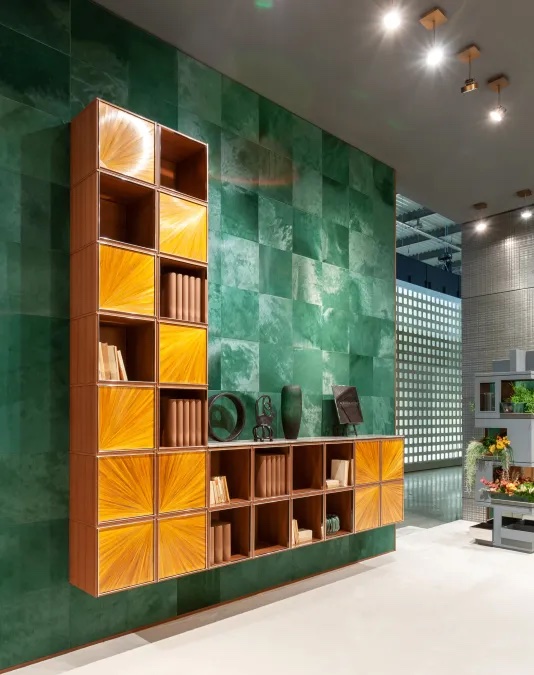
In the world of commercial architecture and interior design, commercial interior millwork plays a pivotal role in shaping environments that are not only visually compelling but also highly functional. From elegant reception desks and wall paneling in hotel lobbies to built-in cabinetry in corporate offices and retail spaces, millwork transforms structural interiors into personalized, brand-aligned, and purpose-driven spaces.
Unlike generic furnishings or mass-produced modular components, commercial millwork is meticulously crafted to fit the specific needs of a business.
At the forefront of high-end millwork design and execution is Materia Collection, a design-driven brand known for its Italian-inspired finishes and architectural detailing. Based in Miami and NYC, Materia collaborates with globally renowned architects and developers to deliver custom commercial interior millwork solutions that are both artistic and highly tailored.
What Is Commercial Interior Millwork?
At its core, commercial interior millwork refers to any custom woodwork element fabricated in a mill and specifically designed for commercial interiors. This includes both decorative and functional wood-based components such as cabinetry, moldings, wall paneling, doors, partitions, and built-ins that are tailored to suit the architecture and function of the space. Millwork distinguishes itself from general carpentry in that it’s not constructed on-site; rather, it’s pre-fabricated in a specialized facility (a mill) and then installed as part of the build-out process.
What makes commercial millwork unique is its adaptability. It is crafted specifically to meet the dimensions, requirements, and stylistic goals of a particular commercial project—whether that be a boutique retail store, a hotel suite, or an executive office.
Common Misconceptions: Millwork vs. Casework
| Feature | Millwork | Casework |
|---|---|---|
| Customization | Fully custom, made to fit exact space and needs | Pre-manufactured, standard sizes |
| Integration | Built into architectural space | Freestanding or modular |
| Materials | High-end wood, laminates, stone, metal combinations | Usually engineered wood or laminate |
| Applications | Reception desks, wall paneling, built-ins | Kitchen cabinets, utility storage units |
| Design Purpose | Matches brand, architecture, and function | General-purpose storage and functionality |
| Cost | Higher (premium design + labor) | Lower (mass production) |
A frequent point of confusion in the industry is the difference between millwork and casework. While these terms are sometimes used interchangeably, they are technically distinct:
- Millwork refers to fully custom, built-to-order woodwork that is designed and fabricated to seamlessly integrate with the space. It is often part of the building’s architecture.
- Casework, on the other hand, generally refers to modular cabinetry and prefabricated boxes that are produced in standard sizes and then assembled or installed. Casework is usually not custom and can be moved or replaced more easily.
In essence, millwork is tailored and permanent; casework is often standardized and modular.
The Role of Millwork in Interior Construction
In commercial interior design, millwork is not an afterthought—it’s a foundation. While structural walls and utilities provide the skeleton of a space, millwork provides the skin and texture that shape the user’s experience. It frames entryways, defines workspaces, creates focal points, enhances acoustics, and reflects a company’s brand identity.
High-quality commercial millwork also improves the longevity and usability of the space. Built-in storage, integrated desks, and wall treatments can reduce clutter, improve workflow, and elevate client perception. Unlike temporary furnishings, millwork is built to last, becoming a long-term investment in the value of the property.
Examples of Commercial Interior Millwork Applications
To better understand how commercial millwork functions within real spaces, consider the following examples:
- Reception Desks: Custom-built to match a company’s branding and the layout of the lobby, incorporating lighting, signage, and technology access.
- Wall Paneling: From decorative wood slats to acoustic panels, wall treatments enhance both the aesthetic and acoustic environment of a room.
- Custom Cabinetry: In offices, retail stores, and restaurants, cabinetry is tailored to fit the space while providing essential storage and display functionality.
- Built-in Shelving: Especially important in retail and hospitality settings, built-ins allow seamless organization without interrupting the flow of the interior design.
These examples highlight the wide scope of commercial interior millwork and its essential place in shaping how commercial environments function and feel.

Understanding the Scope of Commercial Millwork
What Falls Under the Category of Commercial Millwork?
Commercial interior millwork encompasses a broad range of fixed wood elements that are integrated into the architecture of commercial environments. These elements are custom-designed, precision-fabricated, and professionally installed to serve both aesthetic and functional purposes. Unlike modular furniture or off-the-shelf design elements, commercial millwork is meticulously tailored to fit the layout, branding, and operational needs of a space.
| Industry | Millwork Applications |
|---|---|
| Hospitality | Custom bars, reception desks, decorative panels, headboards |
| Retail | Cashier desks, product display shelves, fitting room cabinetry |
| Corporate Offices | Reception areas, conference room storage, executive desks, wall units |
| Healthcare & Wellness | Built-in cabinetry, acoustic panels, calm wood finishes for spa-like environments |
| Residential (Luxury) | Walk-in closets, kitchen cabinetry, decorative paneling, integrated lighting systems |
Let’s break down the core components that are typically included in commercial millwork:
Custom Reception Desks
Often the first point of physical contact between a business and its visitors, the reception desk sets the tone for the entire brand experience. A custom millwork reception desk is more than a counter—it can integrate built-in lighting, branded surfaces, technology ports, hidden storage, and seamless ergonomic design. It’s also an opportunity to incorporate unique materials, textures, and shapes that reflect the business’s identity.
Wall Paneling and Architectural Features
Wall paneling is one of the most effective ways to introduce texture, depth, and visual identity into a space. Whether it’s decorative wood slats in a wellness spa, acoustic panels in a boardroom, or custom-branded wall surfaces in a retail flagship, wall treatments crafted through millwork elevate flat surfaces into focal design features. Architectural details such as crown molding, wainscoting, pilasters, and trim are also millwork components that define the spatial experience.
Built-ins for Hospitality, Office, and Retail Use
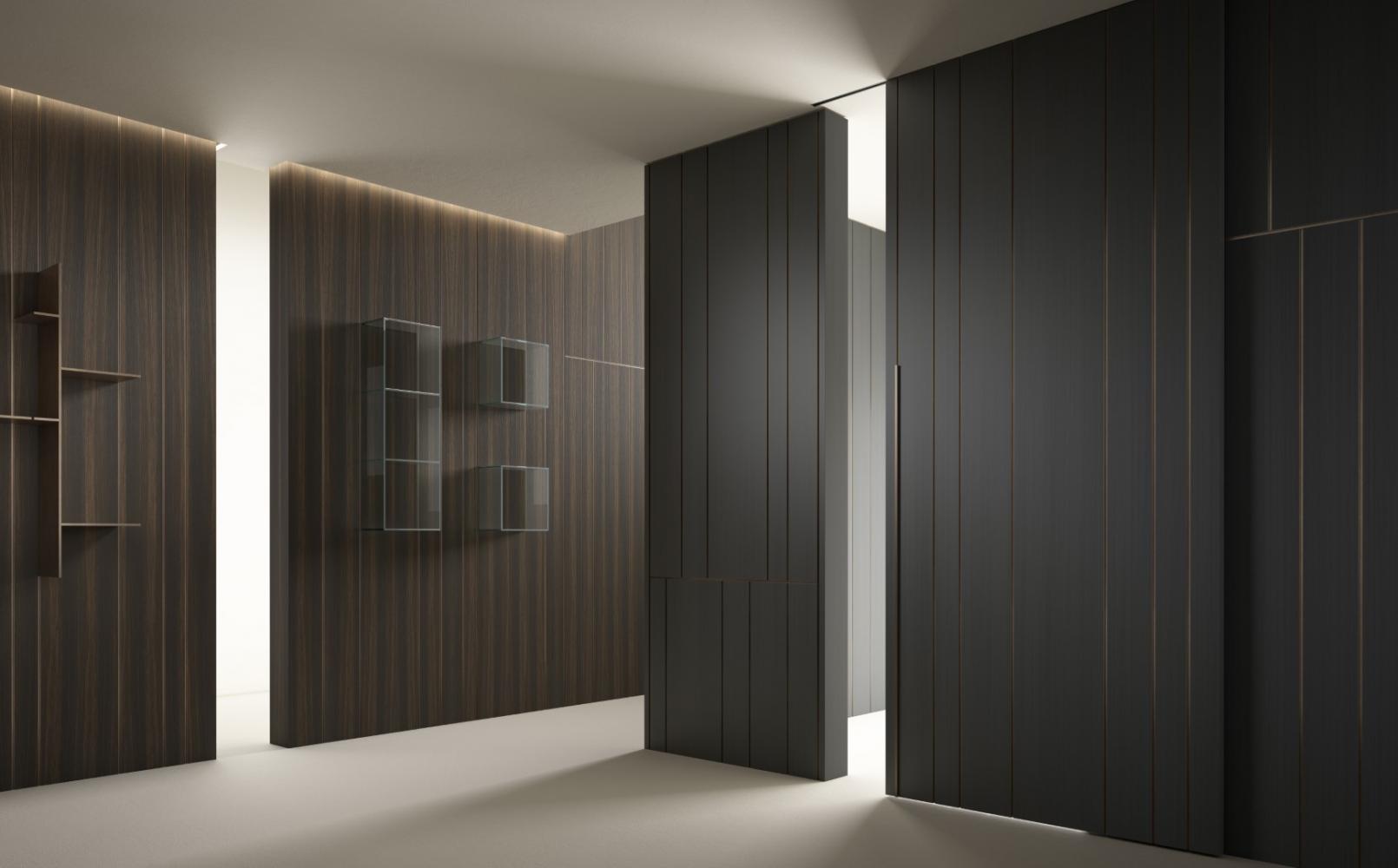
Built-in millwork is a staple in many commercial interiors because it optimizes space and enhances utility. In hotels, built-ins may include wardrobe systems, minibar units, and headboards with integrated lighting. In offices, they may include bookshelves, storage cabinets, or media walls. In retail, built-ins are essential for shelving, displays, and back-of-house organization. All of these elements are custom-sized and styled to the needs of the project, ensuring a seamless integration into the architecture.

High-End Cabinets and Storage Systems
Unlike generic modular cabinetry, high-end commercial millwork cabinets are custom-built to fit the dimensions, workflow, and design scheme of a space. These are common in kitchens, bathrooms, private offices, showrooms, or anywhere storage is required. Materials can include exotic woods, lacquered finishes, or mixed media with glass and metal. Such cabinets often include advanced joinery, integrated lighting, and personalized hardware to match the business’s brand DNA.
What’s Not Considered Commercial Millwork?
It’s important to clarify the limitations of what commercial millwork includes—and what it does not. Millwork does not encompass:
- Ceilings: While some ceiling details may include wood paneling, these are typically categorized separately under architectural finishes or specialty ceiling systems.
- Exterior Siding: Millwork is primarily an interior element; exterior cladding and siding fall under different trades.
- Movable Furniture: Freestanding desks, chairs, or shelving units that are not permanently affixed or integrated into the space are not considered millwork. These are categorized as furniture or case goods.
- Steel, Glass, and Acoustic Partition Systems: While they may be used in tandem with millwork, these partitions are generally produced by different fabricators and fall under separate scopes of work.
By maintaining these distinctions, commercial interior millwork remains focused on custom-fabricated, built-in wooden (or wood-based) elements that define the interior character and functionality of a commercial space.
Architectural vs. Commercial Millwork
What Is Architectural Millwork?
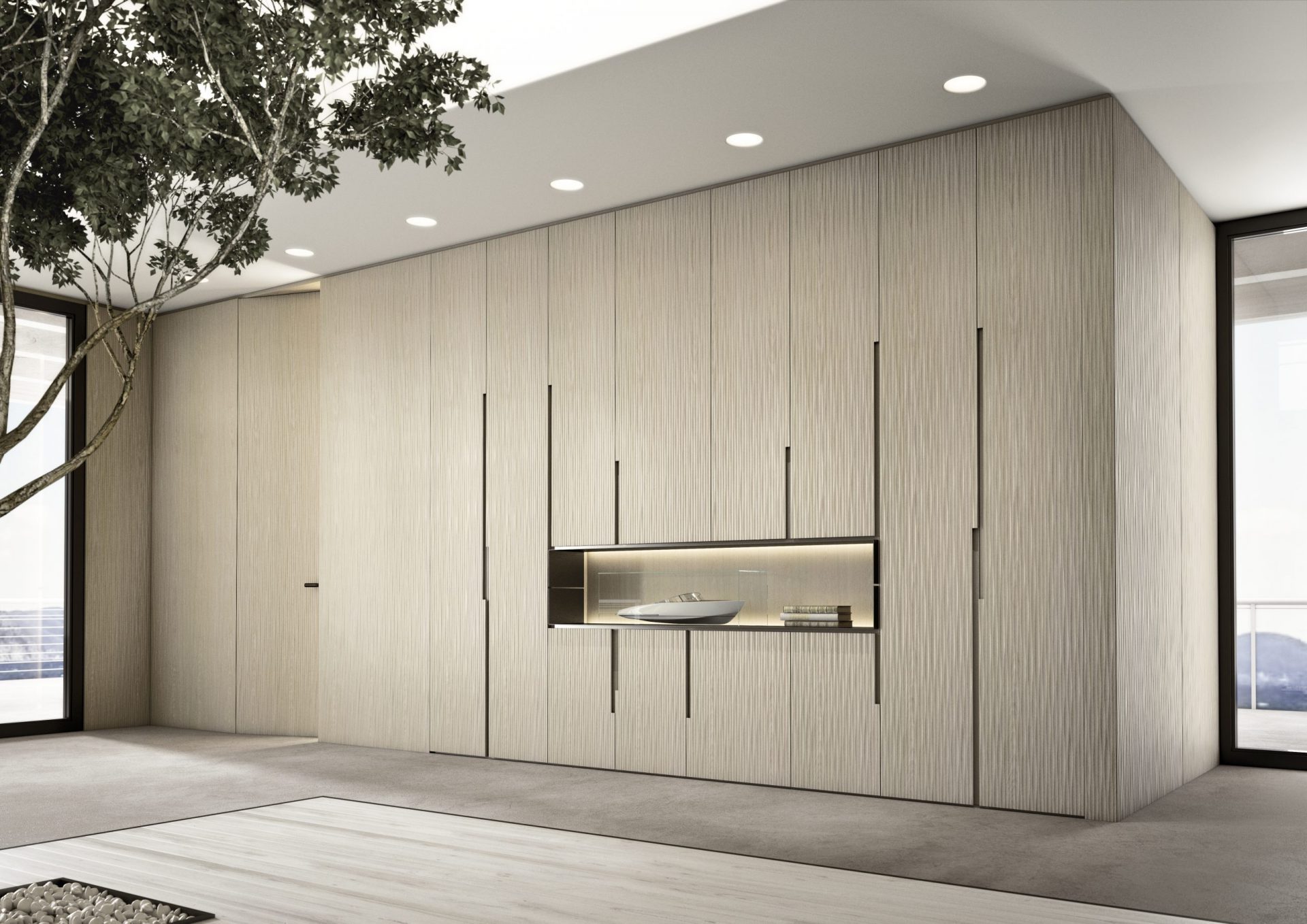
Architectural millwork refers to the custom-fabricated wood and wood-like elements that are integrated into the architecture of a building’s interior. This includes moldings, trims, door and window casings, stair components, cabinetry, wall paneling, and decorative surfaces. The defining characteristic is that these elements are either built into the structure or designed to complement the architectural envelope of the space.
The term “architectural millwork” is often used interchangeably with “architectural woodwork,” and though there may be slight contextual differences across industries, both refer to custom, often artisan-quality, wood elements that enhance the interior environment.
Architectural millwork differs slightly from commercial millwork in that it can apply to both residential and commercial properties. While all commercial millwork falls under the larger umbrella of architectural millwork, not all architectural millwork is commercial. The defining difference is application: commercial millwork is used exclusively in business or public-facing environments, whereas architectural millwork is a broader term that includes residential and civic spaces as well.
When Millwork Includes More Than Wood
While wood is the foundational material of millwork, modern architectural and commercial millwork often incorporate additional materials to enhance aesthetics, durability, and functionality. These include:
- Plastic laminates for durable, easy-to-clean surfaces in medical or retail environments
- Metals, such as brass, aluminum, or steel, used for trim, hardware, or design accents
- Glass inserts in cabinetry and partition systems
- Stone, especially marble or granite, as countertops integrated into millwork units
- Fabrics and leathers, particularly in hospitality applications where tactile finishes matter
These hybrid materials broaden the creative scope of millwork and allow designers to meet technical requirements such as flame resistance, moisture control, or acoustics—all while maintaining a high level of visual impact.
How Materia Elevates Millwork Design With Mixed Materials
At Materia Collection, we specialize in the art of combining natural woods with refined materials like Italian laminates, natural stone, lacquered glass, and brushed metals. This approach elevates millwork from being purely functional to becoming an architectural statement.
Our design ethos is rooted in precision, texture, and contrast. For example:
- A reception desk might combine dark walnut with integrated brass inlays and backlit stone
- A hospitality wall panel might alternate acoustic-treated fabric sections with veneered slats
- Cabinet systems might be finished with a high-gloss Italian lacquer for a modern, minimalist aesthetic
By blending materials with expert joinery and elegant finishes, Materia creates millwork installations that embody sophistication while meeting the practical demands of high-traffic commercial spaces.
Custom Millwork vs. Stock Millwork
What’s the Difference Between Stock and Custom Millwork?
In commercial interior design, understanding the difference between stock millwork and custom millwork is essential for making informed decisions that affect both the functionality and the visual coherence of a space.
Stock Millwork
Stock millwork refers to pre-manufactured wood components that are mass-produced in standard sizes and styles. These items are available off the shelf, often at lower cost and with shorter lead times. Examples include generic baseboards, ready-made door frames, and modular shelving units.
Stock millwork is typically used in budget-conscious projects or in areas where customization isn’t critical to the user experience. While functional, it lacks the specificity and character that custom environments require, especially in luxury or brand-sensitive spaces.
Custom Millwork
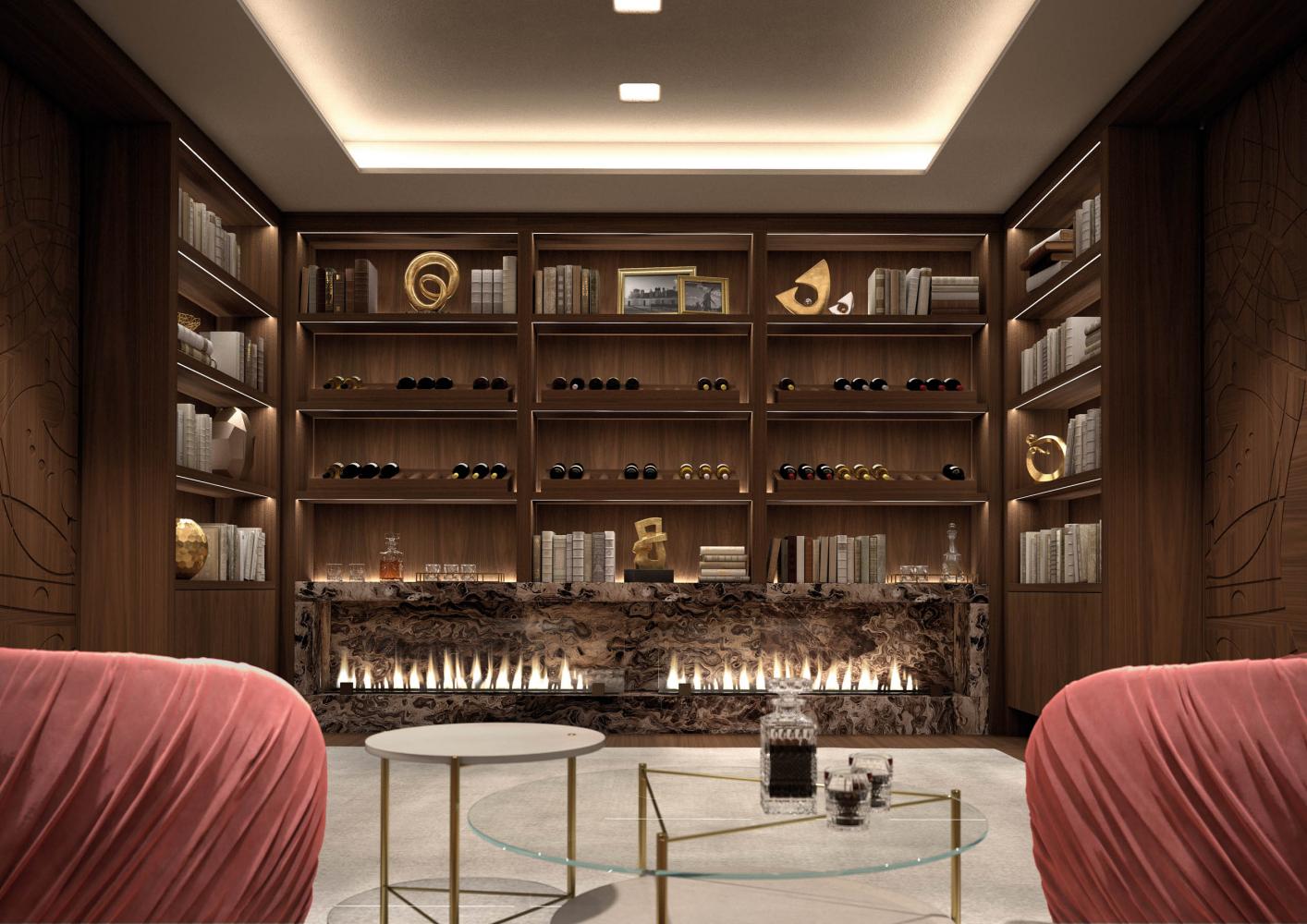
Custom millwork, on the other hand, is tailored to the exact needs of a specific project. Every piece—from wall paneling and cabinetry to reception desks and shelving—is designed, engineered, and fabricated to match the architectural context, design goals, and brand identity of the client. No two custom millwork solutions are ever alike.
Custom millwork allows for greater control over:
- Dimensions and spatial integration
- Materials and finishes
- Detailing, joinery, and decorative elements
- Functional enhancements (e.g., integrated lighting, technology ports, soundproofing)
Why Custom Millwork Matters for Branding and Design
In commercial interiors, especially in high-touch environments like luxury retail, hospitality, and professional offices, custom millwork becomes a storytelling tool. It helps translate brand values into tangible, tactile design features. The grain of the wood, the curve of a reception desk, or the color palette of wall panels—all of these contribute to creating a cohesive and immersive experience.
Moreover, custom millwork maximizes space utilization. It allows designers to build cabinetry, shelving, and built-ins that precisely fit unique spatial challenges—be it an oddly shaped lobby corner, a narrow retail corridor, or a multi-use office layout.
How Materia Crafts Custom Millwork With Purpose
At Materia Collection, custom millwork is at the heart of our practice. Every component is hand-selected, engineered, and finished with attention to how it will perform, feel, and age within a space.
We customize every element based on:
- Client identity – ensuring the tone and aesthetic align with their vision
- Functionality – designing millwork that supports day-to-day operations
- Architectural harmony – integrating seamlessly into the spatial language of the building
- Material narrative – choosing combinations that create impact and sophistication
Whether it’s a one-of-a-kind concierge desk clad in smoked oak and brass, or a series of floating display units finished in high-gloss lacquer, our custom millwork is never generic—it’s design made personal.
Millwork Materials and Finishes
| Wood Type | Appearance | Characteristics | Ideal For |
|---|---|---|---|
| Cedar | Reddish hue, straight grain | Aromatic, moisture-resistant, natural insulation | Wellness centers, spas, hospitality |
| Maple | Light cream, smooth grain | Durable, versatile, polishes well | Offices, kitchens, retail shelving |
| Red Oak | Reddish-brown, bold grain | Strong, traditional appeal | Lobbies, executive furniture |
| Walnut | Rich brown, flowing grain | Luxurious, ages beautifully | Boutique spaces, reception counters |
| Mahogany | Deep reddish-brown, fine grain | Elegant, premium appearance, dense | High-end offices, hospitality focal areas |
Popular Wood Species in Commercial Millwork
The choice of wood plays a vital role in shaping the look, feel, and character of millwork installations. Each species brings its own natural grain, tone, density, and scent—making wood selection both a technical and aesthetic decision. Below are some of the most commonly used woods in commercial interior millwork:
Cedar
- Recognized for its reddish hue and straight grain, cedar adds warmth to any environment.
- Naturally resistant to moisture and insects, making it ideal for wellness or hospitality settings.
- Offers a subtle, clean aroma that enhances sensory experience.
Maple
- Known for its light, creamy tone and fine grain.
- Offers a clean, modern look with excellent durability.
- Works well with both light and dark finishes, making it a versatile choice.
Red Oak
- Offers a rich, reddish-brown color and bold grain pattern.
- Strong and resilient, often used in high-traffic commercial areas.
- Complements both traditional and contemporary design schemes.
Walnut
- Prized for its deep brown tones and flowing grain lines.
- A luxurious option often used in executive offices or boutique retail.
- Ages beautifully and pairs well with gold, brass, or matte black accents.
Mahogany
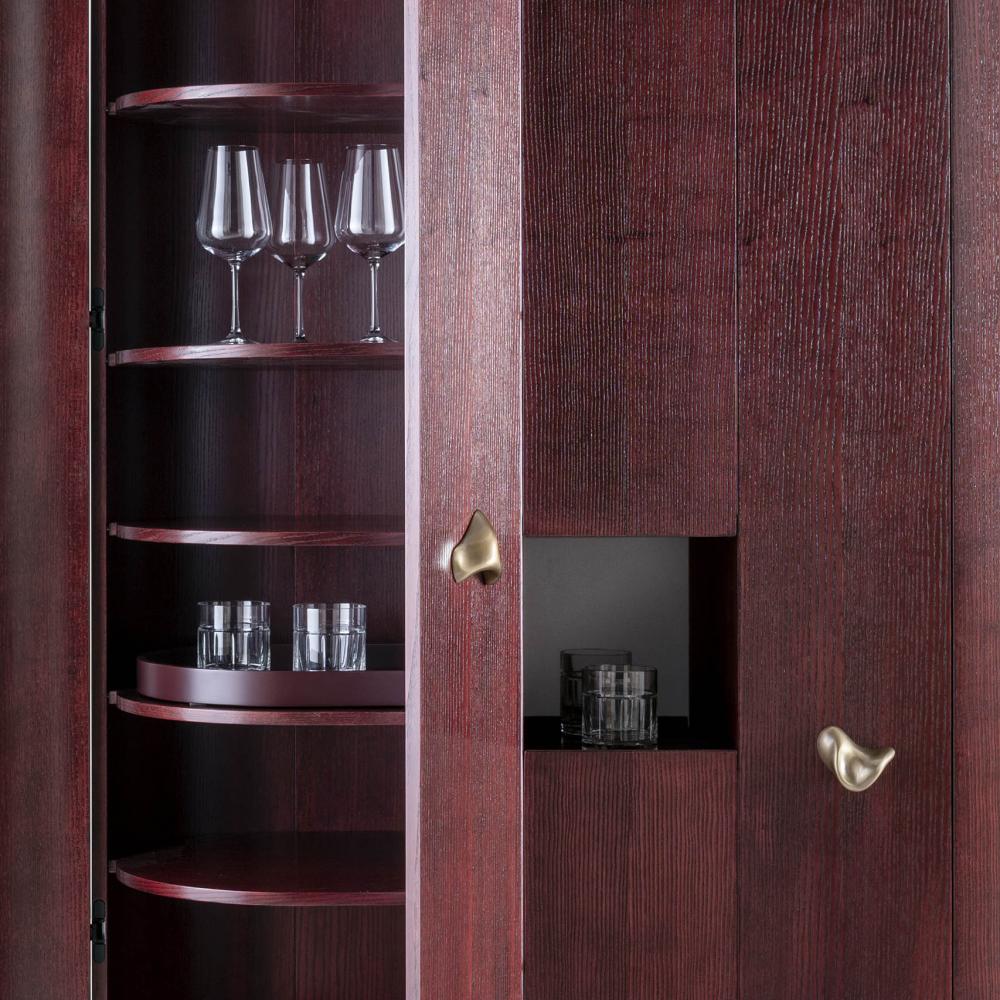
- Considered a premium hardwood, mahogany has a deep reddish-brown hue and straight, refined grain.
- Often used in luxury projects to convey sophistication and elegance.
- Highly workable and polishes to a beautiful sheen.
Material Combinations: Beyond Just Wood
Modern commercial millwork often involves the blending of wood with other premium materials, allowing for greater visual depth and functional adaptability:
- Stone: Granite, marble, or quartz countertops integrated into cabinetry or reception desks
- Metals: Brushed brass, aluminum, or stainless steel inlays, trims, and hardware
- Glass: Frosted, clear, or back-painted glass doors and shelving inserts
- Laminates and veneers: High-pressure laminates or real wood veneers for durability with a custom appearance
- Leather and fabric: Used in hospitality millwork for tactile finishes and acoustic performance
Materia expertly balances these materials with artisan-level precision, ensuring each combination serves both form and function.
Millwork Finishes: Defining Texture and Tone
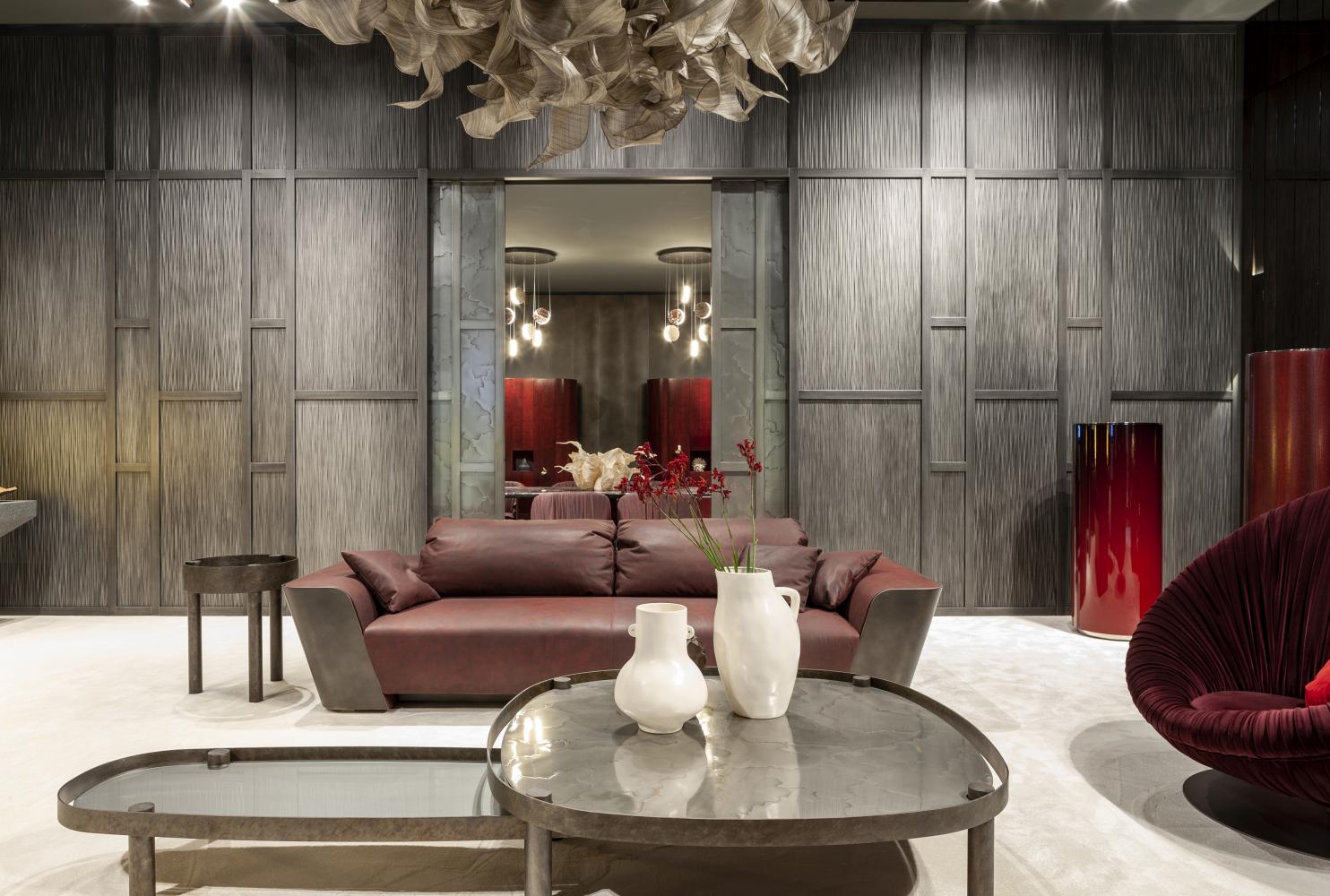
Finishing is what elevates millwork from structural necessity to artful design. The right finish brings out the wood’s character, protects the surface, and enhances the ambiance of the space. Common finish types include:
Paint
- Offers the most color control
- Ideal for modern interiors or spaces that need to align with brand palettes
- Provides a smooth, consistent surface
Stain
- Highlights the natural grain of the wood
- Can be customized to achieve warm, neutral, or dark tones
- Often used in upscale hospitality and residential-style commercial settings
Sealants
- Clear or tinted options that protect wood from moisture, UV, and wear
- Maintains a natural wood appearance while adding durability
- Essential for millwork in kitchens, bathrooms, or wellness environments
At Materia, finishes are selected not just for protection—but for sensory richness. From matte textures that absorb light to glossy veneers that reflect sophistication, every surface is treated as part of the brand and user experience.
Working With Materia Collection
A Legacy of Design, Craftsmanship, and Innovation
Founded by designer and entrepreneur Yana Pojidaeva, Materia Collection has built its reputation on offering luxury Italian-inspired furniture and millwork to discerning clients around the world. What began as a boutique showroom in Bay Harbor Islands, FL, has evolved into a global name in custom interiors, working across sectors from hospitality and retail to residential and commercial developments.
Our expertise lies in custom millwork that transforms architectural spaces into elevated experiences. Every project we touch is marked by its precision, innovation, and refined materiality.
Collaboration With Architects and Developers
Materia doesn’t just build what it’s told. We partner with architects and developers to create bespoke design solutions that blend creative vision with technical excellence. Our team is deeply involved in:
- Early concept development and feasibility studies
- Technical drafting and material consultations
- Fabrication oversight and supplier coordination
- On-site quality control during installation
Because we understand both design and construction, we speak the language of both worlds—ensuring every piece of millwork supports the integrity of the entire project.
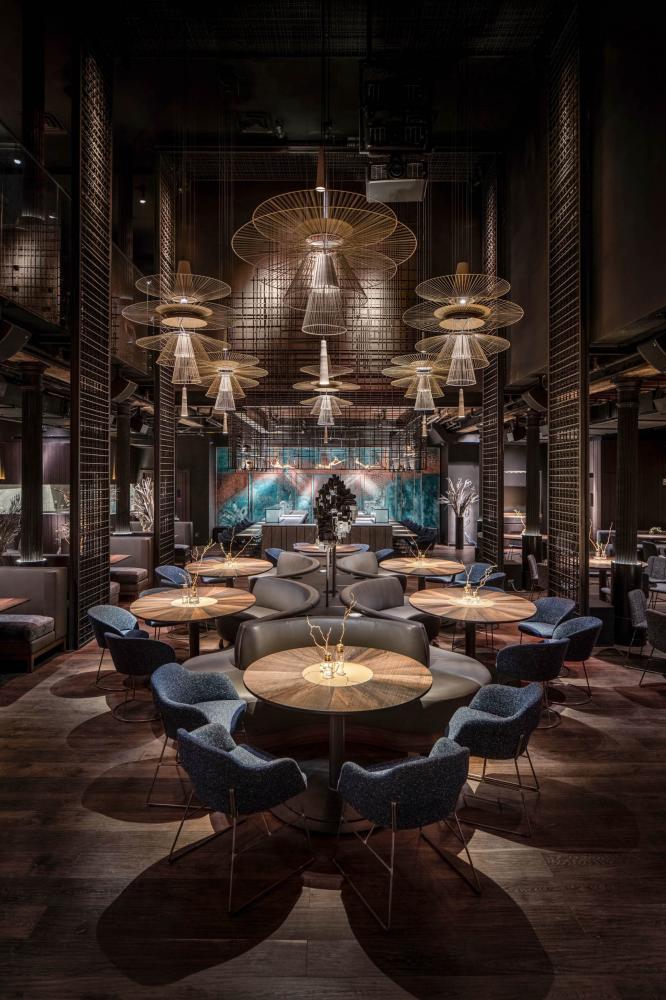
Buddha-Bar NYC
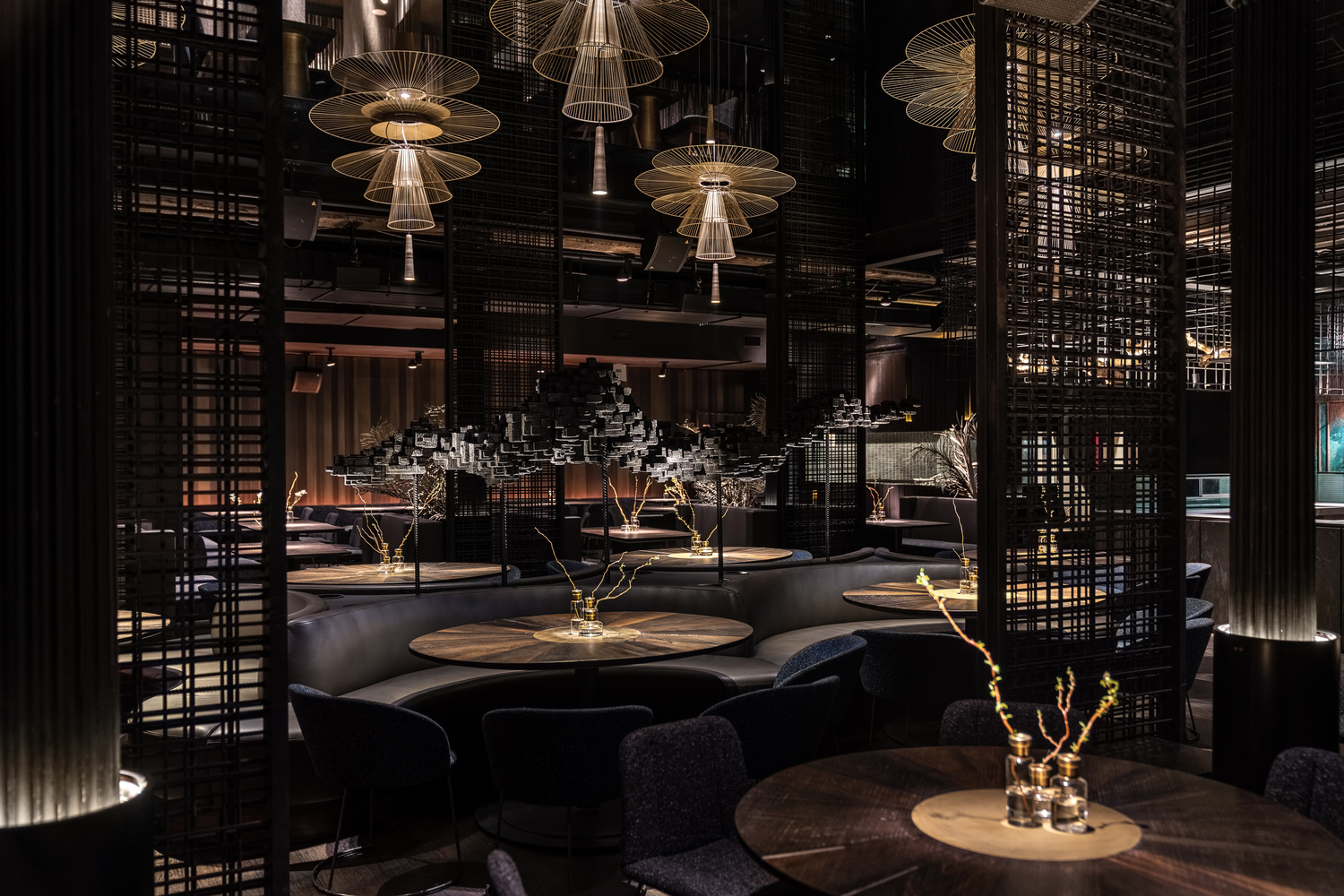
A hallmark example of Materia’s capability is the Buddha-Bar New York project. Designed by YOD Design Lab, the space required a blend of bold aesthetics and functional performance. Materia delivered a suite of custom architectural millwork elements, including:
- Maxima Stars wall panels: Featuring dimensional, light-reactive textures
- Line panels: Designed with rhythmic patterns and exotic wood grains
- Custom bar cabinetry and shelving, integrating lighting, display units, and metalwork
- Artistic overlays and stone insets, tailored to the interior’s East-meets-West theme
The result was a sensorially immersive environment where every millwork detail supported the brand’s luxury and global identity.
Our Focus: High-End Interiors Across Sectors
While our heart beats for design, our expertise lies in execution—particularly in:
- Hospitality environments: Boutique hotels, fine dining, and nightlife venues
- Commercial and corporate spaces: Reception areas, meeting rooms, executive suites
- Retail spaces: Flagship stores, luxury boutiques, and immersive brand environments
- Private residences and high-end apartments: Closets, built-ins, kitchens, and wall systems
Whether it’s a single statement piece or a full-scope millwork package, Materia delivers custom solutions that are tailored, timeless, and unmistakably refined.
If you’re an architect, developer, or brand looking to elevate your interiors through premium custom millwork, contact Materia Collection. Let’s create something timeless together.