

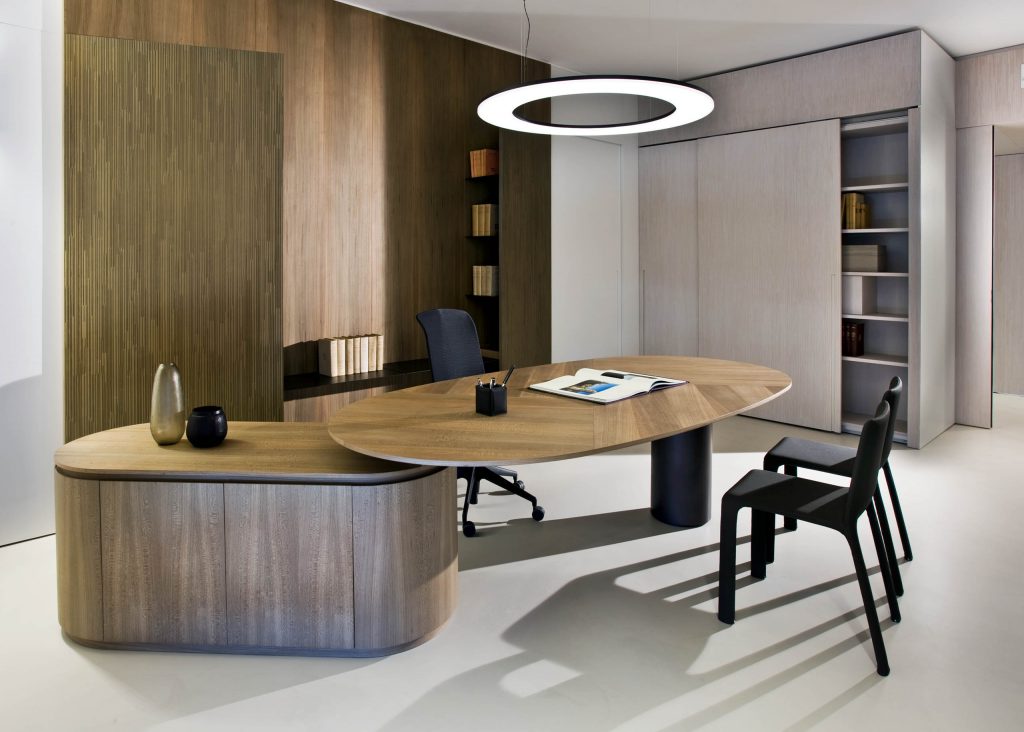
Executive office millwork is not just decorative carpentry or office storage; it is the built-in architectural layer that gives a premium workplace structure, authority and identity. In executive environments, the reception desk, conference room wall panels, custom cabinetry, credenzas, shelving, private office storage and display surfaces all influence how clients, partners and team members perceive the business.
| Office Millwork Element | Where It Works Best | Main Purpose |
|---|---|---|
| Reception desks and front-of-house cabinetry | Reception areas, waiting rooms and client arrival zones | Creates a strong first impression while hiding documents, devices and daily office clutter. |
| Executive cabinetry, credenzas and shelving | Private offices, partner offices and leadership suites | Organizes files, books, awards, technology and display objects in a refined architectural way. |
| Conference room wall panels and media walls | Boardrooms, meeting rooms and presentation spaces | Supports screens, storage, acoustic comfort, lighting and a more polished meeting environment. |
| Luxury surfaces and integrated details | Feature walls, storage walls, display areas and executive interiors | Uses veneer, lacquer, stone, metal, glass, mirror, lighting and concealed wiring to create depth and order. |
For a broader explanation of how built-in architectural woodwork functions across hospitality, retail and workplace projects, explore MATERIA’s guide to custom commercial millwork. This office-specific guide builds on the wider role of commercial interior millwork, but focuses on executive workplaces, client-facing environments and leadership spaces.
Reception areas and first impressions
The reception desk as a brand statement
A reception desk should express the company’s identity without becoming theatrical. In an executive environment, the strongest impression usually comes from proportion, materials and detailing rather than from aggressive branding. A beautifully designed desk with stone, veneer, lacquer, metal accents or integrated lighting can say more about a company’s standards than a large logo placed on a plain wall.
Reception desk millwork can be designed around many practical and visual requirements:
Brand colors and material direction
Visitor flow and arrival sequence
Privacy for front-desk staff
Hidden storage for documents, devices and office supplies
Integrated lighting at the front panel, toe kick or back wall
Stone, marble-effect or refined solid surfaces
Metal inlays for precision and contrast
Document handling and check-in procedures
Signage and logo integration
Cable management and concealed power
Accessibility and practical daily use
The visitor side of the desk should feel polished, architectural and proportionate to the room. The staff side should be functional, organized and comfortable enough for repeated daily use. If the desk looks impressive but leaves employees with poor storage, visible wires or awkward working positions, the design is incomplete.
For a law firm, reception desk millwork may need to feel established, discreet and serious. Darker wood veneer, refined stone, controlled lighting and clean detailing can help create a sense of authority. For a finance office, the tone may be similar, but with more emphasis on restraint, precision and confidentiality. For a luxury real estate office, the reception desk may become more expressive, combining stone, lacquer, shelving and display surfaces to support the brand’s market position.
Private medical and dental practices have a different need. Their reception areas should still feel premium, but they also need to feel calm, organized and reassuring. In these settings, millwork can reduce the feeling of administrative clutter by concealing files, forms, devices and supplies behind refined cabinetry. The result is a front desk that supports the practice operationally while giving patients a more composed first impression.
Design studios and architecture offices may use reception millwork more creatively. The desk can become a material statement, supported by sample displays, shelving, textured panels or sculptural surfaces. Even then, the reception area should remain clear and easy to navigate. Luxury is strongest when the space feels intentional, not crowded.
Wall panels, lighting and waiting areas
Reception millwork does not stop at the desk. The area behind the desk, the side walls, waiting area, display shelving, signage zone, lighting and concealed storage all contribute to the arrival experience. A reception desk placed against a blank wall can feel isolated. A reception desk supported by wall panels, integrated lighting and refined surfaces feels like part of a complete architectural composition.
This is where MATERIA’s Italian wall treatments become especially relevant. Wall treatments can transform a reception area from a simple waiting zone into a high-end brand environment. Instead of relying only on paint or standard wallpaper, a premium office can use decorative panels, marble-effect panels, metal-effect panels, precious stone effects, Venetian plaster, modern affresco-style wallpapers, textured or cement-inspired wallpapers, geometric wallpapers and handmade wall coverings.
The advantage is depth. A treated wall can add shadow, texture, movement and visual weight. A reception area with carefully selected wall panels feels more layered and architectural. It gives the eye something to rest on without making the room feel busy. It can also help connect the reception desk with nearby shelving, lighting, seating and corridor transitions.
Lighting is just as important as the surface itself. A wall panel system can be strengthened by concealed lighting, vertical lighting, backlighting or carefully placed sconces. Soft lighting can make a luxury reception area feel warmer and more welcoming, while sharper linear lighting can support a more modern, corporate or architectural tone. The right lighting also helps materials perform visually, especially veneer, plaster, metal, glass and textured panels.
Executive offices and custom cabinetry
Why executive offices need more than a desk
Executive offices are often used in multiple ways throughout the day. A founder may use the same office for deep work in the morning, investor calls at midday, private team conversations in the afternoon and client meetings later in the week. A law partner may need quick access to files and references, while still maintaining a highly composed environment for confidential discussions. A real estate executive may need a place to review property presentations, meet clients, display awards and store marketing materials.
Because of this, executive office millwork must be planned around real use. It should not be limited to decorative panels or a single storage cabinet. The built-in environment should support the entire rhythm of the room.
Custom cabinetry can be designed for:
Documents and files
Books and professional references
Awards, models, samples and art objects
Concealed printers and office devices
Beverage storage or hospitality items
Personal storage
Meeting materials
Display objects
Integrated media screens
Hidden power and charging access
The strongest executive offices usually balance open and closed storage. Open shelving can display books, objects, awards or curated materials, but too much open storage can become visually noisy. Closed cabinetry can conceal files, technology and supplies, but too much closed storage can make the room feel heavy or flat. A custom approach allows the balance to be adjusted to the person, the profession and the atmosphere of the office.
For example, a finance executive may prefer a more restrained wall of closed cabinetry with discreet display niches and darker materials. A design studio founder may need more open shelving for books, samples, objects and visual references. A private medical practice director may want clean, calm cabinetry that hides administrative materials and supports a more reassuring environment. A real estate office principal may need storage that supports both business operations and client-facing presentation.
This is where custom office cabinetry becomes much more than storage. It becomes a way to control the visual message of the room.
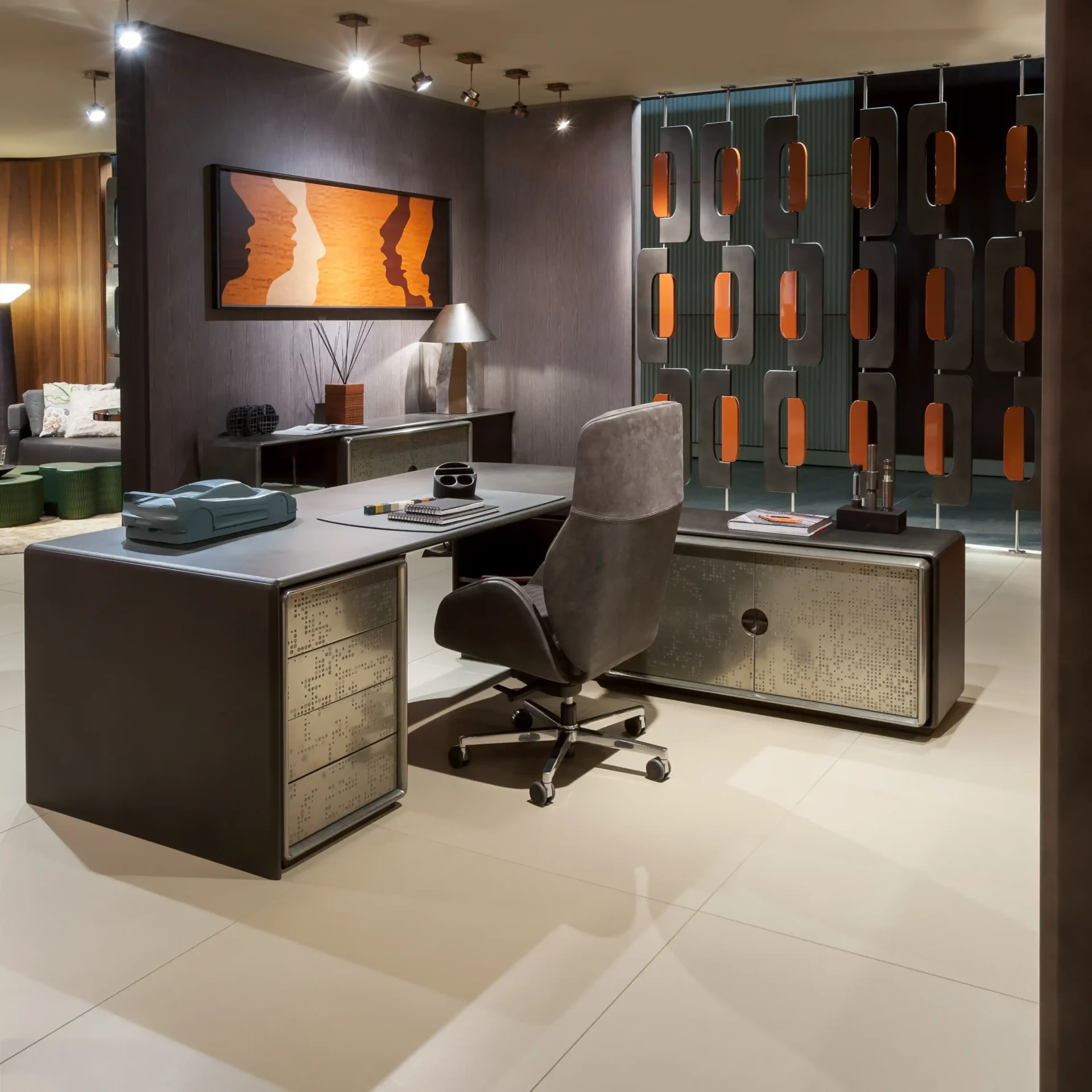
Credenzas, sideboards and shelving systems
Credenzas, sideboards and shelving systems are especially important in executive offices because they help bridge the gap between furniture and architecture. A freestanding credenza can provide storage, but when it is selected or customized as part of the wider millwork language, it can also reinforce the room’s proportions, materials and visual rhythm.
In a premium office, these elements help reduce clutter and create balance. A long, low credenza can ground a wall beneath art, mirrors or a screen. A tall cabinet can create vertical structure and conceal materials that should not remain visible. A shelving system can turn books, objects and professional references into a composed display rather than a random collection.
MATERIA’s product universe offers several directions for this kind of executive space. Collectionist Cabinet and Collectionist Buffet can support offices where display and storage need to feel refined and curated. Line Cabinet System can work beautifully in a more architectural office where proportion and clean geometry matter. ONDA Cabinet System can introduce movement and a more sculptural presence, while STARS Cabinet System or Terre Cabinet System can support a richer, more distinctive design language.
MAXIMA Cabinet System, Plain Wood Cabinet System and Decor Cabinet System offer further ways to shape the room’s character through surface, proportion and detail. Bamboo Alto Tall Cabinet and Bamboo Low Sideboard can support a warmer or more natural atmosphere. ML22 and ML23 Sideboard, BD 51 Maxima Collection Sideboard, BD 11 Maxima Collection Sideboard, BD 10 Maxima Collection Sideboard, BD 95 Maxima Collection Sideboard and Corteccia Sideboard can each inspire different approaches to executive storage, from refined and quiet to more expressive and collectible.
Talento Shelving System is particularly relevant for offices where display is part of the executive identity. In a design studio, architecture office, real estate office or luxury development company, shelving may need to hold books, project models, samples, awards, catalogs and objects. The key is to avoid the feeling of a storage rack. In an executive environment, shelving should feel curated, architectural and connected to the rest of the room.
Different cabinet systems can support different executive personalities. Some leaders need a restrained environment that communicates discipline and discretion. Others need a more sculptural space that reflects creativity, design culture or luxury positioning. Some offices should feel warm and residential, especially in private practices or boutique firms. Others should feel minimal, precise and highly corporate.
The role of millwork is to translate those priorities into surfaces, storage and built-in form.
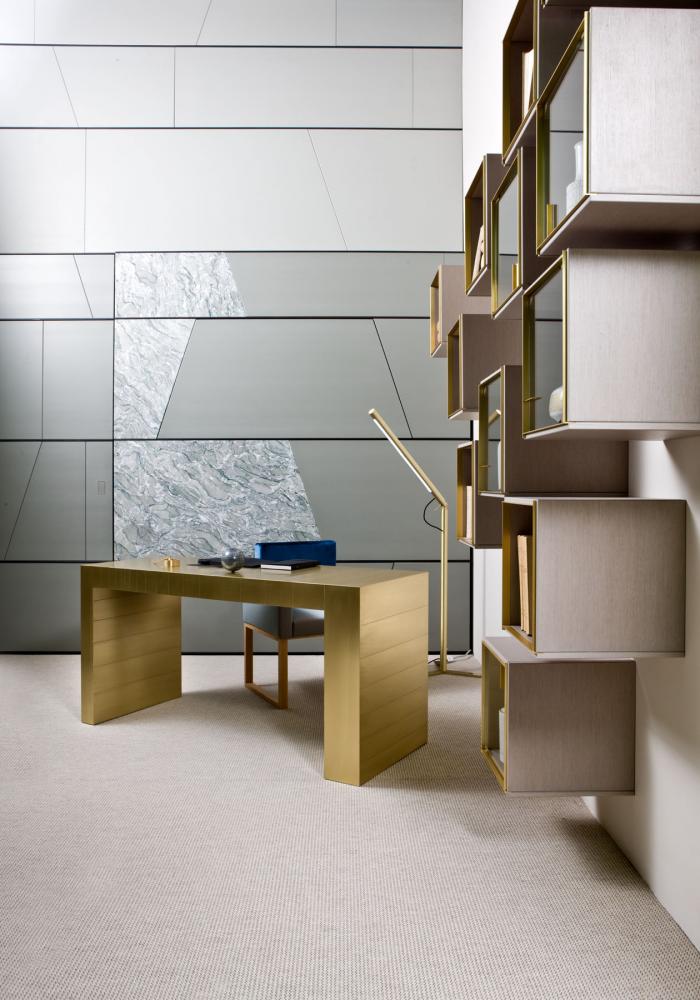
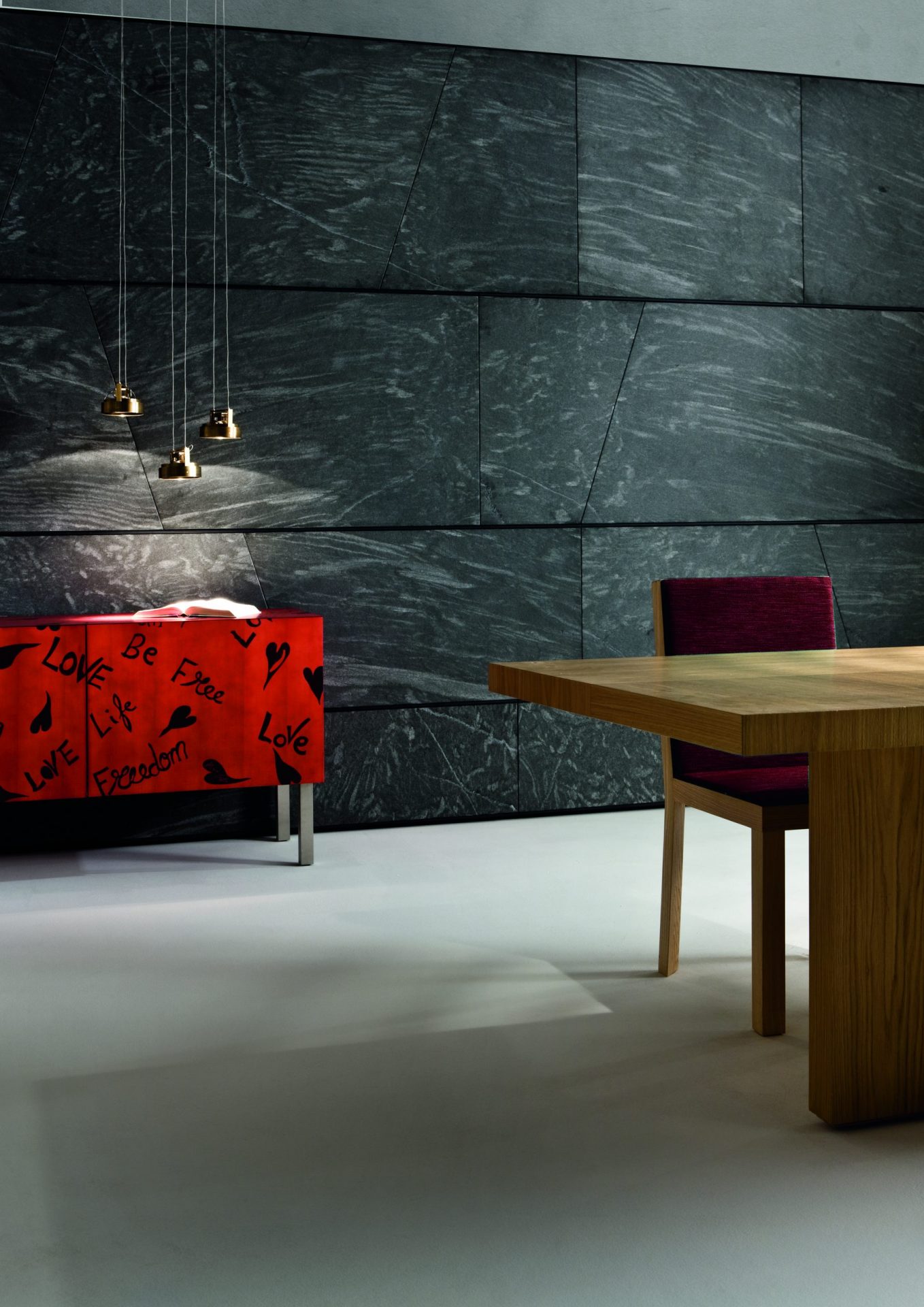
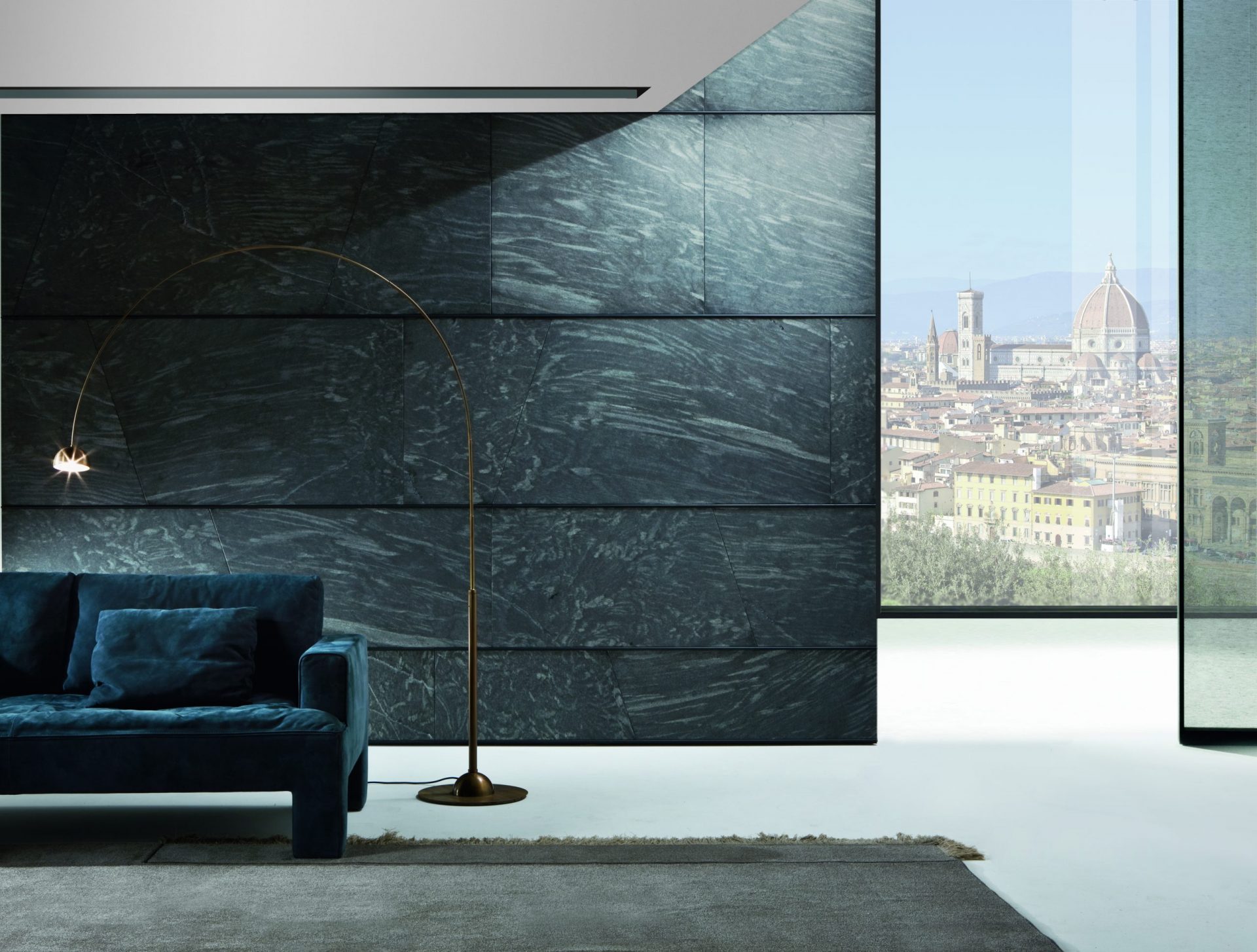


Conference rooms, wall panels and acoustic control
Conference room millwork for meetings and presentations
Conference room millwork often begins with the main wall. This may be a presentation wall, a media wall, a feature wall or a storage wall that integrates several functions. In many executive offices, this wall becomes the visual anchor of the room. It is where the screen is placed, where presentations are viewed and where people often direct their attention during meetings.
A simple painted wall with a mounted screen may be sufficient for a basic office, but premium offices usually require a more refined solution. Built-in millwork can frame the screen, conceal wiring, integrate speakers or AV equipment, add storage and connect the presentation area to the overall material palette of the office.
Conference room millwork can include:
Presentation walls
Media walls
Credenzas for equipment, documents and refreshments
Storage for samples, files or meeting materials
Integrated lighting
Concealed AV equipment
Wall panels behind screens
Custom conference tables planned in relation to surrounding millwork
Material continuity between table, wall and cabinetry
The credenza is especially important in conference rooms. It may appear simple, but it often carries a large functional load. It can store cables, remotes, presentation devices, printed materials, refreshments, glassware, samples and documents. When properly integrated, the credenza supports the meeting without becoming a visual distraction.
Conference tables should also be considered in relation to millwork, even when they are not built into the room. A Talento Table, Feel Table, Elemento Modular Table, BD 161 Maxima Collection Table or BD 01 Maxima Collection Table can help define the center of the room, but the surrounding wall panels, cabinetry, lighting and storage determine whether the full environment feels complete. The table should not feel disconnected from the walls. It should belong to the same design language.
Material continuity is the key. If the wall panels use a warm veneer, the table or credenza may echo that tone or contrast with it intentionally. If the room uses lacquer and metal details, the millwork should be precise enough to make those materials feel deliberate. If stone or marble-effect surfaces are used, they should be balanced with warmer materials so the room does not feel cold or overly formal.
Wall panels and acoustic comfort
Conference rooms often suffer from flat walls, hard surfaces and poor acoustic comfort. Echo can make conversations tiring. Long meetings can feel less comfortable when sound bounces around the room. Video calls can become more difficult when voices feel sharp or hollow. In executive environments, where discussions may be confidential, strategic or client-facing, the room should feel more controlled.
Decorative acoustic wall panels and textured wall treatments can help create a more comfortable meeting environment when they are specified properly. They can also soften the look of the room, especially when paired with wood veneer, fabric, textured panels, plaster, lighting or cabinetry.
It is important to be precise here. Acoustic performance depends on the panel type, room size, substrate, installation method, ceiling conditions, flooring, furniture and professional specification. A decorative panel should not be described as a complete acoustic solution unless its technical performance is clearly defined. However, wall treatments can absolutely support acoustic intent while also improving the visual quality of the room.
MATERIA’s Decor Acoustic Wall Panel is a useful example of how wall treatments can support both visual impact and acoustic planning. In a conference room, this kind of panel can help the wall become more than a decorative background. It can become part of the room’s comfort, rhythm and identity.
Other textured surfaces can also contribute to a more layered environment. ONDA Wall Panels can introduce movement behind a conference table or screen wall. LINE Wall Panel can support a more architectural and disciplined atmosphere. TERRE Wall Panels, TATAMI Wall Panel or JUTA Wall Panels can add warmth and tactile quality. Boiserie Panels can create a more classic executive feel, while marble-effect or metal-effect panels can support a more formal boardroom identity.
The goal is not to cover every wall with texture. The goal is to choose the right wall and give it purpose. A single well-designed feature wall can do more for a conference room than several unrelated decorative decisions.
Built-in storage and hidden functionality
Reducing visual clutter in high-value offices
Many offices accumulate visual noise gradually. A printer is placed in the corner because there is nowhere else for it to go. Extra files are stacked on a credenza. A router is left visible because the cabinet was not planned for ventilation and cable access. Samples, brochures, forms, chargers and presentation materials begin to occupy every available surface.
Over time, the office becomes functional but visually unsettled. In a high-value environment, that is a problem. Premium offices need to support work without making the work process look messy.
Custom office cabinetry can hide or organize:
Printers and scanners
Routers, wires and charging equipment
Office supplies
Legal or financial documents
Design samples
Medical or dental practice materials
Refreshment stations
Personal items
Coats and bags
Presentation equipment
The point is not to hide everything. Some objects should remain visible because they help tell the story of the company. Books, awards, models, art, materials and curated objects can add character. The problem is when every object has the same visual importance. Millwork creates hierarchy. It decides what should be displayed, what should be stored and what should disappear.
In reception areas, hidden storage can keep the visitor experience clean while allowing staff to access everything they need. In executive offices, concealed cabinetry can keep documents and devices close without letting them dominate the room. In conference rooms, built-in credenzas and storage walls can keep presentation materials ready without making the room feel like a supply closet.
Storage designed around workflow
Custom cabinetry should always be planned around how the office actually works. A beautiful wall of cabinets can still fail if it does not match the daily workflow of the team. Before choosing finishes or proportions, the project team should understand what needs to be stored, who needs access, how often items are used and whether those items should be visible or concealed.
A law firm may need secure file storage, confidential document access, built-in bookshelves and reception cabinetry that keeps client paperwork organized. The atmosphere should often feel composed, established and discreet. Storage should not create visual heaviness, but it must communicate seriousness and control.
A finance office may need private storage, clean meeting rooms and a conservative visual tone. Documents, devices and presentation tools should be easy to access but rarely visible. Closed cabinetry, refined veneer, stone surfaces and careful lighting can help support this atmosphere.
A design studio may need a completely different strategy. Samples, books, objects, models and materials may need to be visible because they are part of the studio’s creative process. In this case, custom shelving and display systems become essential. The goal is not to hide the creative material, but to organize it beautifully.
A real estate office may need presentation materials, listing packages, display screens, model storage, closing gifts, brochures and client-facing meeting areas. Millwork can help separate public presentation from back-of-house storage, allowing the office to feel polished without losing practical capacity.
A private medical or dental practice may need front-of-house cabinetry that feels calm and hygienic, while still supporting forms, devices, supplies and patient communication. In these environments, the reception area and consultation rooms should feel organized and reassuring. Custom cabinetry can help reduce visible administrative clutter and create a more confident patient experience.
This is where executive office millwork becomes more practical than a general office design conversation. It is not about choosing a beautiful surface in isolation. It is about understanding the business, the workflow and the impression the office needs to create.


Materials that create a luxury office atmosphere
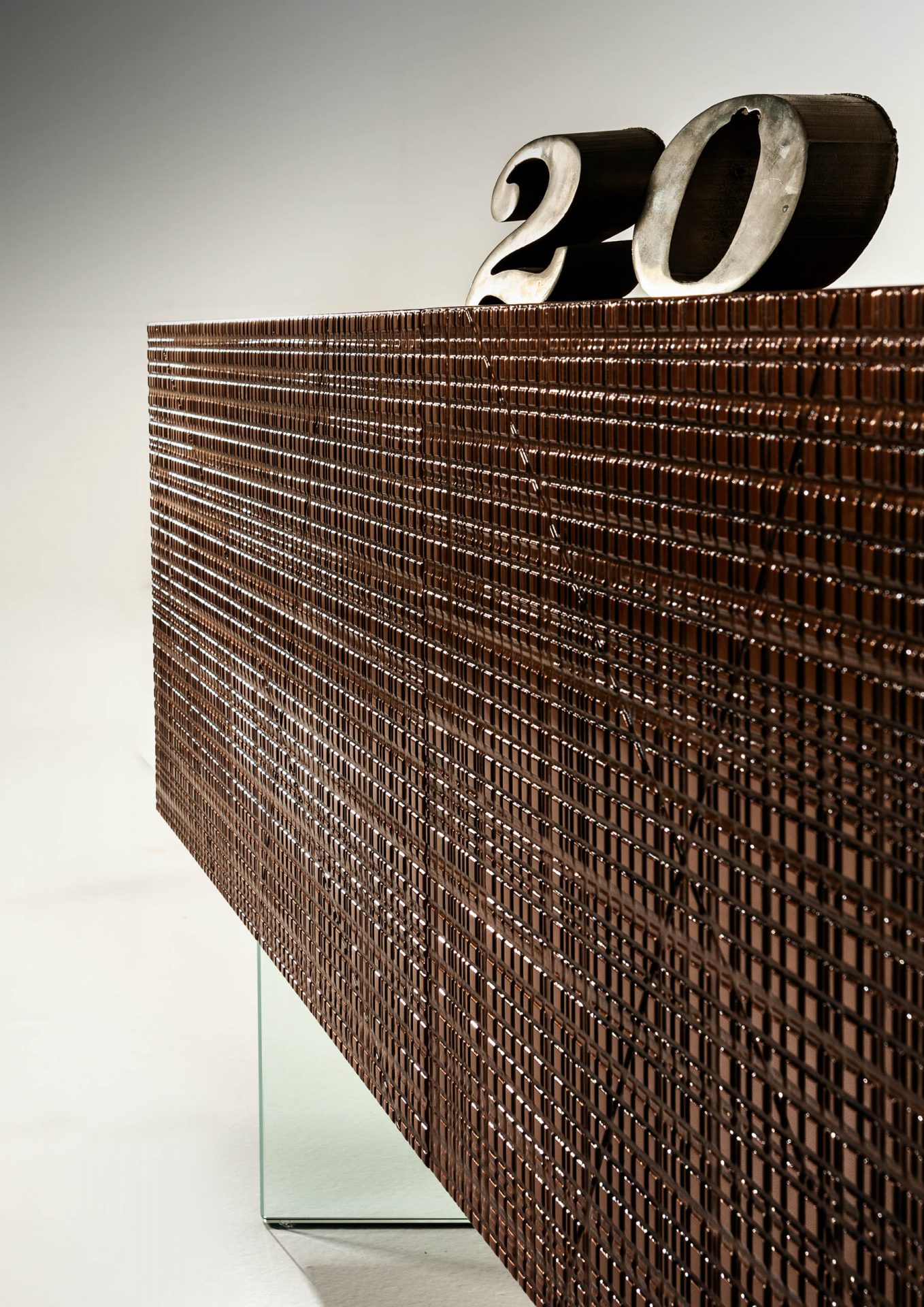
Materials determine whether executive office millwork feels merely functional or genuinely elevated. The same reception desk, cabinet wall or conference room feature wall can communicate something completely different depending on whether it is finished in flat laminate, refined veneer, lacquer, stone, metal, glass, plaster or textured panels. In luxury office interiors, material selection is not only a visual decision. It affects atmosphere, perceived value, lighting, tactility, acoustics, brand expression and the way people experience authority inside the space.
A premium office should not feel decorated after construction. It should feel composed from the beginning. The reception desk, executive cabinetry, conference room wall panels, credenzas, shelving, display surfaces and private storage should belong to the same material language. That does not mean every surface must match exactly. In fact, the most refined offices often combine contrast carefully: warm wood with cool stone, matte lacquer with brushed metal, textured panels with glass, or Venetian plaster with precise cabinetry.
For teams comparing veneer, metal, stone and luxury surface options, MATERIA’s 2026 material palette offers a deeper look at the finishes shaping premium commercial interiors.
Veneer, natural wood and refined cabinet surfaces
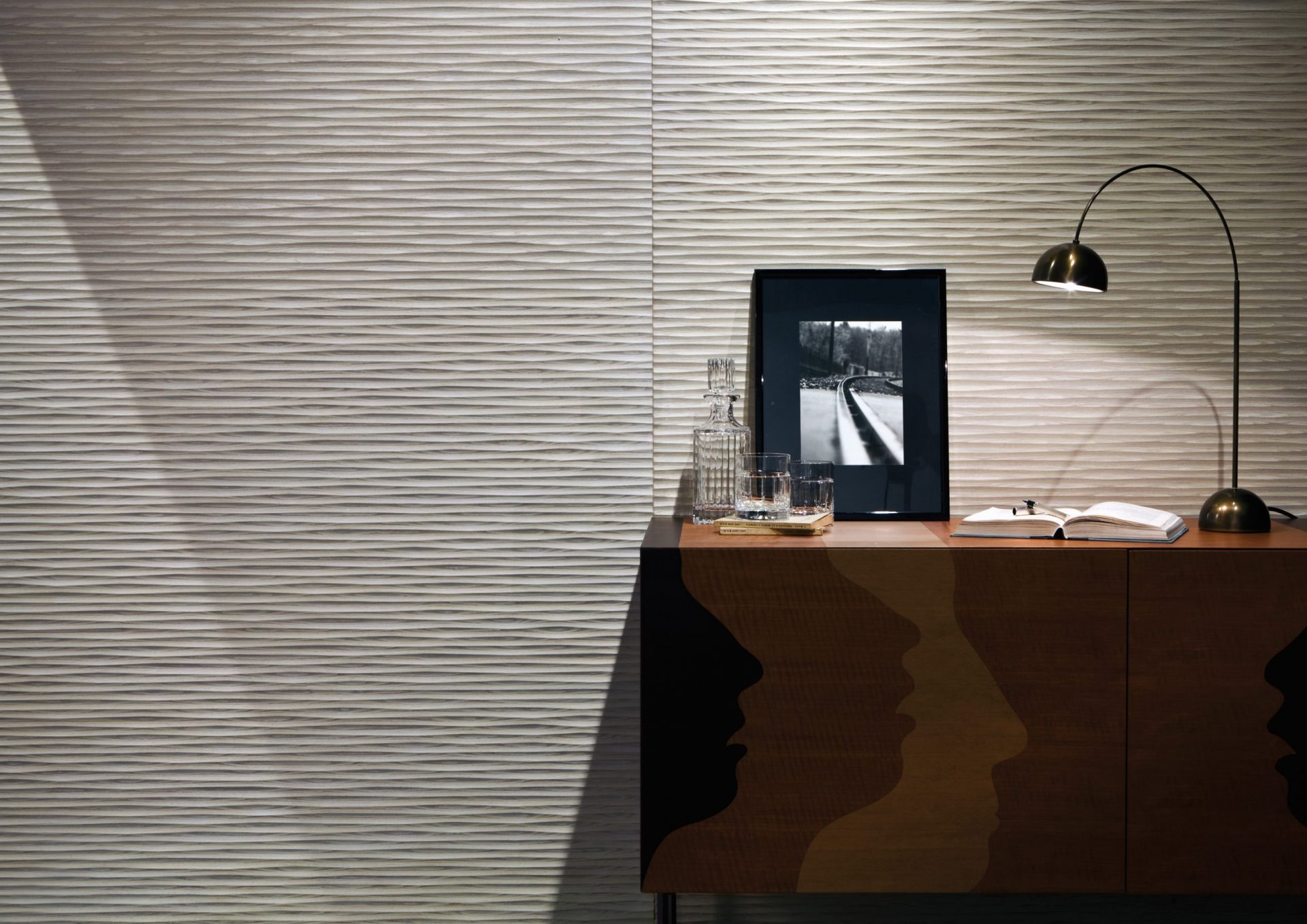
Veneer and natural wood finishes bring warmth, authority and permanence to executive office millwork. In a leadership environment, wood has a unique ability to make a room feel grounded without making it feel heavy. It softens the atmosphere, adds depth to flat surfaces and gives built-in cabinetry a more architectural presence.
This matters because executive offices are often expected to communicate stability. A founder’s office, senior partner’s office, private consultation room or boardroom should not feel temporary. When wood is used with the right proportion and finish, it gives the space a sense of continuity and confidence. It can make a room feel established, but still contemporary.
In executive office millwork, wood can appear in many forms:
Full-height cabinet walls
Built-in credenzas and storage units
Wall panels behind desks or conference tables
Shelving systems for books, objects and professional references
Reception desk fronts
Conference room media walls
Door surrounds and integrated architectural transitions
Display niches and executive back walls
Lacquer, stone, metal and glass
These materials can be combined in many ways:
Lacquer with veneer for a clean but warm executive office
Stone with metal accents for a powerful reception desk
Glass shelving with concealed lighting for display areas
Marble-effect panels with wood cabinetry for boardrooms
Metal-effect panels with lacquer for a more architectural office identity
Venetian plaster with stone and wood for a softer luxury atmosphere
MATERIA’s wall treatment categories support this level of material layering. Decorative panels with marble effect can bring visual richness to feature walls. Decorative panels with metal effect can add precision and contrast. Decorative panels with precious stones can create a more expressive luxury moment. Wallpaper textures and cement-inspired surfaces can support a modern, urban and understated office. Architecture and geometric wallpapers can introduce rhythm without relying on heavy paneling. Modern affresco and marbles collection wall coverings can give a room an artistic, Italian character. Wall panel systems and Venetian plaster can add depth, tactility and permanence.
The best executive office materials are not chosen because they look expensive in isolation. They are chosen because they support the identity of the business, the function of the room and the impression the company wants to leave.
Textured panels and Italian wall treatments
Walls in executive offices should not be treated as blank background by default. In many premium workplaces, the wall is the largest uninterrupted surface in the room. If it is ignored, the office may feel unfinished even when the furniture is expensive. If it is treated carefully, it can become one of the strongest architectural elements in the space.
Wall treatments create depth, softness, rhythm and brand character. They can make a reception area feel more memorable, a conference room feel more composed and an executive office feel more complete. Unlike a loose decorative object, a wall treatment becomes part of the architecture. It changes the way light moves across the room and the way materials are perceived.
Venetian plaster is a strong example of this kind of finish. As a traditional Italian technique made with slaked lime and marble, Venetian plaster can create a smooth, reflective and refined surface. It gives walls a sense of depth that ordinary paint cannot achieve. In an executive office, this can create a calm but luxurious atmosphere, especially when paired with wood cabinetry, stone details, warm lighting and carefully selected furniture.
Wall panel systems offer another level of flexibility. They can incorporate wood, metal, glass, fabric, lighting, sound or storage depending on the project goals. In a reception area, a wall panel system might frame the desk, integrate signage and conceal storage. In a boardroom, it might support acoustic intent, presentation walls and lighting. In a private executive office, it might create a backdrop for the desk while connecting with surrounding cabinetry.
MATERIA’s wall treatment offering includes many directions that can be adapted to executive office environments. Decor Acoustic Wall Panel can support spaces where comfort and sound control are important. ONDA Wall Panels can create movement and visual rhythm. JUTA Wall Panels and TATAMI Wall Panel can add tactile softness. STARS Wall Panel, BAMBOO Wall Panel, MAXIMA Wall Panel, LINE Wall Panel, TERRE Wall Panels and DECOR Wall Panel can each help shape a different office atmosphere. Boiserie Panels can support a more classic architectural tone, while DUNE Wall Panels can introduce a more dynamic contemporary surface.
Executive office millwork by professional sector
Law firms
Law firm interiors need to communicate authority, privacy and trust. Clients often arrive with serious matters, sensitive information or high-value decisions. The office should feel organized, established and discreet from the first moment.
Reception desk millwork plays a major role in that impression. A law firm reception area should not feel improvised or overly casual. Refined wood, stone, lacquer, metal accents and controlled lighting can create a front-of-house experience that feels serious without becoming cold. The reception desk should also protect staff privacy, conceal paperwork and support clear document handling.
Executive office cabinetry is equally important. Attorneys and partners may need access to files, books, case materials and confidential documents, but those items should not overwhelm the room visually. Built-in storage walls, credenzas and book shelving can help organize legal materials while preserving a polished executive atmosphere.
For law firms, darker veneers, precise cabinetry, refined wall panels and discreet storage often work especially well. Boiserie Panels, warm wood surfaces, stone accents and architectural shelving can help balance tradition with a more modern executive environment. The result should be a space that feels confident, not decorative for its own sake.
Conference rooms in law firms also require careful planning. These spaces may host client meetings, negotiations, depositions, partner discussions or private strategy sessions. Conference room millwork should support screen integration, document storage, acoustic comfort and a professional backdrop. The room should feel controlled, confidential and prepared.
Finance and investment offices
Finance and investment offices are built on trust, discretion and control. Clients want to feel that the firm is careful, stable and capable of managing important decisions. The interior environment should support that perception through order, material quality and restraint.
In this sector, luxury does not need to be loud. It often works best through precise detailing, darker wood tones, stone surfaces, metal accents, clean reception desk millwork and uncluttered executive offices. The design should feel polished but not theatrical. Every surface should suggest discipline.
Reception areas in finance offices should be clear, calm and confident. A custom reception desk with stone, veneer or metal detailing can immediately communicate professionalism. Concealed storage helps staff manage documents and devices without exposing operational clutter. Wall panels behind the desk can add depth and authority without relying on excessive branding.
Executive offices need closed storage, hidden technology and carefully controlled display. Too many visible objects can weaken the sense of discretion. Custom cabinetry can conceal files, devices and supplies while allowing selected books, art or awards to remain visible. The goal is not emptiness, but composure.
Conference rooms in finance environments should support presentations, confidential conversations and decision-making. Integrated media walls, built-in credenzas, concealed AV equipment and acoustic wall panels can help the space function smoothly. Stone, lacquer, dark veneer and bronze or brushed-metal details can create a premium atmosphere suited to serious discussions.
Real estate offices and developers
Real estate offices and development firms often need to present value visually. The office may be used to meet buyers, investors, partners, property owners, brokers or design teams. It may also need to display project materials, models, maps, brochures, renderings and portfolio work.
For this reason, millwork in real estate offices should support both organization and storytelling. Reception areas need to communicate market position. Conference rooms need to support presentations. Executive offices need to feel polished enough for high-value conversations. Storage needs to handle marketing materials, project documents and display pieces without creating clutter.
A custom reception desk can set the tone immediately. Stone, lacquer, veneer, metal accents and integrated lighting can help the space feel aligned with premium property markets. Wall panels and display shelving can support brand storytelling, especially when the office needs to communicate luxury, development quality or design sophistication.
Conference rooms are especially important for real estate companies and developers. These rooms may be used to present projects, review plans, discuss investments or host client meetings. Conference room millwork can integrate screens, storage, project samples, presentation surfaces and lighting. Large tables can be supported by surrounding cabinetry and wall panels so the room feels like a complete presentation environment.
Display shelving can be valuable in this sector. Models, material samples, awards, books and project objects can help communicate credibility. The key is to curate them carefully. Custom shelving and cabinet systems can turn these items into a controlled visual story rather than a crowded collection.
Design studios and architecture offices
Design studios and architecture offices often have more expressive needs. Their workspace is not only a place to work; it is also a demonstration of their design intelligence. Clients may judge the studio partly by the office itself. Materials, storage, display systems and meeting spaces all become part of the studio’s identity.
These offices often need sample libraries, material walls, integrated shelving, flexible meeting spaces and visually expressive millwork. Unlike finance or law offices, where discretion may be the dominant tone, design studios can allow more openness and creative display. However, creativity still needs structure. Without custom storage, samples and objects can quickly become visual clutter.
Talento Shelving System is especially relevant for design studios and architecture offices because it can support display, storage and curation. Modular systems can also be useful when the studio needs flexibility, evolving storage or different ways to organize materials. A combination of open shelving, closed cabinetry, work surfaces and display walls can support both daily use and client presentations.
Wall treatments can play a major role in this sector. Textured panels, geometric wall coverings, modern affresco finishes, cement-inspired surfaces, metal-effect panels and wood panel systems can all communicate material awareness. The office can become a physical portfolio, but it should still feel controlled and professional.
Conference rooms in design studios should support pin-ups, screen presentations, sample review and collaborative discussion. Millwork can integrate storage for samples, conceal technology and create strong presentation walls. The best design studio offices feel creative without feeling chaotic.
Private medical and dental practices
Private medical and dental practices have a different relationship with atmosphere. The office should feel premium, organized and professional, but it should also feel calm and reassuring. Patients may arrive with anxiety, uncertainty or concern, so the physical environment should support trust and comfort without making medical claims.
Reception desk millwork is particularly important in private practices. The front desk needs to manage forms, devices, scheduling, payment, communication and staff workflow, but the patient-facing side should remain clean and composed. Custom cabinetry can hide administrative clutter while keeping everything accessible.
Wall panels and warm finishes can help soften the space. Wood veneer, textured panels, soft lighting, lacquered cabinetry and carefully selected stone or stone-effect surfaces can create an environment that feels more refined than a standard clinical office. For dental practices, cabinetry also needs to support a clean, organized impression. For private medical practices, the reception and consultation areas should feel calm, orderly and confidential.
Storage is essential in these environments. Supplies, documents, personal items, devices and practice materials should have a clear place. Built-in cabinetry can prevent the front-of-house area from feeling crowded or operationally exposed. Consultation rooms and private offices can also benefit from custom storage that keeps the room professional during patient conversations.
The goal is not to make a private practice feel like a hotel lobby or a luxury boutique. The goal is to create a refined healthcare environment where order, warmth and trust work together.



Ergonomic and operational considerations
Executive office millwork must look refined, but it also needs to support how people actually work. A beautiful reception desk, storage wall or conference room cabinet can fail if it blocks movement, makes technology difficult to access or forces staff into uncomfortable daily routines. In premium office planning, practical performance is part of luxury.
Cabinetry should never block movement, overwhelm the room or make daily technology harder to use. It should create a more efficient environment while making the office feel calmer and more refined.
Seating is part of the wider executive office experience, but it is not the subject of this article. For readers planning the full executive workspace, seating can be considered separately through MATERIA’s guide to choosing a luxury office chair, while this article remains focused on built-in office millwork.
The best executive office millwork is quiet in use. Doors close smoothly. Technology is available but not visible. Documents are stored but easy to retrieve. Staff can work without fighting the furniture. Clients see a polished environment without being exposed to the operational complexity behind it.
Planning office millwork with MATERIA
An executive office millwork project should begin with purpose, not finish. Before choosing veneer, stone, metal, lacquer or wall panels, the project team needs to understand how each room works and what the office needs to communicate. A beautiful material palette cannot fix a poorly planned reception desk, an undersized conference room credenza or cabinetry that does not support daily workflow.
Coordinate millwork early with designers, architects and contractors
Custom millwork should be planned early because it affects many parts of the project. Cabinetry, wall panels, reception desks and conference room storage often connect with electrical work, lighting, AV, wall structure, flooring transitions, ceiling details, delivery access and installation sequencing.
If millwork is planned too late, compromises become more likely. Outlets may be in the wrong place. Screen walls may not have proper backing. Lighting may not align with panels. Cabinet doors may conflict with circulation. AV equipment may lack ventilation or access. Flooring may stop awkwardly at built-ins. These issues can make even expensive materials feel poorly executed.
Early coordination allows the millwork to feel integrated. The reception desk can be planned with power, lighting, storage and staff workflow. The conference room wall can be coordinated with screens, speakers, lighting and acoustic intent. Executive cabinetry can be dimensioned around real storage needs. Wall panels can align with doors, ceilings, furniture and lighting.
For teams budgeting a premium workplace project, understanding commercial interior design fees early can help align scope, materials and construction expectations before millwork details are finalized.
This early planning is especially important when the office uses high-end materials. Veneer matching, stone selection, metal details, lacquer finishes, custom cabinetry systems and Italian wall treatments require careful coordination. Luxury is not only in the material itself. It is in the precision of how the material is measured, detailed, fabricated and installed.
New York executive offices and premium commercial interiors
New York executive offices often require a high level of precision because space is valuable and expectations are high. Founders, private practices, law firms, finance offices, developers, design studios and commercial office teams need interiors that work hard without feeling crowded. Every wall, cabinet, reception desk and meeting room surface has to justify its presence.
In compact offices, custom millwork can create storage where standard furniture would waste space. A built-in cabinet wall can replace several loose storage pieces. A reception desk can integrate staff storage, privacy, lighting and visitor flow in one tailored element. A conference room credenza can conceal AV equipment and meeting materials without taking over the room. Wall panels can add depth and identity without consuming significant floor area.
For local projects, MATERIA’s experience with New York custom interior millwork is especially relevant for offices where space planning, material quality and visual precision need to work together.
New York also places strong pressure on first impressions. Clients, partners and investors often compare offices quickly. A premium office does not need to be large to feel impressive, but it does need to be intentional. Millwork helps create that intentionality. It allows a business to express its identity through materials, proportions and organization rather than relying only on square footage.
For a Manhattan law office, that may mean refined paneling, discreet storage and a strong conference room. For a finance office, it may mean darker veneer, stone details and concealed technology. For a design studio, it may mean material walls, open shelving and flexible presentation zones. For a private practice, it may mean calm reception cabinetry, warm wall treatments and clean storage.
Planning a premium executive office, private practice, conference room or reception area? Contact MATERIA Collection to discuss custom office millwork, Italian wall treatments, cabinetry systems and luxury finishes tailored to your project.

Frequently Asked Questions - Executive Office Millwork
What is executive office millwork?
Executive office millwork refers to custom-built architectural elements for premium workplaces, including reception desks, built-in cabinetry, wall panels, shelving, credenzas, media walls and integrated storage.
How is office millwork different from office furniture?
Office furniture is usually movable, while office millwork is built into the space. Millwork is planned around architecture, storage, workflow, materials, lighting and brand identity.
What areas of an office benefit most from custom millwork?
Reception areas, executive offices, conference rooms, private meeting rooms and storage walls benefit most because they influence first impressions, organization, privacy and daily workflow.
Can custom office cabinetry hide printers, files and technology?
Yes. Custom office cabinetry can conceal printers, wires, routers, files, supplies, AV equipment and personal items while keeping them accessible for daily use.
Is executive office millwork suitable for law firms and private practices?
Yes. Law firms, finance offices, real estate offices, design studios and private practices often use executive office millwork to create a more organized, refined and client-focused environment.
When should office millwork be planned in a commercial project?
Office millwork should be planned early, alongside interior design, architecture, lighting, AV and electrical coordination, so cabinetry, wall panels and reception areas feel fully integrated.