

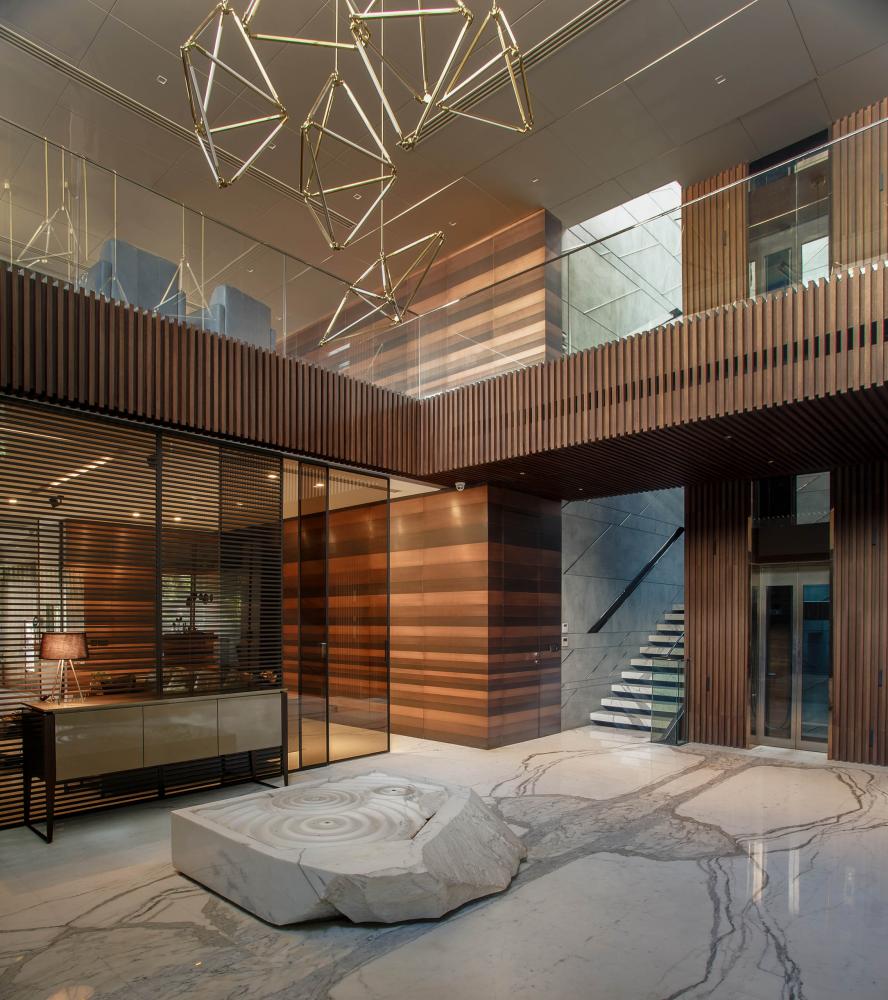
Luxury hotel interior design is more than just opulent materials and exquisite décor; it is an art form that shapes the entire guest experience. The world’s finest hotels do not achieve their prestigious status simply through grandeur but by carefully balancing aesthetics, functionality, and emotion to create an immersive, memorable stay. Every detail, from the texture of the fabrics to the ambient lighting, is meticulously chosen to evoke a sense of refinement, exclusivity, and comfort.
At the heart of 5-star hospitality décor lies an unwavering commitment to craftsmanship, storytelling, and innovation. Luxury is not only seen—it is felt. Whether through the seamless flow of an open-concept lobby, the inviting warmth of a private suite, or the perfectly orchestrated lighting in a dining space, high-end hotels curate environments that go beyond visual appeal. These spaces must be welcoming, functional, and timeless.
The Foundations of Luxury Hotel Interior Design
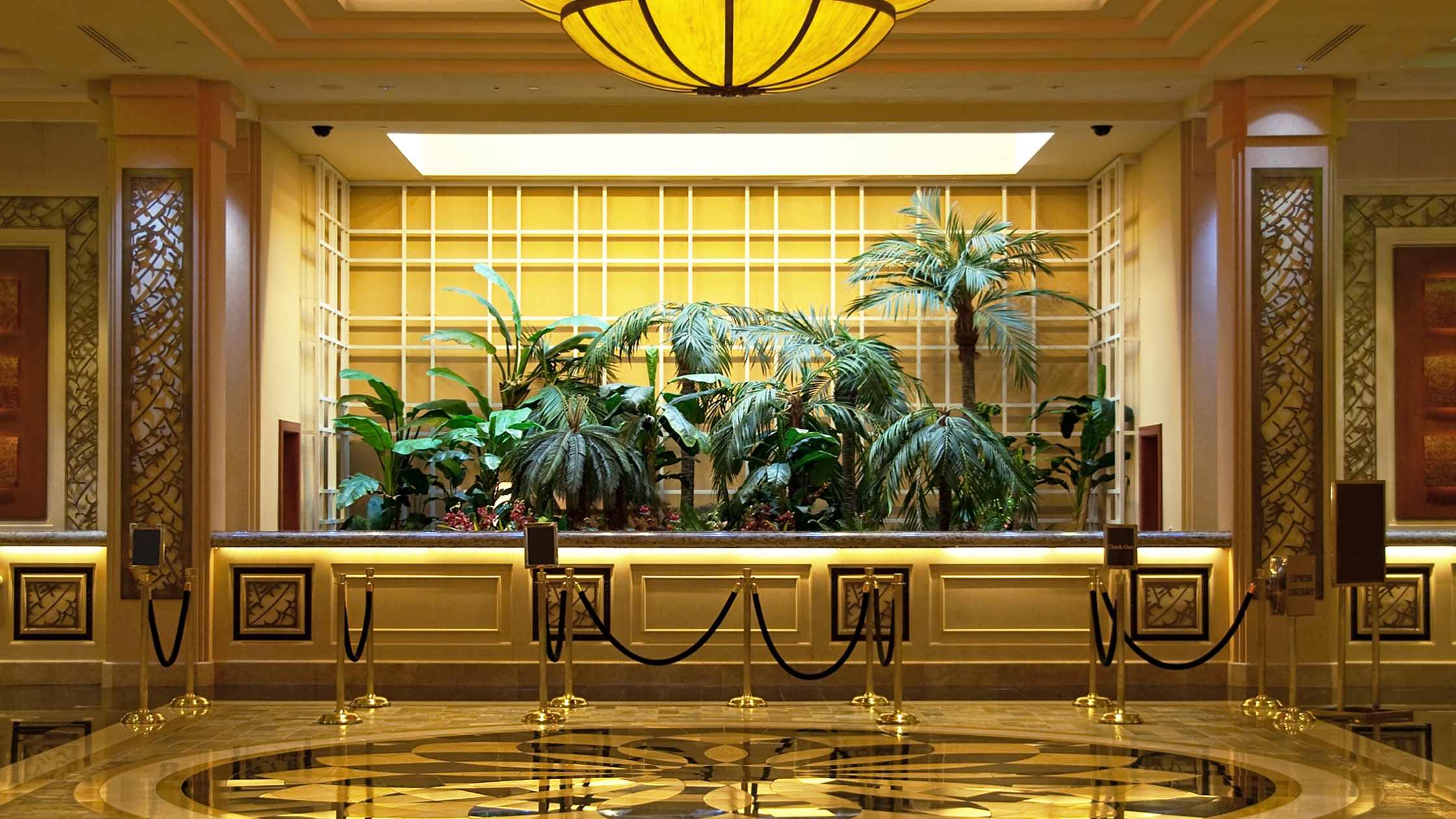
Luxury hotels are designed to exude a sense of timeless elegance, ensuring their interiors remain relevant and sophisticated for decades. While trends in interior design evolve, high-end hotels prioritize longevity, investing in classic design elements, high-quality materials, and a carefully curated ambiance. The result is an environment that feels effortlessly refined, resisting the ephemeral nature of short-lived design fads.
Timeless Elegance: Why High-End Hotels Prioritize Longevity Over Trends
The most iconic luxury hotels—whether historic grand establishments or contemporary design marvels—share a common principle: they are built to last. The decision to avoid fleeting design trends ensures a hotel’s relevance across generations. Classic elements such as natural stone, artisanal woodwork, and high-end fabrics contribute to an interior that ages gracefully.
Key factors that define timeless luxury hotel interior design:
- Architectural integrity – Many high-end hotels retain or restore historic architectural elements, blending them with modern refinements.
- Classic material choices – Luxurious materials such as marble, brass, onyx, and velvet add depth and permanence to a space.
- Refined color palettes – Neutral tones combined with bold accents in jewel tones create a sense of understated grandeur.
- Attention to craftsmanship – Custom-made furniture, intricate moldings, and handwoven textiles add artisanal value.
Luxury hotels like The Ritz Paris, Aman Tokyo, and The Four Seasons Florence illustrate how impeccable craftsmanship and enduring design choices keep these properties relevant while maintaining an air of sophistication that never feels outdated.
Exclusive Hotel Aesthetics: How Luxury Hotels Set Themselves Apart
In a competitive industry where luxury is expected, the world’s most prestigious hotels distinguish themselves through unique and exclusive design concepts. Each property tells a visual and sensory story, immersing guests in a carefully orchestrated environment that reflects a distinct identity.
Elements that contribute to exclusive hotel aesthetics include:
- Bespoke design elements – From custom furniture to one-of-a-kind chandeliers, these touches create a unique ambiance.
- Site-specific inspiration – Many luxury hotels draw from local culture, heritage, and natural landscapes to develop distinctive interiors.
- Art-driven spaces – Hand-selected artwork, sculptures, and decorative pieces enhance the character of a space.
- Sophisticated symmetry – A carefully structured layout and spatial arrangement contribute to a feeling of effortless refinement.
Examples:
- The St. Regis New York – Classic Beaux-Arts interiors mixed with modern opulence.
- Bulgari Hotel Milan – Italian craftsmanship blended with minimalist sophistication.
- Burj Al Arab, Dubai – Lavish Arabian influences fused with contemporary grandeur.
Each of these hotels embodies a cohesive design narrative, ensuring that every element, from the lobby to the suites, complements the overall aesthetic vision.
5-Star Hospitality Décor: The Importance of a Cohesive, Curated Environment
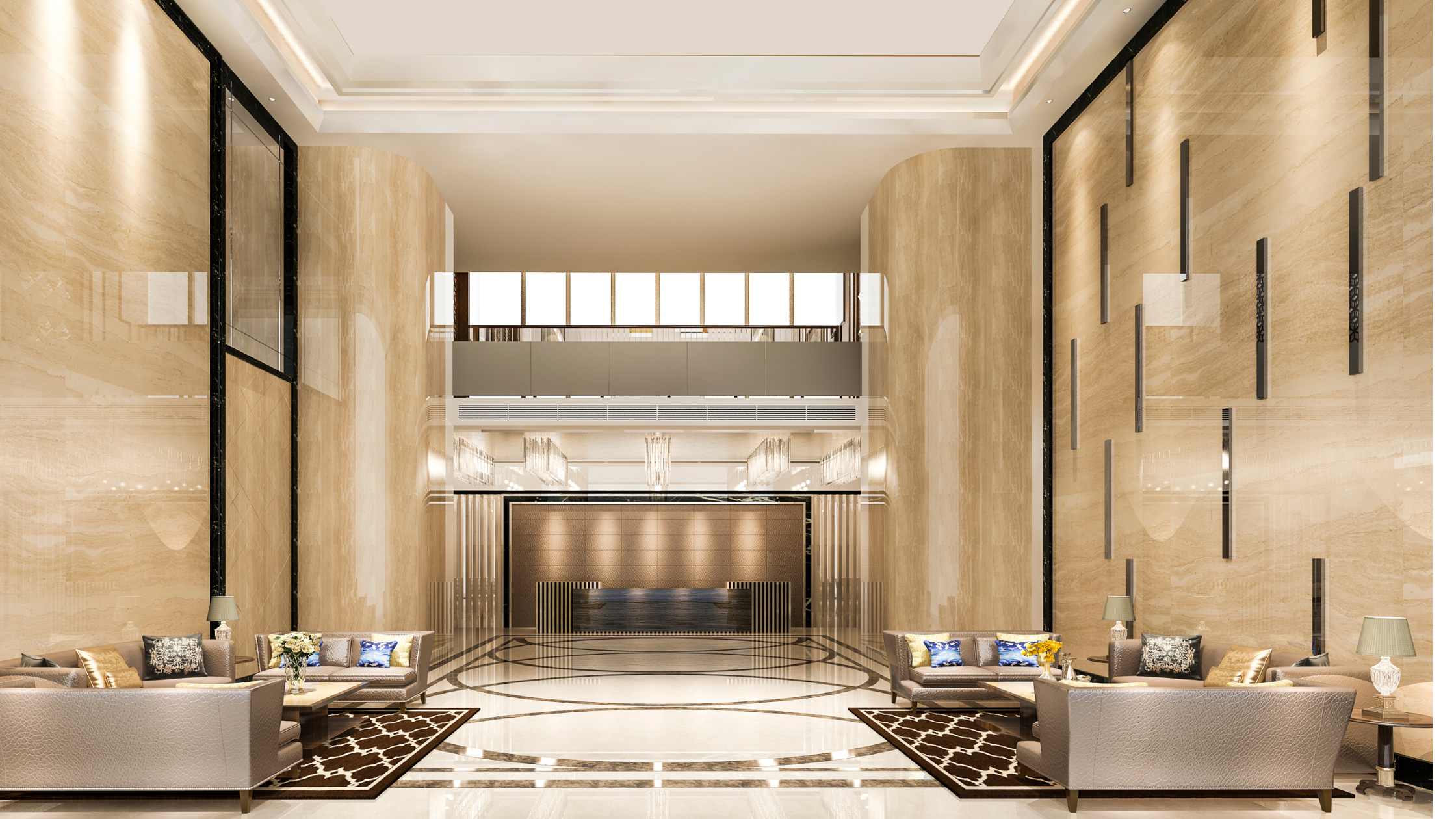
Luxury hotels curate their interiors with the same precision as an art gallery curates an exhibition. The decor must tell a story, guiding guests through an immersive experience that remains consistent throughout the property. Every room, hallway, and common area must contribute to a unified atmosphere, seamlessly blending luxury with comfort.
Elements that define 5-star hospitality décor:
- Holistic design continuity – Each space transitions smoothly into the next, avoiding jarring design inconsistencies.
- Material consistency – High-end materials such as natural wood, glass, and metals are used throughout to create a harmonious aesthetic.
- Signature design motifs – Whether it’s geometric patterns, botanical influences, or historical references, a recurring motif enhances brand identity.
- Elegant minimalism vs. layered opulence – Some hotels opt for a sleek, modernist approach, while others embrace rich, layered textures and decor.
From classic heritage hotels to ultra-modern retreats, the core principles of timeless elegance, exclusivity, and curated décor define what makes a luxury hotel extraordinary. The most sought-after destinations do not merely offer accommodation—they create an environment where guests feel transported into a world of refinement and comfort.
Thoughtful Selection of Every Element: Furniture, Fixtures, and Artwork
Every luxury hotel has a design story that unfolds from the moment a guest enters. Whether it is classic European opulence, sleek contemporary minimalism, or exotic cultural motifs, each element in the hotel’s interior must align with this narrative.
- Furniture as Functional Art
Luxury hotels do not rely on mass-produced furniture; instead, they commission custom-designed pieces that enhance the space and elevate comfort. Handcrafted headboards, sculptural seating, and bespoke coffee tables are selected for their unique aesthetic contribution and tactile luxury. The materials—Italian leather, rich walnut wood, or hand-carved stone—play a role in creating a lasting impression. - Statement Fixtures and Lighting
The chandeliers, pendant lights, and sconces in a 5-star hotel are not merely sources of illumination—they are statement pieces that define the ambiance of a room. Crystal chandeliers evoke timeless grandeur, while sculptural modern lighting introduces a sense of innovation and drama. - Curated Artwork
The role of fine art in luxury hotels is paramount. Instead of generic prints, high-end hotels invest in original works by renowned artists, hand-woven tapestries, and sculptures that provide cultural depth. Hotels like The St. Regis and The Ritz-Carlton incorporate museum-worthy collections into their spaces, enhancing the sense of exclusivity and refinement.
Harmonious Color Palettes: Setting the Mood with Sophisticated Tones
Color is one of the most powerful tools in interior design, capable of shaping emotions and influencing a guest’s perception of luxury. A carefully chosen color palette ensures a seamless flow across spaces while setting the desired ambiance.
- Neutral Sophistication
Many of the world’s top luxury hotels opt for a base of soft neutrals—ivory, taupe, greige, and warm gray—to create a calming and timeless aesthetic. These tones provide an elegant backdrop for bolder accent colors. - Pops of Rich, Jewel-Toned Accents
While a neutral foundation ensures longevity, luxury hotels often incorporate deep emerald greens, sapphire blues, and opulent burgundies to add a sense of regal refinement. These colors are introduced through plush upholstery, handwoven rugs, and curated artwork. - Cohesion Across Spaces
A well-executed luxury hotel interior ensures that colors are cohesive across the lobby, corridors, suites, and dining areas, avoiding jarring transitions that disrupt the sense of flow.
Artistic Flourishes: The Role of Fine Art and Sculptures in High-End Hospitality
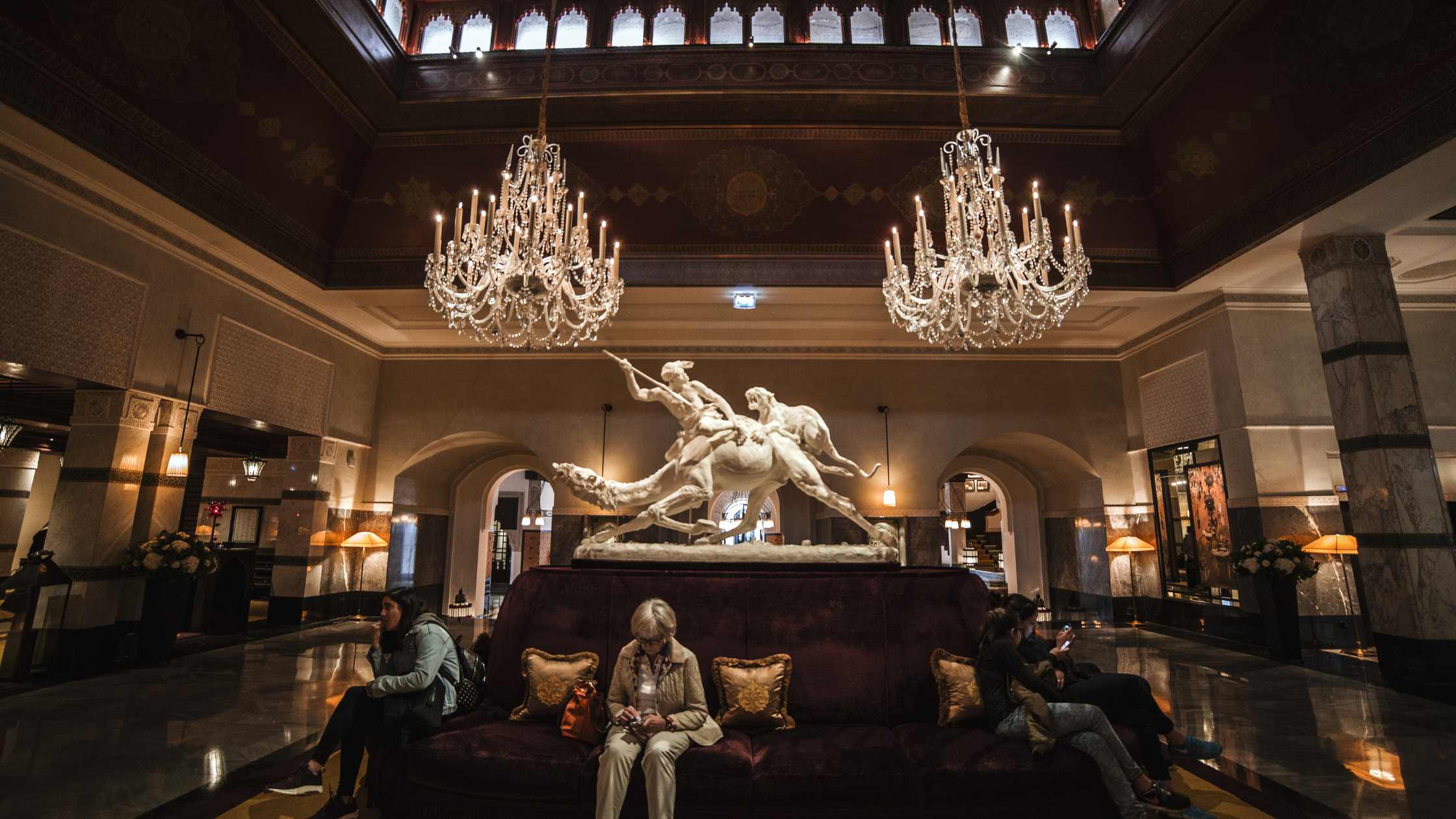
Art serves as a visual and intellectual centerpiece in ultra-luxury hotels. No longer just decorative, carefully curated paintings, murals, and sculptures become an integral part of the design narrative.
- Investing in Cultural Significance
Many luxury hotels commission exclusive pieces from acclaimed artists, integrating local culture and history into their interiors. A stunning example is The Rosewood Hong Kong, which houses a private collection of contemporary Chinese artwork. - Sculptural Statement Pieces
Grand lobbies often feature large-scale sculptures that anchor the space—whether a marble sculpture reminiscent of Renaissance artistry or a bold modern metal installation. - Textural and Mixed-Media Art
Beyond traditional paintings, luxury hotels introduce woven wall hangings, glasswork, and even digital art installations that create an immersive visual experience.
Sumptuous Materials: The Tactile Experience of Plush Fabrics, Marble, and Gilded Finishes
One of the defining characteristics of luxury hotel interior design is the use of rich, tactile materials that heighten the sensory experience.
- Marble and Stone
From dramatic book-matched marble walls in lobbies to hand-carved stone vanities in guest suites, natural stone exudes opulence. Luxury hotels source the finest Carrara marble, Calacatta gold, and black Marquina stone to craft bespoke flooring, countertops, and tabletops. - Velvet and Cashmere Upholstery
Plush textures are a hallmark of 5-star hospitality décor. High-end hotels use silk-lined draperies, velvet armchairs, and cashmere throws to enhance comfort and visual richness. - Gilded Accents and Polished Metals
Brass, gold leaf, and polished nickel appear in the form of table legs, wall paneling, and decorative trims, adding an air of refinement and timeless beauty.
| Category | Description | Why It Matters |
|---|---|---|
| Bespoke Design | Custom-made furniture tailored to fit the hotel’s aesthetic and brand identity. | Ensures uniqueness, exclusivity, and alignment with brand storytelling. |
| Premium Materials | Only the finest materials are used, including rare woods, marble, velvet, silk, and hand-forged metals. | Enhances both durability and the sensory experience for guests. |
| Handcrafted Excellence | Skilled artisans create each piece with precision, ensuring superior craftsmanship. | Adds a touch of exclusivity and preserves traditional craftsmanship. |
| Ergonomic & Functional | Luxury hotel furniture balances beauty with comfort and usability. | Ensures guests experience both aesthetic delight and physical comfort. |
| Timeless Aesthetic | Designed to outlast trends, incorporating classic forms with contemporary accents. | Prevents interiors from feeling outdated while maintaining historical prestige. |
| Smart Integration | Modern furniture integrates smart features like wireless charging, touch-sensor lighting, and hidden storage. | Enhances the guest experience by merging convenience with high-end design. |
| Signature Pieces | Statement furniture that acts as a focal point in the room or lobby. | Creates a sense of grandeur and distinguishes the hotel’s aesthetic. |
| Sustainability & Eco-Luxury | Use of reclaimed wood, natural fabrics, and eco-friendly finishes to reduce environmental impact. | Appeals to eco-conscious travelers while maintaining luxury aesthetics. |
| Cultural Influence | Furniture often reflects regional heritage, blending local craftsmanship with contemporary design. | Enhances the authenticity and uniqueness of the guest experience. |
| Multi-Functional Design | Pieces that serve multiple purposes without compromising luxury. | Maximizes space efficiency while maintaining elegance. |
Balancing Aesthetics, Functionality, and Guest Experience
While aesthetics define the visual appeal of a luxury hotel, practicality and comfort are equally important in shaping the guest experience. A well-designed space is not only beautiful but intuitive.
Luxury with Practicality: Designing Spaces That Are Both Stunning and Comfortable
True luxury is effortless. A high-end hotel anticipates a guest’s every need, ensuring that beauty does not come at the expense of functionality.
- Ergonomic furniture placement that allows guests to move freely.
- Smart room technology that enhances comfort without disrupting aesthetics.
- Storage solutions seamlessly integrated into furniture pieces.
Guest Flow and Usability: Intelligent Layout Planning
A luxury hotel must feel effortless to navigate. Intelligent layout planning ensures that guests move smoothly from check-in to their rooms, restaurants, and other amenities.
- Grand yet welcoming lobbies with clear sightlines and seating zones.
- Intuitive wayfinding design using subtle cues in lighting and material changes.
- Spacious corridors that maintain both visual elegance and practicality.
Multi-Purpose Spaces: Combining Beauty with Functionality
The finest hotels seamlessly integrate multi-use spaces, ensuring that lobbies, lounges, and dining areas are equally practical and visually captivating.
- Lobby lounges that double as informal meeting spaces.
- Dining areas that transition from morning breakfast buffets to evening fine dining.
- Guest suites designed for both relaxation and business.
Attention to Detail: The Small Choices That Elevate Luxury
Luxury lives in the details. Some of the most impactful aspects of a guest’s experience come from seemingly minor details.
- Custom-embroidered linens and personalized in-room stationery.
- Soft-close drawers, soundproof doors, and motion-sensor lighting.
- Hand-selected mini-bar offerings curated for the region.
By fusing aesthetics with usability, luxury hotels ensure that every guest interaction with the space is flawless, effortless, and unforgettable.
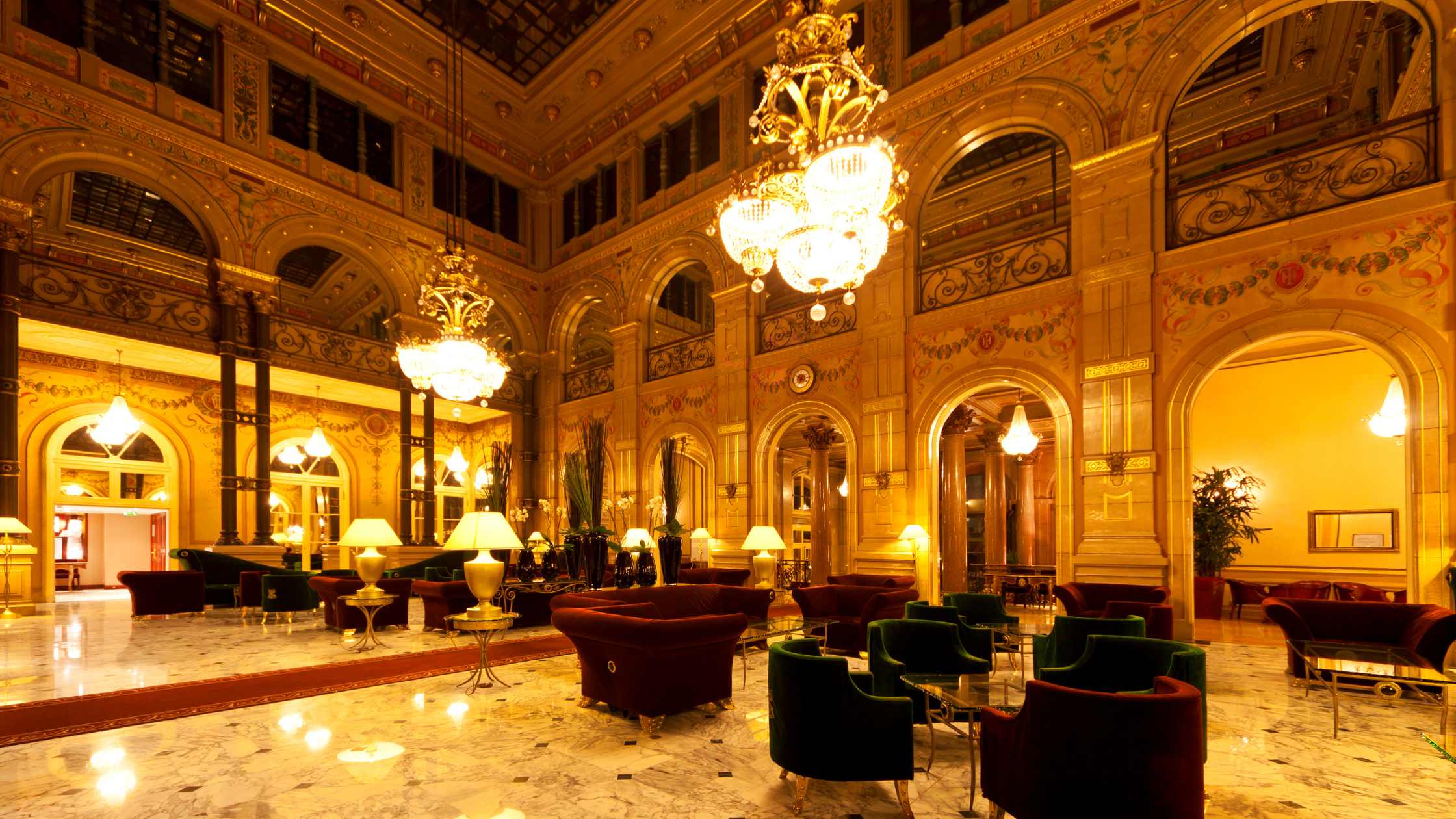
Custom-Made Furniture: The Signature of Ultra-Luxury Hospitality
One of the defining elements of luxury hotel interior design is the use of custom-made, designer furniture that reflects exclusivity, craftsmanship, and attention to detail. Unlike mass-produced furniture, bespoke pieces are designed specifically for a hotel’s unique identity, ensuring that no two properties feel the same. From hand-carved wooden headboards to marble-topped coffee tables and sculptural lounge chairs, every item in a high-end hotel is curated to enhance both aesthetics and functionality.
The Process of Commissioning Custom Pieces for a Hotel’s Brand Identity
The process of creating bespoke hotel furniture is a meticulous journey that requires collaboration between designers, hoteliers, artisans, and architects. Every detail, from the curvature of a chair armrest to the texture of a dining table’s surface, is meticulously considered to reinforce the hotel’s aesthetic and brand positioning.
1. Concept Development & Aesthetic Vision
The first step in designing custom furniture for a luxury hotel is understanding the property’s design concept, cultural influences, and branding goals.
- Will the interiors exude classic European elegance, modern minimalism, or artistic eclecticism?
- Does the hotel have a historical narrative that needs to be reflected in the furniture?
- How will the furniture enhance guest comfort while maintaining an air of exclusivity?
2. Collaboration with Master Artisans
Luxury hotels work with world-class furniture designers and artisans to develop pieces that combine innovative techniques with time-honored craftsmanship. This ensures that each item is as much a work of art as it is a functional furnishing.
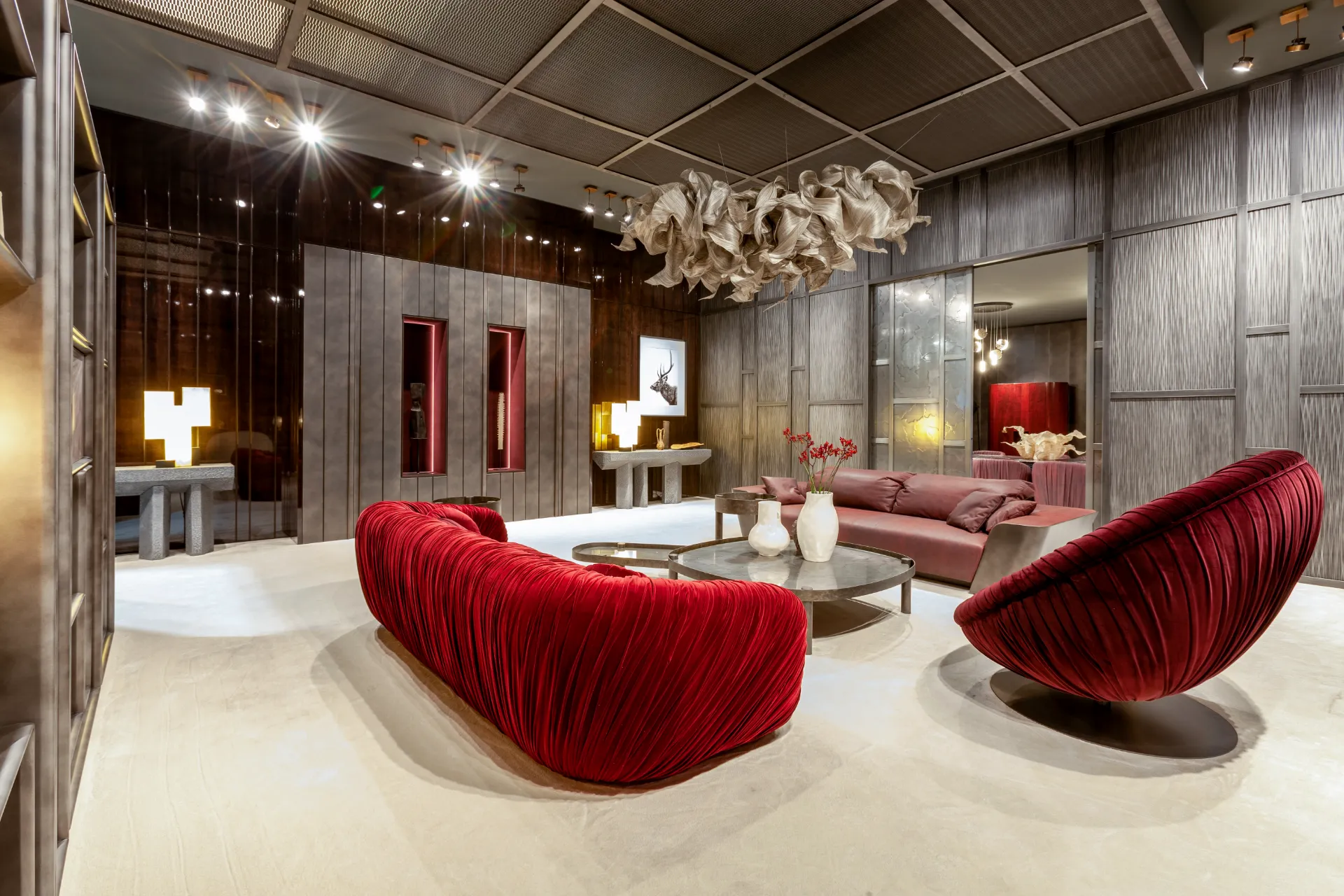
3. Material Selection
The choice of materials significantly impacts the perception of luxury and durability. High-end hotels select:
- Exotic hardwoods (mahogany, walnut, ebony) for their rich grain and longevity.
- Marble and stone (Carrara marble, travertine, onyx) for tabletops and vanities.
- Handwoven textiles (silk, cashmere, velvet) for upholstery.
- Leather and suede for deep-seated lounge chairs and bed backboards.
4. Prototyping and Refinement
Before full-scale production, artisans create prototype models of custom furniture. This step allows for:
- Adjustments to ergonomics and dimensions to ensure guest comfort.
- Fine-tuning of finishes and textures to achieve the perfect look.
- Testing durability for high-traffic areas like hotel lobbies and suites.
5. Installation & Final Detailing
Once the furniture is crafted, it is carefully installed, ensuring that:
- Each piece fits harmoniously within the space.
- The furniture enhances the ambiance without overpowering the design.
- The final detailing, such as hand-stitched seams and gold-leaf accents, meets luxury hospitality standards.

The Power of Lighting in 5-Star Hospitality Décor
Lighting is one of the most essential elements in luxury hotel interior design. It goes beyond functionality, serving as an integral part of mood-setting, architectural enhancement, and guest experience refinement. The right lighting transforms spaces, adding depth, warmth, and grandeur to lobbies, guest rooms, dining areas, and spas.
Illuminating Elegance: How Lighting Impacts Mood and Ambiance
In high-end hotels, lighting design is a science and an art, influencing how guests perceive and interact with their surroundings.
- Welcoming Entrances: Grand lobbies are defined by statement chandeliers, recessed lighting, and artful sconces, creating an ambiance of prestige and sophistication.
- Relaxing Guest Rooms: Warm, adjustable lighting in suites and bedrooms fosters intimacy and tranquility.
- Dramatic Dining Spaces: Fine dining areas use low-hanging pendant lights and candlelit accents to create an atmosphere of exclusivity and romance.
- Serene Spa and Wellness Areas: Indirect lighting, often concealed within architectural features, evokes a calming, meditative state.
Luxury hotels incorporate dimmers, warm LED hues, and layered lighting techniques to enhance both function and ambiance, ensuring that guests feel both comforted and enchanted.
The Three Layers of Luxury Hotel Lighting Design
Luxury hotels use a three-tiered lighting strategy to ensure a balance between practicality, aesthetics, and mood control.
1. Ambient Lighting: Warmth and Coziness
This is the foundation of hotel lighting, creating an even, welcoming glow throughout the space.
- Ceiling cove lighting in suites and lobbies softens shadows and enhances architectural details.
- Soft diffused lighting in bathrooms avoids harsh reflections, maintaining a luxurious, spa-like quality.
2. Task Lighting: Practicality in Rooms and Suites
High-end hotels integrate focused, functional lighting to accommodate guest needs without disrupting the aesthetic balance.
- Bedside lamps with adjustable brightness allow for comfortable reading.
- Backlit bathroom mirrors provide soft illumination for grooming.
- Desk lamps and under-counter lighting in workspaces cater to business travelers.
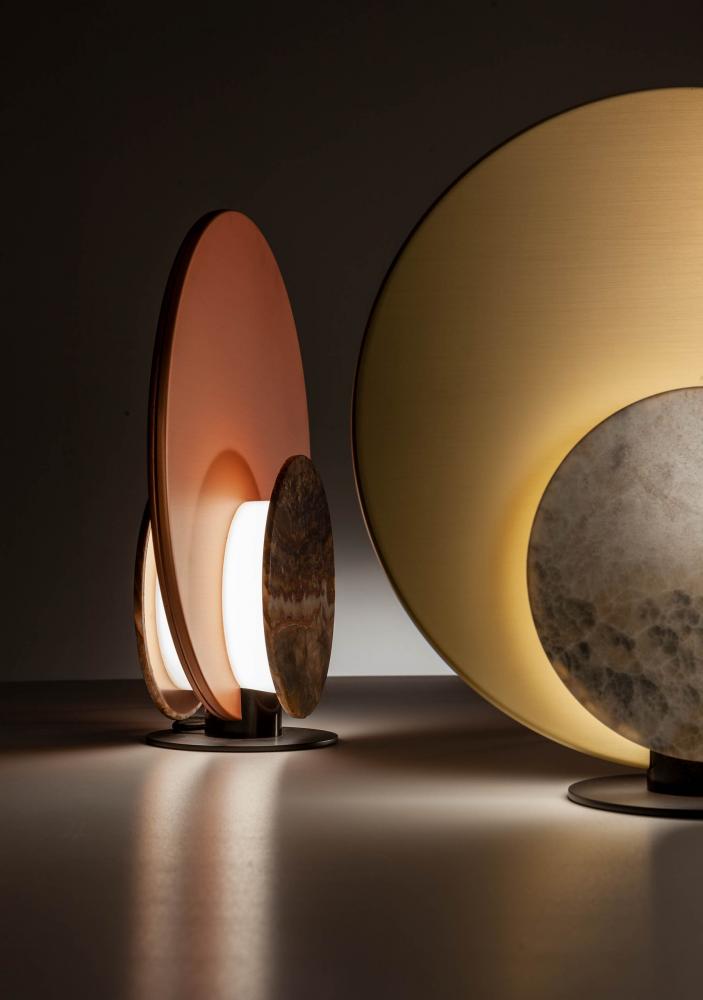
3. Accent Lighting: Highlighting Architectural Beauty and Artwork
Accent lighting is used to draw attention to unique design features such as art installations, statement furniture, and structural elements.
- Spotlights on sculptures or paintings create a museum-like effect.
- Wall sconces and recessed uplighting highlight textured surfaces like exposed brick or intricate moldings.
- LED strip lighting under floating vanities or staircases enhances a sense of modern luxury.
The Use of Statement Chandeliers, Wall Sconces, and LED Innovations
Modern luxury hotels incorporate a mix of classic grandeur and contemporary technology in their lighting schemes.
- Statement Chandeliers: Iconic hotels use Murano glass, hand-cut crystal, and gilded metalwork to create stunning focal points in lobbies and ballrooms.
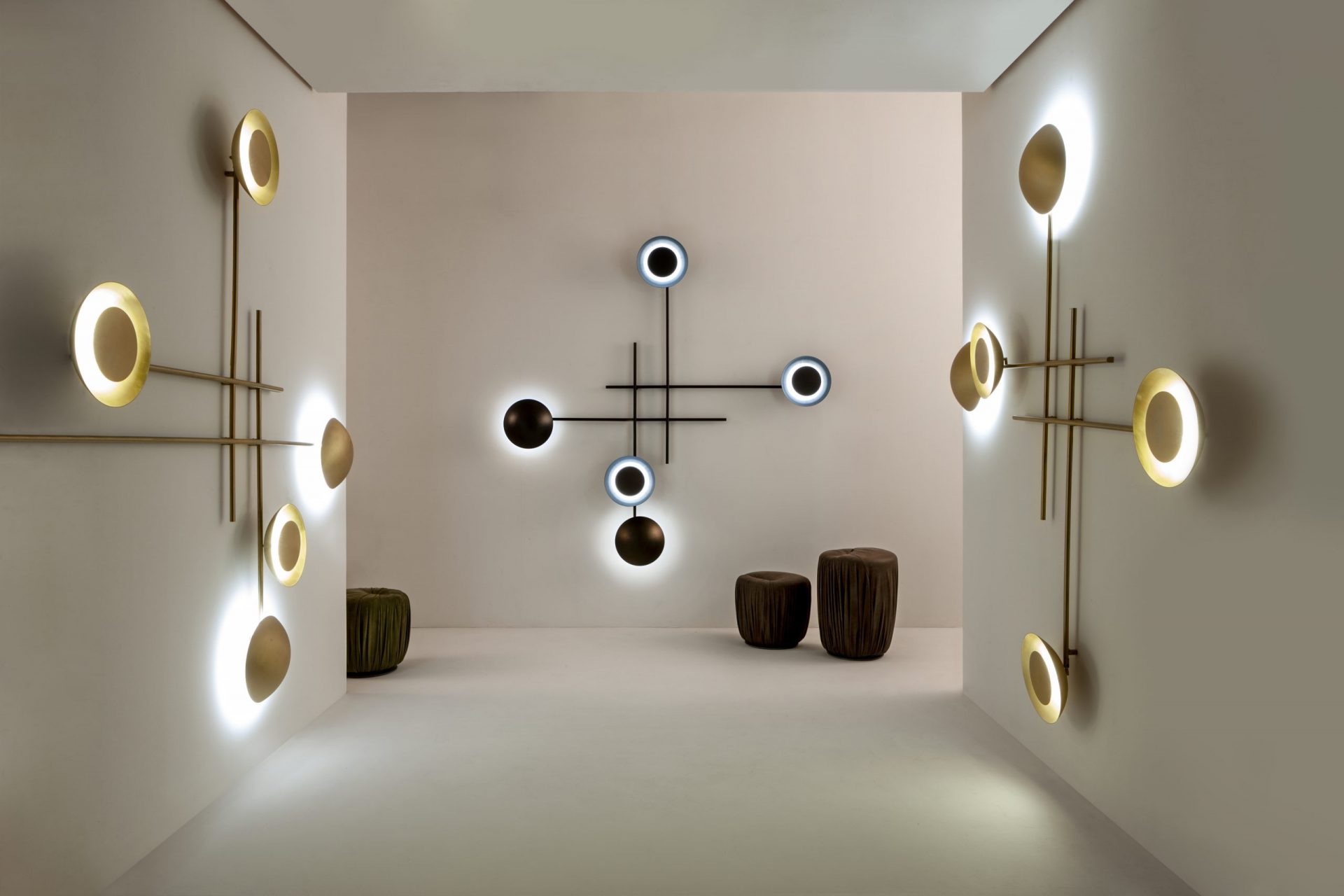
- Sculptural Wall Sconces: Hand-forged metal sconces add warmth and elegance to corridors and intimate lounges.
- LED Innovations: Smart hotels integrate energy-efficient LEDs with color customization, allowing guests to adjust the room’s mood lighting.
Materials: The Longevity of Marble, Natural Stone, and Exotic Woods
Luxury hotel interiors are built to withstand the passage of time while maintaining their pristine beauty. The selection of premium materials ensures that every space—whether a grand lobby, a presidential suite, or a private spa—radiates sophistication, durability, and exclusivity.
1. The Enduring Appeal of Marble and Natural Stone
Marble and natural stone have been symbols of wealth and refinement for centuries. In luxury hotels, these materials serve both aesthetic and functional purposes:
- Lobbies and grand staircases are often adorned with Carrara, Calacatta, or Nero Marquina marble, evoking opulence.
- Bathroom vanities and spa interiors use travertine, quartzite, and granite for their water resistance and durability.
- Feature walls and fireplaces incorporate exotic onyx or limestone, adding rich textures and natural artistry.
The intrinsic patterns and veining of marble ensure that no two spaces are alike, offering a level of bespoke luxury that cannot be replicated with synthetic materials.
2. Exotic Woods and Handcrafted Elegance
Wood introduces warmth and timeless appeal, especially when sourced from rare and exotic species. Luxury hotels opt for:
- Ebony, mahogany, and walnut for bespoke furniture, paneled walls, and bar tops.
- Reclaimed oak and teak for sustainability-focused designs.
- Bamboo and rosewood in spa retreats and wellness areas, where natural elements enhance relaxation.
Each hand-polished wooden surface tells a story of craftsmanship, adding a layer of natural beauty and richness to high-end hospitality interiors.
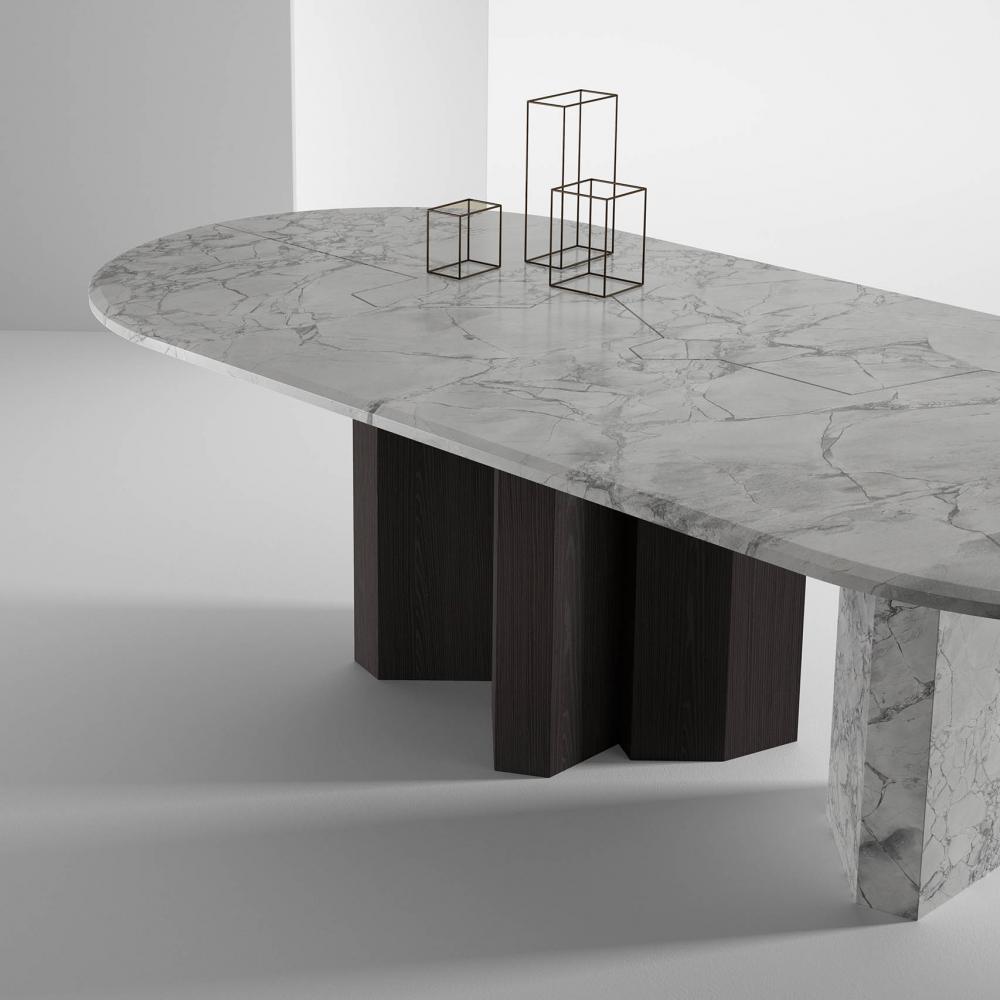
Aesthetic Durability: Designing Interiors That Remain Stylish for Decades
Luxury hotels avoid short-lived design trends that quickly become outdated. Instead, they embrace timeless design principles that ensure interiors remain elegant and sophisticated for generations.
1. The Power of Understated Elegance
The most refined luxury hotels favor understated, classic design choices that allow for subtle evolution over time.
- Neutral color palettes (warm beiges, deep grays, rich creams) create a versatile foundation.
- Minimalist layouts with statement pieces (such as a sculptural chandelier or a handwoven rug) ensure spaces feel curated yet not overwhelming.
- Architectural details like coffered ceilings, intricate moldings, and stone archways add a sense of grandeur that withstands fleeting trends.
2. High-Quality Craftsmanship Over Mass Production
Hotels that invest in handmade, artisanal furniture and décor see greater aesthetic longevity than those that rely on factory-made furnishings.
- Hand-tufted wool and silk rugs retain their beauty and texture for decades.
- Custom-crafted brass fixtures develop a patina that enhances their character over time.
- Carved wooden headboards and bespoke millwork contribute to a heritage aesthetic that only improves with age.
The Role of Architects and Interior Designers in 5-Star Hotels
Behind every breathtaking luxury hotel interior is a team of visionary architects and designers who bring elegance to life. Their expertise lies in balancing cultural influences, functional design, and brand storytelling to create an immersive guest experience.
1. Blending Local Cultural Influences
A truly exceptional luxury hotel incorporates regional heritage into its interiors, ensuring that guests experience a sense of place.
- Riad-inspired resorts in Morocco use intricate zellige tiles and carved woodwork.
- Japanese ryokan-style hotels feature shoji screens, tatami mats, and minimalist aesthetics.
- Parisian boutique hotels mix Haussmann-style architecture with Art Deco furnishings.
By weaving local artistry and materials into the design, hotels create an authentic, immersive atmosphere.
2. Marrying Modern Aesthetics with Traditional Craftsmanship
Top designers merge contemporary luxury with old-world artistry, striking a balance between heritage and innovation.
- Handcrafted mosaic tiles meet sleek, frameless glass showers.
- Ornate gilded mirrors are paired with minimalist LED strip lighting.
- Antique brass fixtures sit alongside modernist furniture pieces.
This interplay creates an environment that feels timeless yet fresh, appealing to both traditional luxury travelers and modern design enthusiasts.
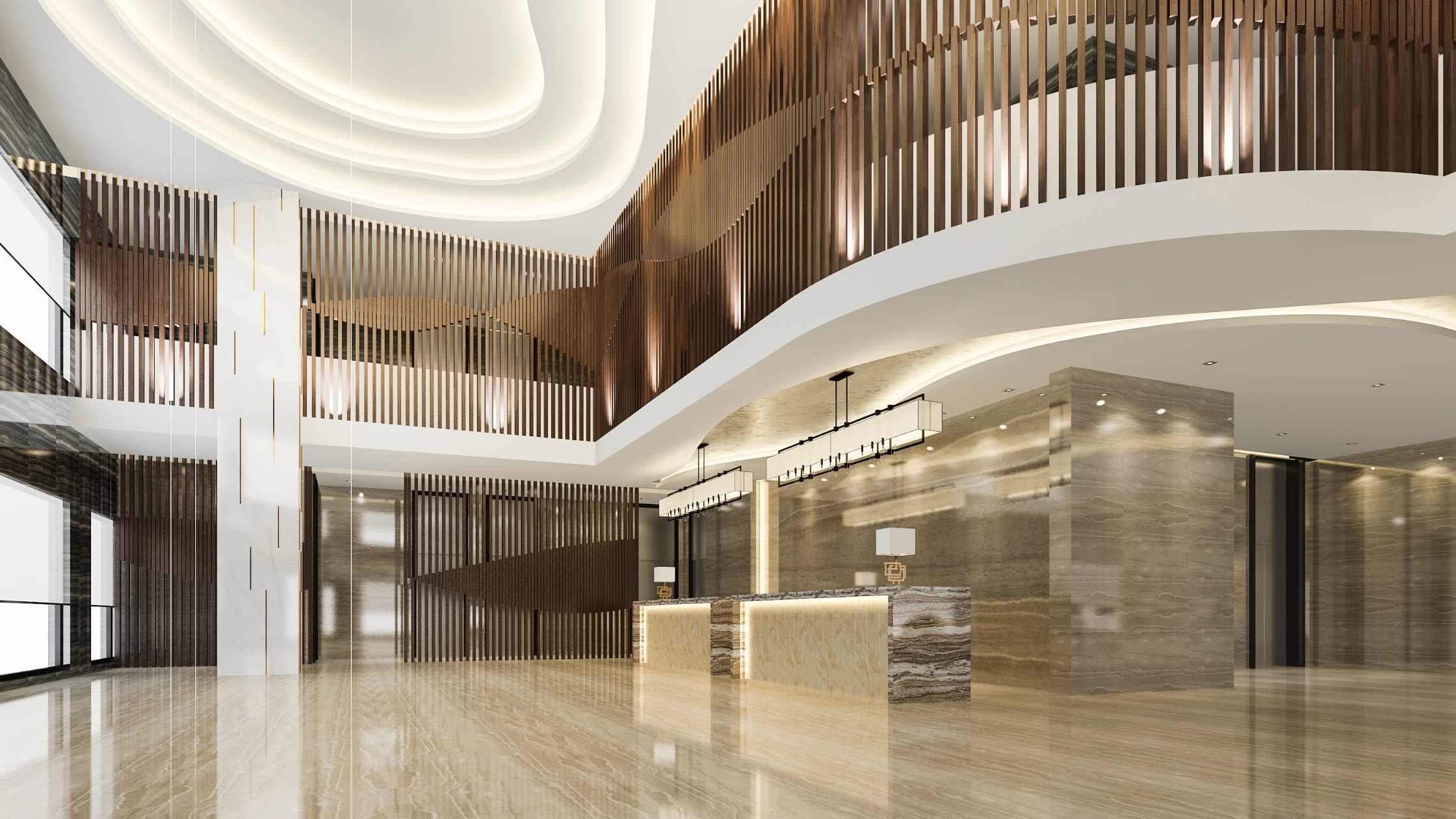
Bespoke Concierge Services That Enhance High-End Commercial Spaces
A true luxury concierge goes beyond restaurant reservations—it orchestrates unparalleled, once-in-a-lifetime experiences.
1. Experiential Luxury Services
Ultra-luxury concierge services include:
- Private jet charters directly from the hotel helipad.
- Exclusive after-hours access to world-famous museums, opera houses, and private art collections.
- Custom yacht experiences arranged for special occasions.
2. 24/7 White-Glove Service
Luxury hotels now offer round-the-clock personal assistants, ensuring that guests have:
- Seamless shopping experiences with VIP access to designer boutiques.
- On-demand chauffeured Rolls-Royce or Bentley transportation.
- Personalized itinerary planning for bespoke travel experiences.
By prioritizing concierge excellence, luxury hotels transform from places to stay into lifestyle destinations.
The Impact of Boutique Hotels on Luxury Hospitality
While large luxury chains dominate the 5-star hospitality industry, boutique hotels are redefining ultra-luxury with highly personalized, intimate experiences.
Boutique hotels focus on curated, immersive stays that offer:
- Exclusivity: Fewer rooms mean higher levels of attention to each guest.
- Personalized décor: Every room is individually designed, avoiding the cookie-cutter aesthetics of large chains.
- Authenticity: Boutique hotels incorporate local heritage, artisanal craftsmanship, and regional flavors into their design and services.
1. Curated Design Themes: Unique Aesthetics in Small-Scale Luxury Hotels
Unlike traditional hotels, boutique hotels feature bold design choices:
- Eclectic, high-fashion interiors
- Minimalist, nature-infused aesthetics
- Art-centric environments featuring rotating exhibitions.
2. The Intimate, High-Touch Service Model That Distinguishes Boutique Hotels
Boutique hotels provide white-glove service on a highly personal level:
- Butler service tailored to each guest’s routine.
- Locally inspired welcome gifts, such as handcrafted souvenirs.
- Custom in-room dining that adapts to dietary preferences.
3. Exclusive Hotel Aesthetics: Merging History with Modern Elegance
Boutique hotels often restore historic buildings, merging old-world grandeur with contemporary luxury. Examples include:
- The Nomad Hotel, New York, a restored Beaux-Arts masterpiece with a modern twist.
- Soho House, Istanbul, which incorporates Ottoman-era architectural details with contemporary furnishings.
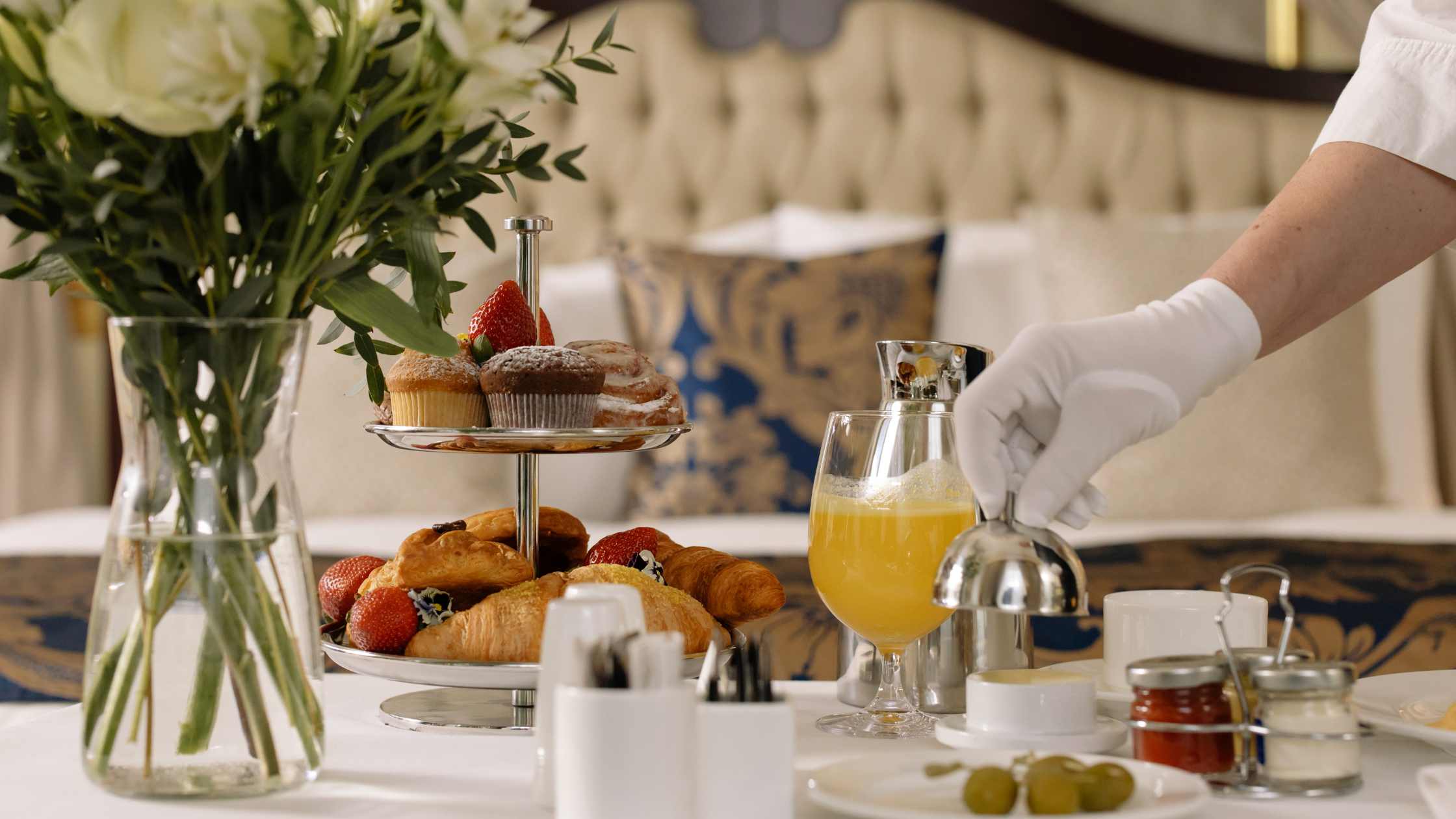
If you seek luxury furniture that embodies excellence, artistry, and exclusivity, explore our curated selection of bespoke pieces designed to redefine elegance in high-end hospitality spaces. Crafted with exceptional materials and a commitment to timeless design, the Materia Collection brings unparalleled sophistication to hotels, lounges, and private retreats.