

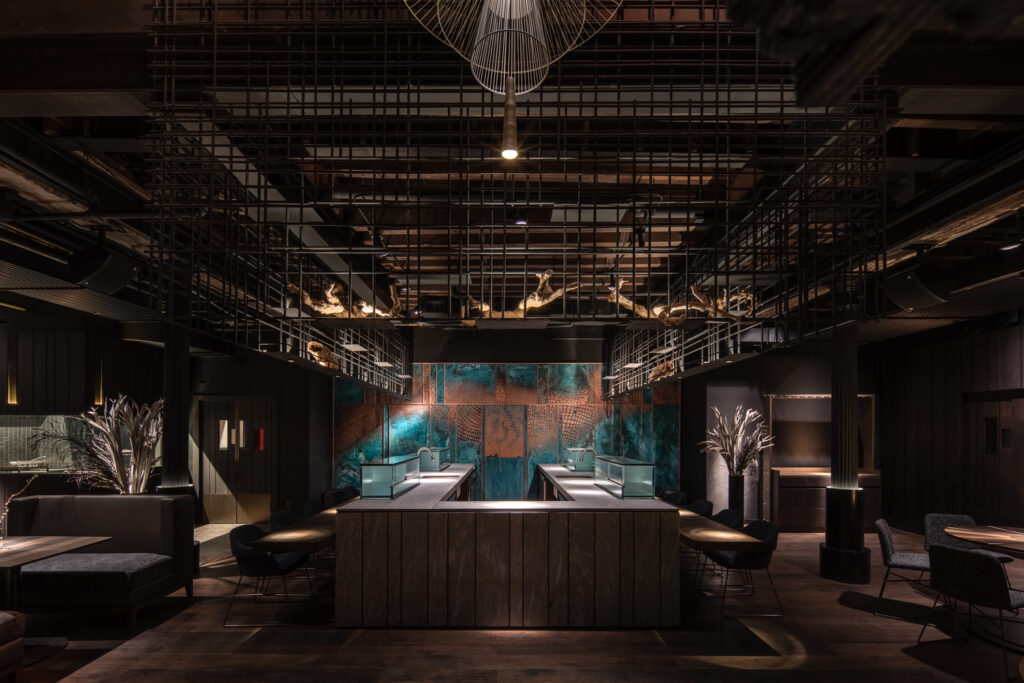
A bar is rarely just a counter; in a hotel lounge, restaurant, private club, penthouse or waterfront home, it often becomes one of the strongest architectural statements in the entire room. Luxury bar millwork includes the complete built-in environment around that experience: the back bar, front bar, shelving, bottle display, wine wall, integrated lighting, hidden storage, wall panels, stone surfaces, mirrors, metal accents and custom finishing details, all brought together through MATERIA Collection’s Italian design language, custom surfaces, wall paneling, fine furniture, lighting, doors, kitchens, closets and bespoke millwork.
| Bar Millwork Element | Design Role | Luxury Impact |
|---|---|---|
| Back bar | Frames bottles, glassware, mirrors, lighting, and decorative wall finishes. | Creates the strongest visual statement and gives the bar its hospitality character. |
| Wine wall | Combines bottle storage, display, glass, metal framing, and integrated lighting. | Turns wine into an architectural feature for restaurants, clubs, and private homes. |
| Front bar | Defines the guest-facing counter, bar face, edge profile, and tactile surface. | Makes the bar feel substantial, comfortable, and carefully built rather than decorative. |
| Italian finishes | Uses veneer, lacquer, stone, metal, Venetian plaster, and wall panels as one palette. | Adds depth, texture, refinement, and a cohesive MATERIA design language. |
| Hidden storage | Conceals service tools, glassware, appliances, inventory, and practical bar functions. | Keeps the bar elegant, organized, and visually calm during everyday use. |
Back bars, bottle displays and wine walls
Back bar design as the visual centerpiece
The back bar is often the first element guests notice. Even before they approach the counter, they see the vertical composition behind it: bottles, shelving, glassware, mirrors, lighting, wall panels and decorative surfaces. In many luxury bars, the back bar functions almost like a stage set. It frames the product, creates atmosphere and gives the room its visual signature.
A successful back bar design depends on proportion and discipline. It is not enough to fill shelves with bottles. The designer must decide what should be emphasized, what should recede and how the back bar should relate to the architecture around it. Symmetry can create a formal, elegant impression. Asymmetry can feel more contemporary and gallery-like. Vertical shelving can make a compact bar feel taller. Horizontal shelving can make a room feel calmer and wider.
Several details influence the quality of the back bar:
Shelf depth and spacing
Bottle height and visibility
Lighting temperature
Mirror placement
Glass transparency
Metal framing
Stone or panel backing
Relationship between open and closed storage
Alignment with ceiling, wall and counter lines
Lighting is especially important. A back bar with poorly placed lighting can feel flat, harsh or visually cluttered. A back bar with carefully integrated lighting can make bottles glow, highlight glassware, reveal the texture of wall panels and create a warm evening atmosphere. The goal is not simply brightness. The goal is controlled illumination that supports the mood of the bar.
Reflective surfaces also play a major role. Mirrors can create depth and help a narrow bar feel larger. Smoked glass can add a more intimate, contemporary tone. Clear glass can make shelving feel lighter. Metal framing can add precision and structure. When used carefully, reflective materials make the back bar feel layered rather than heavy.
Italian wall treatments can elevate this area significantly. Instead of relying on a plain painted wall behind shelves, a bar can use decorative panels, textured finishes, metal effects, marble-effect panels, precious stone effects, boiserie panels, acoustic panels or nature-inspired surfaces. These treatments give the back bar more depth and help it feel designed from the wall outward.
For broader hospitality projects, readers can explore how MATERIA approaches hotels, restaurants and clubs through luxury millwork for hospitality. This is especially relevant when the bar is part of a larger environment that includes a lobby, lounge, restaurant, private dining room or members-only area.
Wine wall millwork for restaurants, clubs and private homes
Wine wall millwork can serve both storage and display, which makes it one of the most versatile features in luxury bar design. In a restaurant, it can create a sense of depth and sophistication before guests even sit down. In a private club, it can reinforce exclusivity and ritual. In a residence, it can turn an entertaining area into a hospitality-inspired room without making the space feel commercial.
A wine wall can be designed as a backdrop, a divider, a focal point or a transition between spaces. In fine dining rooms, it may frame a private dining area. In hotel restaurants, it may separate the lounge from the dining room while still allowing visual connection. In a penthouse, it may sit between a bar and living area. In a waterfront home, it may become part of a larger entertaining zone that includes dining, lounge seating and outdoor views.
The strongest wine walls are not treated as storage alone. They are designed as architectural displays. This means the surrounding millwork, lighting, glass, metal framing and wall finishes matter just as much as the wine itself.
Common wine wall directions include:
Glass-fronted wine displays
Integrated lighting around bottles
Metal-framed shelving
Wood veneer surrounds
Stone-backed niches
Custom panel systems
Climate-conscious enclosed displays where required by the project
Wall-integrated bottle storage
Wine walls connected to private dining rooms
Residential wine rooms with hospitality-inspired detailing
Bottle displays, glassware and hidden storage
Luxury does not mean everything should be visible. A refined bar needs a careful balance between display and concealment. The most attractive bottles, glassware and decorative objects may deserve open display, while service tools, extra inventory, cleaning supplies, appliances and practical storage should often be hidden behind well-planned millwork.
This balance is one of the main reasons custom bar millwork is so valuable. Open shelving alone can quickly look crowded. Closed storage alone can feel heavy and inactive. A luxury bar needs both. It should show enough to create atmosphere and conceal enough to preserve visual calm.
A well-planned bar may include:
Concealed compartments
Service drawers
Undercounter storage
Integrated appliances
Glass racks
Bottle organization
Back-of-house storage zones
Hidden refrigeration
Closed cabinets for less attractive supplies
Open display for selected bottles and glassware
In hospitality spaces, this organization affects service speed. Bartenders and staff need logical access to the tools and products they use most often. In private residences, it affects ease of use. A homeowner should be able to entertain comfortably without feeling that every object must be visible on the counter.
Front bars and guest-facing details
The front bar as a tactile luxury surface
The front bar is where guests physically interact with the space. They sit beside it, place a hand on the counter, rest a glass on the surface, lean toward conversation and experience the materials at close range. Because of that, the front bar cannot be designed only as a visual object. It must feel good, perform well and hold the right proportions.
The counter surface is one of the most important decisions. Natural stone can create a sense of permanence and luxury. Stone composites can offer visual weight and a refined look in demanding environments. Lacquer can create a clean, controlled, modern surface. Veneer can introduce warmth and continuity with surrounding wall panels or cabinetry. Metal details can define edges, foot rails, reveals or inlays. Textured panels can give the bar face depth and movement.
A premium front bar may include:
Stone or stone-inspired counter surfaces
Veneer or lacquer bar body
Metal inlays or edge details
Textured front panels
Integrated foot rail
Undercounter lighting
Carefully planned overhang
Durable guest-facing surfaces
Proportions suited to seating and standing use
The edge profile also matters. A thick stone edge can feel bold and architectural. A slimmer edge can feel more contemporary. A softened profile may feel more comfortable in residential settings. A sharper, more linear profile may suit a modern hotel lounge or urban cocktail bar. These details affect how the bar feels, even when guests do not consciously notice them.
Lighting beneath the counter can also change the mood of the front bar. Soft undercounter lighting can make the bar feel lighter and more atmospheric. It can reveal the texture of the bar front, create a floating effect or draw attention to metal and stone details. However, it must be used carefully. Overly bright lighting can cheapen the effect, while subtle lighting can make the bar feel more tailored.
Front bar millwork should be designed for durability, comfort and proportion, not just appearance. In hospitality environments, the surface must withstand traffic, cleaning, spills and repeated contact. In residences, the finish still needs to perform, but the feeling may be softer, warmer and more integrated with the rest of the home.
Bar fronts, panels and architectural rhythm
The face of the bar is one of the best opportunities to introduce architectural rhythm. Instead of treating the bar front as a flat surface, designers can use paneling, vertical divisions, fluted forms, boiserie, marble-effect panels, metal-effect panels or custom decorative surfaces to create depth and movement.
This is where bar millwork can connect directly to wall treatments. A bar front may repeat the texture of the wall behind it. It may contrast with the back bar to create drama. It may use a panel system that continues into the lounge or dining area. When these decisions are planned together, the bar feels built into the room rather than placed inside it.
MATERIA’s wall treatment categories offer several directions that can inform this kind of design language. Depending on the project, a bar front or surrounding wall may relate to Maxima, Line, Terre, Onda, Juta, Tatami, Bamboo, Stars or Decor wall panels. The goal is not to use decorative surfaces randomly, but to select the panel direction that supports the atmosphere of the space.
For example, a darker lounge may benefit from deeper textures, metal effects or dramatic panels. A waterfront residential bar may require lighter tones, softer texture and a more relaxed finish. A private club may need richer wood, controlled lighting and panels that create intimacy. A luxury restaurant may need a bar front that connects with dining room wall panels, banquettes and private dining features.
Bar fronts can create rhythm through:
Vertical panel divisions
Fluted or ribbed surfaces
Metal strips or inlays
Stone or marble-effect panels
Boiserie-inspired framing
Recessed lighting channels
Repeated geometric patterns
Textured wall panel continuation
Contrast between matte and reflective surfaces
A bar front can also help manage scale. In a large hospitality space, panel rhythm can prevent the bar from feeling like one long heavy block. In a compact residential setting, vertical detailing can make the bar feel taller and more architectural. In a lounge, darker panels with subtle lighting can make the front bar feel intimate and cinematic.
The most important principle is continuity. A luxury bar should not feel disconnected from the wall panels behind it, the floor beneath it, the lighting above it or the furniture around it. When the bar face echoes the materials and geometry of the room, the entire interior feels more complete.
Seating is secondary, but still part of the full composition
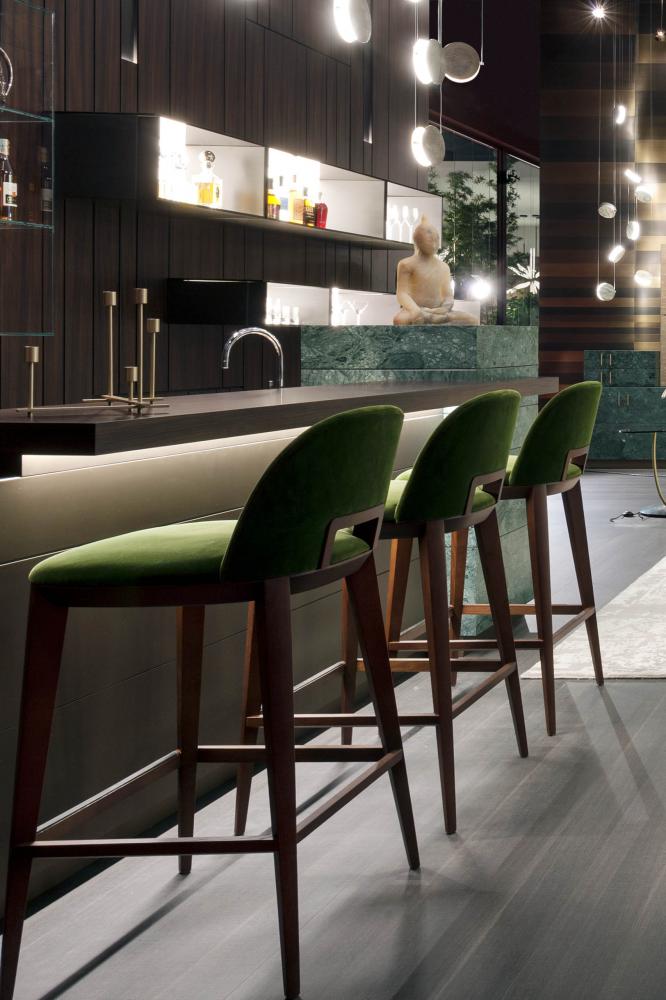
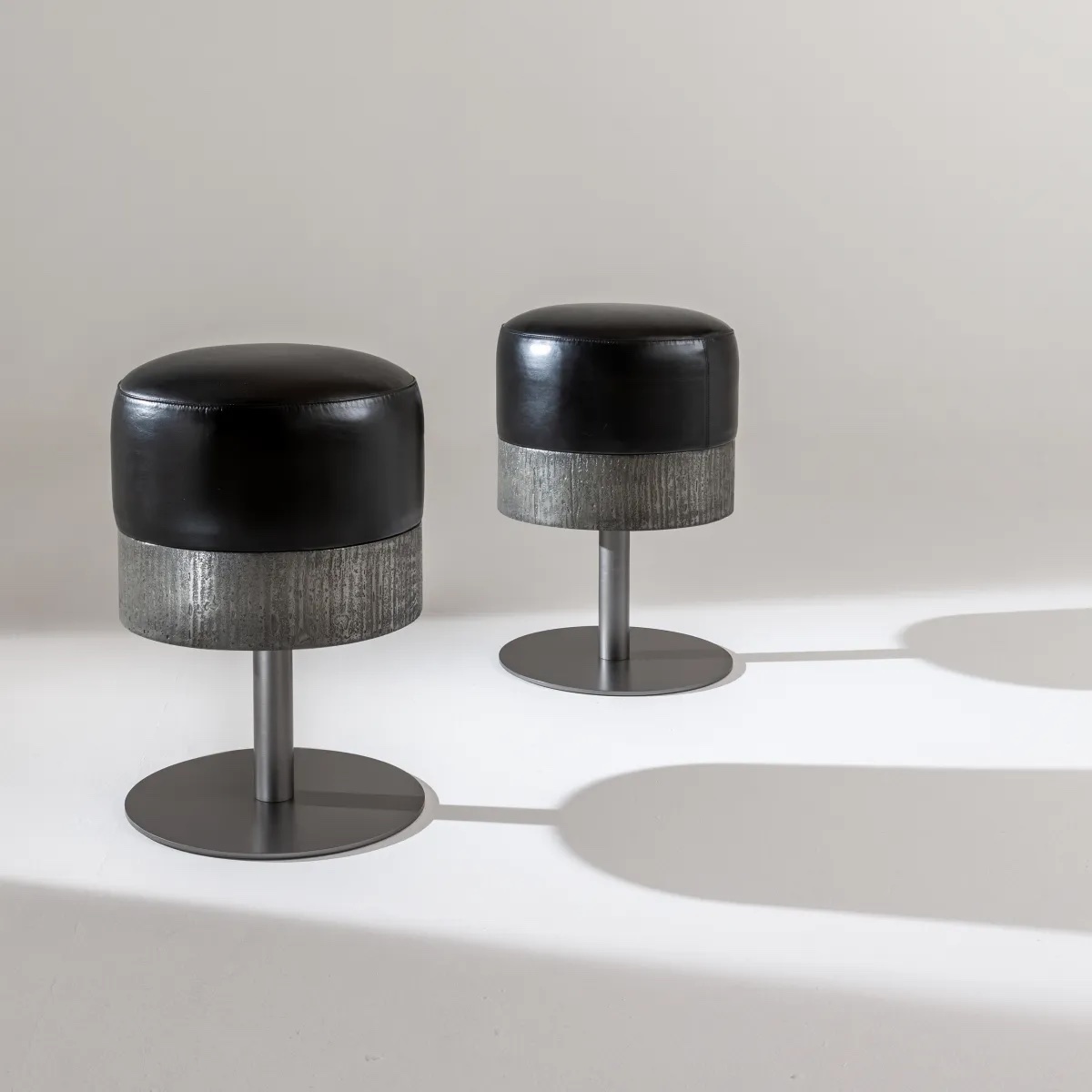
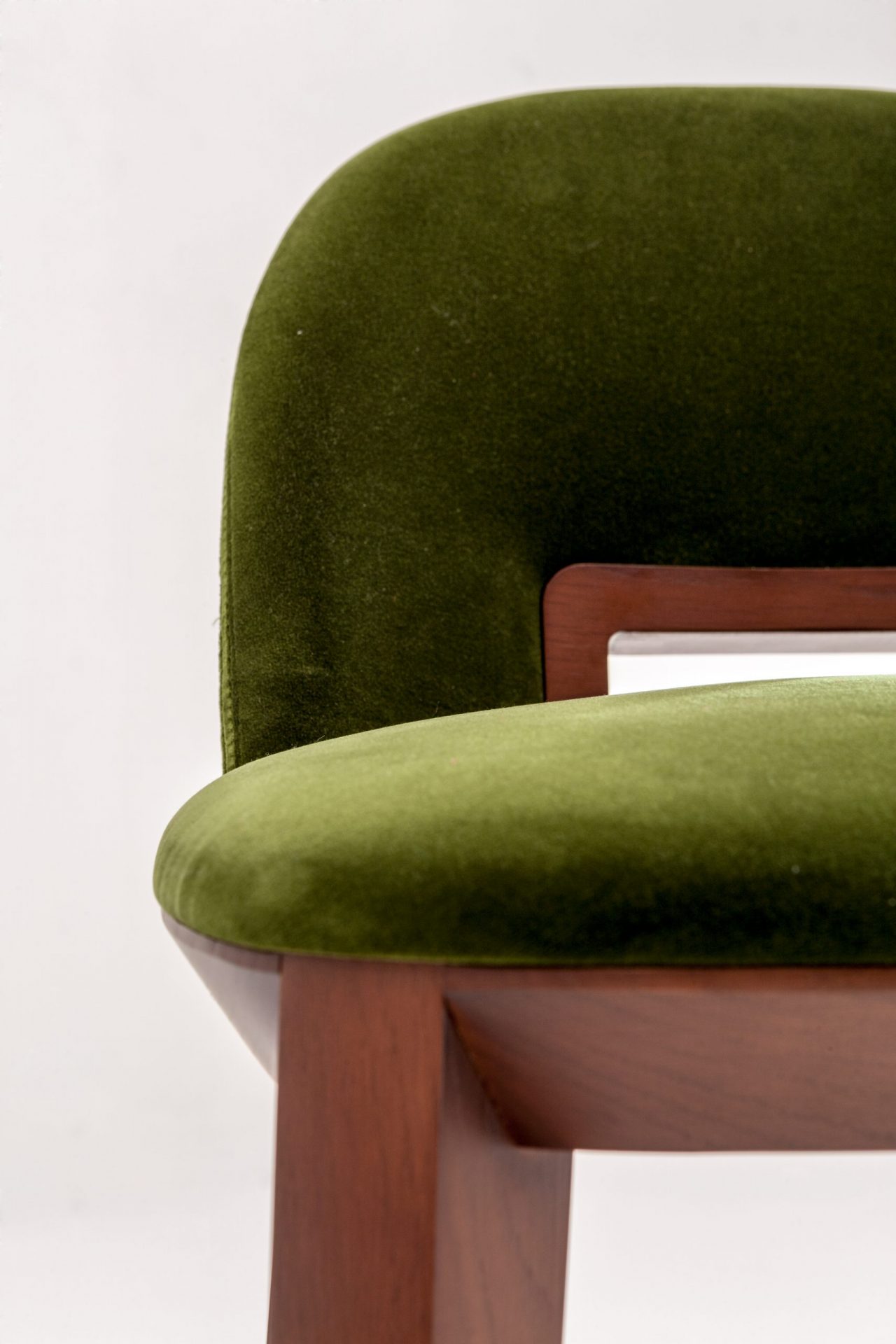
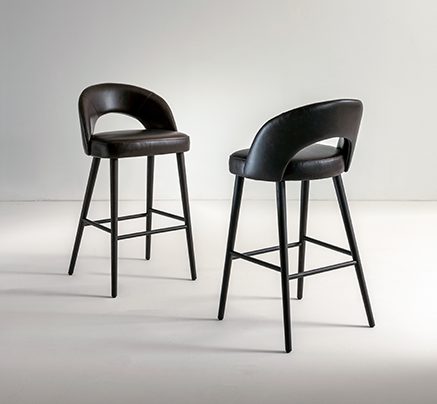
For readers selecting the right seating height, profile and finish after the bar architecture is defined, MATERIA’s guide to Italian bar stools and counter stools can support the next stage of planning.
The key is to understand the order of importance. The millwork defines the architecture. The seating completes the experience. When this order is reversed, the bar can begin to feel like a furniture arrangement rather than a custom-built environment.
Readers interested in the broader design language of Italian seating can also explore the allure of Italian bar stools. That type of seating content is useful when choosing the final furniture layer, but the foundation of a luxury bar remains the built-in composition: front bar, back bar, wine wall, lighting, storage and finishes.

Italian finishes for bars and lounges
Veneer, lacquer and artisan wood finishes
Veneer and refined wood finishes bring warmth, depth and sophistication to bar interiors. In commercial settings, they can help a restaurant, lounge or private club feel more established and intimate. In private residences, they can help a home bar connect with surrounding cabinetry, wall panels, doors, kitchens, dining rooms or entertainment spaces.
Wood is especially powerful in bar environments because it softens the more technical elements of the room. Bars often require glass, metal, stone, lighting, refrigeration and storage. Without warmth, these materials can feel too hard or too commercial. Veneer introduces texture and natural variation while still allowing a controlled, elegant finish.
In luxury bar millwork, veneer can be used for:
Back bar surrounds
Shelving structures
Bar fronts
Wall panels
Cabinet doors
Wine wall framing
Private lounge millwork
Residential entertaining areas
Built-in storage and display features
Lacquer offers a different kind of refinement. It can create a smooth, clean and contemporary surface, especially when paired with metal, glass, stone or textured wall panels. Matte lacquer can feel understated and architectural. Gloss lacquer can feel more dramatic and reflective. In a luxury bar, lacquer works best when it is part of a complete finish strategy rather than used as a standalone decorative surface.
Venetian plaster and Italian wall treatments
Venetian plaster is one of the most recognizable Italian finish traditions. Made with slaked lime and marble, it creates a smooth, refined and light-reflective surface that can feel classic, modern or artistic depending on the application. Around a bar, Venetian plaster can add depth without the visual heaviness of a panel system.
Its value lies in subtle movement. Unlike a flat painted wall, Venetian plaster can reflect light softly and create a sense of surface variation. It can support metallic, pearl, stone-like or more restrained effects, depending on the project. In a hotel lounge, it can create a refined backdrop. In a private dining room, it can add quiet richness. In a residential wine room, it can help the space feel crafted rather than simply decorated.
Venetian plaster works especially well in:
Feature walls behind or near the bar
Lounge walls
Private dining walls
Corridor approaches to a bar
Wine rooms
Residential entertaining areas
Hotel lobby bar environments
Refined restaurant interiors
Italian wall treatments are not limited to plaster. MATERIA’s wall treatment direction includes decorative wall panels, wall panel systems, wallpapers and custom surfaces that can transform a wall into a luxury architectural element. For bar interiors, this matters because the wall around the bar is often just as important as the counter itself.
A back bar with a plain wall can look unfinished. A back bar with a textured Italian wall treatment can feel complete even before bottles, glassware and lighting are added. The finish gives the bar its atmosphere.
Wall panel systems and decorative surfaces
Wall panel systems allow designers to introduce rhythm, texture, acoustic control, depth and visual identity. In bar environments, these qualities are especially valuable because the space needs to feel immersive. Guests are not only looking at the counter. They are surrounded by surfaces, lighting, reflections and details that shape the mood of the room.
Decorative wall panels can create a strong identity behind the bar, along the lounge walls or around a wine display. They can also help connect the bar to nearby dining rooms, corridors, reception areas or private entertaining spaces. In luxury interiors, this continuity is important because the bar should not feel like a separate object. It should feel like part of the architecture.
MATERIA’s wall treatment categories suggest a wide range of design possibilities, including:
Decorative panels with marble effect
Decorative panels with metal effect
Decorative panels with precious stone effects
Acoustic wall panels
Boiserie panels
Plain wall panels
Geometric and architectural wallpapers
Nature-inspired wallpapers
Modern affresco wallpapers
Handmade wall coverings
Textured and cement-inspired wall coverings
Wall panels can also incorporate lighting, sound or storage, depending on the project. This makes them especially useful in custom bar millwork because they can support both beauty and function. A panel system behind a back bar may hide lighting channels. A wall treatment near a wine room may frame storage. A decorative surface in a private club may help define the atmosphere while also improving the sense of enclosure.
For readers comparing surface directions across veneer, metal, stone, lacquer and textured panels, MATERIA’s luxury material palette provides a helpful next step.
Marble effects, stone, metal and mirrored surfaces
Luxury bar interiors often depend on contrast. Warm wood becomes more expressive beside cool stone. Lacquer feels sharper when paired with brushed metal. Glass becomes more dramatic against textured panels. Mirrors feel more refined when they are balanced with matte surfaces. The most successful bars rarely rely on one material alone. They use contrast to create depth.
Stone brings permanence and visual weight. A natural stone counter can become the anchor of the bar. Stone composites and marble-inspired surfaces can support a similar sense of refinement depending on the project requirements. Marble effects can work especially well on bar fronts, backdrops, private dining bar areas and hotel lounge features.
Metal brings precision. Brass, bronze, dark metal, brushed metal and metal inlays can define edges, frame shelving, separate panels, support glass or create fine details within the bar structure. Used carefully, metal can make bar millwork feel tailored and architectural. Used too heavily, it can make the space feel cold. The balance depends on the concept.
Mirrored surfaces and glass introduce depth. Mirror-backed shelves can make a back bar feel larger and more layered. Smoked glass can soften reflection and create a more intimate mood. Clear glass can make wine walls and bottle displays feel lighter. In a compact bar, these materials can prevent the millwork from feeling too heavy. In a large hospitality space, they can make the bar feel more luminous and dramatic.
Commercial bar millwork vs residential home bars
Hospitality bar millwork for hotels, clubs, lounges and restaurants
Commercial bar millwork must support guest flow, staff movement, service speed, durability and brand identity. A hotel bar, restaurant bar, private club bar or cocktail lounge is not only a decorative feature. It is an operational space that needs to perform for guests and staff at the same time.
In hospitality interiors, the bar often has several roles. It may be a waiting area before dinner. It may be a destination within the hotel. It may support a lounge, private dining room or members-only club. It may serve as the most photographed part of the interior. Because of that, the millwork has to be planned from both the front and back of the bar.
Important project-level questions include:
How many guests will gather at the bar?
Is the bar mainly for drinks, dining or waiting?
What needs to be displayed?
What needs to be hidden?
How does the bar connect to the dining room, lobby or lounge?
What surfaces must withstand high traffic?
How should lighting support the mood?
Hotels may need the bar to connect with the lobby, lounge and guest arrival experience. Restaurants may need the bar to support dining flow and service efficiency. Private clubs may need a more intimate atmosphere with richer materials, controlled lighting and a stronger sense of exclusivity. Lounges may need a bar that feels social, theatrical and comfortable for longer stays.
Commercial bar millwork also has to support the brand. A luxury hotel bar should not look generic. A fine dining restaurant should not feel like a standard cocktail counter. A private club should not feel like a retail display. Every decision, from shelving rhythm to lighting temperature, should support the identity of the space.
MATERIA Collection’s experience with refined restaurants, corporate offices, boutiques and bespoke projects around the world gives important context here. The brand’s work is not limited to individual furniture pieces. It includes wall paneling, unique custom surfaces, furniture, kitchen cabinets, lighting, doors and custom millwork, which are all relevant when a bar is part of a larger hospitality interior.
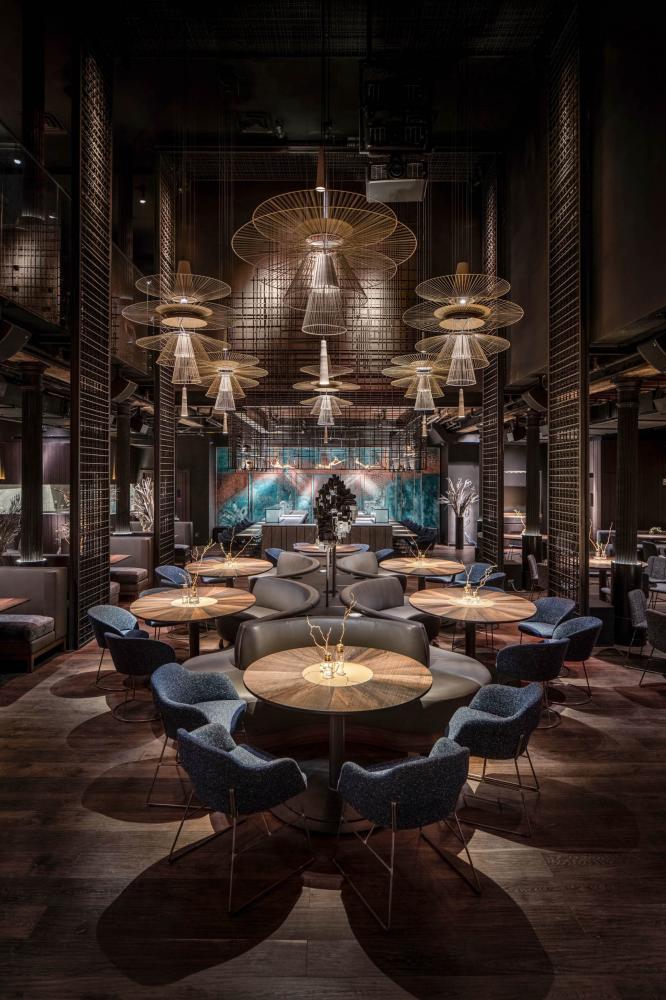
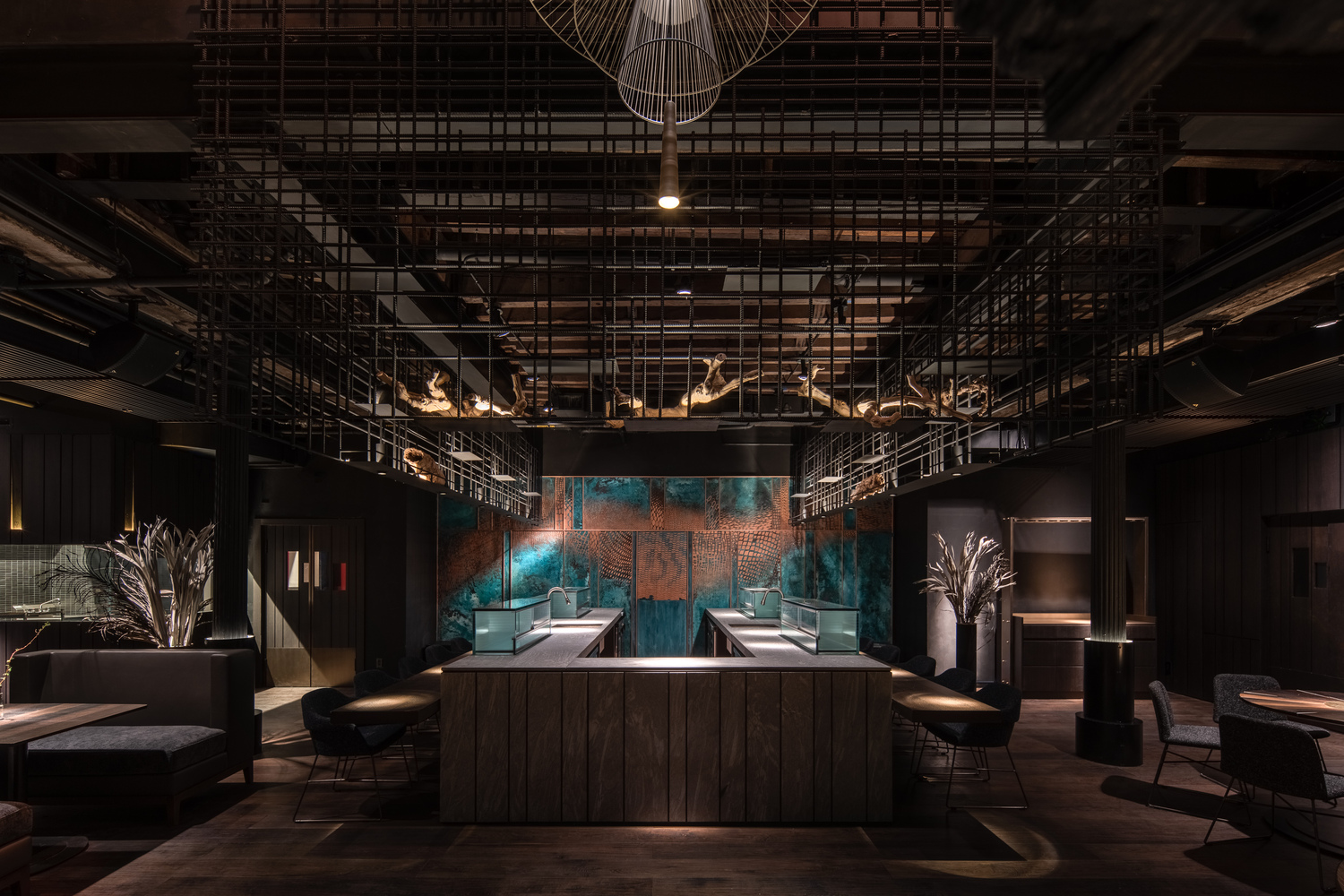
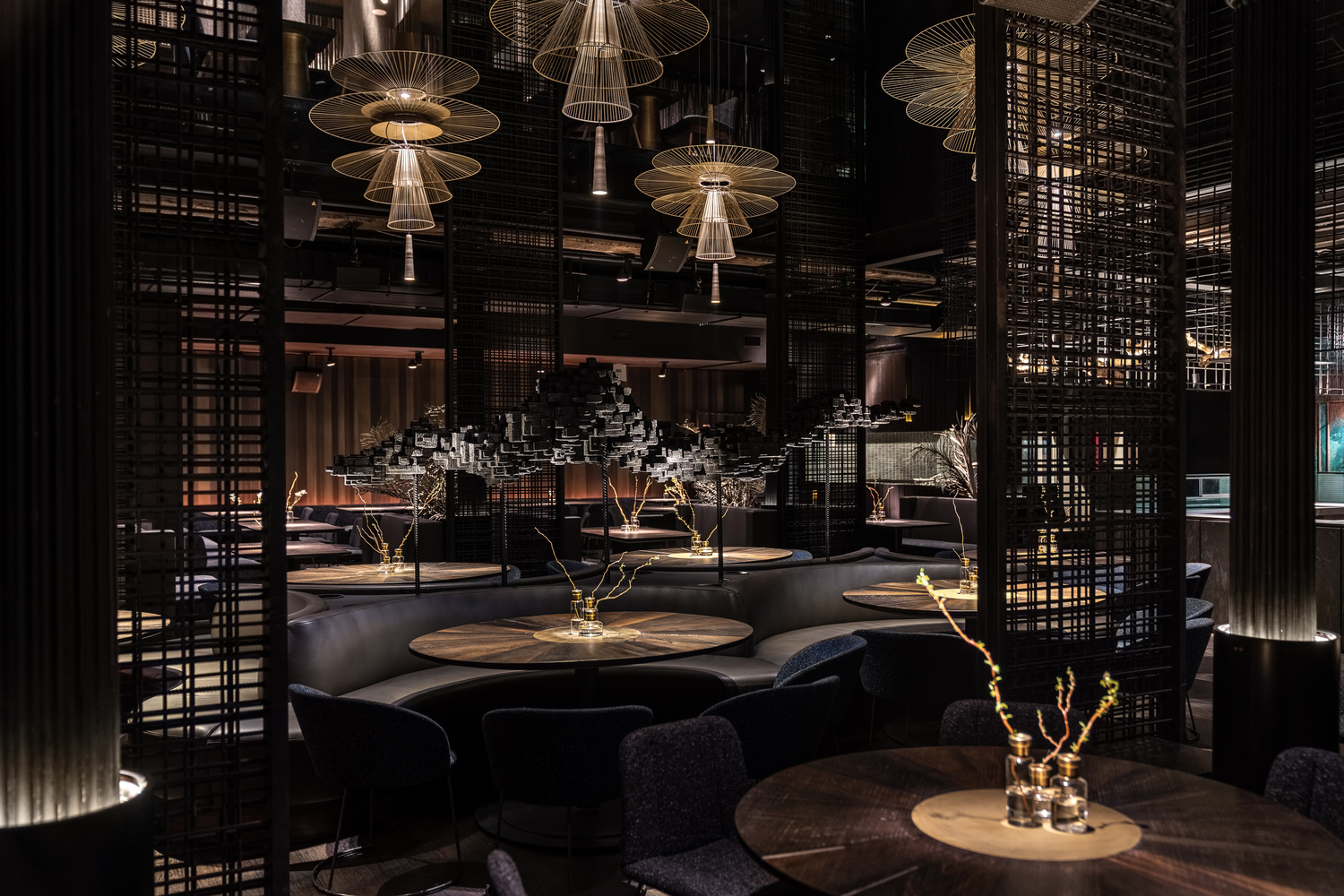
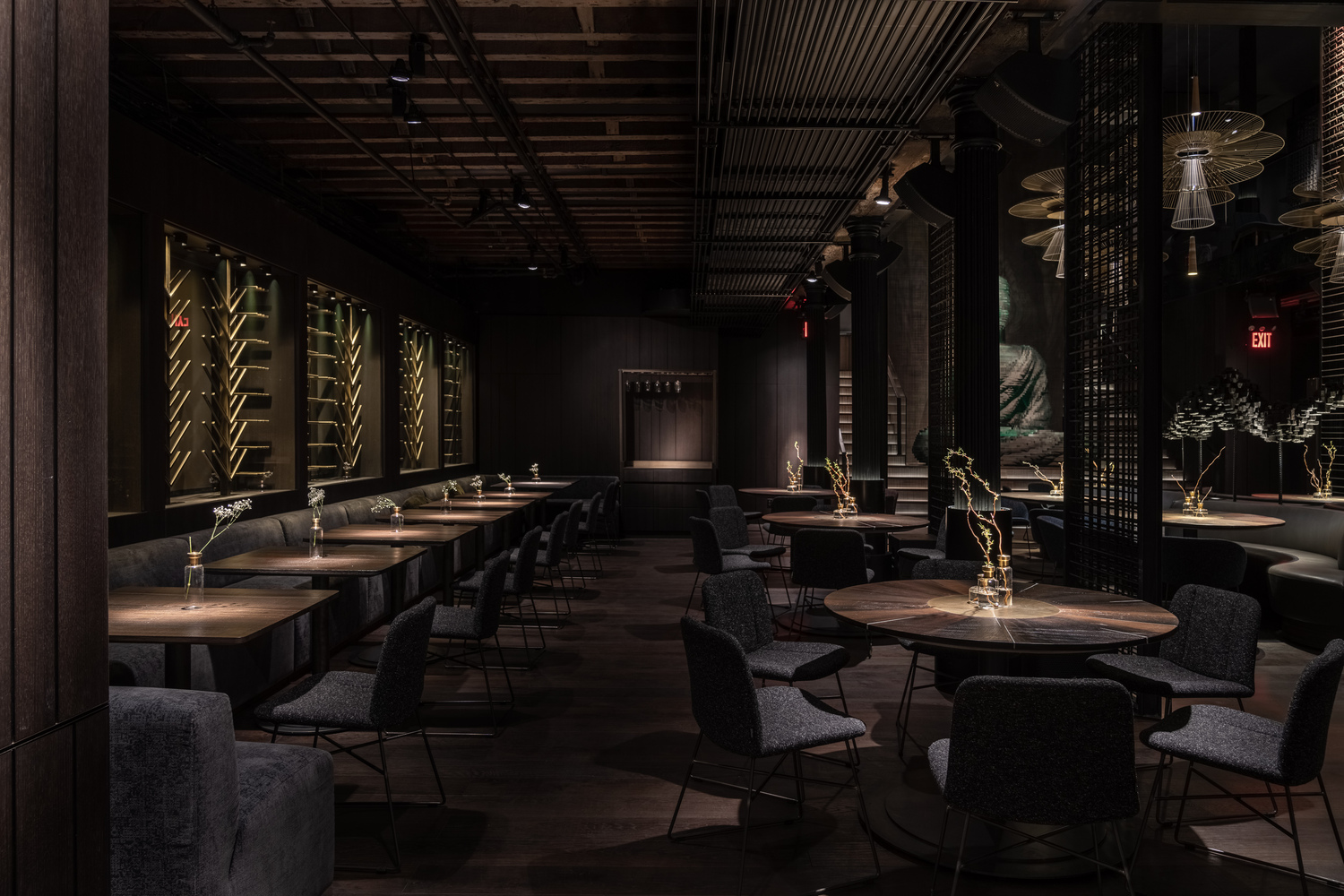
A careful example is The Buddha-Bar in New York, completed with YOD Design Lab, where MATERIA’s work included Maxima, Stars and Line wall panels, along with numerous bespoke and personalized items. This type of project shows how wall panels, custom surfaces and tailored details can contribute to a hospitality space with a strong visual identity.
The lesson is not that every bar should look dramatic. The lesson is that hospitality bar millwork should be project-specific. A quiet hotel lounge, a high-energy cocktail bar, a private club and a fine dining restaurant all need different solutions. Luxury comes from alignment between concept, function, material and execution.
Residential home bar millwork for luxury homes, penthouses and waterfront properties
Residential home bar millwork has a different rhythm. It does not usually need to support the same service volume as a commercial bar, but it must feel personal, integrated and appropriate for the way the homeowner entertains. A home bar should never feel like a restaurant bar forced into a private residence. It should bring hospitality-level detail into a residential setting with more warmth, comfort and discretion.
In luxury homes, the bar may appear in several different locations. It may be part of a formal entertaining room, a kitchen-adjacent area, a wine room, a media room, a penthouse lounge or a waterfront living space. Each location changes the design requirements.
A kitchen-adjacent bar may need to connect with cabinetry, appliances and informal hosting. A formal home bar may require richer materials, display shelving and dramatic lighting. A wine room may focus on storage, glass, metal and climate-conscious planning. A media room bar may need concealed storage, darker finishes and practical access. A waterfront home bar may need lighter tones, relaxed seating and a design language that respects the view.
Residential bar millwork works especially well in:
Home bars
Wine rooms
Media rooms
Penthouse lounges
Waterfront homes
Kitchen-adjacent bars
Formal dining-adjacent bars
Private entertaining rooms
Luxury apartments
The most important design question is how the bar connects to the rest of the home. In luxury interiors, the bar should relate to surrounding millwork, dining rooms, wall units, custom cabinetry, kitchen finishes, lighting and doors. If the home uses warm veneer, the bar can repeat or reinterpret that material. If the kitchen includes stone and metal details, the bar can echo them in a more dramatic way. If the dining room uses wall panels, the bar can extend that architectural language.
For readers planning a complete home interior rather than a single built-in, MATERIA’s guide to residential custom millwork offers a broader look at how luxury homes are shaped through coordinated millwork.
A residential bar should also feel natural when it is not in use. This is one of the major differences from commercial hospitality spaces. A restaurant bar is always part of the service environment. A home bar may be used during gatherings, weekends or special occasions, but it still needs to look beautiful every day. Hidden storage, clean surfaces, integrated lighting and carefully selected displays help the bar remain elegant even when no one is actively using it.
When the bar connects to dining and entertaining spaces
A bar often works best when it supports a larger entertaining sequence. Guests may arrive, have a drink, move toward a dining room, return to the lounge or gather around a wine wall after dinner. In both commercial and residential interiors, the bar can create a natural transition between social moments.
For readers designing the surrounding entertainment area, MATERIA’s article on luxury dining rooms can help connect the bar concept with the broader dining environment.
The strongest luxury interiors do not treat the bar, dining room, lounge and wine wall as separate design problems. They treat them as connected experiences. The bar supports the first drink, the dining room supports the meal, the lounge supports conversation and the wine wall supports display, ritual and memory. When these elements are planned together, the entire space feels more intentional.
This is where custom millwork has the greatest value. It allows the bar to become part of the architecture of entertaining, rather than a decorative object added at the end of the project.
How to plan a custom luxury bar with MATERIA Collection
Start with the project type and bar purpose
The first decision in a custom luxury bar project is not the finish. It is the purpose of the bar. A hotel bar, restaurant bar, private club bar, wine room, penthouse entertaining area and residential home bar all have different requirements for storage, traffic, display, durability and atmosphere.
A hotel bar may need to act as a destination, waiting area and social anchor. A restaurant bar must support service flow and guest experience. A private club bar often needs a stronger sense of intimacy and exclusivity. A residential bar should feel personal, integrated and elegant even when it is not in use.
That is why planning should begin with function. Once the project team understands how the bar will be used, the design can support both daily performance and long-term visual impact.
Define the architectural composition
A luxury bar should not be assembled from isolated products. The front bar, back bar, wine wall, lighting, wall panels, seating and surrounding rooms should be planned as one interior system.
The front bar creates the tactile guest experience. The back bar forms the visual background. The wine wall adds display and ceremony. Lighting reveals the materials. Wall panels create depth and identity. Seating and furniture complete the atmosphere.
The key questions are simple: what should guests see first, where should storage be hidden, how should the bar connect to the dining room or lounge, and which materials should repeat throughout the space? When these decisions are made together, the bar feels built into the architecture rather than added afterward.
Select finishes with the full interior in mind
Finishes shape the personality of the bar. Dark veneer and bronze metal can feel intimate and club-like. Stone, glass and mirror can feel more architectural. Lighter wood, textured panels and soft lighting can make a residential bar feel warm and refined.
MATERIA’s design vocabulary allows the bar to be shaped through Italian wall panels, Venetian plaster, luxury wallpapers, decorative panels, veneer, lacquer, glass, stone, metal, mirrors and integrated lighting. The goal is not to use every material at once, but to create a controlled palette where each finish has a clear role.
A successful bar may use one dominant material, one supporting material and one contrast detail. This keeps the design layered, polished and visually calm.
Coordinate furniture and seating after the millwork direction is clear
Seating matters, but it should support the bar architecture rather than lead the design. The main investment is the custom built-in environment: the front bar, back bar, wine wall, wall panels, lighting, storage and finish strategy.
Once the millwork direction is clear, stools, lounge chairs, dining chairs, sofas, side tables and surrounding furniture can be selected to complete the room. In hospitality spaces, these pieces must support comfort, durability and circulation. In residential interiors, they can feel softer and more personal.
The distinction is important: this is not a bar stool buyer guide. Bar stools and furniture complete the experience, but luxury bar millwork defines the architecture.
Work with MATERIA on a custom bar project
Planning a custom bar, wine wall, private lounge or hospitality interior? MATERIA Collection can help shape the full built-in environment, from back bar and wall panels to finishes, lighting, custom furniture and Italian-designed details. Contact MATERIA Collection to discuss a custom bar millwork project for your hotel, restaurant, private club, residence or development.
Frequently Asked Questions - Luxury Bar Millwork
What is luxury bar millwork?
Luxury bar millwork is custom-built bar architecture for high-end interiors. It includes the front bar, back bar, shelving, bottle displays, wine walls, storage, wall panels, integrated lighting, stone, metal, mirrors, glass and custom finishes.
Unlike a standard counter, it is planned as part of the room’s architecture. It supports display, service, storage, atmosphere and the overall guest experience.
Is custom bar millwork only for commercial bars?
No. Custom bar millwork is used in hotels, restaurants, clubs and lounges, but also in luxury homes, penthouses, waterfront residences, wine rooms and private entertaining spaces.
Commercial bars usually focus on service flow, durability and brand identity, while residential bars focus more on comfort, integration and personal entertaining.
What materials work best for luxury bar millwork?
Luxury bar millwork often combines veneer, lacquer, stone, stone composites, metal, glass, mirrors, textured panels, Venetian plaster and Italian wall treatments.
Wood adds warmth, stone adds weight, metal adds precision, and glass or mirrors create depth and reflection. The best material mix depends on the project and the desired atmosphere.
How is bar millwork different from buying bar furniture?
Bar millwork is built into the architecture of the space. It includes custom bars, back bars, wine walls, shelving and storage designed for the room’s exact layout.
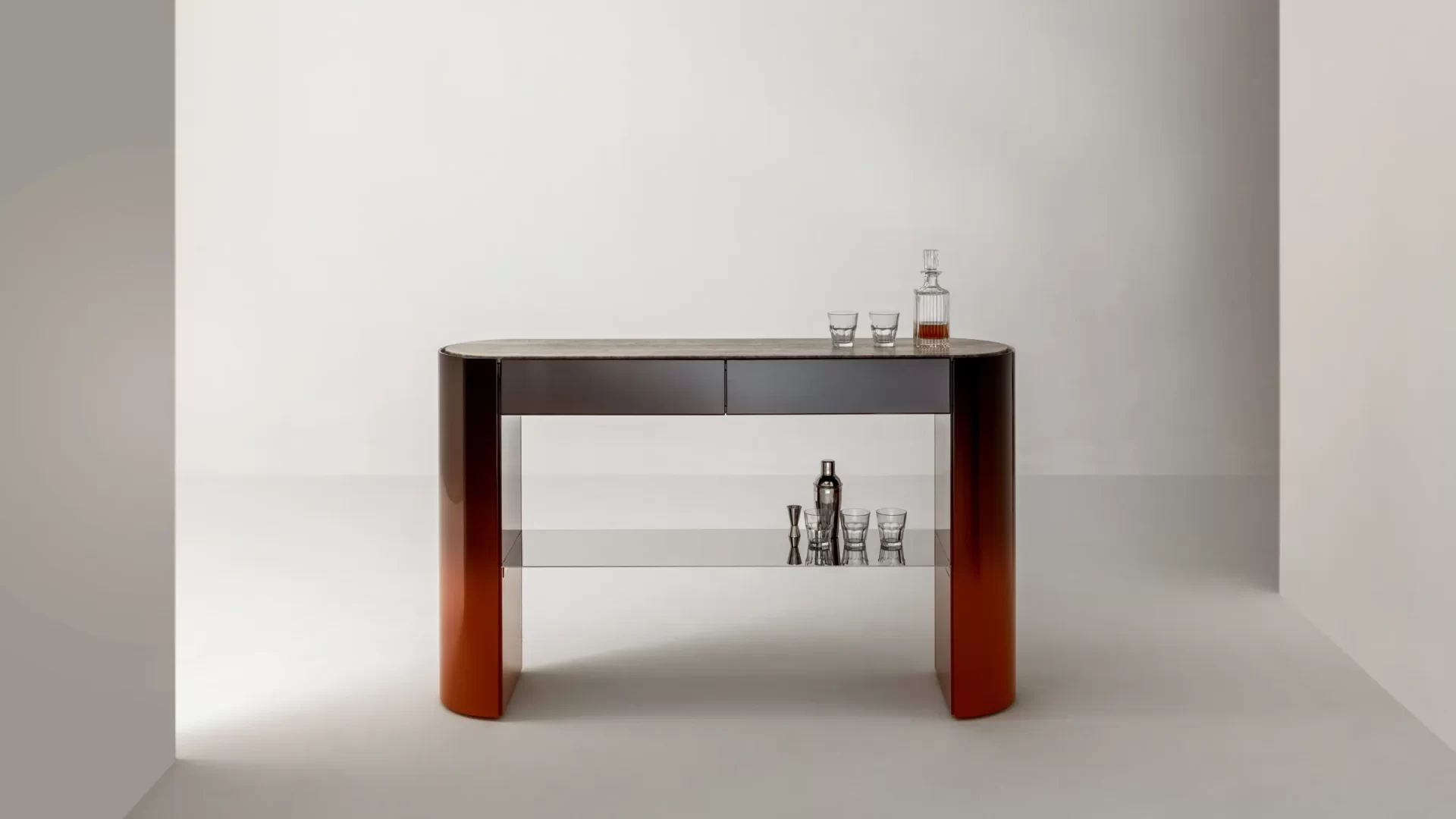
Bar furniture, such as stools, lounge chairs and tables, is movable. It supports the finished bar environment but does not replace the role of custom built-in millwork.
Can MATERIA create custom bar millwork for residential and hospitality projects?
Yes. MATERIA Collection works on bespoke interiors for private residences, luxury apartments, restaurants, boutiques, corporate spaces and hospitality projects.
For bar environments, MATERIA can support Italian finishes, wall panel systems, custom surfaces, natural materials, lighting, furniture coordination and bespoke craftsmanship.