

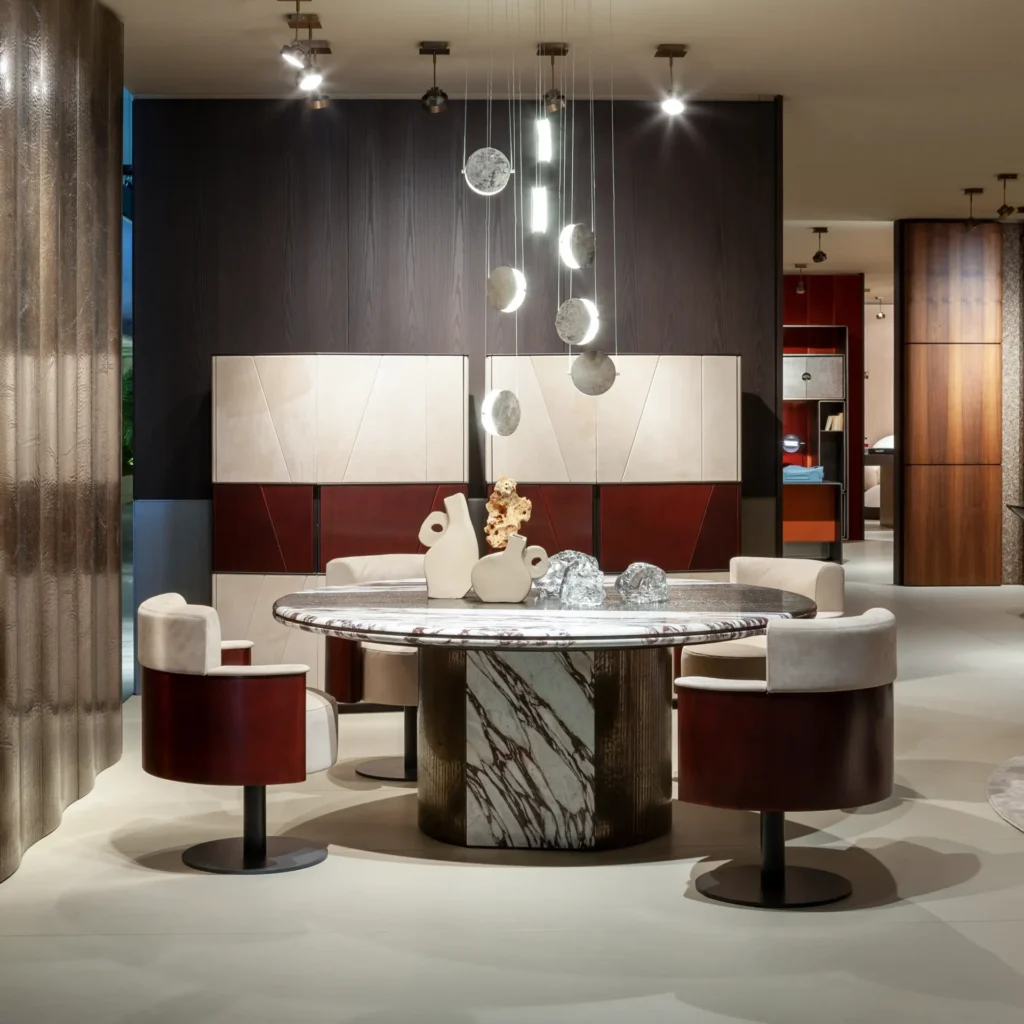
A cafe interior is usually judged within seconds: customers notice the counter, seating, lighting, wall backdrop, display area and overall sense of comfort before they ever think about the design decisions behind them. In a small commercial space, cafe millwork ideas matter because custom counters, built-in seating, wall panels, shelving and lighting all need to work together as one system, not as disconnected decorative choices.
| Cafe Millwork Element | Best Use in a Cafe | Design Impact |
|---|---|---|
| Custom counter | Ordering, payment, pickup, pastry display and staff workflow. | Creates the first impression and defines the premium character of the cafe. |
| Built-in seating | Wall benches, banquettes, window seating and compact seating zones. | Adds comfort and capacity without crowding the floor plan. |
| Wall panels | Counter backdrops, seating walls and branded photo-friendly corners. | Adds texture, depth and a memorable visual identity. |
| Display shelving | Pastries, retail coffee bags, branded merchandise and seasonal products. | Makes products feel curated instead of improvised. |
| Hidden storage | Bench bases, counter cabinets, wall niches and concealed compartments. | Keeps small cafes clean, organized and visually calm. |
| Integrated lighting | Shelves, wall panels, counter fronts, niches and seating zones. | Highlights materials and makes the interior feel warmer and more intentional. |
Why cafe millwork matters in small commercial spaces
Cafe millwork is not only decorative carpentry. It shapes how customers move, how staff work, how products are presented and how the brand is remembered. In many cafes, especially boutique coffee shops and compact urban spaces, millwork is the difference between an interior that feels improvised and one that feels deliberately designed.
A cafe has to do a lot with limited space. It needs a place for ordering, payment, pickup, pastry display, packaged coffee, seating, storage, menu visibility and guest comfort. Larger hospitality spaces can sometimes absorb inefficient planning because there is more room to redirect traffic or separate zones. A cafe rarely has that luxury. The counter, queue, display shelving, wall panels and built-in seating must be planned with much more precision.
This is why cafe interiors belong within the larger world of luxury millwork for hospitality, while still having their own very specific requirements. A hotel lobby, restaurant or private club may rely on scale, drama and multiple rooms to create atmosphere. A cafe has to create the same sense of identity in a smaller footprint, often through a few highly visible elements: the counter, the main wall, the seating edge and the lighting.
Every inch has to support the customer experience
In a cafe, every inch has a job. The customer needs to understand where to enter, where to order, where to wait, where to collect a drink and where to sit without asking questions or causing congestion. When the space is clear, the experience feels calm. When the space is unclear, even a beautiful cafe can feel uncomfortable.
For example:
A narrow urban cafe in New York may need a compact linear counter, wall-mounted shelving and bench seating along one side to preserve movement through the space.
A boutique cafe in Miami may benefit from warmer finishes, a softer seating zone and a strong wall feature that feels relaxed, refined and highly visual.
A premium coffee bar in a mixed-use development may need durable surfaces, integrated lighting and built-in retail display for packaged coffee, gifts or branded merchandise.
A small espresso bar inside a lobby may need a refined counter that looks like part of the building’s interior architecture, not a temporary service station.
A neighborhood cafe with regular customers may need comfortable built-in seating and subtle storage because the space has to support both quick visits and longer stays.
The point is not to fill the cafe with more design. The point is to make every designed element work harder.
Millwork defines the difference between improvised and intentional
Custom millwork creates a different impression because it looks like it was made for the exact room. A counter can follow the proportions of the space. A bench can turn an awkward wall into useful seating. A display shelf can align with the menu area. A wall panel system can create a strong backdrop behind the service zone. Storage can be hidden instead of exposed. These details make the cafe feel more valuable, more organized and more memorable.
This is where commercial interior millwork becomes especially important. In a cafe, millwork includes the built elements that shape the interior experience: counters, shelving, seating, wall panels, cabinetry, service stations, niches, storage and display areas. These are not accessories placed inside the space. They are part of the space itself.
A well-planned millwork strategy can help a cafe achieve:
Better fit for compact footprints
Cleaner visual lines
More hidden storage
Stronger brand identity
More premium customer perception
Better long-term durability than improvised fixtures
Clearer service flow
More useful product display
Seating that feels integrated instead of crowded
A more photographable interior for customers and brand content
The best cafe millwork ideas usually appear simple when the project is finished. The counter feels natural. The queue makes sense. The seating looks comfortable. The wall backdrop feels distinctive. The lighting falls in the right places. That simplicity is usually the result of careful planning, not chance.
Custom counters and service areas
The cafe counter as the visual and operational anchor
A customer often approaches the counter before noticing the rest of the room in detail. This makes the counter one of the strongest brand signals in the cafe. Its shape, height, finish, lighting and surrounding wall treatment all influence how premium the space feels.
The counter also has to organize several actions at once. Customers place orders, view pastries, pay, wait for drinks, collect items and sometimes browse packaged products near the same area. Staff move between espresso equipment, storage, display, preparation and service. If the counter is not carefully planned, these movements overlap too much and the space becomes tense during busy periods.
A strong custom counter can separate these functions without making the cafe feel rigid. The ordering point can be clear. The pastry display can sit within the customer’s natural line of sight. The pickup zone can be slightly offset. Storage can be built into the staff side. The customer-facing side can carry the strongest material expression.
Several design decisions matter:
The front face of the counter should match the cafe’s identity, whether minimal, warm, modern, boutique or luxurious.
The counter height and depth should feel comfortable for ordering and payment.
The customer-facing side can use wood veneer, lacquer, stone, textured panels, fluted surfaces or metal details.
The staff-facing side should prioritize storage, access, durability and cleaning practicality.
The pickup zone should be clearly separated from the ordering zone where possible.
The display area should be visible without blocking the service path.
The counter should relate to the wall behind it, rather than feeling like a separate object.
Lighting should emphasize the counter volume, product display and service area.
In premium cafe interiors, the counter is rarely just a transaction point. It is a designed object, a service tool and a brand statement at once.
Materials and details that make counters feel premium
Finish selection can completely change the perception of a cafe counter. The same basic counter shape can feel minimal, warm, boutique, modern or luxurious depending on the materials used. This is why custom cafe counters should be planned with the overall interior language in mind, not selected as isolated fixtures.
MATERIA Collection’s connection to Italian design, luxury custom surfaces, wall paneling, fine furniture, lighting, doors, kitchens and bespoke interiors is especially relevant here. The counter can connect many of these design categories in one place. It can use a refined wood surface, a stone-inspired counter face, metal inlays, integrated lighting and a wall panel backdrop that continues the same design story.
Premium counter details may include:
Wood veneer for warmth, depth and a sense of permanence
Lacquered surfaces for a clean modern look
Natural stone for visual weight and luxury
Stone composites or marble-effect panels for a polished architectural expression
Metal details for contrast, precision and brand refinement
Fluted or textured surfaces for depth and shadow
Integrated lighting to emphasize display and material quality
Hidden storage to keep the customer-facing side clean
Bespoke details that make the counter specific to the cafe rather than generic
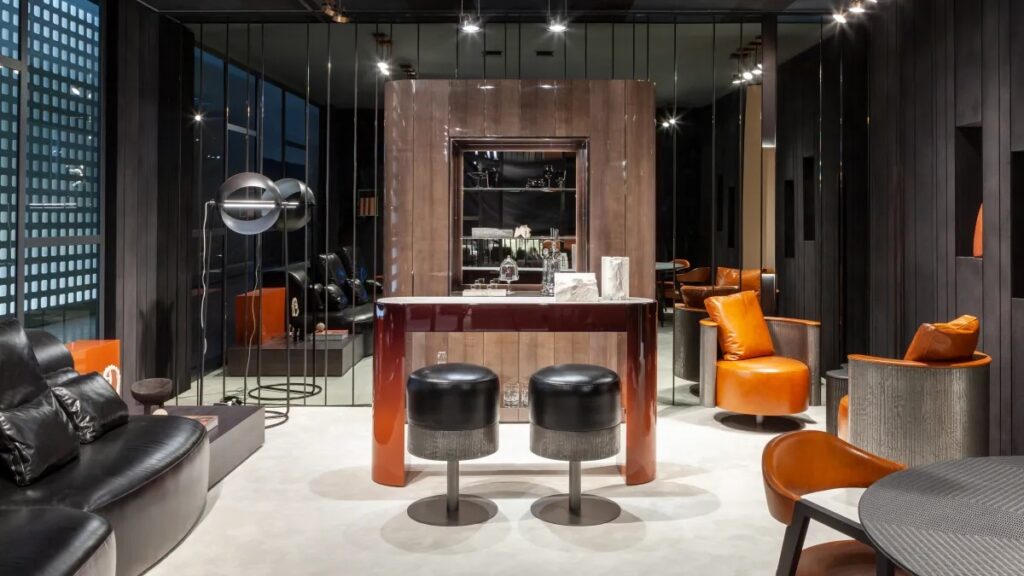
A dark wood veneer counter with brass details can create the feeling of a private members’ club coffee bar. Light wood and stone composite can make a boutique cafe feel calm, warm and approachable. Lacquered panels with metal inlays can support a modern city coffee concept. A marble-effect counter face can create a more polished and premium impression without turning the cafe into a formal restaurant.
The most important principle is consistency. A counter should not be the only refined element in an otherwise ordinary room. It should connect to the seating, shelving, wall panels, lighting and surrounding surfaces. When those elements work together, the cafe feels designed rather than decorated.
Built-in seating and compact storage
Why built-in seating works well in cafes
Built-in benches, banquettes, window seating and perimeter seating are especially useful in cafes because they keep the floor plan organized. Instead of scattering chairs and tables across the room, the design can create a stable seating line along one wall or around a corner. This leaves more space for circulation, queuing and service.
A bench along one wall can support a row of two-top tables without crowding the room. Customers can sit comfortably while the center of the cafe remains open. This is particularly useful in narrow urban cafes where every chair leg and table edge affects movement.
A window bench can turn unused frontage into one of the most desirable seats in the cafe. Customers often enjoy natural light, street views and a sense of connection to the neighborhood. From the outside, occupied window seating also makes the cafe look active and inviting.
A corner banquette can make a small cafe feel more intimate and premium. It can create a soft zone for longer stays, meetings or relaxed conversations. When designed with quality upholstery, refined paneling and warm lighting, a corner that might otherwise feel awkward becomes one of the most memorable parts of the interior.
A long upholstered bench can visually connect the cafe from front to back. It creates rhythm, gives the seating area structure and allows tables to be adjusted more easily than a fully fixed layout. This kind of seating works well when a cafe needs flexibility but still wants a built-in, polished look.
Built-in seating can also support different customer behaviors:
Quick solo visits near the counter
Longer laptop sessions along a wall
Comfortable two-person seating for casual meetings
Small group seating in a corner banquette
Window seating for customers who prefer a quieter edge
Lounge-style seating in premium or hospitality-connected cafes
The goal is not to maximize the number of seats at all costs. The goal is to create seating that feels comfortable, intentional and appropriate for the cafe’s rhythm.
Bar stools and counter seating
Counter seating is useful in cafes because it adds places to sit without requiring a large seating footprint. It works well for solo customers, short visits, espresso bars, window counters and premium coffee concepts where guests may want to sit close to the barista activity.
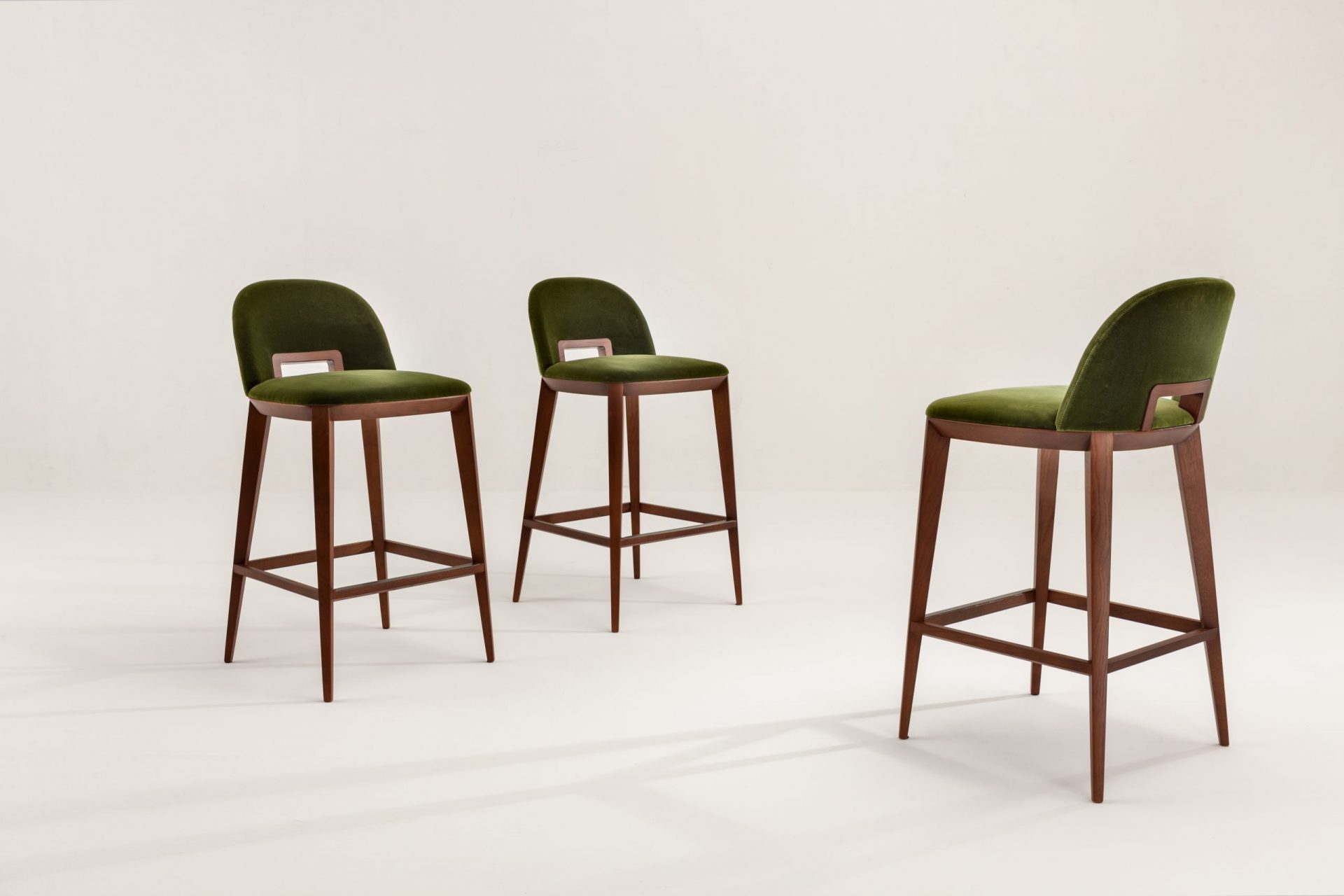
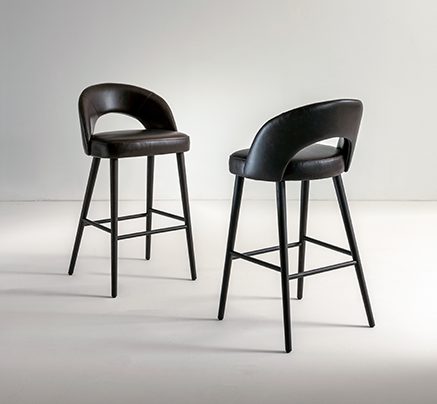
Bar stools should not be treated as an afterthought. In a refined cafe interior, stools become part of the design language. Their shape, material, height and comfort level affect the overall impression of the space. A stool with a curved backrest can soften a modern counter. Fine woods can connect the seating to veneer or wall panels. Metals can relate to counter details or lighting. Upholstered fabrics can make a compact cafe feel more comfortable and less rigid.
MATERIA Collection’s Italian-designed bar stools are relevant to this kind of planning because they combine modern lines, premium materials and customization options. In a cafe setting, this matters because counter seating needs to be durable enough for commercial use while still contributing to the atmosphere. A stool is not only a place to sit. It is part of the customer’s physical experience of the cafe.
Counter seating can work especially well in:
Narrow cafes where table seating is limited
Espresso bars with short customer dwell time
Window-facing seating zones
Premium lobby cafes
Coffee bars inside mixed-use buildings
Boutique concepts where the counter is part of the experience
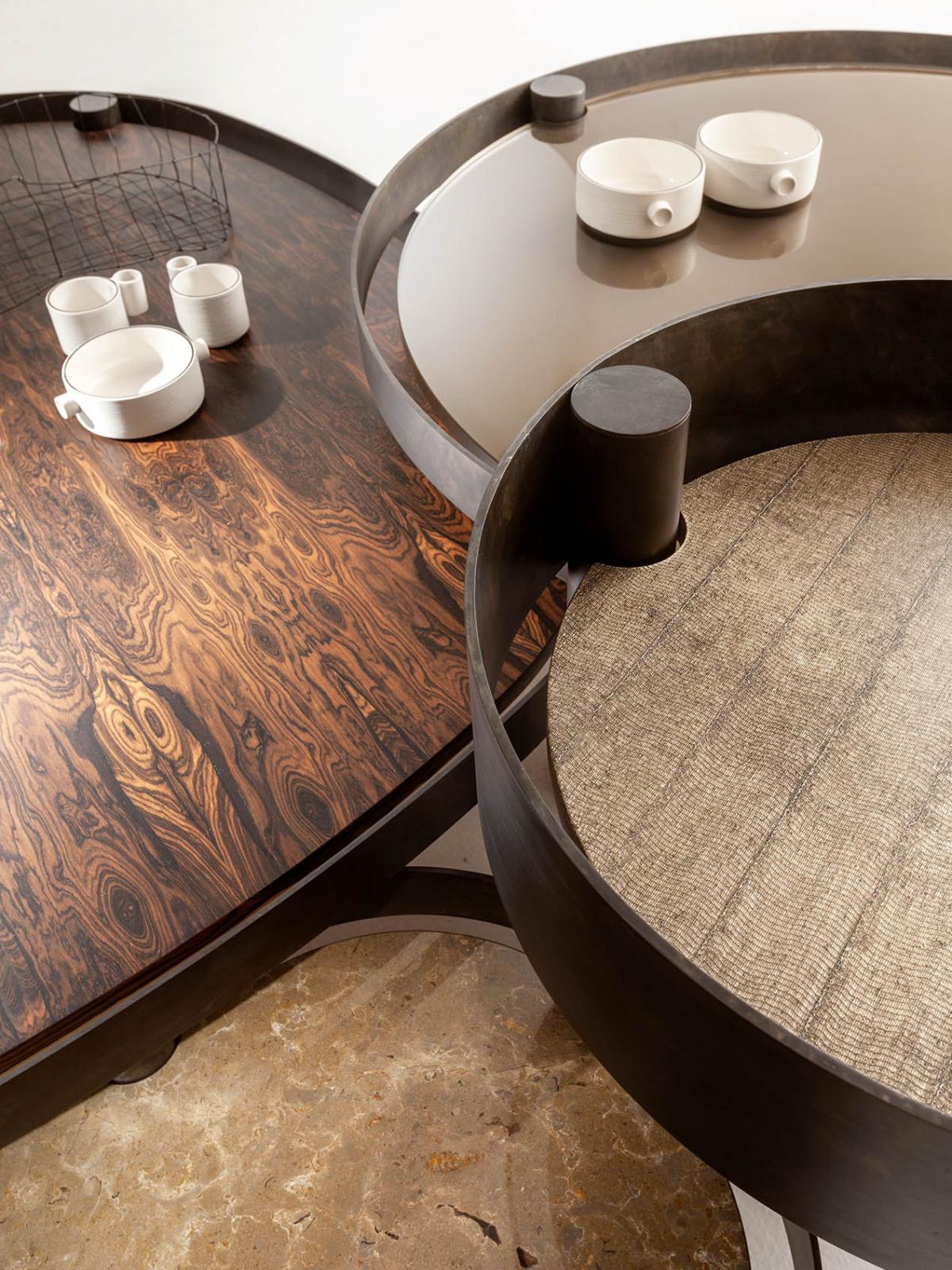
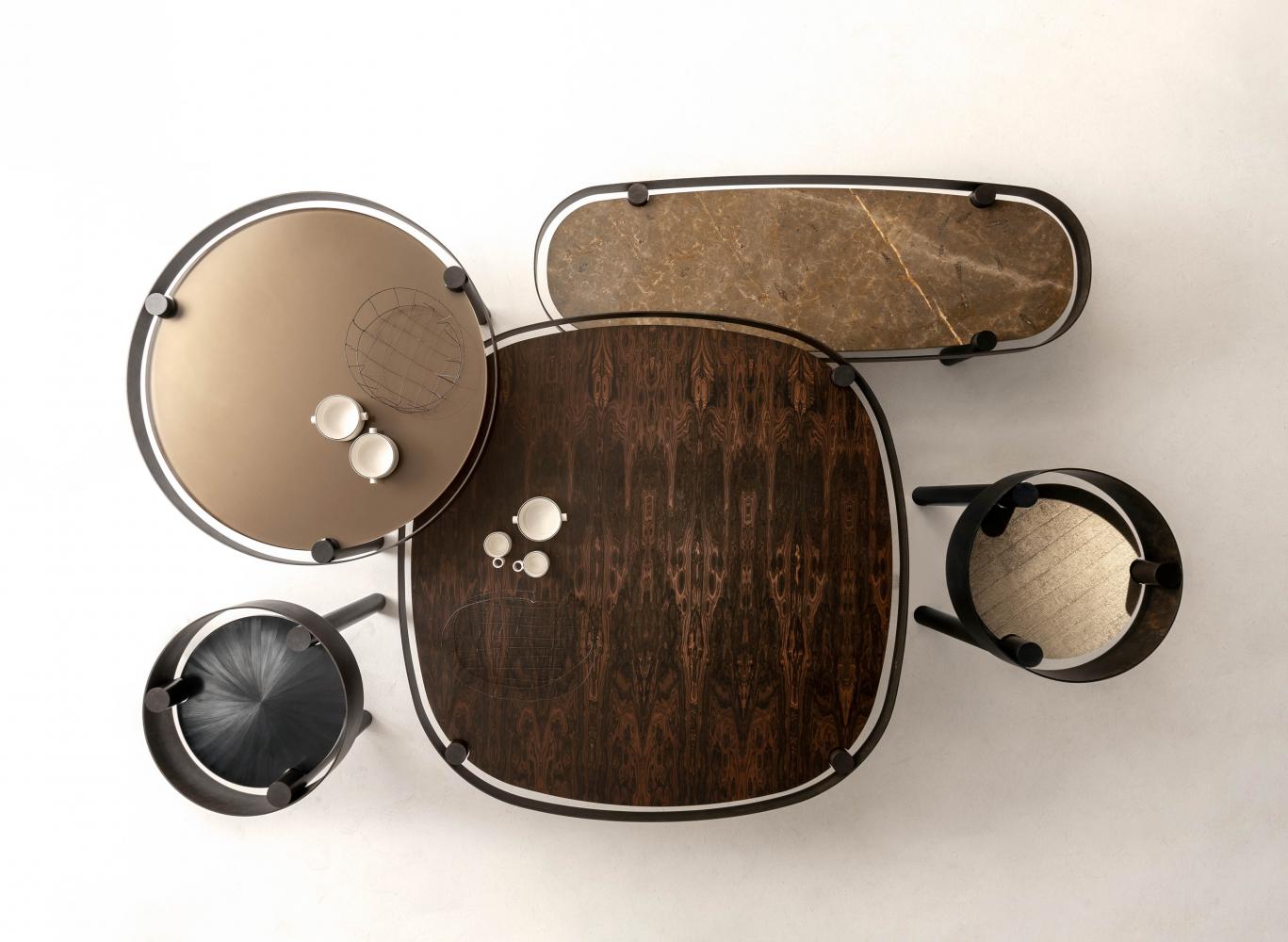
A cafe lounge zone can also include carefully selected freestanding pieces, especially when the space allows for a softer hospitality feeling. In that context, refined occasional tables or modern luxury coffee tables can support a relaxed seating area, but they should remain secondary to the built-in millwork strategy. The main focus of a cafe interior is still the counter, seating, wall treatment, shelving and customer flow.

Wall panels and branded backgrounds
Cafe wall panels as a brand-building surface
A customer may not remember the exact layout of a cafe, but they often remember the wall behind the counter or the seating backdrop where they took a photo. This makes wall panels especially valuable in boutique cafe design. A strong wall treatment can give the brand a visual signature without relying on oversized logos or excessive decoration.
The most effective cafe wall panels are integrated into the full interior concept. They relate to the counter, the lighting, the seating and the color palette. A textured wall behind the counter can make the service area feel more refined. A paneled seating wall can make a long bench feel intentional. A feature wall near the pickup area can create a natural photo moment while customers wait for drinks.
MATERIA’s wall panel systems are especially relevant for cafes that need a more elevated interior language. Wall panels can be customized to fit the scale, mood and material direction of the space, helping a cafe move beyond a generic coffee shop look.
Photographable corners should be planned carefully. They should not feel like artificial selfie stations disconnected from the rest of the room. A successful branded background feels natural. It might be a textured wall behind a bench, a marble-effect panel behind the counter, a warm wood surface with integrated lighting or a geometric panel that creates movement without overwhelming the space.
Italian wall treatments for premium cafe interiors
MATERIA Collection offers Italian wall panel systems, decorative wall panels and wallpapers designed to transform walls into high-end surfaces with texture, depth and elegance. This is important for cafe interiors because walls are often the largest visible surfaces in the room. When treated thoughtfully, they can make even a compact cafe feel layered and complete.
Italian wall treatments are not ordinary paint or basic wallpaper. They can create architectural presence, visual warmth and a more refined sense of materiality. Depending on the concept, a cafe might use subtle texture, natural patterns, marble effects, metal effects, acoustic panels, geometric wallpapers or sculptural panel systems.
Relevant wall treatment directions include:
Decorative panels with marble effect
Metal effect decorative panels
Decor acoustic wall panels
Onda wall panels
Stars wall panels
Bamboo wall panels
Maxima wall panels
Line wall panels
Terre wall panels
Boiserie panels
Textured and cement-inspired wallpapers
Geometric and architecture-inspired wallpapers
Nature-inspired wallpapers
Venetian plaster
Each option creates a different atmosphere. Marble-effect panels can make a coffee bar feel polished and luxurious. Metal-effect panels can support a modern urban concept. Acoustic wall panels can add comfort in a lively cafe. Bamboo, Line, Maxima or Terre wall panels can give the interior more identity and depth. Venetian plaster can create a softer, more luminous surface that feels refined without becoming overly decorative.
In cafe design, the wall treatment should also respond to the scale of the room. A dramatic panel may work behind the counter, while a softer texture may be better along the seating wall. A small cafe does not need every wall to become a feature. Often, one strong background supported by quieter surrounding surfaces creates the best result.
Display shelving, lighting and customer flow
Display shelving and lighting are often treated as secondary details, but in cafes they directly affect sales, atmosphere and movement. A cafe may sell coffee first, but many modern cafes also sell pastries, packaged beans, branded merchandise, ceramics, accessories and gifts. These items need to be visible without making the space feel cluttered.
Customer flow is equally important. A cafe can have beautiful finishes and still feel uncomfortable if customers do not know where to stand, where to wait or how to move through the room. Millwork helps solve this by giving structure to the ordering path, display zones and seating edges.
Display shelving for pastries, retail coffee and merchandise
Many cafes now operate as small retail environments as well as food and beverage spaces. A customer may come in for coffee and leave with a pastry, a bag of beans, a branded cup, a gift item or a small accessory. Custom shelving makes these products feel curated rather than improvised.
Display shelving should be planned around visibility and flow. A pastry shelf near the ordering point can encourage add-on purchases without forcing customers to step away from the line. Packaged coffee can be displayed vertically behind the counter or along a side wall where customers can browse without blocking service. Merchandise can be placed in integrated niches, open shelving or illuminated wall displays that feel like part of the interior.
Effective cafe display shelving may include:
Wall-mounted shelves behind the counter
Glass-front pastry displays
Recessed wall niches
Open shelving with integrated lighting
Vertical retail display for packaged coffee
Small merchandise ledges near the queue
Built-in shelving that aligns with wall panels
Display zones that do not interfere with pickup
The best display shelving gives products room to breathe. Overcrowded shelves can make a premium cafe feel disorganized. A few well-lit, carefully arranged products often look more valuable than many items placed without hierarchy.
A small pastry shelf near the ordering point can increase visibility without slowing service. Retail coffee bags can be displayed vertically behind the counter so they become part of the visual backdrop. A recessed wall niche can highlight seasonal products or limited items. Open shelving with integrated lighting can make merchandise feel more intentional and premium.
In a compact cafe, display is not only about showing products. It is also about protecting the room from clutter.
Integrated lighting as part of millwork
Lighting should be integrated into the millwork early, not added at the end. When lighting is planned too late, it often misses the most important surfaces. The counter may look flat. The wall panels may lose texture. The pastry display may look dull. The seating area may feel either too dark or too exposed.
Integrated lighting helps millwork perform visually. It can reveal the texture of a wall panel, define the counter edge, highlight shelves, illuminate menu areas and make built-in seating feel warmer. In a premium cafe interior, lighting is not simply a technical layer. It is part of the material experience.
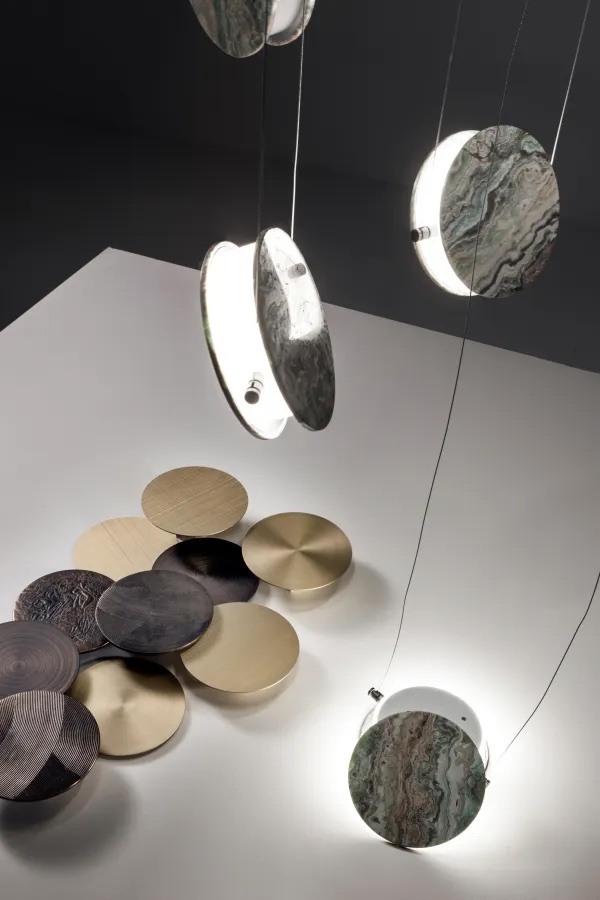
MATERIA Collection’s broader design ecosystem includes lighting such as floor lamps, table lamps, pendants and spotlights. In cafe design, this range matters because different zones need different types of light. The counter may require focused lighting. The seating area may need softer light. Display shelving may need integrated illumination. A feature wall may need grazing light to show texture.
Luxury finishes that still feel inviting
A cafe interior should feel considered, refined and memorable, but it should never feel too formal for everyday use. This is one of the most important differences between a premium coffee shop interior and a luxury boutique, formal dining room or private hospitality lounge. A cafe has to welcome people in different moods, at different times of day and for different reasons. One customer may stop in for a quick espresso before work. Another may sit with a laptop for an hour. Two friends may meet for a slow conversation. A visitor may take a photo because the interior feels special.
That means luxury in a cafe must be balanced with comfort. The finishes should elevate the space, but they should not make customers feel as if they need permission to sit down. The millwork should look custom, but not untouchable. The materials should feel premium, but not cold. The best cafe millwork ideas create an atmosphere that feels polished and relaxed at the same time.
Premium does not have to feel cold
Luxury interiors are sometimes misunderstood as spaces defined only by stone, metal, gloss and sharp lines. Those elements can be beautiful, but in a cafe they need to be softened by warmth, texture, seating comfort and lighting. A cafe is not a showroom that people only look at. It is a commercial interior that people physically use every day.
This is where material balance becomes essential. A custom counter with a stone or marble-inspired face may create a strong first impression, but it may need wood veneer nearby to add warmth. Metal details may make shelving feel precise and refined, but upholstery can make the seating area more comfortable. Textured wall panels can add depth, but soft lighting helps that depth feel inviting rather than severe.
A premium cafe interior often works best when no single finish dominates the room. Instead, the materials support one another:
Wood veneer adds warmth, rhythm and a sense of permanence.
Natural stone adds visual weight and a feeling of substance.
Metal details add precision, contrast and a more tailored character.
Upholstery adds comfort, softness and longer-stay appeal.
Textured panels add depth, shadow and architectural interest.
Soft lighting makes luxury feel more relaxed and approachable.
For cafe owners and designers, the goal is not to choose the most expensive-looking material for every surface. The goal is to choose the right finish for the right surface. The counter may need a durable and visually strong front. The wall behind the counter may need texture or paneling. The seating zone may need warmer tones. The shelving may need metal or integrated lighting for product display. Each choice should contribute to the same overall atmosphere.
MATERIA Collection’s broader material language is especially useful for this kind of project because it connects custom millwork, Italian wall treatments, natural materials, metals, stone, lighting and fine furniture into one visual system. For a deeper look at how refined surfaces can shape luxury interiors, MATERIA’s 2026 material palette offers a useful reference point for veneer, metal inlays, stone composites and other elevated finish directions.
In a cafe, these finishes should be applied with restraint. A marble-effect wall panel may be enough to create a premium backdrop. A brass detail at the counter may add elegance without overwhelming the space. A soft wood veneer may make the interior feel more human. A sculptural stool may add character without taking over the room. Luxury becomes more effective when it is edited.
Cafe millwork ideas by project type
Cafe millwork becomes clearer when it is connected to specific project types. A boutique neighborhood cafe, a luxury coffee bar in a mixed-use development, a hotel lobby espresso bar, a compact New York cafe and a Miami boutique cafe all require different priorities. The materials may overlap, but the planning logic changes.
Boutique neighborhood cafe
A boutique neighborhood cafe should feel warm, intimate and memorable. It needs enough design quality to stand out, but it should still feel approachable for repeat customers. This type of space often benefits from a custom counter, built-in bench seating, textured wall panels, soft pendant lighting and display shelving for pastries and retail coffee.
The counter should be inviting rather than overly formal. A warm veneer, soft stone tone or textured counter front can create a sense of craft. The pastry display should be close to the ordering point, where customers naturally pause. Retail coffee can be displayed on shelves that feel curated, not crowded.
Built-in seating is especially valuable in this type of cafe because it helps create routine. Regular customers often return to the same corner, window bench or wall seat. A long upholstered bench with small tables can make the space feel comfortable without sacrificing circulation.
The wall treatment should give the cafe a recognizable atmosphere. It might be a textured panel behind the bench, a warm wall covering near the seating area or a subtle feature wall behind the counter. The goal is not visual drama for its own sake. The goal is comfort, memorability and repeat visits.
Luxury coffee bar in a mixed-use development
A coffee bar inside a residential, retail or office development needs a more architectural approach. It is not just a cafe; it is part of the building’s amenity experience. The millwork should feel permanent, polished and aligned with the surrounding interior.
A stone or marble-effect counter front can create immediate visual weight. Clean shelving can display packaged coffee or branded retail items without making the space feel busy. Integrated lighting can highlight the counter, shelves and wall panels. A premium wall backdrop can help the coffee bar feel like part of the building’s identity.
This type of cafe millwork should avoid looking like a temporary tenant installation. The counter should feel built into the environment. The wall panels should relate to the lobby, retail corridor or shared seating area. Seating should be comfortable but controlled, especially if the cafe is connected to a larger circulation zone.
A luxury coffee bar in a mixed-use development may also need to serve different users throughout the day. Residents, office tenants, visitors and retail customers may all interact with the same space. The millwork should therefore balance efficiency with atmosphere. It should support fast ordering in the morning and a more relaxed impression during quieter hours.
Hotel lobby cafe or espresso bar
A hotel lobby cafe or espresso bar must blend into a larger hospitality environment. It should feel like part of the hotel’s lobby, lounge or public interior rather than a separate coffee kiosk. The counter, wall panels, lighting and seating should all support the broader atmosphere of the property.
The counter may need to be compact, but it should still feel refined. Marble-inspired surfaces, wood veneer, metal details or decorative panels can help it match the surrounding hospitality design. The rear wall may become a subtle feature, especially if the cafe is visible from the lobby entrance or lounge seating.
Seating should be planned carefully. Some guests may only stop for coffee before leaving the hotel. Others may sit briefly while waiting for someone. The furniture and built-ins should support that rhythm without overcrowding the lobby.
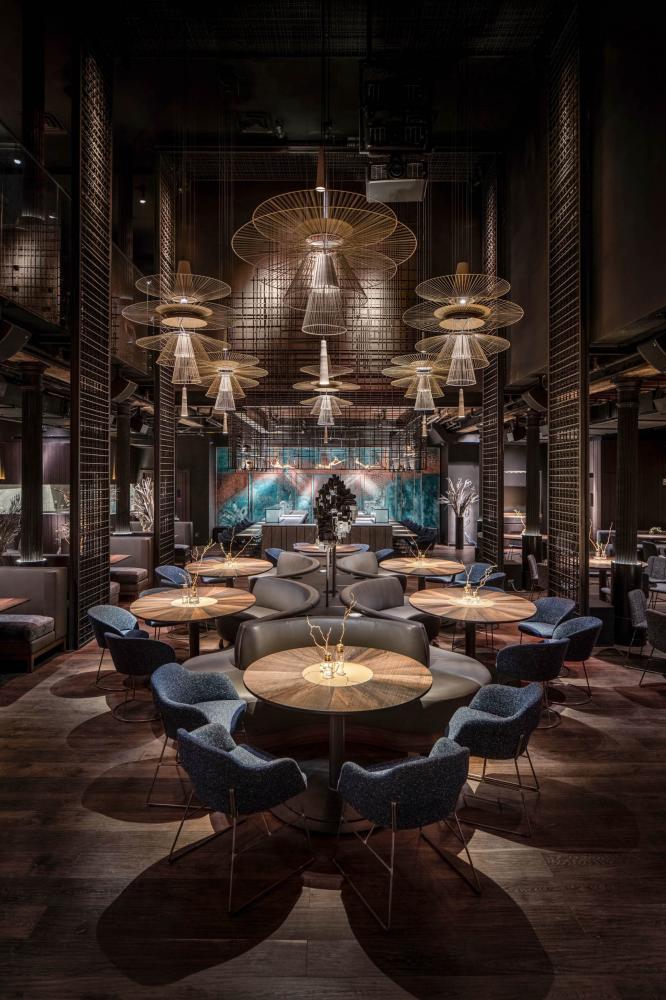
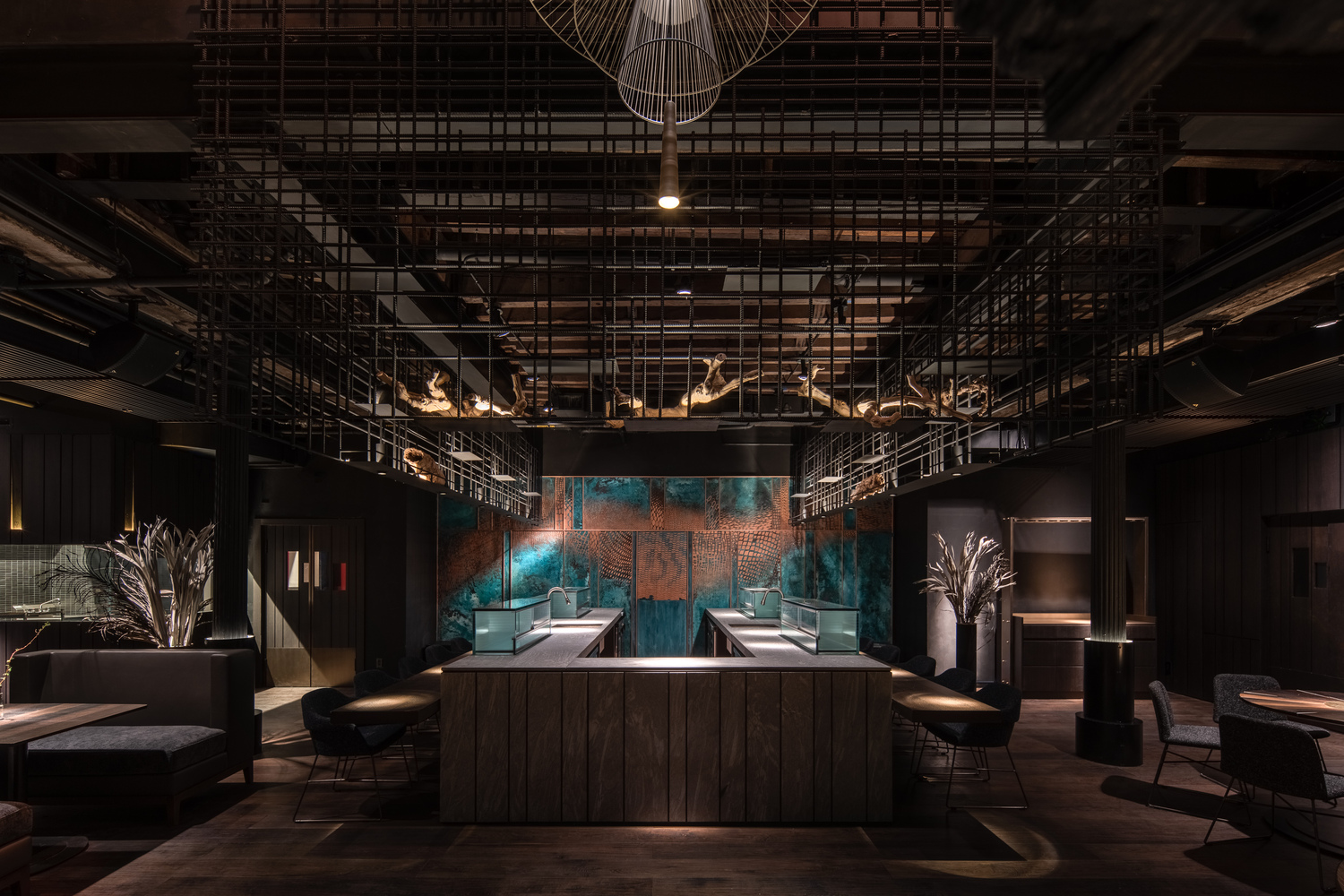
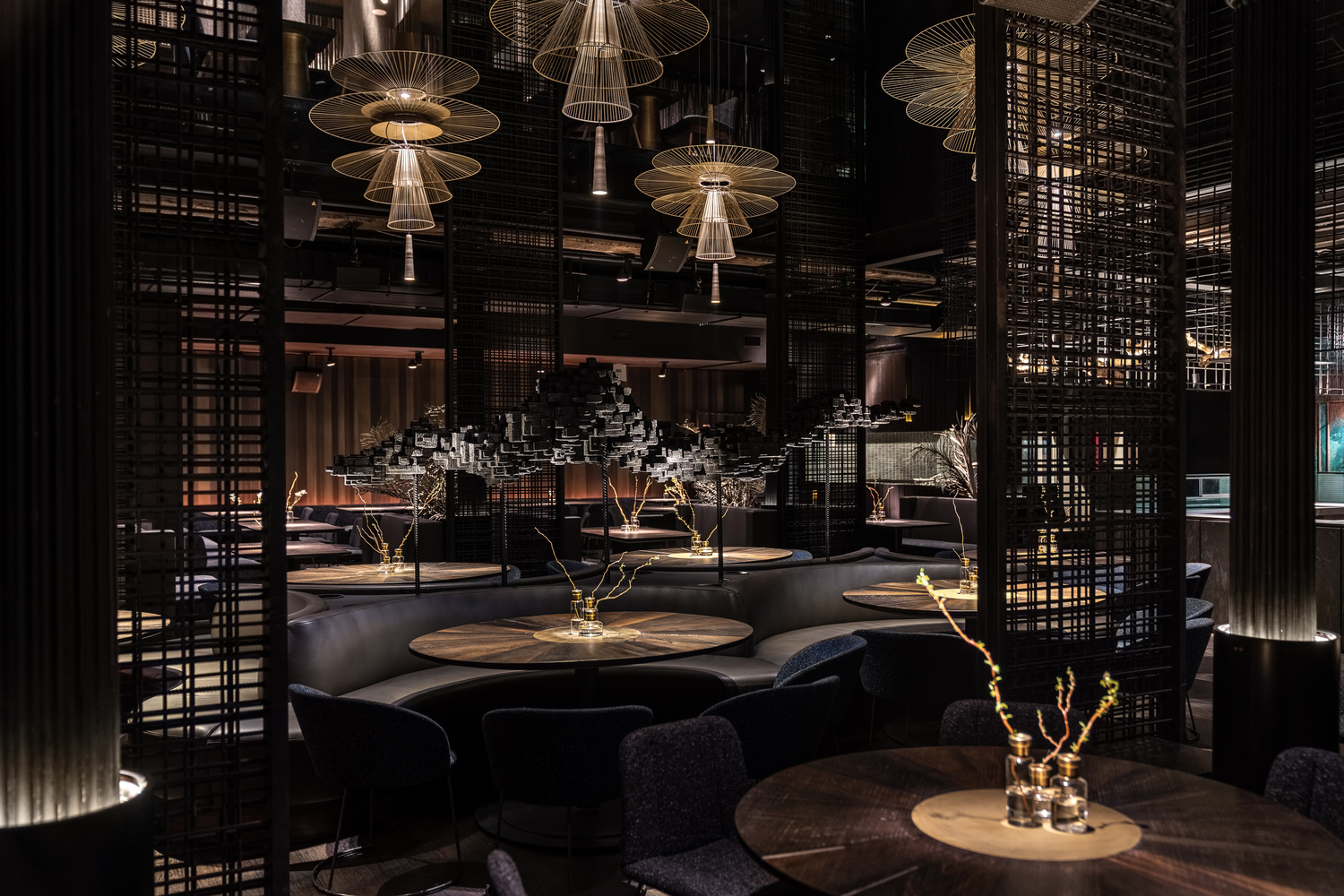
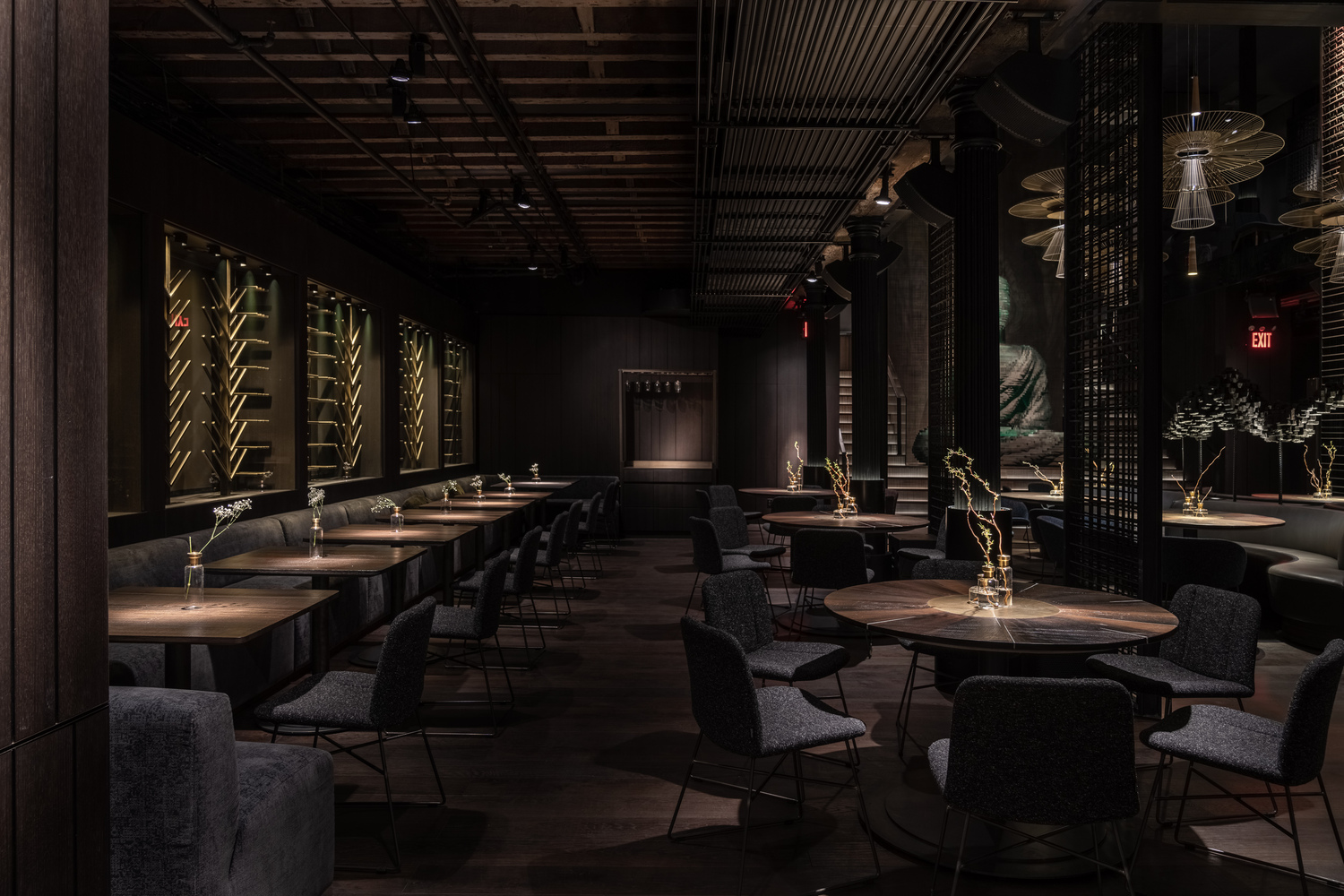
MATERIA Collection’s experience with refined restaurants, corporate offices, boutiques and bespoke projects is relevant to this type of environment because lobby cafes require coordination across design categories. The millwork must relate to wall treatments, lighting, furnishings and the overall interior concept. The Buddha-Bar New York project, completed with YOD Design Lab and featuring MATERIA wall panels and bespoke personalized elements, shows how custom surfaces and detailed millwork can contribute to memorable hospitality interiors without relying on generic design solutions.
Small-format New York cafe
A small-format New York cafe often has to create impact in a narrow or irregular footprint. Space is limited, customer movement is fast and every vertical surface matters. In this environment, millwork planning should focus on efficiency, storage and strong visual identity.
A narrow counter can preserve circulation while still creating a clear ordering point. Wall-mounted shelving can keep retail products visible without consuming floor area. Built-in bench seating can create capacity along one wall. A separate pickup ledge, even if small, can reduce confusion during busy periods.
Vertical planning is especially important. Tall shelving, paneled back walls, slim storage units and integrated menu areas can make the cafe feel complete without expanding the footprint. A strong wall treatment behind the counter or along the main seating wall can give the interior character even when there is limited room for decorative objects.
A New York premium cafe can feel compact and elevated at the same time. It does not need large furniture or dramatic gestures. It needs precise proportions, clear circulation, durable finishes and a strong relationship between counter, seating, shelving and wall panels.
Miami boutique cafe
A Miami boutique cafe can lean into warmth, lifestyle and visual appeal. The design may feel more relaxed than a dense urban espresso bar, but it should still be carefully planned. Lighter finishes, natural materials, integrated lighting, comfortable seating and a photographable wall feature can create a strong premium impression.
The counter might use a softer stone tone, light wood veneer, textured panels or warm metal details. Seating may include a built-in bench, comfortable stools or a small lounge zone. Wall treatments can bring depth through natural textures, Italian decorative panels, Venetian plaster or warm geometric surfaces.
Lighting should support a relaxed atmosphere. Warm pendants, soft shelf lighting and carefully placed spotlights can make the interior feel inviting throughout the day. A photographable wall feature can help the cafe gain visibility, but it should still feel integrated with the full design.
MATERIA Collection’s showroom in Bay Harbor Islands, FL, makes this Miami connection especially natural. Cafe owners, designers and developers working on premium commercial interiors in the Miami area can use MATERIA’s Italian design language, wall panel systems, fine furniture, lighting and bespoke surfaces to create spaces that feel refined, comfortable and visually distinctive.
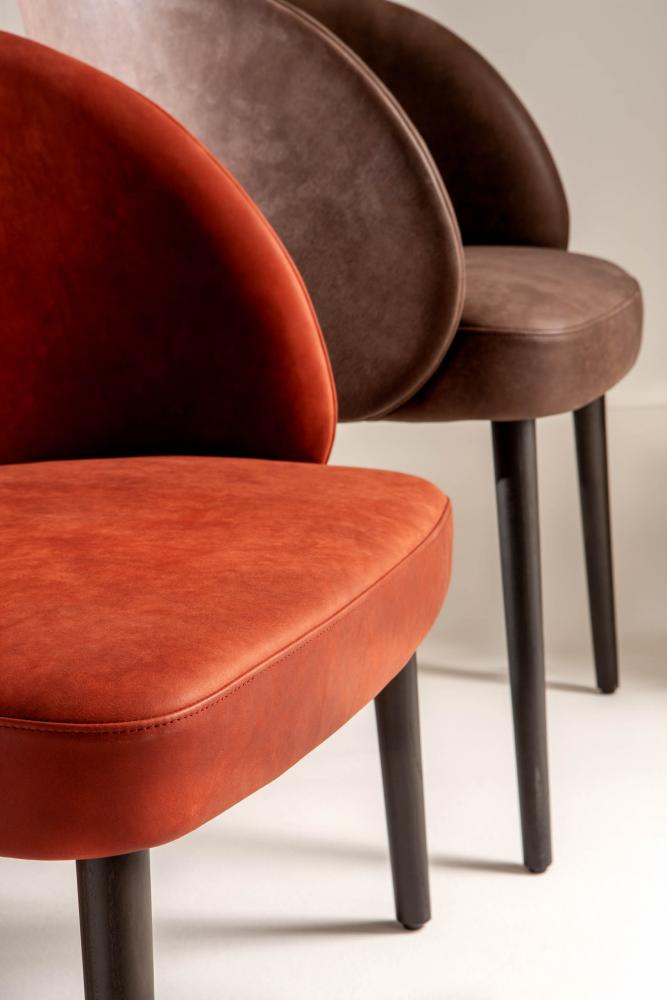
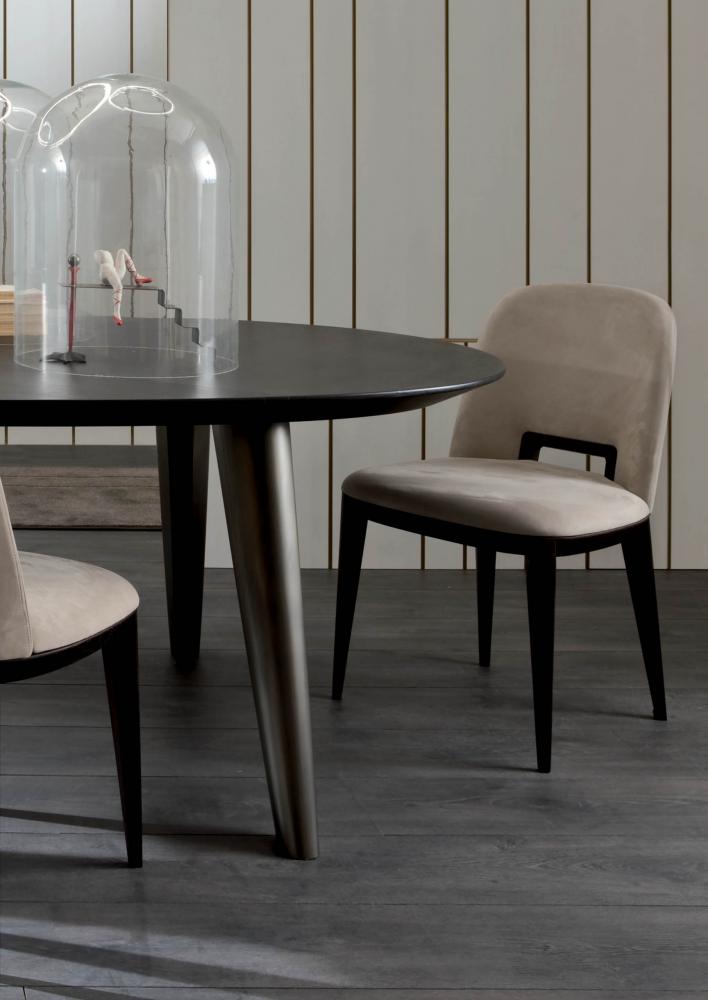

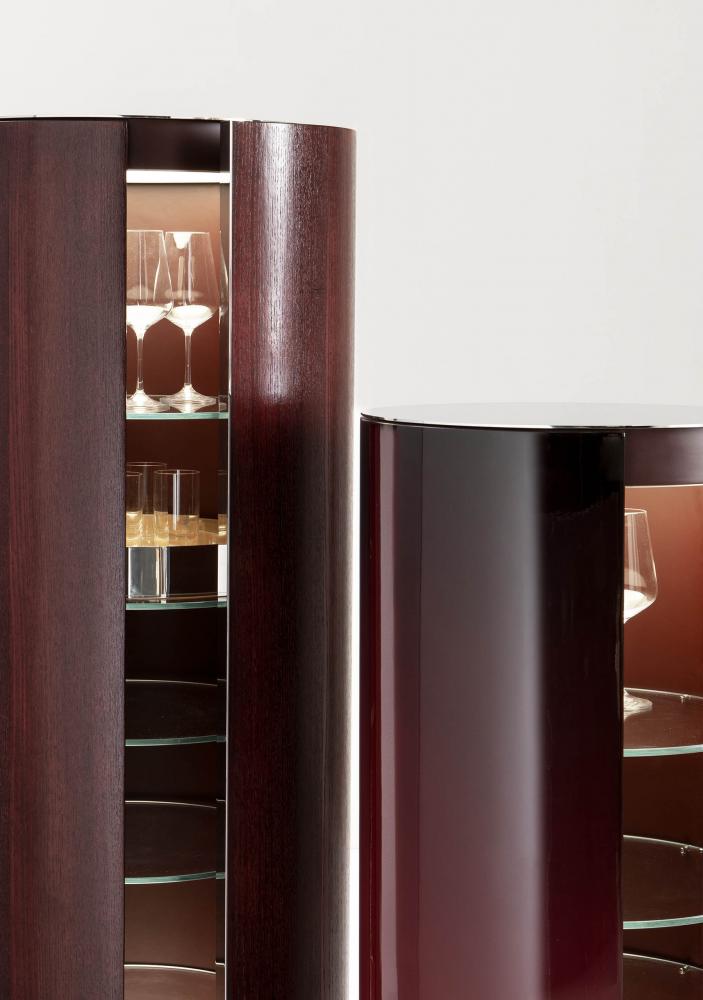
Planning cafe millwork with MATERIA
Planning cafe millwork should begin with the way the cafe works, not only with the way it looks. Finishes matter, but they should come after the customer path, service model, seating needs and storage requirements are understood. A beautiful material palette cannot fix a confusing layout.
MATERIA Collection’s strength is the ability to connect custom millwork, Italian wall treatments, fine furniture, lighting, cabinetry, doors, kitchens, luxury surfaces and bespoke detailing into a unified design language. For cafe interiors, that matters because the best results come from coordination. The counter, shelving, seating, wall panels and lighting should not feel like separate purchases. They should feel like parts of one interior concept.
Start with the customer path, not the finishes
The first planning question should be simple: how does the customer move through the cafe? Once that path is clear, the millwork can be designed around it.
A customer enters, looks for the ordering point, reviews the menu, notices pastries or retail items, places an order, pays, waits, collects the drink and either leaves or sits down. If any part of this path is unclear, the cafe can feel crowded even when it is not full.
The counter should support the path. The display shelving should support the path. The seating should not interrupt the path. The wall panels should enhance the path visually. Lighting should guide attention toward the most important areas.
Coordinate designers, architects and millwork providers early
Cafe millwork should be planned early because it affects layout, lighting, power access, wall treatments, seating, storage and visual identity. If millwork is treated as a final decorative layer, the project may lose opportunities that are difficult to recover later.
For example, integrated lighting needs coordination. Wall panels may need specific dimensions, backing or alignment. Built-in seating may affect flooring, outlets and table placement. Counter design may influence customer flow, equipment zones and storage. Display shelving may need to coordinate with both lighting and product planning.
When designers, architects and millwork providers work together early, the cafe can become more coherent. The counter can align with wall panels. Shelving can connect with lighting. Seating can hide storage. Materials can repeat in subtle ways. The interior can feel custom from the beginning rather than assembled after the main decisions have already been made.
The Buddha-Bar New York project is a useful example of this broader capability. MATERIA’s work included Maxima Stars and Line wall panels, along with bespoke and personalized items. While a cafe is usually smaller in scale, the same principle applies: custom surfaces, wall treatments and millwork details can make a hospitality space feel distinctive and complete.
Cafe owners, boutique coffee brands, hospitality designers and commercial developers can explore MATERIA Collection’s Italian design, wall panel systems, custom millwork, fine furniture, lighting and bespoke surfaces for premium cafe and hospitality interiors in Miami, New York and beyond.
Frequently Asked Questions - Cafe Millwork Ideas
What is cafe millwork?
Cafe millwork includes custom-built interior elements such as counters, seating, wall panels, shelving, storage, display areas and service-zone details. It helps shape both the look and function of a cafe.
Why is custom millwork important in a small cafe?
Custom millwork helps small cafes use every inch more efficiently. It improves customer flow, service speed, hidden storage, seating capacity and the overall premium feel of the interior.
What are the best cafe millwork ideas for a premium coffee shop interior?
The best ideas include custom cafe counters, built-in benches, wall panels, display shelving, integrated lighting, hidden storage and premium finishes. These elements work best when planned as one cohesive design system.
Can wall panels work in a cafe interior?
Yes, wall panels work very well in cafe interiors. They can add texture, warmth, acoustic comfort, visual identity and a strong branded backdrop behind the counter or seating area.
How should cafe seating be planned in a compact space?
Cafe seating should be planned around comfort and circulation. Built-in benches, wall seating, window seating and counter stools can increase capacity without blocking the ordering line or pickup path.
What finishes make a cafe feel more premium?
Premium cafe finishes include wood veneer, natural stone, stone composites, metal details, textured panels, lacquer, upholstery, Venetian plaster and Italian decorative wall treatments. The best choice depends on the cafe concept and daily use.
Does MATERIA Collection work on cafe and hospitality interiors?
Yes. MATERIA Collection works across luxury interiors, custom millwork, Italian wall treatments, fine furniture, lighting, bespoke surfaces, refined restaurants, boutiques, corporate offices and other premium environments.