


When designing an interior space, one of the most important yet often overlooked elements is the selection and integration of fixtures. These are the foundational components that not only enhance the functionality of a space but also contribute significantly to its visual appeal and architectural coherence.
Definition of Fixtures in Interior Design
In interior design, fixtures refer to permanently installed or built-in elements that are integrated into the structure of a space. These elements are typically affixed to walls, floors, or ceilings and are not intended to be moved once installed. Fixtures serve a functional purpose while also contributing to the overall aesthetic and design continuity of a room.
The Role of Fixtures in Architecture and Interior Functionality
Fixtures are more than just decorative elements—they play a vital role in the structural integrity and functionality of an interior. They provide essential utilities, such as lighting, water supply, heating, and storage, and influence the way a space is used and navigated.
For example:
- Lighting fixtures affect the ambiance, visibility, and overall mood of a space.
- Plumbing fixtures ensure the availability of water for essential daily functions.
- Built-in storage solutions help maintain organization and clutter-free living.
- Heating and cooling fixtures regulate comfort and air quality within an environment.
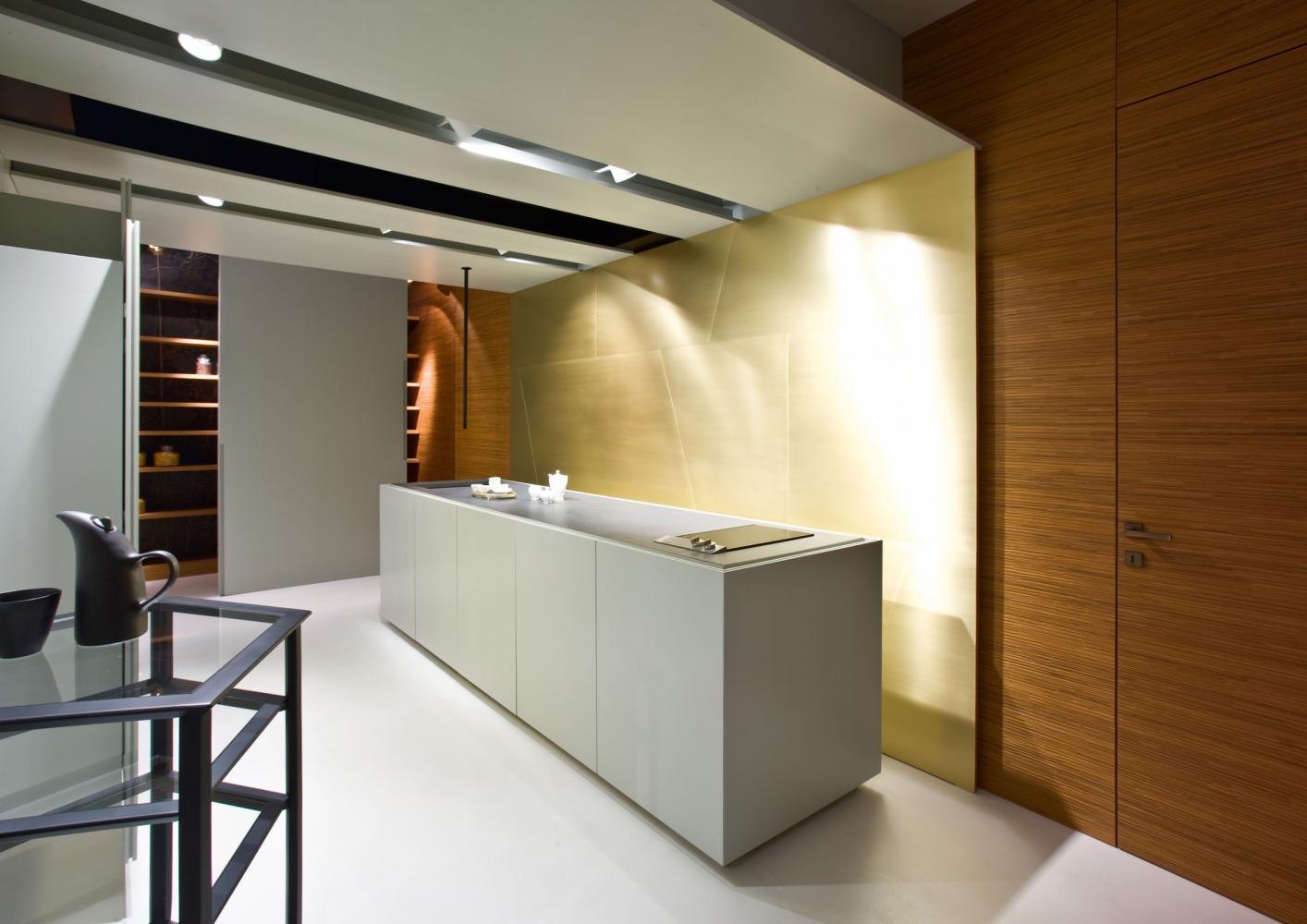
Permanent vs. Semi-Permanent Fixtures
While most fixtures are permanent and designed to last for the lifetime of a building, some fall into the category of semi-permanent fixtures. These are elements that, although fixed, can be removed or replaced without causing major structural changes.
Permanent Fixtures (Not Meant to Be Moved)
- Electrical outlets
- Plumbing pipes
- Built-in cabinetry
- Flooring materials (hardwood, tiles)
- Ceiling beams
Semi-Permanent Fixtures (Can Be Changed with Some Effort)
- Wall-mounted mirrors
- Light fixtures (can be updated or swapped)
- Kitchen backsplashes
- Showerheads and faucets
- Curtain rods (removable but still considered fixtures)
In modern interior design, flexibility is becoming a key priority, with more designers opting for modular and semi-permanent fixtures that allow homeowners to update their spaces without extensive renovations.
The Difference Between Fixtures and Fittings
While fixtures are permanently attached elements in an interior space, fittings are removable, freestanding, or semi-attached objects that can be moved or replaced with ease. The distinction between these two is critical in interior design, real estate transactions, and home renovations, as it affects design permanence, usability, and property valuation.
Fittings, also known as loose furnishings, contribute to a space’s functionality and aesthetic appeal, but they do not form an integral part of the building’s structure. They are often chosen for personal preference and can be replaced, rearranged, or removed without requiring structural modifications.
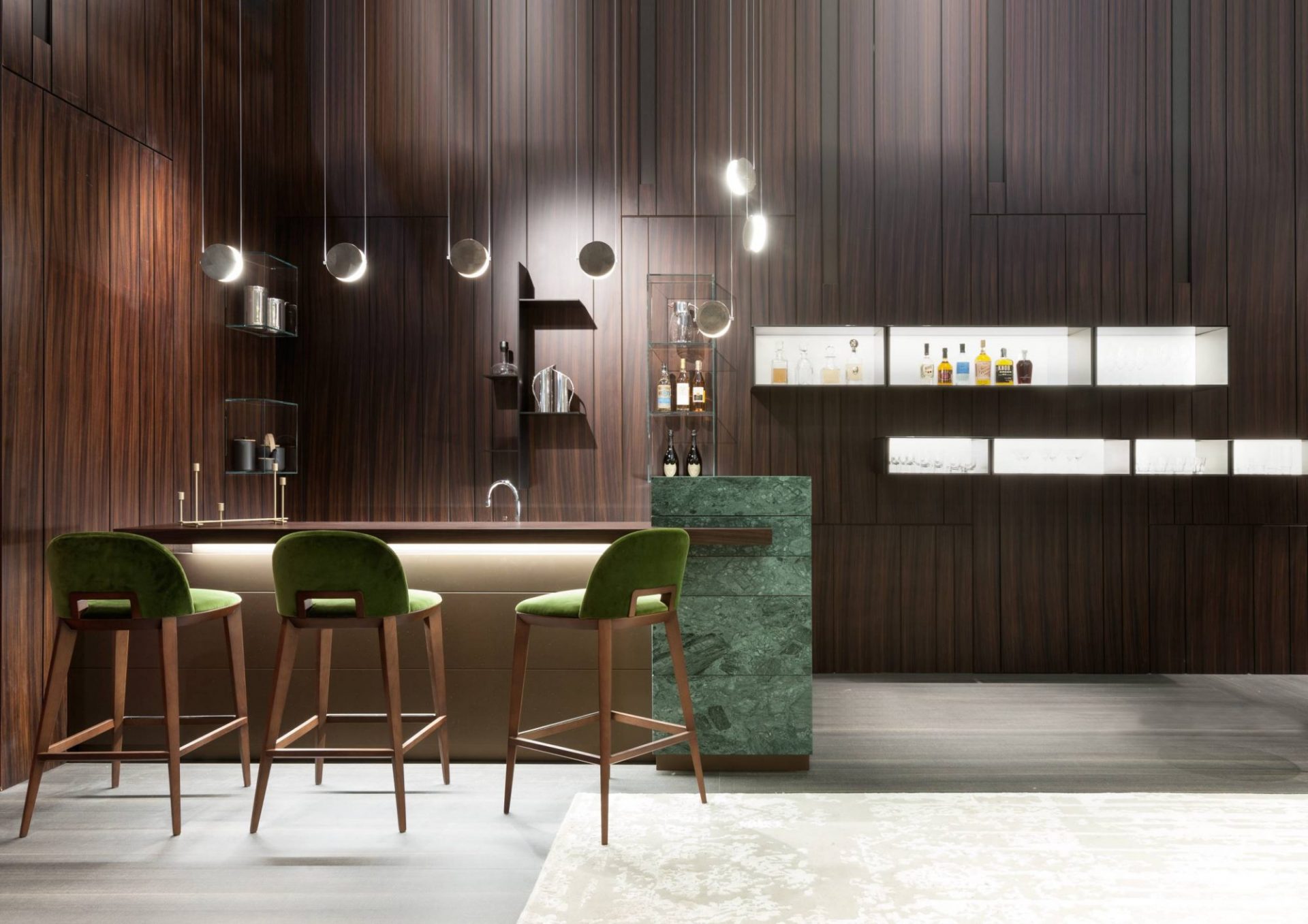
The “Turn Your House Upside Down” Analogy
A simple way to differentiate between fixtures and fittings is to imagine turning a house upside down. If an item remains fixed in place, it is a fixture. If it falls out, it is a fitting.
For example:
- A built-in wardrobe is a fixture because it is permanently installed into the wall.
- A freestanding wardrobe is a fitting because it can be moved.
- A bathtub that is plumbed into the floor is a fixture.
- A detachable towel rack is a fitting because it can be easily removed.
How the Distinction Affects Real Estate Sales and Property Valuation
In real estate transactions, the difference between fixtures and fittings can significantly impact pricing, negotiations, and legal agreements.
- Fixtures are generally included in the sale of a property, unless explicitly stated otherwise in the contract. This means that when a buyer purchases a home, they can expect to receive all the permanent, built-in elements.
- Fittings are not automatically included and may be removed by the seller before the new owner takes possession. If a buyer wants certain fittings (such as custom drapes, light fixtures, or appliances), they may need to negotiate their inclusion.
Impact on Property Valuation
- Homes with high-quality fixtures (e.g., premium kitchen cabinets, built-in storage, luxury lighting) typically increase in value and attract higher offers.
- The absence of essential fixtures, such as proper lighting or built-in kitchen units, may lower a property’s marketability.
- Buyers often expect built-in items like kitchen countertops, bathroom vanities, and fitted wardrobes to be part of the sale, while sellers may use high-end fittings (such as designer chandeliers or custom blinds) as negotiation leverage.
Properly distinguishing between fixtures and fittings is critical for homeowners, buyers, and interior designers to avoid misunderstandings and ensure a seamless transaction or renovation process.
| Category | Examples |
|---|---|
| Lighting Fixtures | Chandeliers, Pendant Lights, Recessed Lighting, Track Lights |
| Plumbing Fixtures | Faucets, Sinks, Bathtubs, Showers, Toilets |
| Built-in Fixtures | Cabinetry, Bookshelves, Kitchen Islands, Wall Paneling |
| Heating & Cooling Fixtures | Radiators, Thermostats, Air Conditioning Units, Underfloor Heating |
| Smart Fixtures | Voice-Controlled Lighting, Smart Showers, Digital Thermostats |
Types of Fixtures in an Interior Design Plan
Fixtures play a crucial role in the functionality and aesthetic appeal of an interior space. They can be categorized into different types based on their purpose and design integration.
1. Lighting Fixtures
Lighting is a fundamental component of interior design, influencing the ambiance, visibility, and mood of a space. Properly chosen lighting fixtures enhance a room’s aesthetic appeal while providing essential illumination.
Common Types of Lighting Fixtures
- Chandeliers – Statement ceiling fixtures, often used in dining rooms and grand entryways.
- Sconces – Wall-mounted lights ideal for accent or task lighting.
- Recessed Lighting – Built-in ceiling lights that provide a sleek, modern look.
- Pendant Lights – Hanging fixtures often placed over kitchen islands or dining tables.
- Track Lighting – Adjustable fixtures mounted on a track, perfect for highlighting artwork or specific areas.
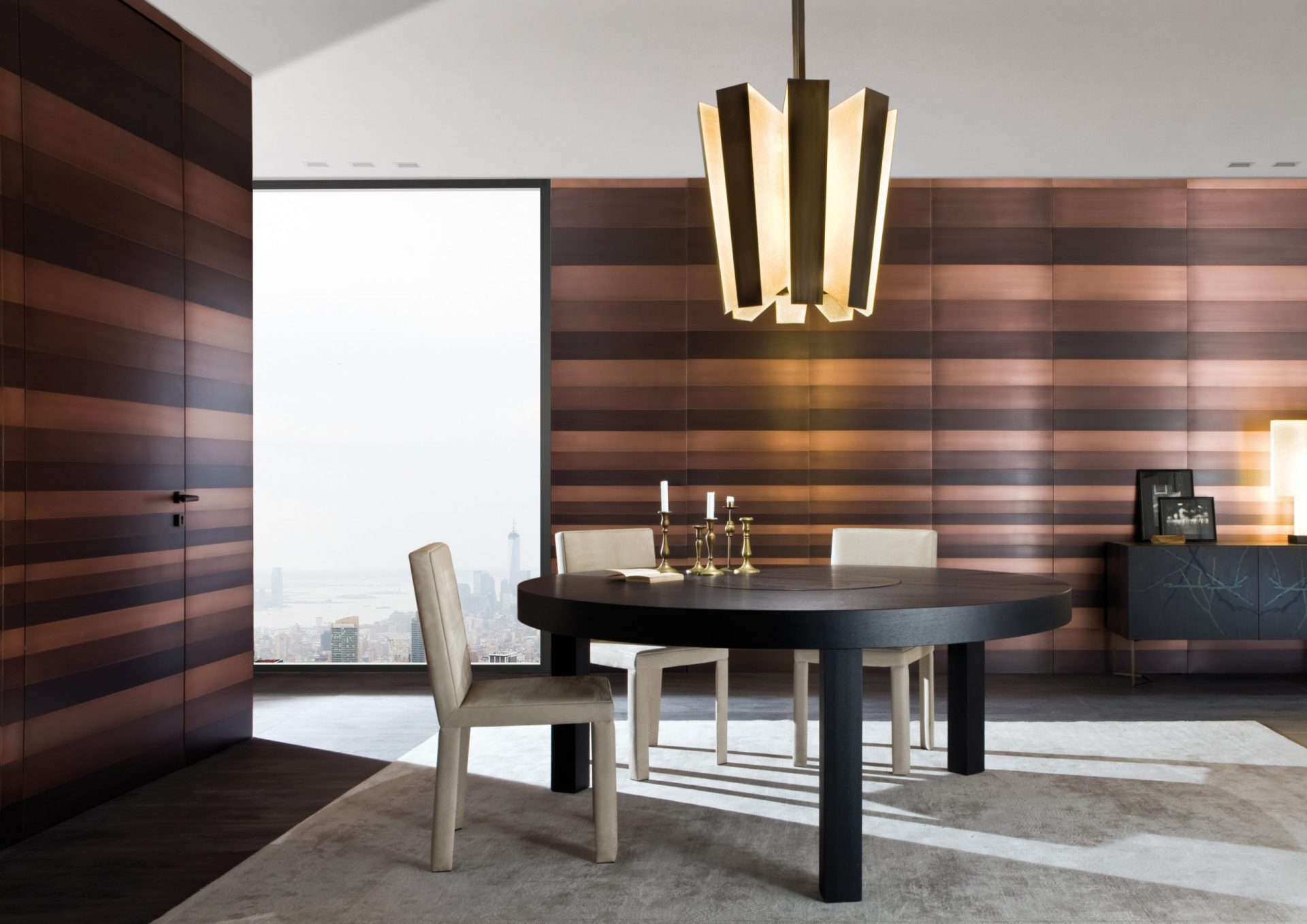
2. Plumbing Fixtures
Plumbing fixtures are essential for functionality, particularly in bathrooms, kitchens, and utility spaces. These fixtures are directly connected to the water supply and drainage systems and must be durable, functional, and visually appealing.
Key Plumbing Fixtures
- Faucets – Available in various finishes (brushed nickel, chrome, matte black) for sinks and bathtubs.
- Sinks – Found in kitchens, bathrooms, and laundry rooms, varying in material (ceramic, stainless steel, stone).
- Bathtubs – Freestanding or built-in tubs that serve both functional and aesthetic purposes.
- Showers – Ranging from simple wall-mounted heads to luxurious rain shower systems.
- Toilets – A necessary fixture that comes in designs such as wall-mounted, one-piece, or two-piece models.

3. Built-in Fixtures
Built-in fixtures provide storage, organization, and structural enhancements while contributing to a seamless design. They optimize space efficiency and eliminate clutter, making them indispensable in modern interiors.
Examples of Built-in Fixtures
- Cabinetry – Custom or pre-fabricated cabinets in kitchens, bathrooms, and storage areas.
- Bookshelves – Wall-mounted or recessed bookshelves that maximize storage while adding character.
- Wall Paneling – Decorative or functional panels that enhance walls with texture or insulation.
- Kitchen Islands – Built-in islands that serve as a workspace and social hub in kitchens.
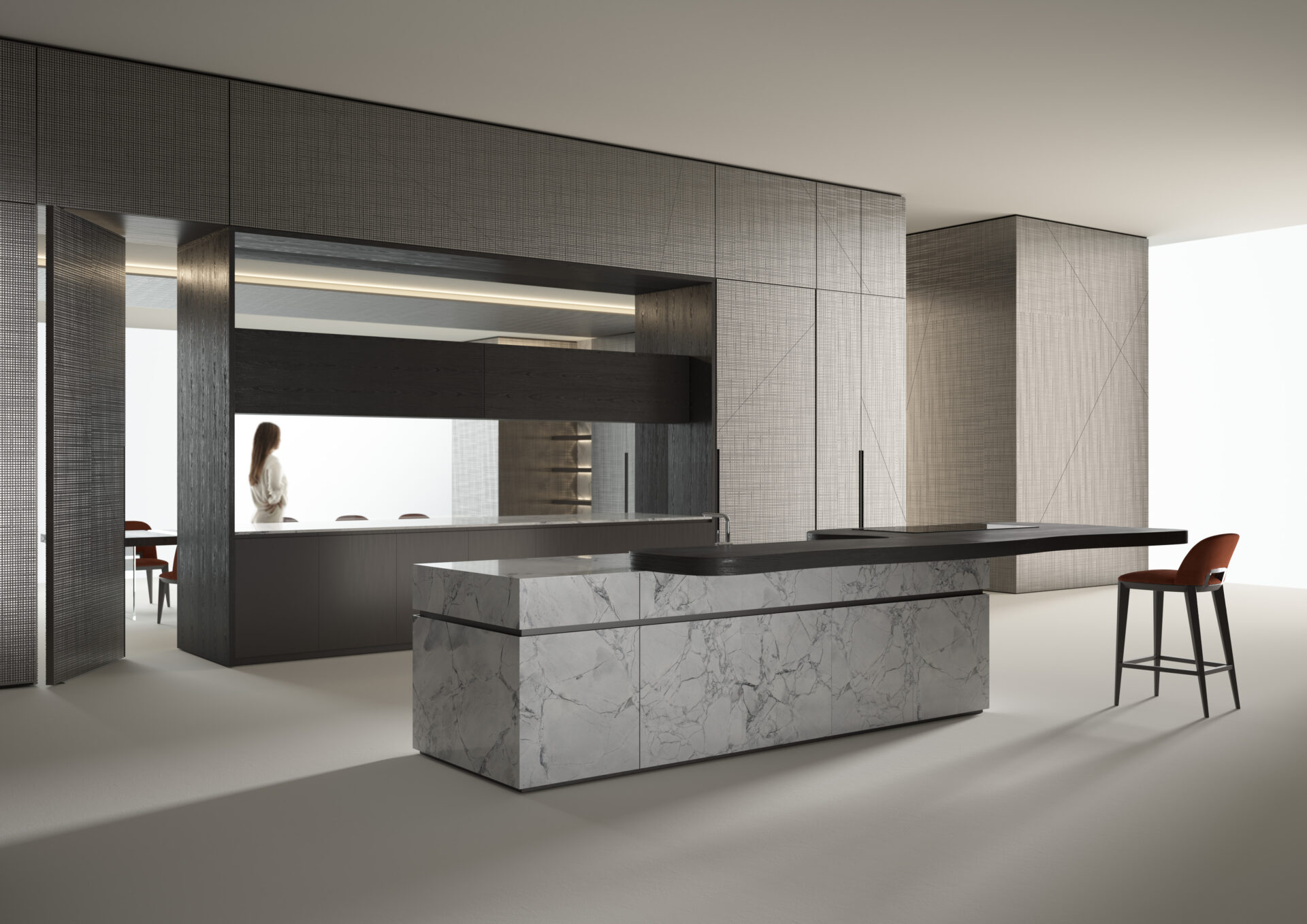
4. Heating & Cooling Fixtures
Climate control is a key consideration in comfort and energy efficiency. Heating and cooling fixtures are permanent installations that regulate indoor temperature and air quality.
Common Heating & Cooling Fixtures
- Radiators – Wall-mounted or floor-standing units that provide heat through steam or hot water.
- Thermostats – Digital or manual devices that control indoor temperature settings.
- Air Conditioning Units – Wall-mounted or central systems that regulate cooling.
- Underfloor Heating – Radiant heating systems installed beneath flooring to provide warmth.
The Importance of Fixtures in Interior Design
Functional Value: The Foundation of Usability
Fixtures serve as the backbone of an interior space, ensuring that a home or commercial environment remains efficient, comfortable, and practical. Unlike furniture and decor, which are often changed or rearranged, fixtures are integrated into the structural design and play a pivotal role in daily activities. A well-lit room, for instance, depends on strategically placed lighting fixtures, while a bathroom cannot function without plumbing fixtures like sinks, bathtubs, and toilets.
Beyond the basics, fixtures define how a space is used. A kitchen fitted with a central island, under-cabinet lighting, and an integrated dishwasher is vastly more functional than one without these elements. Similarly, in office environments, the installation of built-in shelving and recessed lighting creates a workspace that enhances productivity while maintaining a clean, uncluttered atmosphere. Whether in residential or commercial settings, fixtures streamline the experience of using a space, ensuring it remains intuitive and efficient.
Long-Term Investment: The Value of High-Quality Fixtures
The selection of fixtures is not merely a matter of style; it is also an investment in the longevity and resale value of a property. Unlike furniture or decor, which can be replaced easily, fixtures are often permanent installations that affect the home’s overall marketability. High-quality materials and durable finishes enhance functionality while minimizing the need for repairs or replacements.
In real estate, a well-appointed home with premium fixtures—such as marble countertops, custom cabinetry, and smart lighting systems—commands higher selling prices. Prospective buyers recognize the value of quality fixtures, particularly in key areas like kitchens and bathrooms, where built-in elements play a crucial role. Homes equipped with energy-efficient plumbing, durable hardwood flooring, and well-designed lighting plans tend to stand out in competitive markets, offering not only aesthetic appeal but also long-term cost savings.
Customization Potential: Creating Unique, Personalized Spaces
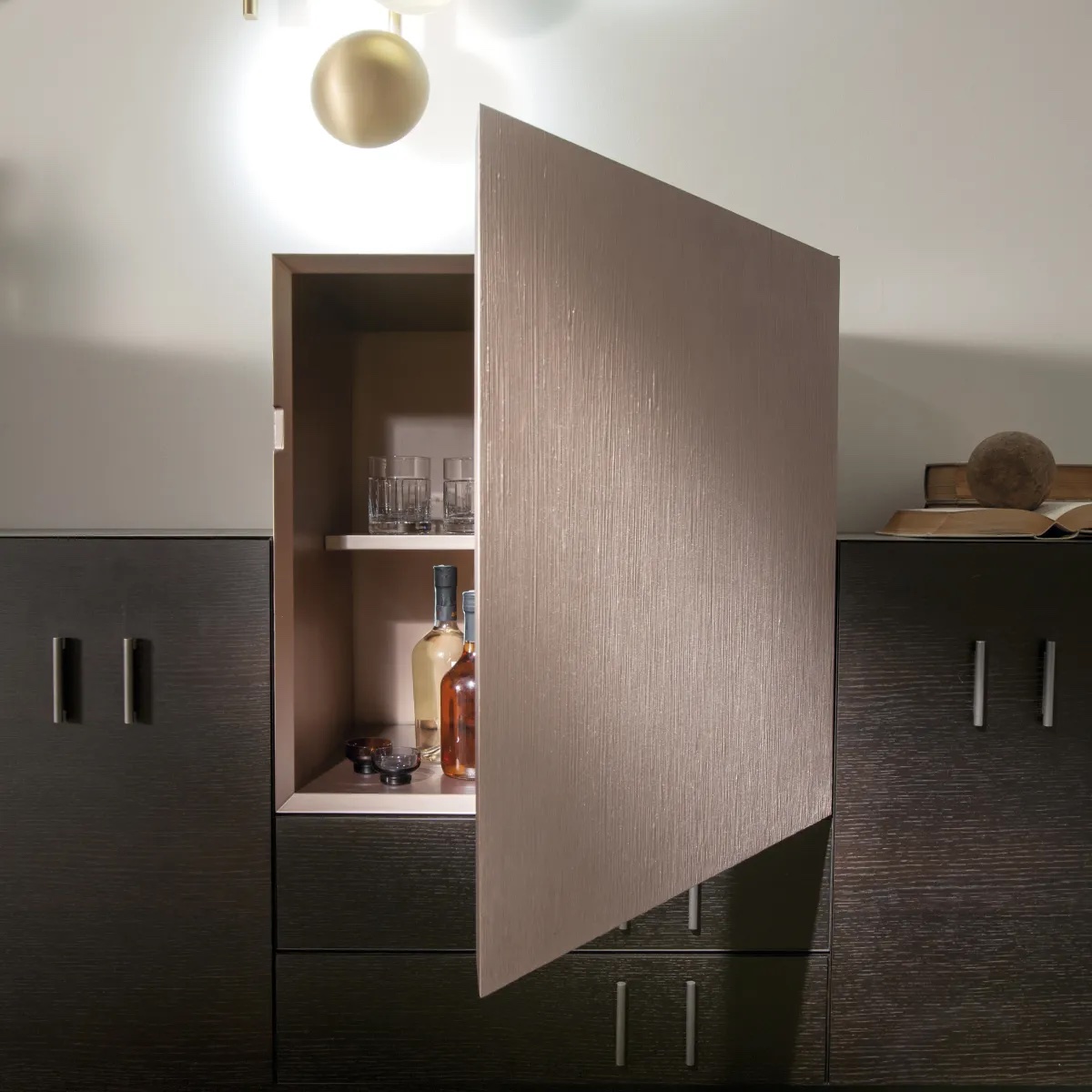
Beyond functionality and value, fixtures offer endless opportunities for customization. In both residential and commercial design, bespoke fixtures allow for personal expression and tailored aesthetics. A homeowner seeking a unique kitchen space may opt for custom-made cabinetry with hand-selected hardware, while a boutique hotel might install one-of-a-kind pendant lighting designed specifically for its lobby.
Customization also extends to smart technology, where homeowners can integrate personalized lighting settings, digitally controlled showers, or programmable thermostats that adapt to their lifestyle. This level of personalization transforms a space from standard to extraordinary, reflecting the owner’s taste while improving convenience and comfort.
With fixtures, the smallest details—whether a brass-trimmed faucet, a handcrafted wooden panel, or a tailor-made lighting arrangement—can make an interior truly unique. The ability to customize ensures that no two spaces are alike, allowing designers and homeowners to bring their vision to life in a way that feels both personal and timeless.
Fixtures & Property Value
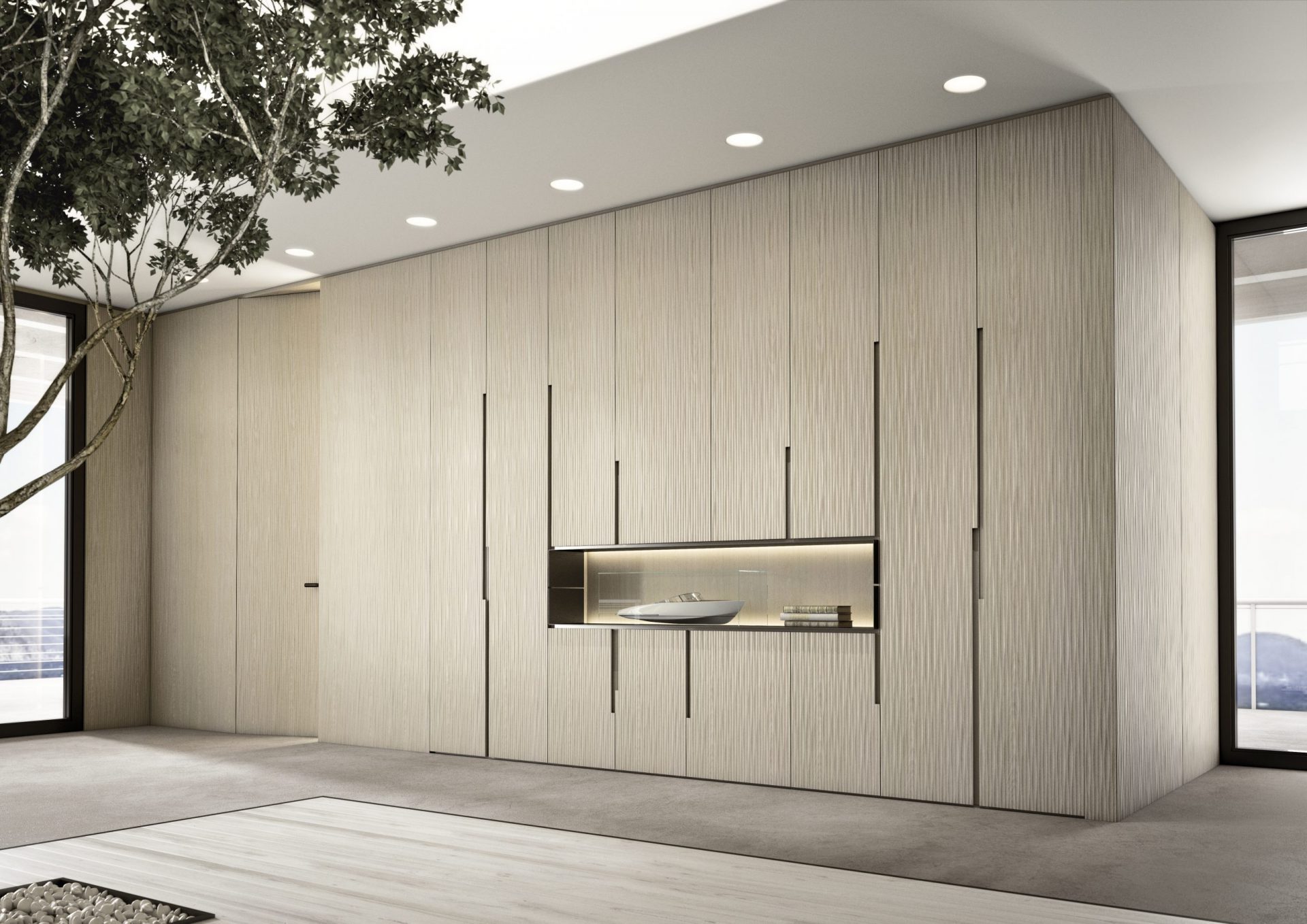
When it comes to real estate, fixtures play a crucial role in determining a property’s market value and appeal. Unlike movable furniture, which can be taken away, fixtures remain part of the home, making them an integral aspect of resale value. Buyers often assess a home’s built-in features to gauge the level of investment and upkeep required.
Well-chosen fixtures can make a home appear modern, high-quality, and well-maintained, while outdated or low-quality fixtures can create a negative impression, potentially lowering the home’s perceived value. Kitchens and bathrooms, in particular, are areas where fixtures matter most, as these spaces significantly influence a buyer’s purchasing decision.
A home with updated lighting, high-quality plumbing fixtures, and modern built-in cabinetry often commands a higher price point compared to one with outdated or generic fixtures. Conversely, homes with cheap, damaged, or mismatched fixtures may require extensive renovations, leading potential buyers to negotiate a lower price or look elsewhere.
Why Built-In Features Are an Attractive Selling Point for Buyers
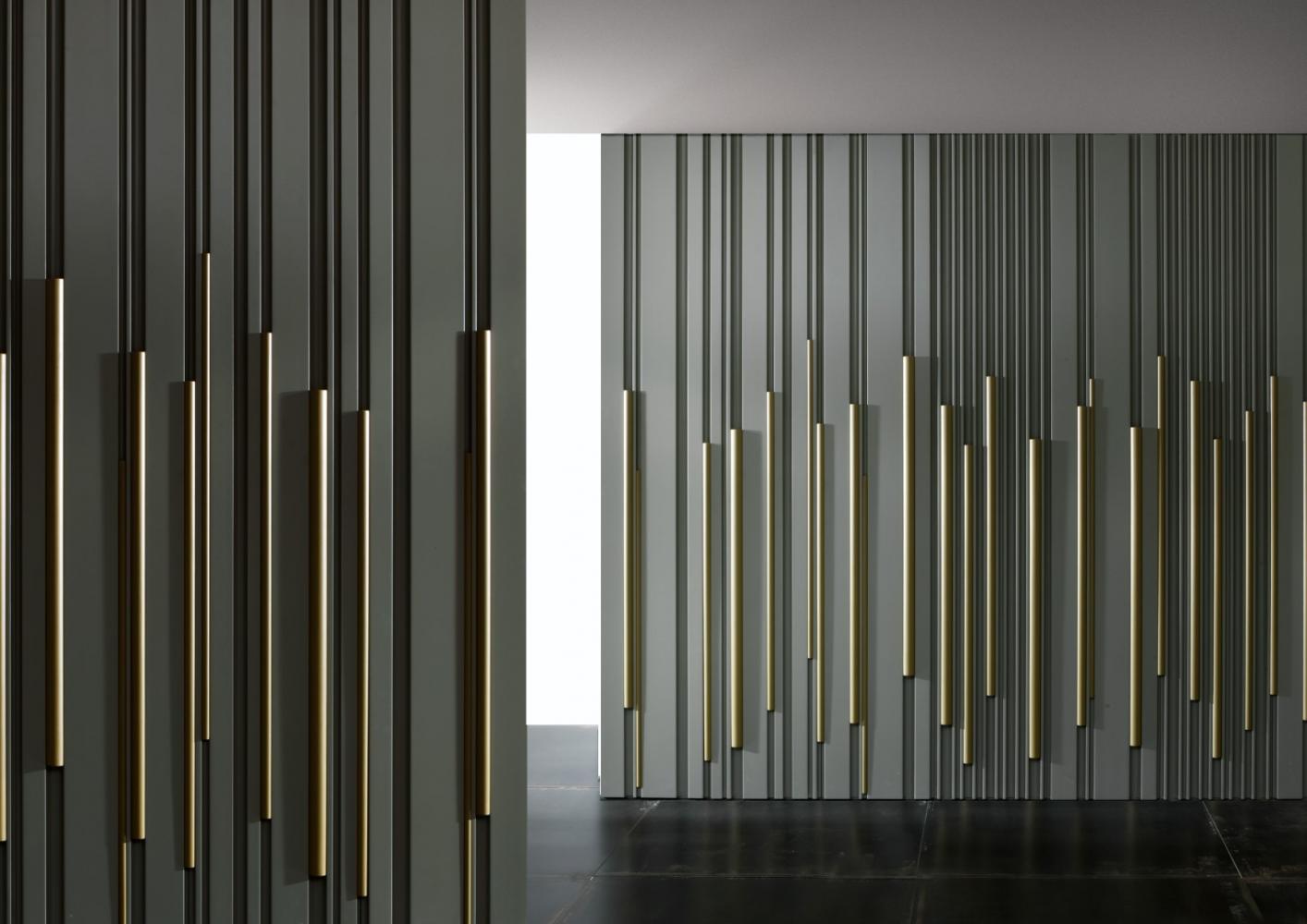
Buyers value built-in features because they provide immediate usability, aesthetic consistency, and reduced need for upgrades. Custom cabinetry, integrated appliances, and high-quality lighting and plumbing fixtures create a polished look that feels cohesive and professionally designed.
Additionally, built-in fixtures maximize space efficiency. For example, a home with well-designed storage solutions, recessed lighting, and built-in shelves offers more functionality than one relying solely on freestanding furniture. This is particularly appealing in smaller homes or apartments, where space optimization is key.
In luxury real estate, high-end fixtures—such as custom wall paneling, bespoke kitchen islands, and designer lighting—can set a property apart in a competitive market. Homes that feature these premium fixtures often sell faster and at higher prices because buyers see them as an indication of quality and exclusivity.
Examples of High-Return Fixture Investments
Investing in high-quality, stylish, and functional fixtures can provide excellent returns on investment (ROI). Some of the best fixture upgrades that improve home resale value include:
- Kitchen Upgrades: Installing custom cabinetry, under-cabinet lighting, and a premium faucet system can boost property value, as kitchens are often a top priority for buyers.
- Bathroom Enhancements: A wall-mounted vanity, rainfall showerhead, and backlit mirror cabinet can create a spa-like atmosphere, making the space feel luxurious and modern.
- Lighting Improvements: Updating to LED recessed lighting, pendant fixtures over kitchen islands, or statement chandeliers in entryways enhances ambiance and energy efficiency.
- Smart Home Fixtures: Features such as smart thermostats, automated lighting systems, and motion-sensor faucets appeal to modern buyers looking for energy efficiency and convenience.
- Exterior Fixtures: Well-placed weather-resistant lighting, built-in outdoor seating, and high-end patio heating solutions enhance curb appeal and extend usable living space outdoors.
When planning fixture investments, prioritizing long-lasting, aesthetically appealing, and functional choices ensures that they contribute to the home’s value over time.
For those who appreciate high-end Italian craftsmanship and bespoke interior solutions, Materia Collection offers luxury fixtures that redefine interior design
With over 15 years of expertise, Materia Collection collaborates with leading designers to deliver custom interior solutions worldwide. From private residences and luxury apartments to boutique hotels, fine dining restaurants, and corporate spaces, their work is recognized for its attention to detail and precision craftsmanship.
Explore our collection today and transform your interiors with timeless Italian elegance.
