

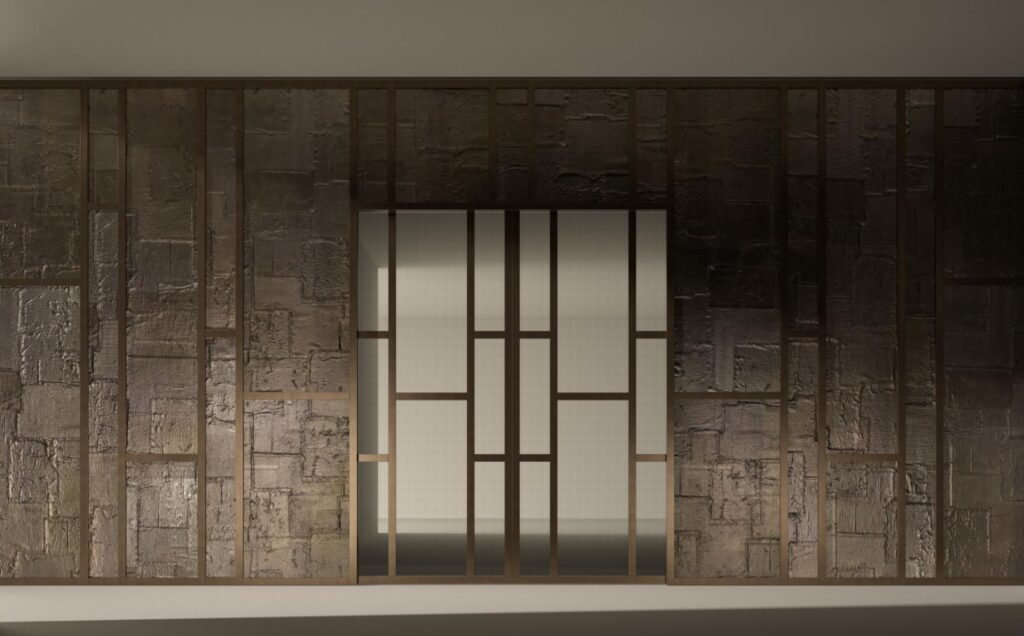
Interior design has long been dominated by a select set of mainstream aesthetics that cycle in and out of popularity. For years, homeowners and designers alike have gravitated toward well-known styles such as Minimalist, Scandinavian, Industrial, Bohemian, Farmhouse, and Mid-century Modern—all of which have cemented their place in both residential and commercial spaces. While these styles have undeniably shaped modern interiors, their widespread popularity has also led to a sense of uniformity, making many high-end spaces feel repetitive and predictable.
As we explore some of the most overlooked yet exceptional interior design styles, you will find inspiration in handcrafted details, architectural mastery, and artistic sensibility—qualities that define truly luxurious interiors.
Explore custom craftsmanship that elevates interiors to an art form—only at the Materia Collection.
Arts and Crafts Revival: Handcrafted Elegance
The Arts and Crafts movement emerged in the late 19th century as a direct response to the mass production of furniture and décor brought about by the Industrial Revolution. Pioneered by William Morris and John Ruskin, this style celebrated handmade craftsmanship, fine materials, and the inherent beauty of natural imperfections, rejecting the uniformity and soullessness of factory-produced goods.
At its core, the Arts and Crafts interior style is rooted in authenticity and artisanal mastery. Unlike Minimalist or Modernist aesthetics, which often strip interiors down to their bare essentials, Arts and Crafts homes embrace rich textures, intricate patterns, and the warmth of woodwork. This revival of craftsmanship is especially appealing in today’s luxury market, where homeowners are moving away from mass-produced décor in favor of bespoke, handcrafted interiors.
Key Features of the Arts and Crafts Style
- Wood Paneling & Exposed Beams – Deep, rich wood tones are a signature of this style, with handcrafted oak, mahogany, and cherry wood featured in wall paneling, built-in bookshelves, and ceiling beams.
- Stained Glass Windows – Decorative leaded glass in windows and doors adds a sense of artistry and craftsmanship to a space.
- Handmade Tiles – Colorful, glazed tiles often feature floral and geometric motifs, adorning fireplaces, backsplashes, and flooring.
- Intricate Wallpaper Designs – Arts and Crafts interiors embrace ornate, nature-inspired wallpaper, with brands like Morris & Co. still producing historic designs.
- Custom, Handcrafted Furniture – Heavy, solid wood furniture with dovetail joinery and hand-carved details define the aesthetic.
Why Arts and Crafts is Experiencing a Luxury Resurgence
Today’s high-end homeowners are rediscovering the Arts and Crafts style because it offers an unparalleled sense of permanence and authenticity. Unlike modern furniture that often prioritizes form over function, handcrafted Arts and Crafts pieces are designed to last for generations. Additionally, as sustainability becomes a key focus in luxury design, this style aligns perfectly with eco-conscious values, promoting natural materials and traditional craftsmanship over disposable consumer goods.
The Arts and Crafts revival is especially popular among those who appreciate historically rich interiors, yet desire a timeless warmth and comfort. Whether integrated into a countryside estate, a contemporary loft, or an urban townhouse, this aesthetic offers a rich visual tapestry that transcends fleeting design trends.

Art Nouveau: The Elegance of Flowing Forms
Emerging in the late 19th and early 20th centuries, Art Nouveau was a radical departure from the rigid, historical styles that dominated European architecture and design. This movement sought to blur the lines between art and function, infusing everyday objects, furniture, and buildings with organic, nature-inspired motifs and a strong sense of artistic individuality.
At its core, Art Nouveau celebrates fluidity—rejecting the geometric severity of previous architectural styles in favor of sinuous, curving lines that mimic nature. This aesthetic remains one of the most distinct and luxurious design movements, often associated with bespoke craftsmanship, hand-forged details, and a deeply immersive visual experience.
The Fusion of Nature-Inspired Curves and Geometric Precision
Unlike many historical styles that relied on symmetry and straight lines, Art Nouveau embraces asymmetry, taking inspiration from plants, flowers, flowing water, and organic growth patterns. However, despite its free-flowing nature, it also integrates geometric precision—a balance that makes it both fluid and structured, delicate yet intricate.
This contrast is particularly visible in Victor Horta’s curved ironwork, Antoni Gaudí’s organic facades, and Hector Guimard’s stylized architectural details. These pioneers of Art Nouveau took inspiration from nature’s fluidity and translated it into highly artistic interiors, proving that function and aesthetics could merge into a single, unified concept.
Key Elements of Art Nouveau Interiors
- Ornamental Metalwork
- Hand-forged wrought iron railings, staircases, and balconies feature swirling, nature-inspired motifs.
- Door handles, light fixtures, and furniture legs often resemble vines, leaves, or tendrils.
- Stained Glass & Colored Light
- Art Nouveau homes incorporate ornate stained glass panels in doors, windows, and lighting fixtures.
- These panels often depict floral patterns, dragonflies, peacock feathers, or flowing female figures.
- Asymmetrical Architecture
- Doors, windows, and furniture often have curved silhouettes, rejecting traditional straight edges.
- Arched doorways and ornate ceilings with flowing patterns soften the rigidity of classical architecture.
- Floral & Organic Motifs
- Patterns inspired by lilies, vines, irises, dragonflies, and birds adorn walls, upholstery, and tilework.
- Wallpaper and murals incorporate soft pastel colors blended with gold accents for a dreamlike quality.
Art Nouveau’s Influence on Modern Luxury Interiors
The high level of craftsmanship required for Art Nouveau design makes it a perfect choice for luxury interiors, where bespoke artistry is highly valued. While a full-fledged Art Nouveau interior is rare today, many high-end designers incorporate its elements in subtle, modern ways:
- Custom hand-blown glass chandeliers inspired by Louis Comfort Tiffany.
- Bespoke ironwork in stair railings, furniture legs, and light fixtures.
- Curved wooden furniture pieces with inlaid floral patterns or marquetry.
- High-end wallpapers featuring iconic Art Nouveau motifs in metallic hues.
For those who seek an interior style that is both artistic and luxurious, Art Nouveau remains a top-tier choice, allowing a home to feel elegant, organic, and timelessly sophisticated.

Rococo: Baroque’s Playful Cousin
If Baroque architecture was the grand, dramatic performance of the 17th century, then Rococo was the light-hearted encore that followed. Originating in France during the early 18th century, Rococo took the grandeur of Baroque design and infused it with a sense of whimsy, playfulness, and delicacy.
Rather than emphasizing power, majesty, and religious grandeur, Rococo interiors focused on intimacy, romance, and personal enjoyment, making it a perfect choice for salons, private sitting rooms, and boutique hotels.
Light, Whimsical, and Romantic—The Essence of Rococo
Unlike heavily ornamented Baroque interiors, which favored dark colors and heavy, imposing furniture, Rococo embraces:
- Pastel colors and airy hues: Soft pinks, sky blues, creams, and gold accents create a light, ethereal atmosphere.
- Delicate stucco moldings: Ceiling medallions and wall panels feature swirling, floral-inspired motifs.
- Curved, gilded furniture: Chairs, tables, and bed frames showcase elegantly curved legs and intricate carvings.
- Mischievous, light-hearted artwork: Paintings often depict cherubs, courtship scenes, and playful nature themes.
Why Rococo is Making a Luxury Comeback
Luxury designers are reintroducing Rococo elements in modern interiors for clients who want spaces that feel romantic, ornate, and elegant without feeling outdated.
- Boutique hotels and high-end spas are using Rococo’s delicate details and soft color palettes to create refined, intimate atmospheres.
- Luxury homes and penthouses incorporate Rococo-style chandeliers, ornate mirrors, and hand-painted ceiling frescoes for a sense of old-world opulence.
- Fashionable salons and event spaces use Rococo-style furniture, stucco moldings, and decorative accents to create elegant social environments.
Merging Rococo with Modern Elegance
While an authentic Rococo interior may feel too elaborate for modern tastes, it is possible to balance ornamentation with contemporary minimalism:
- Pair gilded mirrors and chandeliers with modern furniture for a curated aesthetic.
- Use Rococo’s color palette of pastels and gold but simplify patterns and details.
- Blend curved furniture with contemporary open spaces for a fusion of styles.
For those who appreciate luxury with a sense of whimsy and refinement, Rococo is the perfect blend of artistic decadence and romantic elegance.

Japandi: Where Minimalism Meets Warmth
At first glance, Japanese wabi-sabi and Scandinavian hygge might seem like opposites—one emphasizing imperfection and transience, the other focused on coziness and simplicity. Yet, when combined, they form Japandi: a seamless blend of minimalist aesthetics and organic warmth that has become one of the most sought-after interior trends in high-end residences and boutique retreats.
The Harmonious Blend of Japanese and Scandinavian Design
- From Japan: The concept of wabi-sabi values imperfection, asymmetry, and the beauty of natural aging.
- From Scandinavia: The Danish idea of hygge emphasizes comfort, coziness, and soft, welcoming interiors.
When these two philosophies merge, the result is a design aesthetic that is both serene and inviting, making it an ideal choice for urban sanctuaries and modern luxury retreats.
Key Features of Japandi Interiors
- Organic Materials & Natural Textures
- Light, raw wood tones such as oak, ash, and beech dominate furniture and wall paneling.
- Linen, wool, and cotton textiles add soft, cozy layers without excessive decoration.
- Soft Neutral Palettes
- Earthy tones such as beige, taupe, muted grays, and warm whites replace stark, high-contrast minimalism.
- Subtle pops of color come from handmade ceramics, natural stone, or greenery.
- Functional Simplicity
- Decluttered spaces with only essential, high-quality furniture pieces.
- Multi-functional furniture that maximizes both form and function.
- Handcrafted & Sustainable Design
- Wabi-sabi-inspired handmade pottery, woven baskets, and imperfect ceramic vases enhance the space.
- Sustainability-focused design choices, such as reclaimed wood and eco-friendly materials, reinforce Japandi’s values.
Why Japandi is Dominating Exclusive Residences
High-end homeowners are increasingly drawn to Japandi because it represents luxury through intentionality rather than excess.
- It fosters a peaceful, meditative environment perfect for urban living.
- It embraces handmade, one-of-a-kind furnishings, which are highly valued in luxury markets.
- It offers a timeless aesthetic that blends easily with modern architectural spaces.
For those who appreciate simplicity with soul, Japandi is the epitome of understated, high-end interior design.
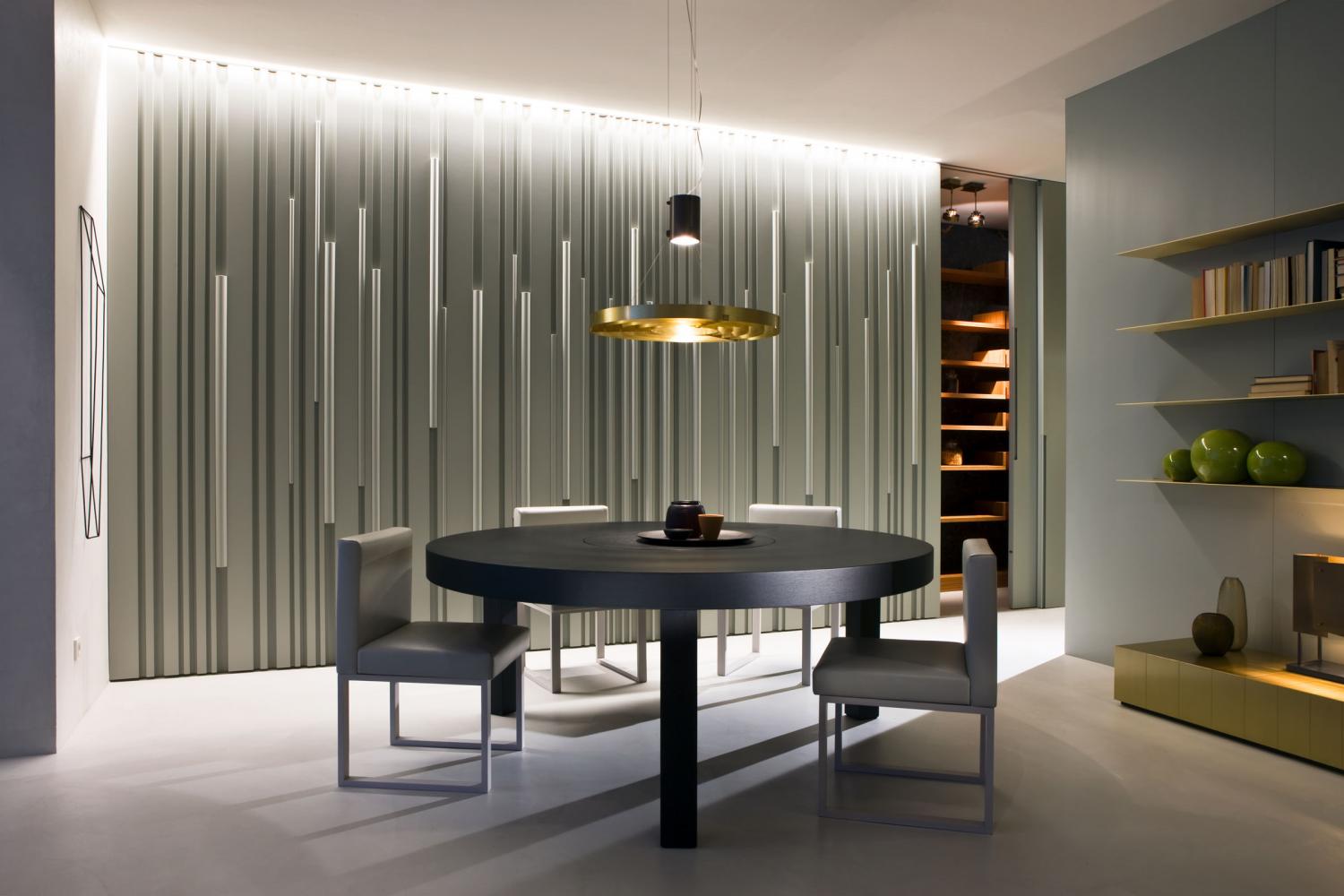
Moroccan Opulence: The Fusion of Texture and Color
Moroccan interior design is a symphony of textures, colors, and intricate craftsmanship, deeply rooted in centuries-old traditions. It is a style that transcends time, blending Islamic, Berber, and Andalusian influences into a mesmerizing aesthetic that is both ornate and inviting. For luxury homeowners and high-end designers, Moroccan-inspired interiors offer a depth of artistry and detail rarely found in contemporary minimalism.
This style is especially sought after in grand villas, boutique hotels, and modern luxury homes, where it brings an exotic yet elegant charm. With its intricate carvings, handmade tiles, and rich color palettes, Moroccan design transforms ordinary interiors into immersive, textural masterpieces.
The Historical Richness of Moroccan Architecture in Luxury Spaces
Moroccan interiors have evolved over centuries, influenced by Arabesque patterns, Berber tribal motifs, and Moorish craftsmanship. These elements are particularly visible in grand riads, lavish palaces, and traditional hammams, where intricate detailing elevates the space.
Today, high-end designers incorporate Moroccan elements to create spaces that feel both exotic and contemporary, offering a unique blend of heritage and modern refinement.
Key Elements of Moroccan Interior Design
- Intricate Zellige Tiles
- Handmade, geometric tiles that adorn walls, floors, and fountains.
- Traditionally crafted in Fes, Morocco, zellige tiles come in bold hues of blue, emerald, ochre, and deep reds.
- Carved Wooden Doors & Ceilings
- Moroccan doors feature hand-carved cedarwood panels with intricate arabesque designs.
- Painted ceilings with geometric or floral motifs add a regal touch.
- Bold Color Palettes & Layered Textiles
- Rich jewel tones such as cobalt blue, saffron yellow, deep emerald, and terracotta define Moroccan interiors.
- Plush handwoven Berber rugs, silk cushions, and tasseled curtains create a cozy, layered aesthetic.
- Bespoke Metalwork & Lanterns
- Intricately designed brass and copper lanterns, often in filigree patterns, cast mesmerizing shadows.
- Hand-hammered brass trays, sconces, and silver-plated mirrors contribute to Moroccan elegance.
How High-End Properties Integrate Moroccan Aesthetics with Modern Refinement
- Luxury hotels in Marrakech merge traditional Moroccan detailing with contemporary open spaces, using white plaster walls as a backdrop for ornate zellige tiles and handcrafted woodwork.
- Grand villas in Dubai and Los Angeles incorporate Moroccan-inspired courtyards, arched doorways, and mosaic fountains, balancing opulence with tranquility.
- Modern lofts and penthouses use Moroccan lanterns, filigree room dividers, and embroidered textiles to create a sophisticated, layered aesthetic without overwhelming the space.

Bavarian Chalet: Cozy Alpine Luxury
The Bavarian Chalet aesthetic is a celebration of alpine heritage, rustic elegance, and handcrafted warmth. Rooted in Germany’s mountainous regions, particularly Bavaria and Tyrol, this design style evokes coziness, tradition, and a deep connection to nature.
Bavarian-style interiors are especially popular in luxury ski resorts, mountain retreats, and countryside estates, where their raw wood finishes, stone fireplaces, and artisanal details create a comforting yet sophisticated environment.
A Heritage-Inspired Aesthetic from Germany’s Alpine Regions
Bavarian chalets are designed to withstand harsh winters while maintaining a warm and inviting ambiance. Their interiors prioritize:
- Natural materials such as wood, stone, and wool.
- Traditional craftsmanship, including hand-carved wooden furniture and decorative detailing.
- Fireplace-centered living spaces that encourage gathering and relaxation.
Key Elements of Bavarian Chalet Interiors
- Raw Wood Interiors & Heavy Beamed Ceilings
- Walls and ceilings are crafted from untreated or lightly stained wood, preserving the natural grain and texture.
- Exposed wooden beams add architectural depth and rustic charm.
- Heavy Stone Fireplaces & Warm Lighting
- A large central fireplace serves as the heart of the home.
- Warm, ambient lighting from iron chandeliers and candle-style sconces enhances the cozy atmosphere.
- Antler Décor & Handmade Furnishings
- Decorative stag antlers, hunting trophies, and traditional wooden carvings are key features.
- Handcrafted wooden furniture, often with ornate carvings, reinforces the heritage aesthetic.
How the Modern Bavarian Aesthetic Merges with Contemporary Mountain Retreats
High-end chalets today blend Bavarian tradition with contemporary design, offering:
- Minimalist interpretations of traditional wooden paneling, making spaces feel less heavy.
- Large glass windows to maximize natural light, creating an open, airy feel.
- Luxury touches such as fur throws, heated stone floors, and high-end leather furnishings.
Exclusive Appeal: Custom-Built Wooden Structures & Artisanal Craftsmanship
Modern bespoke Bavarian interiors feature:
- Custom-carved wooden dining tables and cabinetry, handcrafted by artisans.
- Stone-clad walls with radiant heating for comfort and authenticity.
- Vintage or handwoven wool tapestries for warmth and texture.
Bavarian chalet interiors offer more than just rustic charm—they represent timeless craftsmanship and cozy elegance.

New Mediterranean: Coastal Sophistication
The New Mediterranean aesthetic is an evolution of Greek, Italian, and Spanish coastal influences, blending timeless rustic elements with modern refinement. This style is particularly prominent in luxury seaside villas, sunlit estates, and private island retreats.
Unlike the heavily ornate Mediterranean interiors of the past, the New Mediterranean aesthetic is about effortless elegance, focusing on:
- Organic textures, earthy hues, and natural materials.
- Breezy, open-plan layouts that connect indoor and outdoor spaces.
- Simplicity balanced with artisanal craftsmanship.
Key Features of New Mediterranean Interiors
- Textured Walls & Rustic Finishes
- Hand-plastered walls with soft, organic textures mimic historic Mediterranean homes.
- Exposed wooden beams and terracotta flooring bring warmth and authenticity.
- Terracotta Tiles & Arched Doorways
- Terracotta and encaustic tiles add depth and pattern to floors and backsplashes.
- Curved archways and built-in alcoves create an old-world yet sophisticated feel.
- Handcrafted Ceramics & Wrought Ironwork
- Traditional hand-painted tiles and pottery provide artisanal charm.
- Wrought iron chandeliers, balcony railings, and window grilles introduce a rustic, elegant touch.
Why High-End Coastal Villas & Luxury Retreats Are Embracing This Aesthetic
- The New Mediterranean aesthetic feels light, breezy, and luxurious, perfect for coastal properties.
- It blends traditional handcrafted details with contemporary comfort, making it adaptable to modern living.
- It integrates sustainability, using reclaimed wood, natural stone, and eco-friendly plaster.
The Importance of Handcrafted Elements in Mediterranean Interiors
- Custom ceramic mosaics in pools, fountains, and kitchens.
- Handwoven linen and silk textiles for soft furnishings.
- Bespoke wooden doors and shutters, often aged and weathered for character.
For luxury homeowners seeking a refined yet relaxed aesthetic, the New Mediterranean style offers timeless beauty, artisanal craftsmanship, and an effortless connection to nature.
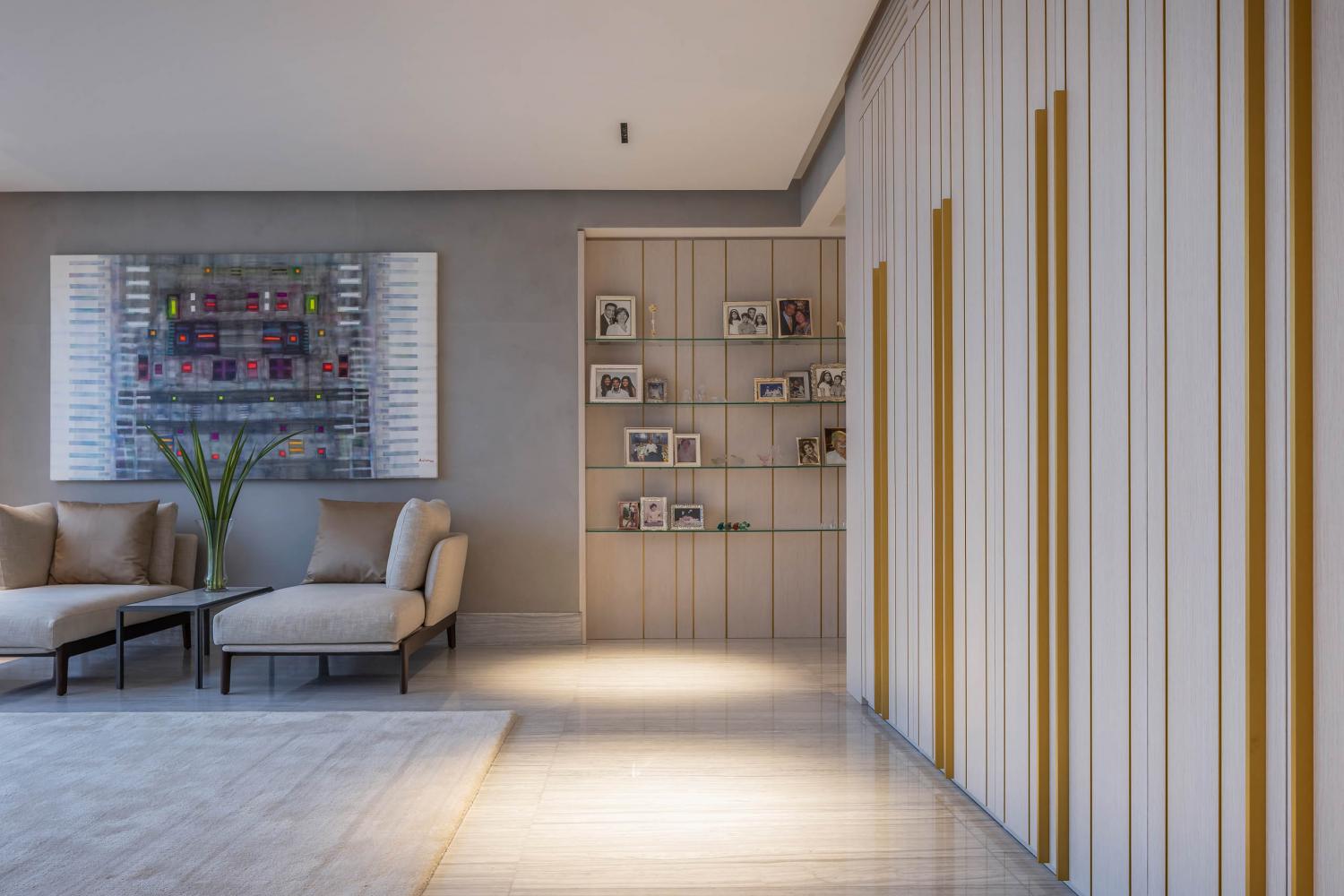
Biophilic Luxury: Nature as a Design Element
Luxury interior design is no longer just about aesthetics—it is about well-being, sustainability, and connection to nature. The biophilic design movement is revolutionizing high-end interiors by incorporating natural elements into living spaces, fostering a deep connection between homeowners and their environment.
How Biophilic Principles Bring the Outdoors Inside
The biophilic design philosophy is based on the idea that humans have an innate desire to connect with nature. This concept is deeply rooted in ancient architecture, from Japanese Zen gardens to Roman courtyard villas, but it has gained new prominence in luxury homes, urban retreats, and sustainable living spaces.
Biophilic luxury interiors prioritize:
- Maximizing natural light through skylights, oversized windows, and glass walls.
- Incorporating living elements such as green walls, water features, and indoor gardens.
- Using organic, raw materials like stone, wood, and clay to enhance sensory experiences.
- Blurring the boundary between indoors and outdoors, creating seamless transitions between nature and architecture.
Key Elements of Biophilic Design in Luxury Interiors
- Green Walls & Vertical Gardens
- Living walls covered in moss, ferns, and tropical plants provide a stunning, natural focal point.
- These installations improve air quality, reduce stress, and enhance acoustics.
- Custom-designed indoor gardens can include bonsai trees, bamboo installations, or cascading ivy.
- Large Glass Windows & Open Spaces
- Floor-to-ceiling glass panels dissolve boundaries between nature and indoor spaces.
- Windows are strategically placed to frame natural landscapes, turning them into living artwork.
- Open-plan designs enhance airflow, ventilation, and access to daylight.
- Organic Architecture & Sustainable Materials
- Interiors embrace curved, flowing lines inspired by natural forms.
- Reclaimed wood, natural stone, and clay finishes add warmth and authenticity.
- Sustainable innovations like bamboo flooring and zero-VOC paints align with eco-conscious luxury.
- Water Features for Tranquility
- Indoor reflecting pools, fountains, and cascading waterfalls evoke serenity and movement.
- Japanese-style koi ponds and meditation areas elevate relaxation and mindfulness.
- Water features enhance humidity levels and create a calming ambiance.
Why Luxury Homeowners Are Investing in Nature-Integrated Spaces
- Biophilic interiors are proven to reduce stress and increase overall well-being.
- High-end homeowners seek a sanctuary-like atmosphere that feels organic yet refined.
- These spaces enhance property value due to their sustainability and uniqueness.
Custom Biophilic Aesthetics: Living Plant Installations & Zen-Inspired Interiors
Luxury biophilic design extends beyond just adding plants—it is about immersive, holistic environments that elevate daily living.
- Custom botanical ceilings with suspended greenery create a lush, overhead experience.
- Handcrafted wooden furniture and sculptural elements reflect the beauty of natural imperfections.
- Japanese Zen-inspired interiors focus on simplicity, asymmetry, and the mindful placement of natural elements.
For those seeking harmony, health, and timeless elegance, biophilic luxury design creates a living, breathing masterpiece of nature and architecture.
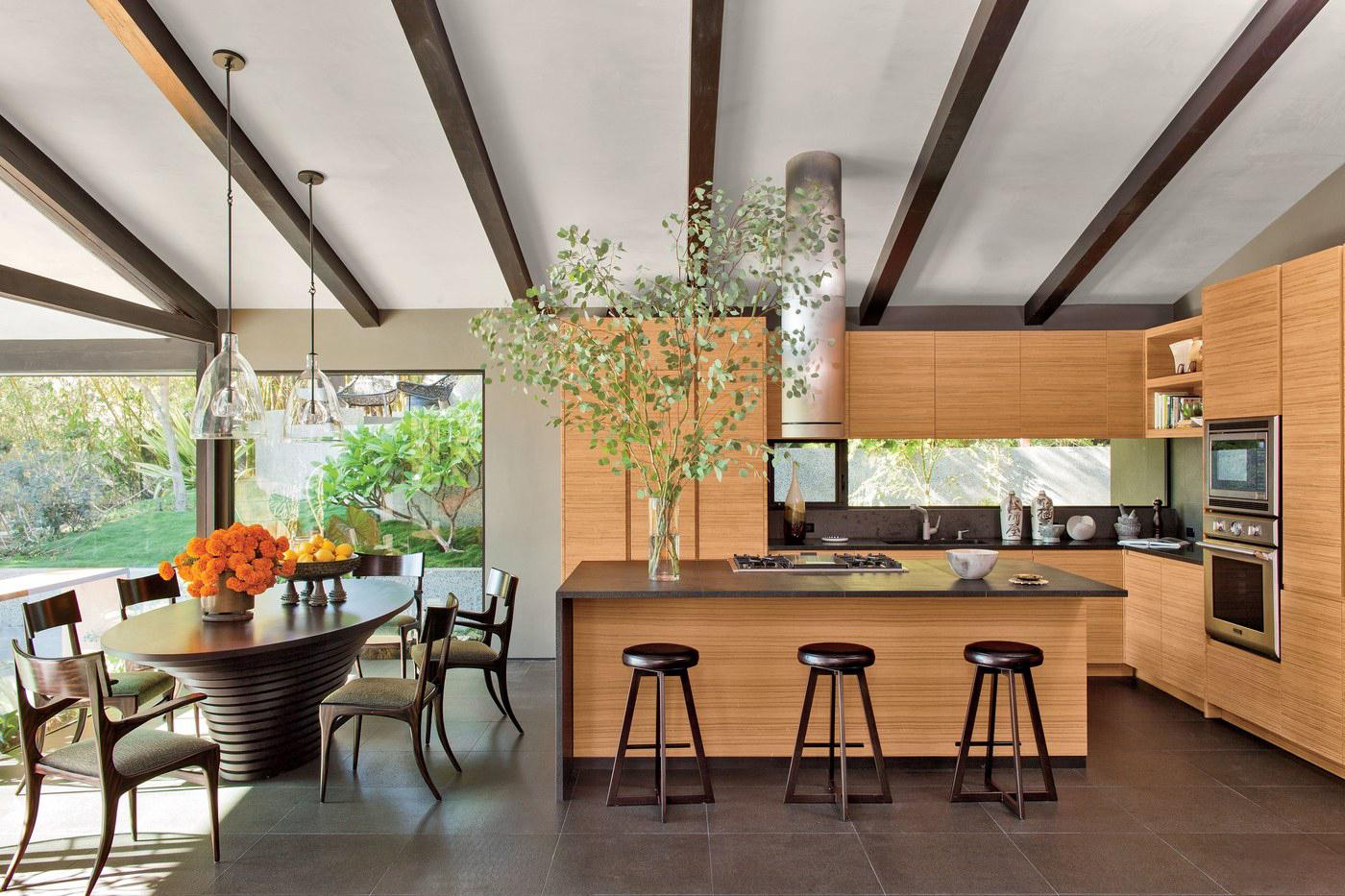
Art Deco: The Timeless Glamour of the 1920s
Art Deco, synonymous with opulence, grandeur, and geometric sophistication, emerged in the Roaring Twenties, marking an era of bold artistic expression and extravagant luxury. Unlike minimalist design trends, Art Deco embraces drama, symmetry, and high-gloss glamour, making it a perennial favorite in luxury penthouses, boutique hotels, and designer residences.
The Golden Age of Luxury Meets Modern Sophistication
Inspired by the Machine Age, Cubism, and Egyptian motifs, Art Deco is a fusion of cutting-edge materials, bold geometry, and ornamental elegance. This design style symbolizes wealth, innovation, and modernity, often associated with Hollywood’s Golden Age and high society interiors.
Key Features of Art Deco Interiors
- Bold Geometric Patterns & Symmetry
- Chevron, zigzag, and fan-shaped patterns appear in flooring, wall moldings, and textiles.
- Strong vertical lines and stepped designs create a sense of height and grandeur.
- Gilded Accents & High-Gloss Surfaces
- Metallic tones such as gold, chrome, and brass dominate decorative elements.
- Mirrored surfaces and lacquered wood furniture enhance the style’s signature shine.
- Exotic Woods & Sumptuous Materials
- High-end Art Deco interiors feature ebony, macassar, zebrawood, and mahogany.
- Velvet upholstery, marble floors, and ivory inlays exude sophisticated extravagance.
- Statement Lighting & Glamorous Fixtures
- Iconic chandeliers with geometric cut-glass elements define ceiling décor.
- Crystal sconces, brass pendant lights, and oversized art sculptures elevate ambiance.
Why Luxury Hotels & Penthouses Continue to Embrace Art Deco Aesthetics
- Art Deco embodies classic glamour with a modern edge, making it perfect for high-end hospitality and residential spaces.
- It is a bold alternative to understated minimalism, offering luxury with character.
- Custom Art Deco furniture and finishes showcase artisanal craftsmanship and exclusivity.
Bespoke Art Deco Elements in Contemporary Luxury Interiors
- Custom brass fixtures and sculptural door handles create a cohesive Art Deco theme.
- Handcrafted mosaics and inlaid marble flooring add opulence and historical charm.
- High-gloss lacquered furniture and velvet accents complete the look.
Art Deco remains one of the most refined and enduring luxury styles, offering an unparalleled sense of drama, elegance, and bold sophistication.
| Design Style | Defining Features | Why It’s Trending |
|---|---|---|
| Arts and Crafts | Handcrafted woodwork, stained glass, earthy tones | Timeless craftsmanship over mass production |
| Gothic Revival | Pointed arches, dark wood paneling, grand fireplaces | A return to grand, historical elegance |
| Art Nouveau | Flowing curves, floral motifs, ornamental metalwork | Artistic, nature-inspired aesthetics gaining popularity |
| Rococo | Pastel colors, gilded furniture, intricate stucco details | Luxury designers embracing playful, opulent interiors |
| Japandi | Minimalist warmth, neutral tones, organic materials | Hygge & wabi-sabi fusion creating serene spaces |
| Moroccan Opulence | Intricate zellige tiles, bold color palettes, carved wood | Exotic influences merging with modern refinement |
| Bavarian Chalet | Raw wood interiors, stone fireplaces, handcrafted decor | Mountain retreats favoring cozy, heritage-rich decor |
| New Mediterranean | Textured walls, terracotta tiles, curved archways | Coastal villas adopting relaxed yet refined design |
| Biophilic Luxury | Green walls, glass windows, sustainable materials | Eco-conscious luxury integrating nature into interiors |
| Art Deco | Bold geometric patterns, gilded accents, statement lighting | Modern glamour reviving 1920s opulence |
| Southwestern Elegance | Woven textiles, earthy pigments, adobe walls | Heritage-inspired decor celebrating indigenous art |
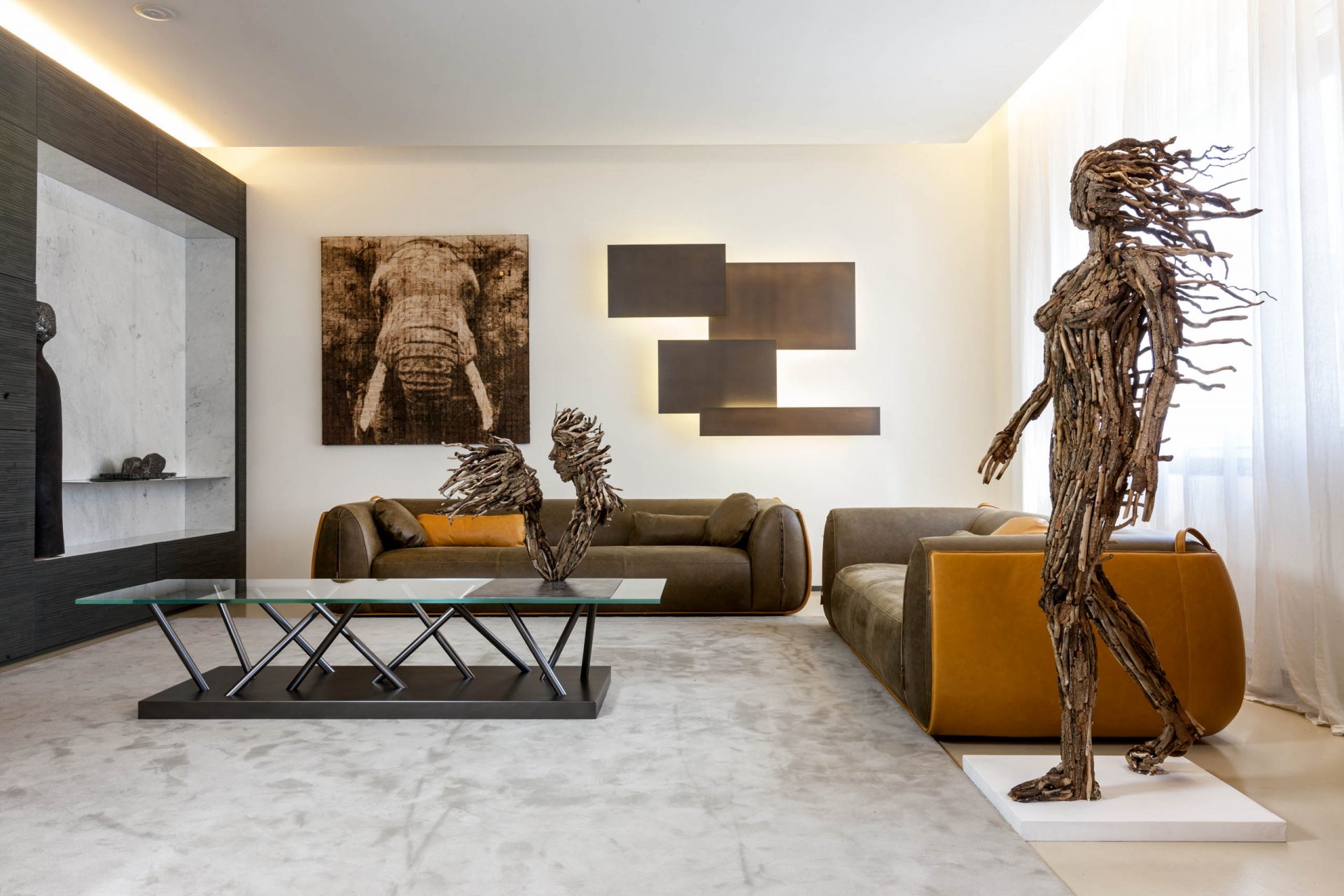
Discover the Exclusive Materia Collection for Handcrafted, One-of-a-Kind Luxury Furniture
For those who desire exclusivity, craftsmanship, and refined aesthetics, the Materia Collection offers a curated selection of luxury furnishings and custom decor, meticulously crafted to elevate your living space.
Explore custom design solutions tailored to your unique vision at Materia Collection.