

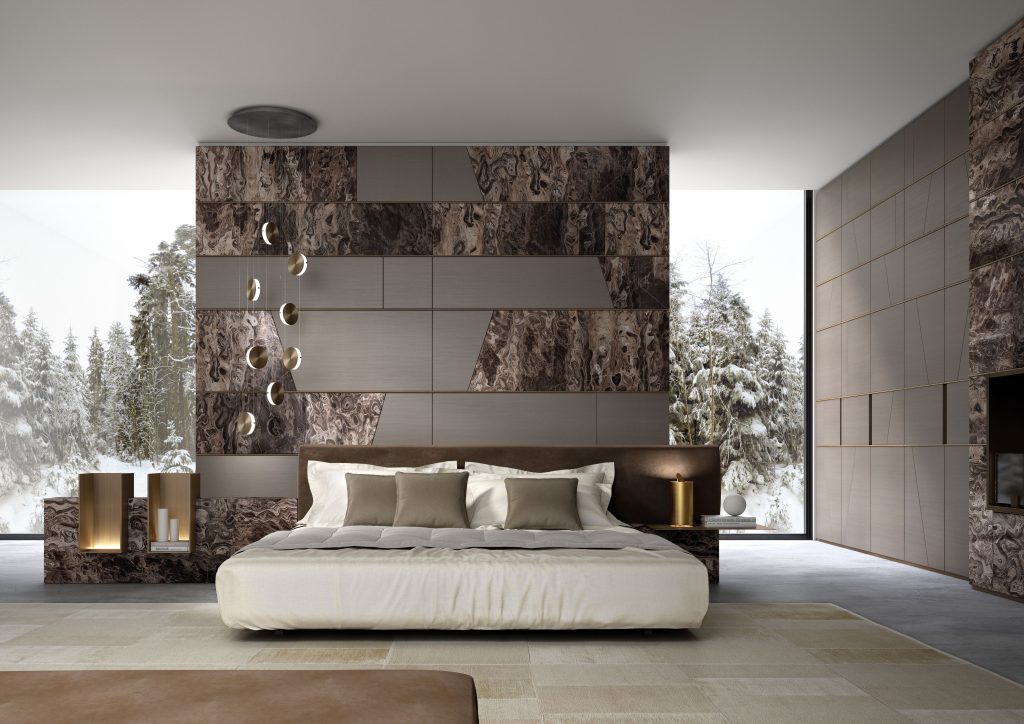
Today’s luxury bedrooms are built on contrasts – of texture, material, tone, and silhouette. The magic lies in the balance, not in repetition.
Start with the Anchor Piece – Choosing the Right Bed
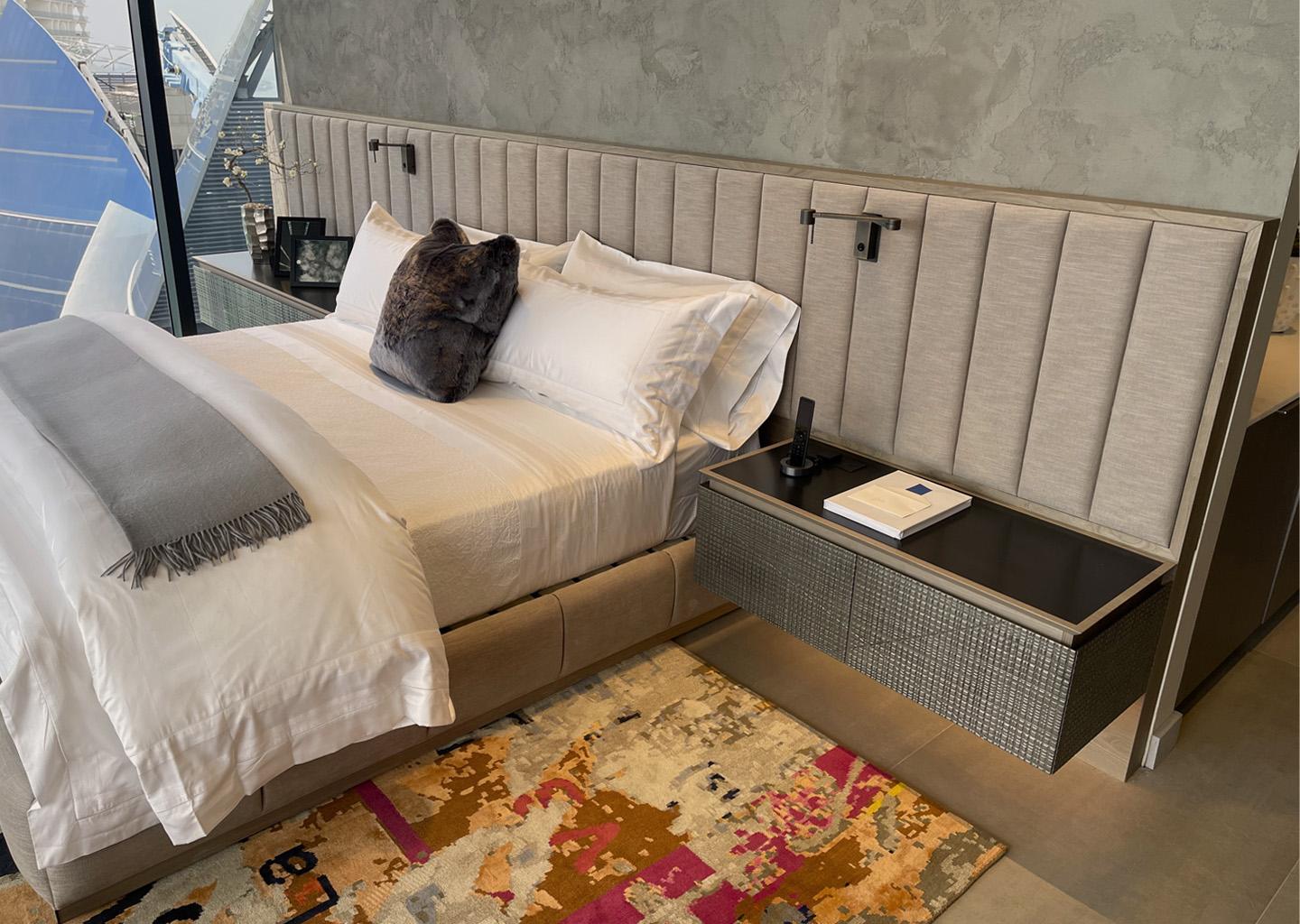
In the hierarchy of bedroom furniture, the bed holds undisputed primacy. It is not only the largest and most frequently used item in the room, but it also serves as the aesthetic anchor for the entire design. Every other furniture decision – from nightstands and lighting to wardrobes and sideboards – radiates out from the bed’s visual and spatial footprint. Choosing the right bed is, therefore, not a matter of function alone, but a statement of taste and intent.
When designing a luxury bedroom, it’s critical to select a bed that does more than just provide comfort. It must embody the visual language of the space – whether that’s serene minimalism, classic opulence, or bold artistic flair.
Signature Bed Options from Materia Collection
Materia Collection offers several standout beds that exemplify Italian craftsmanship, material richness, and sculptural elegance. Each one is more than a piece of furniture – it’s a signature element capable of defining an entire room.
Drapé Bed
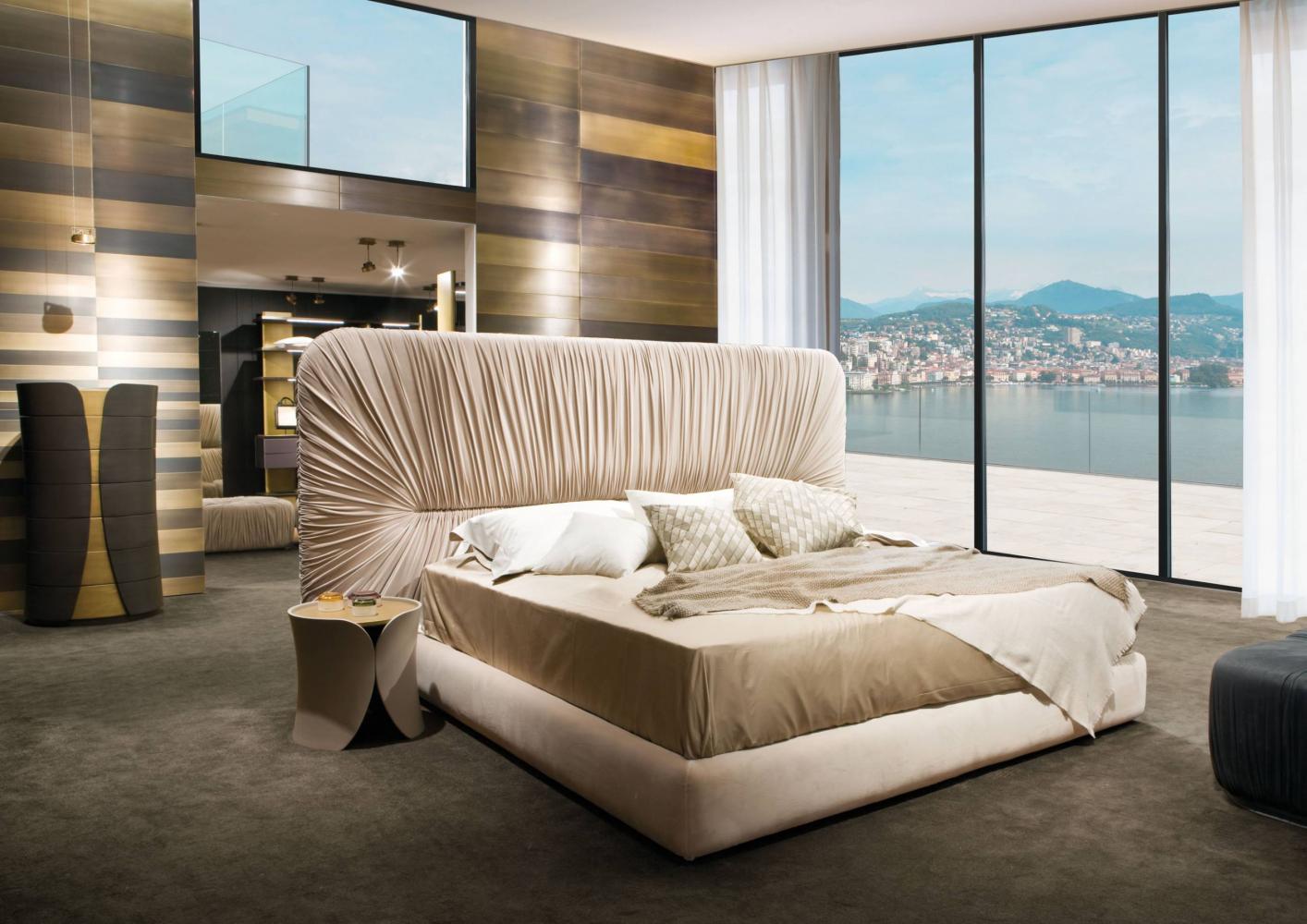
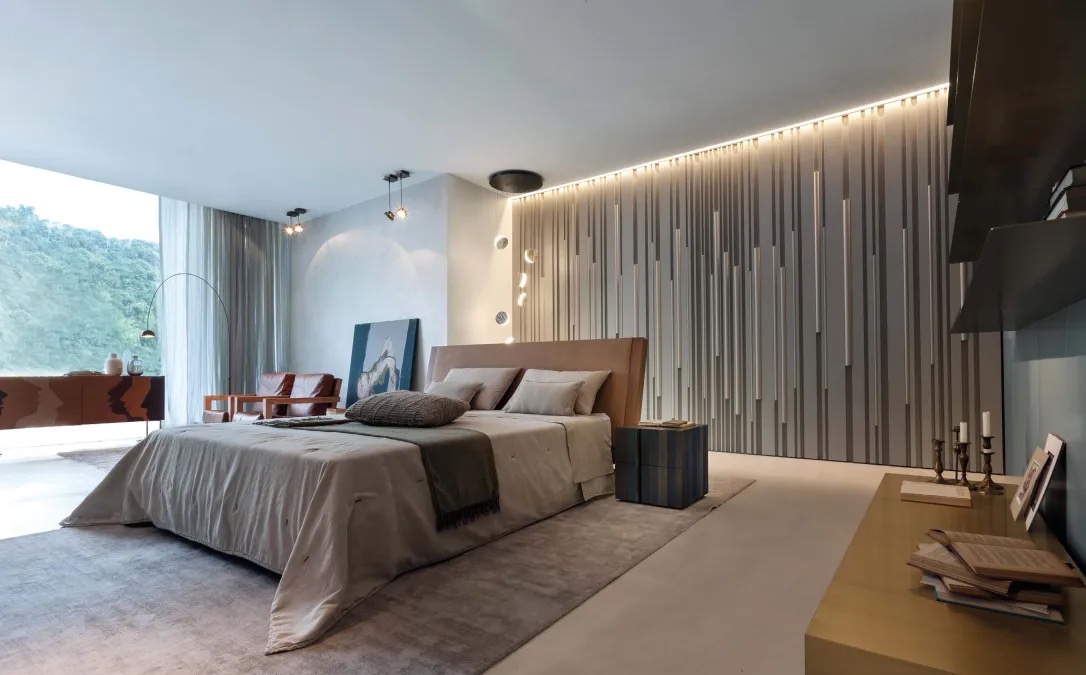
Sculptural yet soft, the Drapé Bed combines the elegance of tailored upholstery with the visual interest of artisanal draping. The bed’s voluminous silhouette, fabric pleating, and gentle curvature create a focal point that evokes comfort and luxury in equal measure. Ideal for those designing a space with textural depth and a hint of theatricality, the Drapé Bed brings movement and softness into the modern bedroom.
Symphony Bed
The Symphony Bed is a celebration of geometry and architectural form. With its bold, linear structure and clean lines, it serves as a striking contrast to softer furniture elements in the room. Perfect for those favoring a contemporary or minimalist approach, this bed lends itself well to being paired with abstract artwork, metal-accented nightstands, or matte-finish wardrobes.
BD22 Maxima Collection Bed
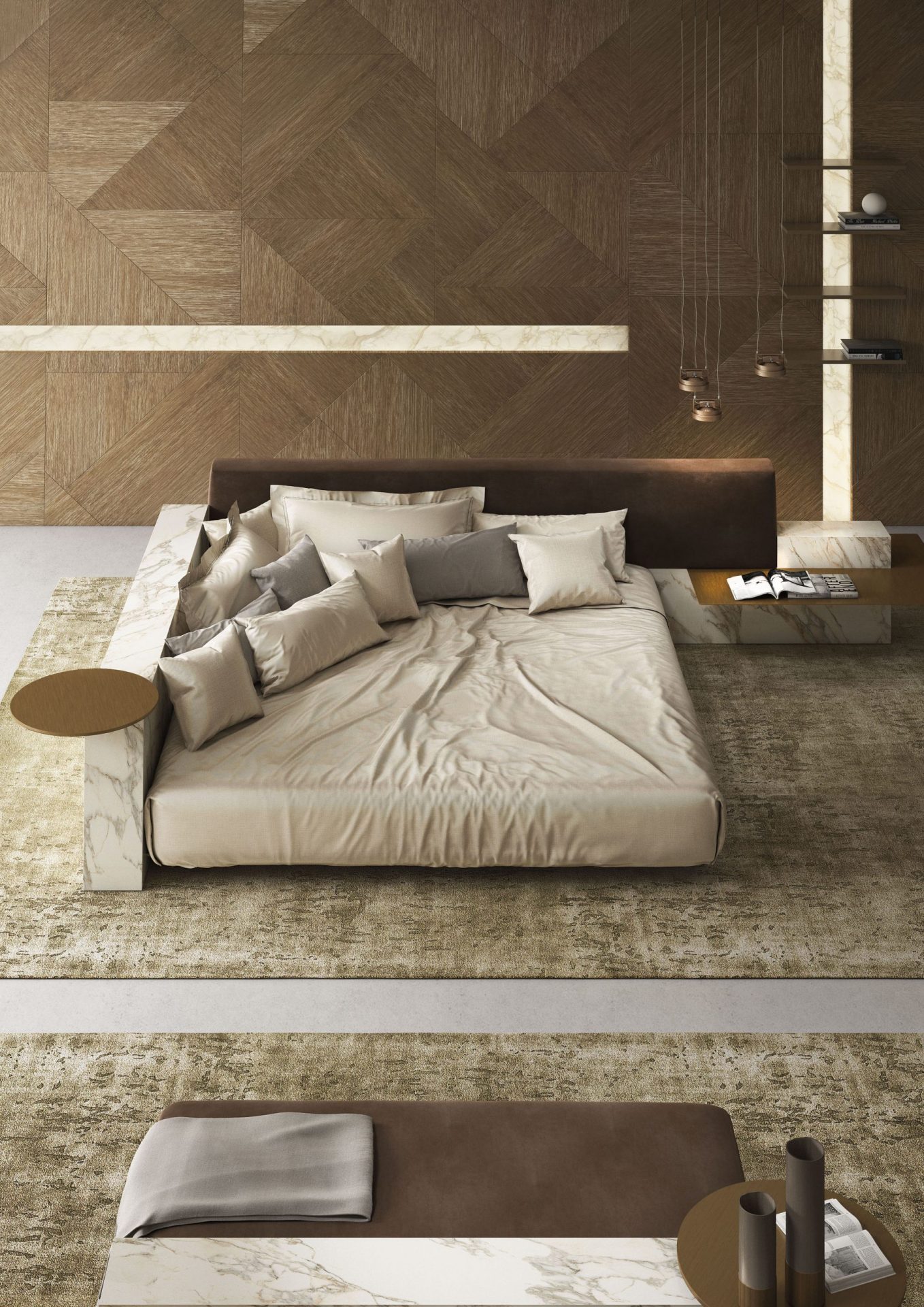
From the iconic Maxima Collection, the BD22 Bed is a masterclass in custom detail and refined proportions. Featuring premium materials, precise stitching, and a customizable headboard, this piece is suitable for both classic and modern interiors. The Maxima design language is sophisticated yet flexible, allowing for subtle contrasts in wood tone, metal finish, and textile application.

Mixing Wood Tones: Cohesion vs. Contrast
The Rule of 70/30: Establishing a Dominant Wood Tone
In a luxury bedroom, wood tones provide not only a sense of natural warmth and material integrity but also serve as a powerful tool for visual layering. Mixing wood tones is a refined design strategy, but it requires precision. The most effective approach follows the 70/30 rule:
70% of your wooden surfaces should be in a dominant tone (e.g., walnut, smoked oak, espresso ash)
30% should be a contrasting but complementary tone used for accent pieces
This balance creates visual richness without descending into discord. For instance, if your dominant tone is a dark-stained Maxima Collection Sideboard, you can introduce a lighter tone through accent items like the ST09 Stars Collection Nightstand or a LINE Walk-In Closet in a brushed finish.
Warm vs. Cool Undertones: What Works Together (And What Doesn’t)
Understanding undertones is critical when mixing woods. Undertones refer to the subtle hue beneath a wood’s surface – warm (red, yellow, orange) or cool (gray, blue, green).
A harmonious luxury bedroom will maintain consistency in undertones, even if the surface colors vary. Mixing a warm-toned Corteccia Sideboard with a cool-toned Decor Cabinet System can feel disjointed unless there’s a connecting element (such as a textile or wall panel) bridging the two.
Warm-Tone Pairings:
Maxima Collection Bed in walnut with Stars Collection Nightstands in honey oak
Corteccia nightstand with Margaret Bench in natural brown wood base
Cool-Tone Pairings:
LINE Walk-In Closet in ash gray with Infinity Sideboard in dark-stained oak
Symphony modular system with BD13 Maxima Sideboard in charcoal finish
Avoid pairing woods with similar base tones but slightly different hues, such as yellow oak with reddish cherry, as they can clash and create a visually unsettling effect. The contrast must feel intentional, not accidental.
Real-Life Application with Materia Furniture
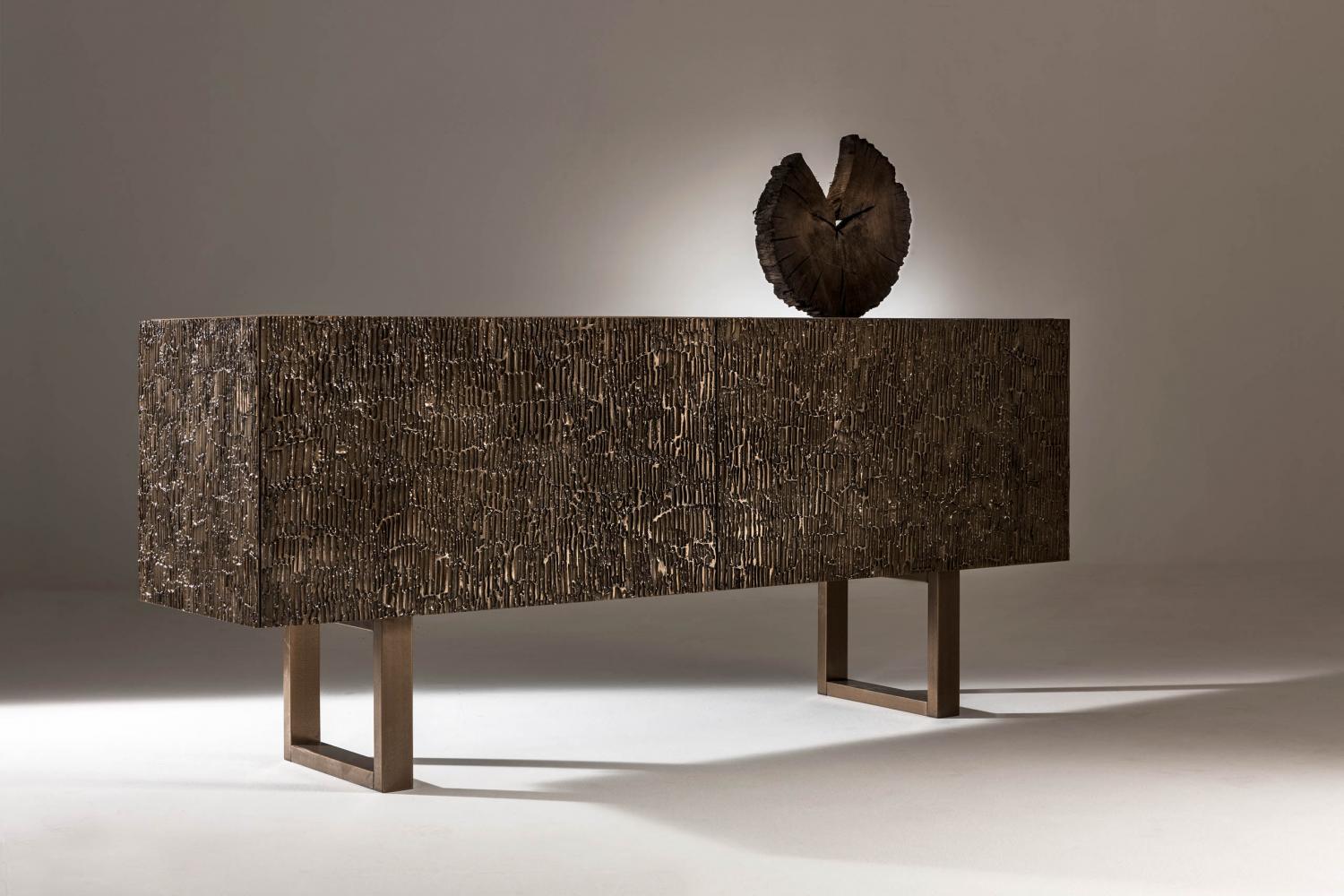
The Maxima Collection Sideboards are ideal examples of dominant wood tone anchors. Their bold structure and rich finishes naturally take visual precedence in a room. These can be complemented by more understated nightstands or vanities from the Stars Collection, which bring lighter hues and delicate accents to balance the room.
In a high-ceiling bedroom with Terre Wardrobes, one might opt for dark paneling along the wall to extend the room vertically and introduce contrast with ST 01 Stars Collection side tables in a lighter matte tone. A CUBICK Chest of Drawers, with its clean lines and customizable finish, serves as an effective mediator between different wood finishes, especially when used as a transitional piece between opposing tones.
Texture, Fabric, and Finishes: Creating Visual Harmony
Using Textiles to Unify a Space: Velvet, Linen, Leather
Beyond wood and paint, the next layer of cohesion in a luxury bedroom comes through texture. The interplay of soft and structured, matte and lustrous, creates tactile interest that gives the room life. Textiles – particularly those used in furniture upholstery, drapery, and bedding—are some of the most versatile tools for tying disparate elements together.
Luxury interiors succeed not by eliminating contrast but by weaving contrasts into harmony. The juxtaposition of a sleek lacquered nightstand with a plush velvet chair, or a raw wood console with soft linen curtains, adds both depth and emotion to the space.
Here are the most commonly used luxury textiles and their psychological effects:
Velvet: Dramatic, warm, and enveloping; works well on armchairs and upholstered beds
Linen: Lightweight and breathable; brings a relaxed, European elegance to bedding and curtains
Leather: Polished and durable; ideal for accent seating or headboards
How Drapè Club Chairs, Drapè Poufs, and Adagio Armchairs Play with Texture
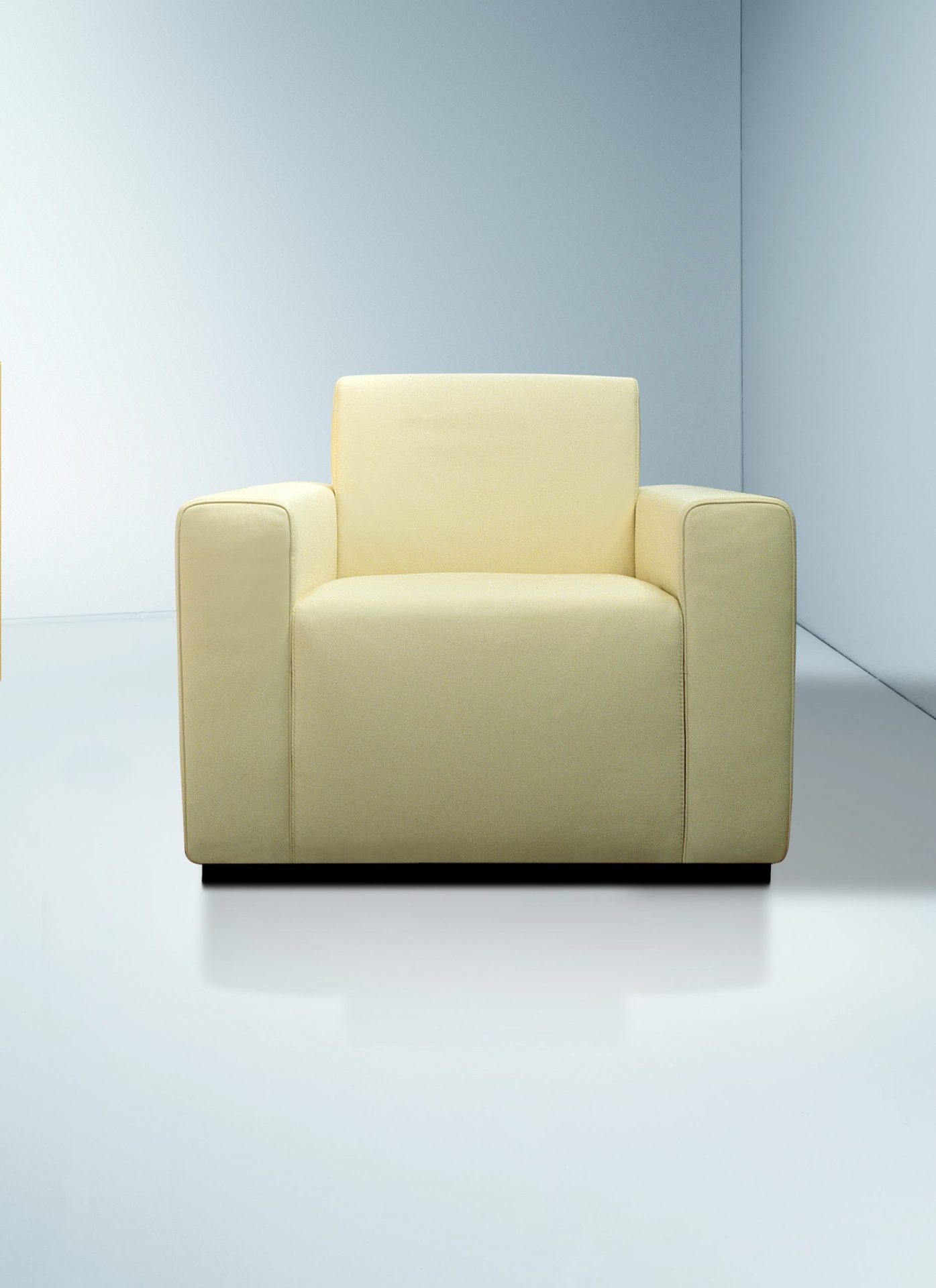
The Drapè Club Chair is a sculptural piece that showcases the power of soft volume. With deep folds and tactile curvature, it introduces movement into the room while inviting physical comfort. When paired with smoother surfaces – such as the BD11 Maxima Sideboard or Talento Shelving – the effect is compelling and balanced.
Drapè Poufs offer an opportunity to repeat this softness elsewhere in the room. Whether placed at the foot of the bed or beneath a 40/40 Modular Console, they soften hard architectural lines and provide flexible functionality.
The Adagio Armchair, meanwhile, is refined and tailored, with structured upholstery and precise detailing. Its controlled use of textile contrast (e.g., tonal piping or layered cushions) reinforces a sense of precision, making it the perfect counterpoint to a more relaxed piece like the Drapè Bed.
Tying It All Together: Consistent Color Palette Through Fabrics and Wall Panels
Achieving visual harmony doesn’t necessarily mean using the same materials or colors across every piece. Instead, it means establishing a color palette and material language that is repeated in measured doses throughout the space.
For example, a neutral base palette of taupe, ivory, and espresso can be woven into:
Wall panels with natural textures from the Line or Maxima collections
Upholstery in velvet armchairs or linen-covered beds
Painted finishes on wardrobes or drawers
Accents like cushions, rugs, and bedding
This layered repetition – across form, function, and finish – creates a cohesive luxury experience that feels elevated but never monotonous.
With Materia Collection’s integrated offerings – custom millwork, fine furniture, and wall treatments – the challenge of coordination becomes an opportunity for storytelling. Each texture, finish, and fabric plays a role in crafting a bedroom that is not only luxurious, but distinctly yours.
Closet and Cabinet Systems That Support the Aesthetic
Not Just Storage – Statement Features in the Luxury Bedroom
In a standard bedroom, closet systems are hidden, passive, and purely functional. But in a luxury bedroom, they become architectural elements – functional sculptures that define the rhythm of the room. At Materia Collection, closet and cabinet systems are conceived as design components, not afterthoughts.
Whether integrated into the wall or freestanding, these pieces set the tone for organization, atmosphere, and even light flow within the space.
Key Systems to Consider
LINE Walk-In Closet
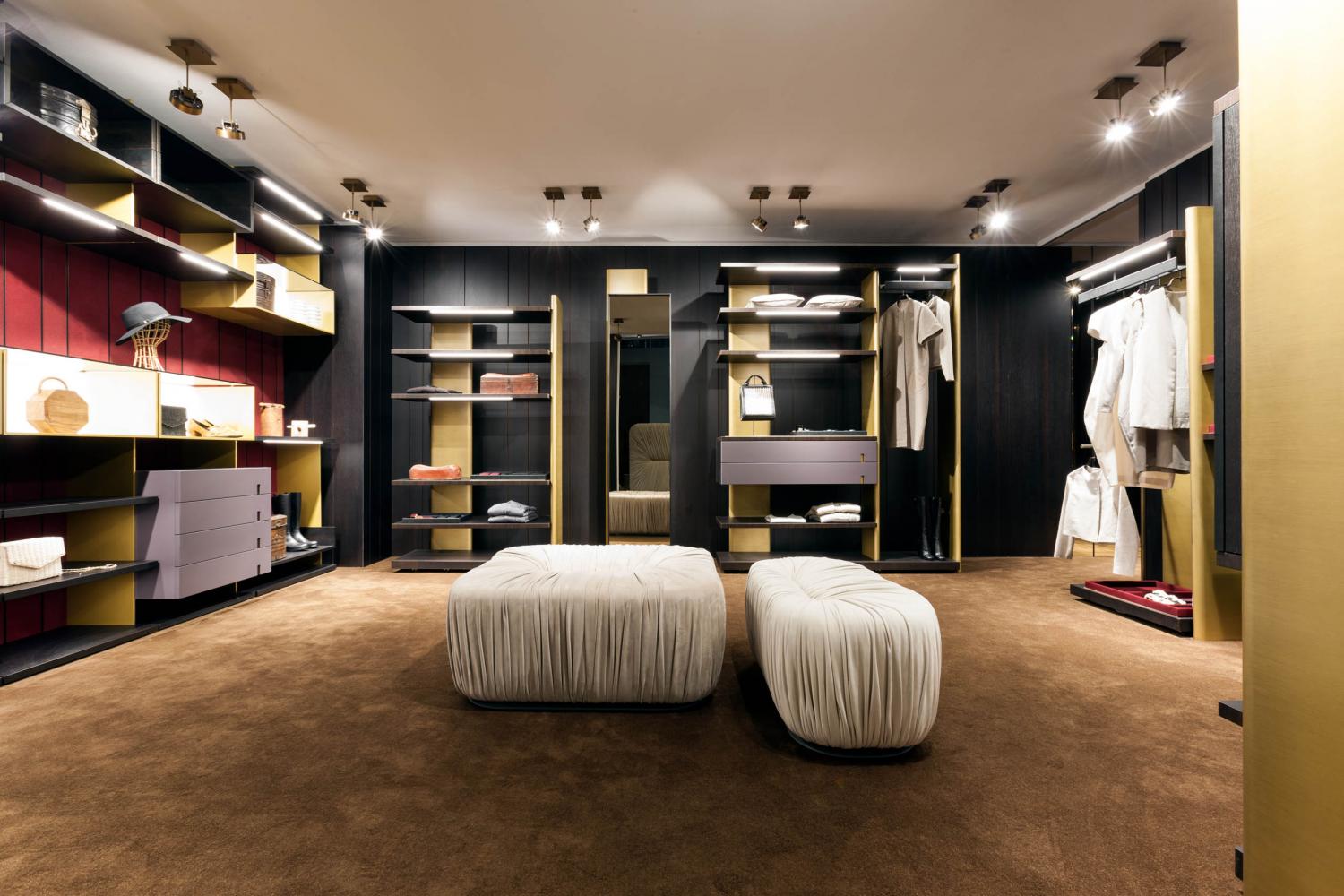
A fully customizable system that merges seamless surfaces with modular efficiency. The LINE Walk-In features matte finishes, concealed hinges, and tailored dimensions. It can be designed to complement the bed’s color palette or contrast it entirely with dark woods or painted accents.
This closet solution is ideal for minimalist bedrooms or shared master suites that demand both order and elegance. It becomes a visible part of the room’s aesthetic rather than something to hide.
Bamboo Collection Wardrobe
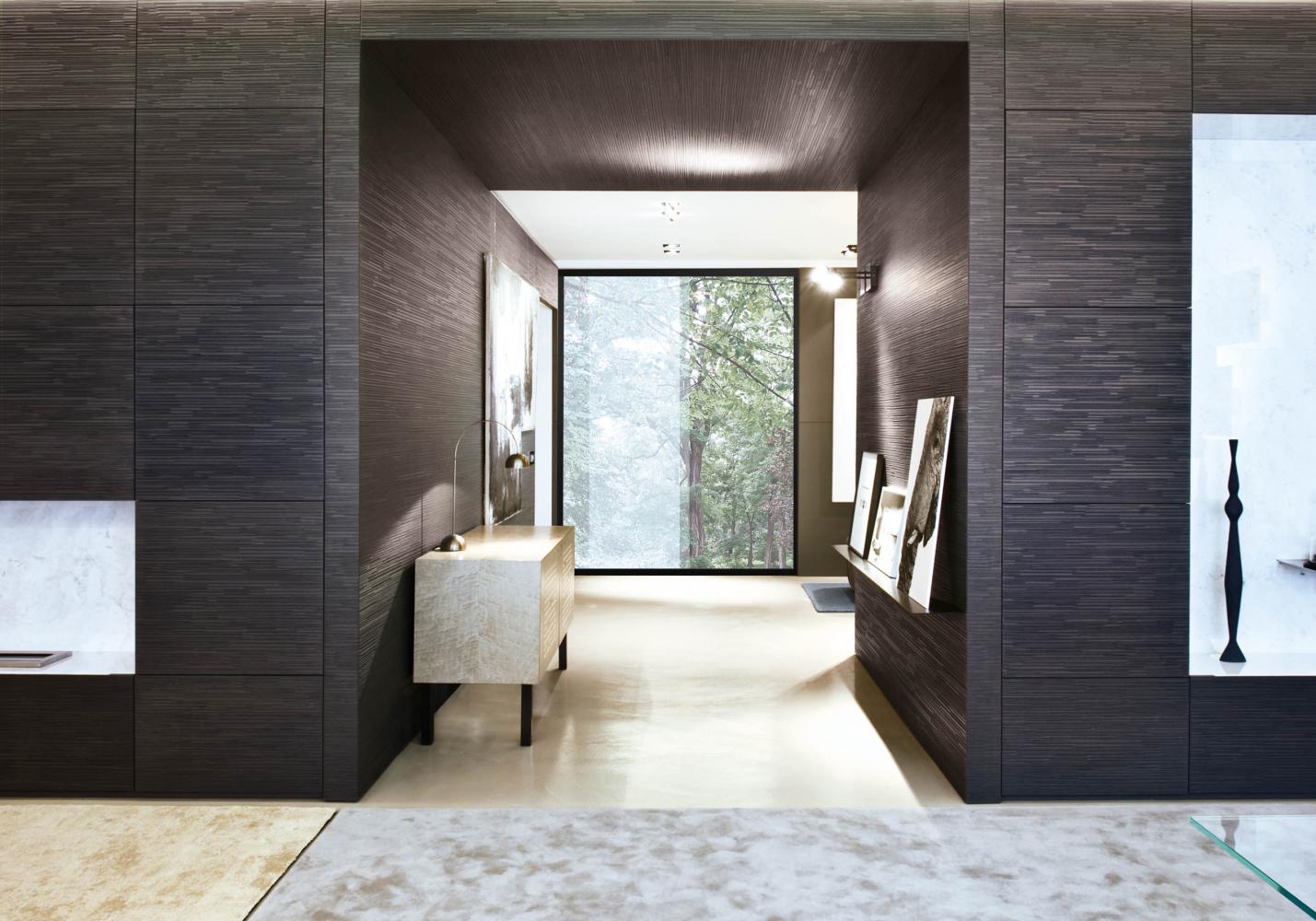
Blending exotic wood veneers with structured form, the Bamboo Collection offers wardrobes with vertical texture and natural depth. Its rhythmic lines echo through other design elements – making it easy to coordinate with similarly ribbed or paneled furniture like the BD13 Maxima Sideboard or Talento Unlimited Console.
This system introduces organic luxury, ideal for biophilic or earthy bedroom themes.
Decor Cabinet System
With its refined ornamentation and sculptural design, the Decor Cabinet System is perfect for classically inspired rooms or transitional spaces. It offers generous storage while standing as a piece of art in its own right. When placed near softer upholstered furniture – like the Drapè Poufs – it enhances the room’s visual texture and tone.
Seamless Integration into the Bedroom Space
To fully integrate storage systems:
Align finishes with other major furniture pieces (bed, nightstands, dressers)
Use wardrobe panels as extensions of wall treatments
Consider ceiling height – tall systems like the LINE Walk-In draw the eye upward, adding vertical dimension
The Role of Lighting in Unifying the Bedroom Space
Strategic Placement: Pendants, Floor Lamps, Accent Lighting
Different types of lighting not only serve unique functional purposes but also reinforce the room’s visual balance.
Pendants Over Nightstands
Replacing traditional table lamps with suspended pendant lighting is a high-end design move that saves space while elevating elegance. Hanging pendants from the ceiling above nightstands brings vertical emphasis to the bedside zone and makes room for decor, books, or personal items on the surface.
Floor Lamps Near Accent Chairs
To create cozy reading nooks or intimate seating areas, position floor lamps beside armchairs like the Adagio Armchair or Drapè Club Chair. The upward and downward glow softens shadow lines and draws focus to the furniture’s materiality – be it plush velvet or structured leather.
Materia’s Lighting Collection: Designed to Complement
The lighting pieces from Materia Collection are crafted with the same precision, material richness, and stylistic versatility as their furniture. Choose from:
Floor lamps with marble or metal bases and tailored shades
Table lamps that echo furniture hardware finishes
Suspended lighting with linear profiles for contemporary spaces or sculptural forms for eclectic compositions
By selecting lighting that responds to your furniture’s materials and your room’s overall rhythm, you anchor the entire space, allowing diverse elements to exist in concert rather than in competition.

Room Size, Layout, and Symmetry in a Luxury Bedroom
Understanding Spatial Context: Large vs. Small Bedrooms
Every luxury bedroom begins with an understanding of its volume and spatial behavior. A 500-square-foot master suite and a 200-square-foot guest bedroom both require tailored approaches to layout – but in each case, design decisions must enhance flow, breathing space, and the hierarchy of focal points.
In Large Bedrooms:
Embrace spatial zoning: Divide areas into sleeping, dressing, and lounging zones using furniture like Collectionist Buffets, Drapè Poufs, or Margaret Armchairs.
Don’t leave corners bare – introduce sculptural pieces such as the BD22 Maxima Bed paired with a Talento shelving system or a curated art piece above a sideboard.
Use symmetry strategically: Large spaces benefit from repetition and mirroring to maintain rhythm. Match bedside tables or pair armchairs to flank a window or desk.
In Small Bedrooms:
Favor multifunctional furniture with clean lines. Opt for Outfit Dressers or the LINE Cabinet System for vertical storage without visual clutter.
Keep furniture proportional – oversized pieces may reduce movement and light flow.
Use mirrors and lighting to visually expand the room’s depth and height.
Distributing Visual Weight
Visual weight refers to how heavy or dominant a piece appears in a composition, based not just on size but on color, texture, and material. An upholstered bed may feel heavier than a wooden bench of the same size due to its texture and bulk.
To maintain balance:
Counterbalance heavy pieces (like a dark Maxima Sideboard) with lighter or more open ones (like a linen-covered bench or open nightstands).
Use symmetry to stabilize asymmetry. If a bold piece sits on one side of the bed, echo its volume with a different – but visually equivalent – piece on the other.
The Role of Symmetry in Mixed-Style Bedrooms
Symmetry in luxury bedrooms provides a sense of order, even when styles or materials are varied. You don’t have to mirror every item, but repeating forms, heights, or finishes across the room adds calmness and logic to the layout.
Examples:
Pair two different nightstands, but keep them the same height and base color.
Use the same pendant on both sides of the bed – even with different side tables.
Place matching floor lamps on either end of a LINE Wardrobe Wall to create equilibrium.
Whether you are working with a narrow footprint or a sprawling suite, these spatial and layout strategies help reinforce the comfort, flow, and elegance that are the defining features of a luxury bedroom.
Common Mistakes to Avoid When Mixing Luxury Furniture
| Mistake | Why It’s a Problem | How to Fix It |
|---|---|---|
| Overmatching furniture sets | Creates a flat, lifeless space with no focal point | Mix styles and finishes for layered, curated elegance |
| Too many wood tones | Visual chaos and lack of cohesion | Apply the 70/30 rule and match undertones |
| Ignoring scale and flow | Disrupts circulation and comfort in the room | Choose pieces appropriate to room size and layout |
| Mixing styles without connection | Results in a cluttered, incoherent design | Use repetition in finishes, materials, or palette |
Overmatching: Why Full Sets Feel Flat
One of the most frequent missteps in luxury bedroom design is relying on matching furniture sets. While a complete set may offer initial convenience and visual harmony, it often results in a space that lacks depth, personality, and spatial dynamics.
When everything in the room is identical in finish, style, and scale, it creates a static composition with no visual hierarchy or storytelling. Instead of feeling curated, the room appears pre-packaged and impersonal – the very opposite of what luxury should feel like.
Mixing Too Many Wood Tones
While mixing wood tones can enrich a bedroom with texture and character, doing so without a clear strategy can result in visual chaos. A common mistake is blending multiple wood species and stains without considering their undertones, finish sheen, or dominance in the space.
Rooms that include five or six different wood tones, each competing for attention, end up feeling fragmented. As previously discussed, following the 70/30 rule – where one dominant wood tone is used for 70% of the furnishings, and one or two secondary tones fill in the remaining 30% – maintains control and cohesion.
Avoid mixing warm cherry, cool ash, yellow oak, and dark walnut all in the same space. Unless a unifying element is introduced (such as repeated hardware finishes or textiles), the room will feel disjointed rather than curated.
Ignoring Proportion and Layout Flow
Even the most beautiful furniture can fail in a room if it’s poorly scaled or incorrectly placed. Some common mistakes include:
Using an oversized bed in a small room, leaving no room for nightstands or easy movement
Placing two bulky sideboards on opposite walls, causing the room to feel compressed
Choosing chairs too small for their corner, making them feel out of place and functionally irrelevant
Layout is not just about fitting furniture into a room; it’s about understanding how each piece interacts with the architecture and with the other elements present. Every decision should serve the balance of function, comfort, and visual rhythm.
Clutter from Too Many Styles Without Unifying Elements
Diversity in style can be refreshing, but in the absence of unifying threads, it quickly turns into clutter. A room that includes a modern minimalist bed, a vintage Baroque dresser, mid-century nightstands, industrial lighting, and rustic shelving—without any shared elements – feels more like a showroom warehouse than a designed space.
To prevent this, include repeated motifs:
Reuse the same metal finish across different furniture pieces
Tie in a consistent fabric texture between chairs and poufs
Use a color palette that reappears in various tones and materials
The key is not to avoid mixing – but to do it with intention, hierarchy, and connection.
These surfaces do more than complement one another – they create tactile narratives within the bedroom. And when these materials are mixed with expertise, the result is a space that feels complete, intentional, and undeniably luxurious.
