

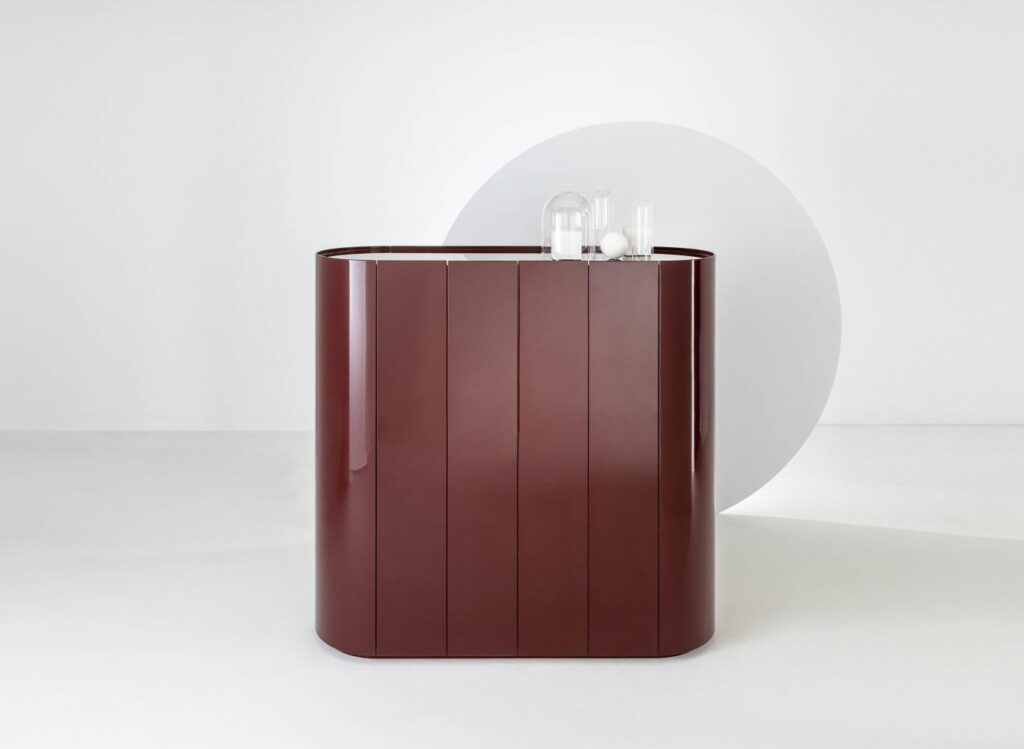
With its signature high-gloss finish, smooth surface, and deep reflective sheen, lacquered furniture – especially the kind perfected in Italy – represents the pinnacle of craftsmanship in luxury interiors.
Despite its sleek and durable exterior, lacquer is a sensitive finish that requires a tailored approach to cleaning and maintenance. Incorrect methods or materials can dull its luster, leave micro-scratches, or even cause permanent damage. That’s why understanding the nuances of how to clean lacquer furniture properly is essential—not only for aesthetic preservation but also for long-term structural integrity.
Let’s begin with the basics: what exactly is lacquer, and why does it require such special care?
What Is Lacquer Furniture?
Lacquer is a clear or colored hard coating that’s applied in multiple thin layers to wood, MDF, or other substrates to create a durable and high-gloss finish.
Unlike paint, which merely coats the surface, lacquer chemically bonds with the substrate, creating a smooth, seamless appearance that reflects light with exceptional clarity.
Italian lacquer, in particular, is renowned for its rich depth, polished texture, and mirror-like shine—a finish that speaks volumes about the precision and artistry behind its creation. While visually stunning, this finish is highly sensitive to external stressors, including heat, moisture, and harsh chemicals.

The uniqueness of Italian lacquer furniture
Italian lacquer furniture is distinguished by its meticulous layering and hand-polishing process. Often applied in up to ten ultra-thin coats, each layer is allowed to dry and is then sanded before the next is applied. The result is a flawlessly smooth, luminous surface that is not only aesthetically pleasing but also a hallmark of luxury design.
These pieces are often finished with artisan techniques passed down through generations of Italian furniture makers. The attention to detail, commitment to tradition, and use of the finest materials all contribute to why Italian lacquer furniture is revered in high-end residential and commercial design.
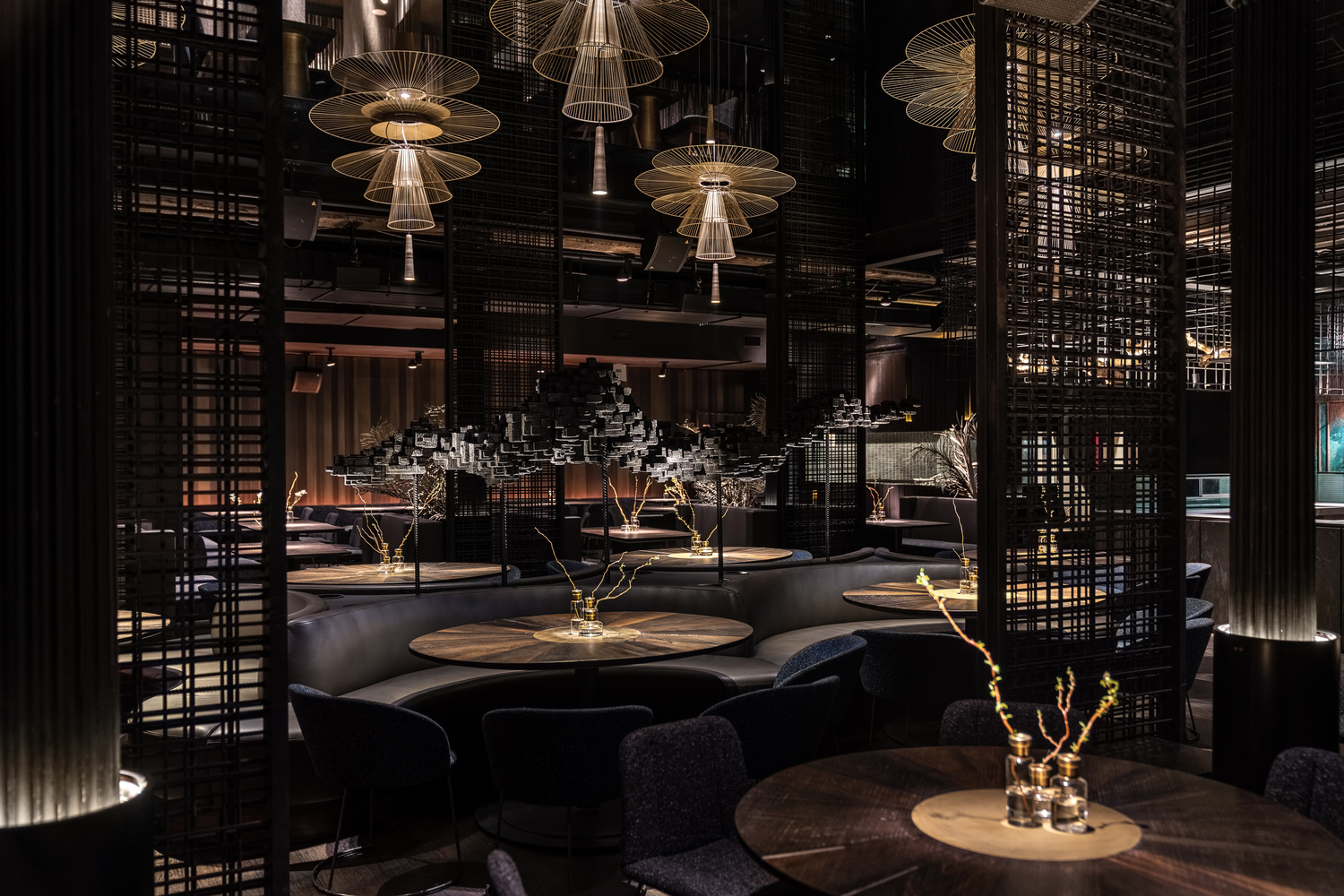
Signature lacquered pieces from MATERIA, such as those featured in the globally celebrated Buddha-Bar in New York, are not only visually captivating but built to last—as long as they are cared for correctly. That’s where the next section of this guide comes in.
Why Cleaning Lacquered Furniture Requires Special Care
Lacquer: Beautiful, but Delicate
Lacquered furniture may appear strong and solid due to its hard, glassy surface—but beneath that glossy sheen lies a delicate finish that demands specialized care. Understanding the vulnerabilities of lacquer is essential to proper lacquered furniture maintenance and avoiding accidental damage that can diminish its luxurious appearance.
Sensitivity to Heat and Humidity
Lacquer is highly sensitive to temperature fluctuations. Exposure to excessive heat or direct sunlight can lead to discoloration, fading, and even warping of the surface. For instance, placing a steaming cup of coffee or a hot dish directly on the surface may cause clouding or permanent ring marks. Conversely, high humidity can cause the finish to soften slightly, making it more prone to dents, impressions, and stickiness—especially in freshly lacquered pieces.
That’s why MATERIA Collection strongly advises clients to avoid placing hot or very humid objects on lacquered surfaces for at least 30 days after installation, and always with a protective placemat even afterward.
Vulnerability to Chemicals and Abrasives
One of the most common mistakes when cleaning lacquered furniture is using household cleaning products not designed for delicate finishes. Ammonia-based sprays, alcohol wipes, bleach solutions, and even some “wood polishes” can wreak havoc on a lacquer surface, causing:
- Dullness by stripping away the shine
- Discoloration from chemical reactions
- Micro-scratches and clouding from abrasives or improper tools
Even products that seem harmless, like window cleaner or furniture polish, may contain oils or residues that compromise the lacquer over time.
The Importance of Curing Time
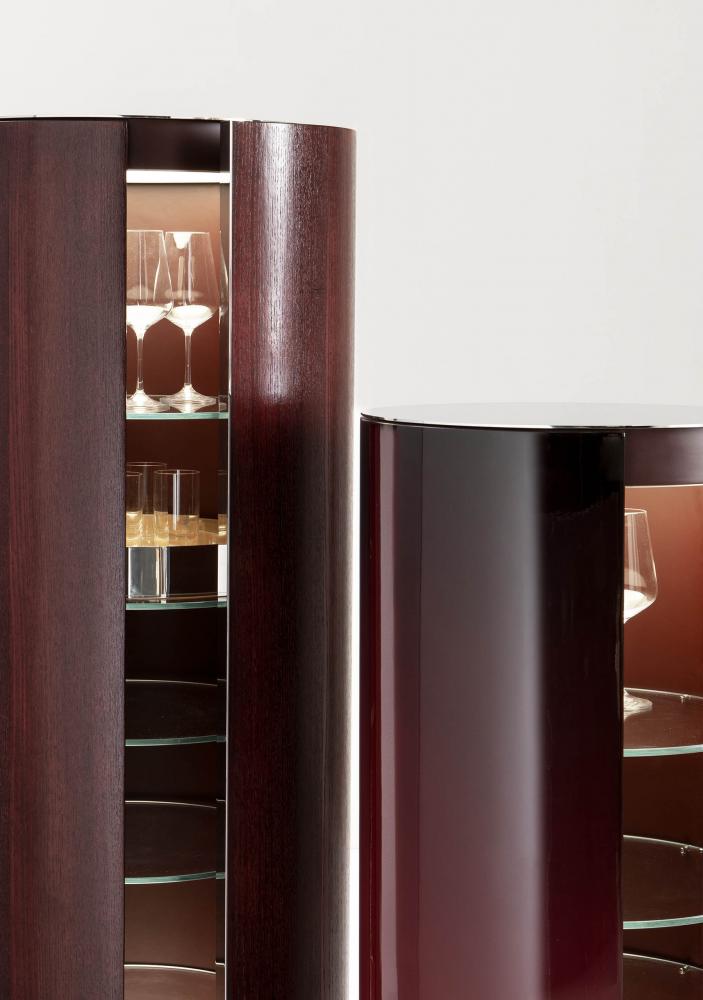
Newly lacquered furniture from MATERIA Collection takes up to six weeks to fully cure. During this period, the finish is still hardening and bonding to the substrate beneath it. It is crucial not to place any heavy objects on the surface during this time, as even slight pressure can leave permanent impressions or weaken the finish’s structural integrity.
Additionally, the surface is most susceptible to moisture, scratching, and temperature-related damage in the early curing phase. That’s why MATERIA’s care guide emphasizes patience and caution during this window—an investment in your furniture’s long-term beauty.
Step-by-Step Guide: How to Clean Lacquer Furniture Safely
| Item | Safe to Use? | Why / Why Not |
|---|---|---|
| Dry microfiber cloth | Yes | Gently lifts dust without scratching or leaving residue |
| Distilled water (sparingly) | Yes | Non-mineral water prevents streaks and is gentle on lacquer |
| White vinegar (diluted) | Yes (few drops) | Safe in small quantities for removing fingerprints and light grime |
| Ammonia-based cleaner | No | Can cause discoloration, dullness, and chemical degradation of the finish |
| Paper towels | No | May scratch the surface and leave behind fibers |
| Alcohol wipes | No | Strip the lacquer and leave uneven patches |
| Furniture polish (generic) | No | Often contains oils or waxes that cloud or damage the finish |
Preserving the shine and integrity of your lacquer furniture doesn’t require expensive products or daily polishing—it requires precision, patience, and the right materials. Below is a step-by-step guide to help you clean lacquer without damage, keeping your furniture as radiant as the day it was delivered.
1. Dusting Your Furniture (Daily or Weekly Routine)
Use the Right Cloth
For everyday maintenance, the most important tool in your arsenal is a clean, dry microfiber cloth. Microfiber traps dust and fine particles without scratching the surface, unlike feather dusters or traditional cotton cloths which can contain embedded grit.
Never use:
- Treated or oiled cloths
- Paper towels or rough fabrics
- Any cloth previously used with chemicals
Why Dusting Matters
Lacquer finishes are particularly prone to micro-abrasions, which develop when dust or grit is dragged across the surface. Regular dusting removes these particles before they can become a problem. Even a seemingly clean room accumulates fine airborne debris that can settle on your furniture. Left unchecked, this debris can dull the sheen and cause tiny scratches over time.
For high-use areas like dining tables or sideboards, a light dusting every few days is ideal. For decorative pieces in less active areas, weekly care may be sufficient.
2. Spot-Cleaning Fingerprints and Light Dirt
Prepare a Safe Cleaning Solution
While water is generally discouraged for lacquer care, a slightly dampened microfiber cloth using distilled water can be used for fingerprint smudges or light dirt buildup. To enhance cleaning power, you may add just a few drops of white vinegar to the water—never more than a teaspoon per quart. Avoid using tap water, which contains minerals that may leave streaks.
Technique Matters
- Lightly dampen the cloth (never dripping wet)
- Gently wipe the affected area in soft, circular motions
- Follow up immediately with a dry microfiber cloth to remove any lingering moisture
Never let water or any liquid sit on the surface, and always test your solution on an inconspicuous area first. This process not only lifts dirt safely but helps maintain the clarity and consistency of the lacquer’s shine.
3. Handling More Stubborn Stains
When Water Isn’t Enough
If the gentle distilled water method doesn’t remove a persistent mark—such as a dried-on smudge or light discoloration—you still have options that don’t involve harsh chemicals.
One time-tested method is a blend of:
- Linseed oil
- Turpentine (artist-grade)
- Flour as a gentle abrasive
Mix the three into a soft paste and apply it using a soft, lint-free cloth. Rub lightly in the direction of the grain or in slow circles, depending on the piece’s design. This method works especially well on older lacquer pieces that have developed oxidation or grime buildup.
Warning: Be Gentle, and Know When to Stop
- Do not scrub or apply pressure
- Never use steel wool or scouring pads
- Avoid automatic polishers or buffer tools unless operated by a professional
If the stain persists, or if you are unsure about the lacquer’s composition or age, consult a professional restoration service—preferably one recommended by the manufacturer or showroom. MATERIA Collection provides touch-up paint and expert care advice upon request for any of its bespoke pieces.
What to Avoid When Cleaning Lacquered Furniture
While the appeal of lacquered furniture lies in its sleek, reflective finish, that same surface can be quickly compromised if cleaned with the wrong materials or techniques. Many well-intentioned homeowners unintentionally cause damage by reaching for standard household cleaning products or tools. To avoid common cleaning mistakes with lacquer furniture, it’s critical to understand what not to use—and why.
Water Soaking or Spraying
Why It’s Harmful:
Lacquer is sensitive to moisture penetration. Soaking the surface with water or spraying directly onto the furniture can lead to:
- Streaking or clouding of the glossy finish
- Warping if water seeps into seams or unsealed areas
- Long-term dulling of the surface shine
Safe alternative: Always apply moisture indirectly by dampening a soft cloth with distilled water, never spraying the piece itself.
Ammonia-Based or Abrasive Cleaners
Why It’s Harmful:
Many household cleaners contain ammonia, alcohol, or acidic compounds, which can chemically react with lacquer, leading to:
- Permanent discoloration or yellowing
- Erosion of the outermost protective layer
- A sticky residue that attracts dust and grime
Even mild abrasives can etch fine lines into the lacquer, dulling its reflective sheen. Products labeled “multi-surface” or “kitchen cleaner” are rarely safe for lacquered wood.
Safe alternative: If cleaning is required, use only diluted white vinegar in distilled water or contact the manufacturer for product-specific advice.
Alcohol Wipes or Disinfectants
Why It’s Harmful:
Especially since the rise of surface sanitization, alcohol wipes and disinfectant sprays are more commonly used in homes—but these products can strip the finish, leaving behind:
- Matte or cloudy spots
- Sticky residue or uneven texture
- Accelerated surface wear
Safe alternative: For sanitation, use a microfiber cloth dampened with distilled water only. For deeper cleaning, consult a lacquer care specialist.
Abrasive Sponges or Paper Towels
Why It’s Harmful:
While they may seem harmless, paper towels and abrasive sponges act like sandpaper on lacquer. Over time, their coarse texture causes:
- Micro-scratches that dull the surface
- Loss of the high-gloss mirror effect
- Compromised structural integrity of the top layer
Safe alternative: Always use a clean, high-quality microfiber cloth—the only cloth type that traps dust without scratching.
Wax or Polish (Unless Guided by a Professional)
Why It’s Harmful:
Contrary to popular belief, most waxes and polishes are not safe for lacquer finishes. They can:
- Haze or streak the surface
- Leave behind residues that are difficult to remove
- Alter the light reflection that gives lacquer its depth
Even natural beeswax products, unless specifically designed for lacquer, may cause buildup or attract dust.
Safe alternative: Lacquered furniture is designed to shine naturally. Avoid commercial polishes unless recommended by your furniture’s manufacturer. MATERIA Collection advises clients to consult before applying any such products.
| Problem | Likely Cause | Preventive Action |
|---|---|---|
| Cloudy or dull spots | Exposure to moisture, alcohol, or ammonia | Use coasters, avoid wet wipes, clean only with microfiber |
| Surface dents or marks | Pressure from heavy or sharp-bottomed objects | Use felt pads or protective cloth under decorative items |
| Color fading | Sunlight or proximity to heat sources | Position furniture away from windows or use UV filters |
| Sticky or soft surface | High humidity or early use during curing | Maintain indoor climate, wait full 6 weeks before use |
| Fine scratches | Cleaning with paper towels or dry cloths | Use only microfiber, avoid any abrasive materials |
Expert Tips to Preserve the Glossy Finish Over Time
Long-Term Strategies for Lacquer Furniture Maintenance
Preserving the beauty of lacquered furniture is not just about cleaning—it’s about how you use and interact with it daily. Incorporating mindful habits can prevent unnecessary wear and keep your furniture looking pristine for decades. Below are expert-endorsed tips from the team at MATERIA Collection.

Never Place Hot Dishes or Plastic Objects Directly on the Surface
Lacquer is extremely sensitive to thermal and chemical stress. Placing a hot plate, coffee cup, or even a warm laptop on the surface can lead to heat rings, bubbling, or discoloration.
Similarly, plastic objects—especially those with hard or rubber feet—can dent the surface or cause chemical interactions with the lacquer over time, leaving permanent marks.
What to do instead:
Always use:
- Fabric or cork placemats for dishes or laptops
- Felt pads under plastic or rubber objects
- Glass coasters with soft bases for drinks
Use Placemats, Fabric Coasters, and Felt Pads
Even seemingly lightweight objects, like a ceramic vase or decorative tray, can apply enough pressure over time to cause indentations—especially on newly lacquered pieces. Felt or soft textile barriers help distribute weight evenly and prevent direct contact.
Additional tip: Replace or clean pads regularly to avoid grit buildup underneath them.
Avoid Direct Sunlight or Placing Near Heat Sources
Prolonged exposure to UV rays can change the color of the lacquered surface, especially on lighter finishes. Heat sources such as radiators, underfloor heating vents, or even halogen lighting can lead to drying or warping of the wood beneath the lacquer.
Best practice:
Position your lacquered furniture:
- Away from direct windows or use UV-filtering curtains
- Not adjacent to heat vents or baseboard heaters
- In spaces with even, ambient lighting
Avoid Storing Heavy Items on Freshly Lacquered Furniture (First 6 Weeks)
As mentioned earlier, lacquered furniture from MATERIA takes up to six weeks to fully cure. During this time, placing heavy objects (e.g., books, appliances, décor with a narrow base) can lead to:
- Compression marks
- Surface sticking
- Gloss inconsistencies
Temporary recommendation: Use the furniture primarily for display only during the curing period, and rotate objects every few days if needed.
Rotate Decorative Objects Occasionally
Even after the curing period, it’s wise to rotate vases, sculptures, or trays every few weeks. This prevents color fading or pressure shadows, which can develop when the same object sits in one spot for months or years.
Pro tip: Snap a photo of your layout before moving objects so you can restore the arrangement easily.
Keep Furniture in Rooms With Stable Humidity and Temperature Levels
Fluctuations in humidity and temperature can affect both the lacquer and the underlying wood. Environments that are too dry may cause cracking, while too much humidity can lead to clouding or stickiness.
Recommended interior conditions for lacquered furniture:
- Humidity: 40–60%
- Temperature: 65–75°F (18–24°C)
- Avoid: Sudden shifts caused by open windows, fireplaces, or humidifiers placed too close
If you live in a region with extreme seasonal changes, consider using a hygrometer and humidifier/dehumidifier combo to maintain a stable indoor environment.
MATERIA’s Signature Lacquered Pieces: A Heritage of Craftsmanship
The Art of Lacquer in Every Design Detail
At MATERIA Collection, lacquer is not simply a surface treatment—it is an integral part of the brand’s aesthetic philosophy and design language. From elegantly sculpted furniture to seamless wall paneling and cabinetry, lacquered finishes are woven throughout our product lines as a way to express modern luxury with timeless Italian flair.

Whether featured as a high-gloss dining table, a sculptural cabinet door, or a floor-to-ceiling wall installation, every lacquered piece is crafted with the highest degree of precision, passion, and purpose.
Wall Paneling, Cabinetry, Furniture, and More
Lacquer is featured throughout MATERIA’s offerings, including:
- Maxima and Line wall paneling systems, offering a mirror-like finish with subtle texture or pattern overlays
- Custom cabinetry for kitchens, closets, and vanities, where the lacquer enhances both form and functionality
- Furniture collections such as consoles, tables, and sideboards, where lacquer acts as a visual centerpiece in modern interiors
- Doors and architectural elements, where layered lacquer meets minimalist hardware for an ultra-luxury aesthetic
Each piece is fabricated to order, ensuring a perfect balance between the design vision of the client and the technical excellence of our craftspeople.
Natural Materials, Precision, and Customization
Beyond its signature lacquer work, MATERIA integrates a wide range of natural and noble materials in its collections, such as:
- Exotic woods paired with lacquer for contrast and depth
- Natural stone inlays with precisely routed lacquer frames
- Metallic accents polished to perfection and harmonized with the lacquered surfaces
Each piece is meticulously custom-made, not only in terms of color and scale, but also in the application techniques—from hand-layered gloss finishes to experimental overlays and ultra-matte compositions.