

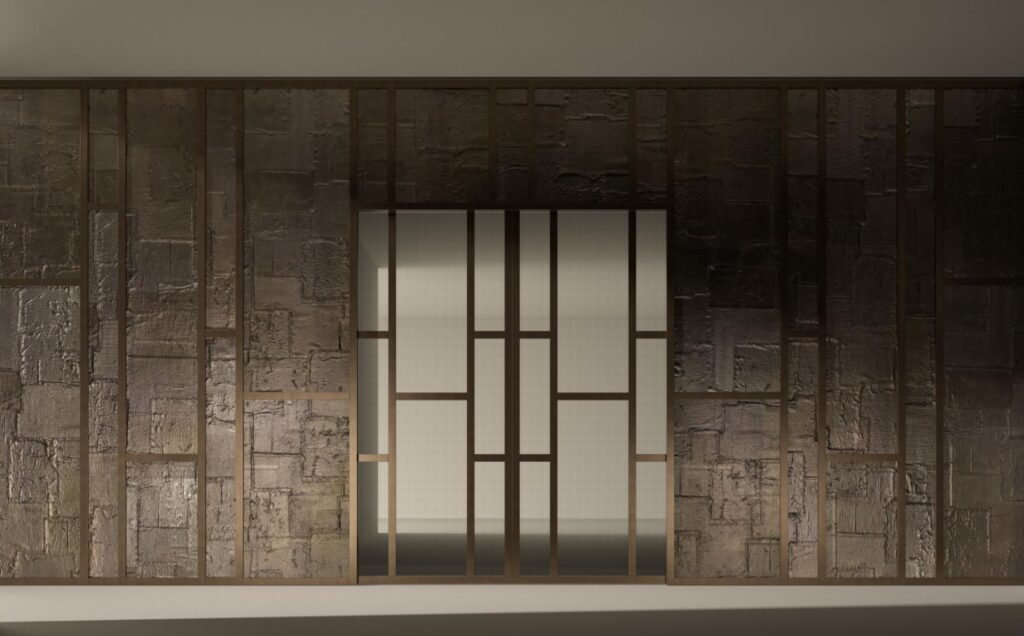
In a world increasingly drawn to curated perfection, Brutalist interior design dares to rebel. Stripping away ornamentation in favor of exposed materials, geometric tension, and functional clarity, Brutalism reclaims its space at the center of design conversations — not just as a historical artifact, but as a living, breathing aesthetic reborn for the modern age.
What Is Brutalist Interior Design?
| Element | Description |
|---|---|
| Raw Materials | Concrete, stone, steel, and wood used in their natural, unpolished state |
| Geometric Forms | Strong, angular shapes with blocky or asymmetrical layouts |
| Monochromatic Palette | Dominated by grays, blacks, whites, and earthy tones |
| Minimalist Furnishings | Functional, utilitarian furniture with clean lines and solid volume |
| Exposed Structure | Visible beams, pipes, and mechanical elements included intentionally in design |
| Industrial Lighting | Sculptural fixtures, metal pendants, and bare bulbs to emphasize form |
At its core, Brutalist interior design is about honesty. Honesty of material. Honesty of structure. Honesty of purpose.
Born from the architectural Brutalism of the mid-20th century, this interior style eschews polish and pretense in favor of what is elemental and unfiltered. It reveals the skeleton of a space rather than hiding it — celebrating imperfections, asymmetry, and utilitarian function as aesthetic virtues rather than liabilities.
It’s a design language of reduction, not subtraction — stripping away the unnecessary to reveal a deeper sense of truth in architecture.
The Origin of the Term: ‘Béton Brut’
The word “Brutalist” comes from the French term béton brut, meaning raw concrete. Coined by modernist architect Le Corbusier, it originally referred to the unfinished, unadorned surfaces of cast concrete used in his landmark buildings of the 1940s and 50s.
But beyond just concrete, béton brut came to symbolize an entire attitude toward materials — one that embraced the tactile qualities of surfaces in their natural, untreated form.
The philosophy spread quickly through post-war Europe, where economies demanded functional, cost-effective construction. Concrete became the material of resilience, and Brutalism became the architectural language of rebuilding.
Foundational Principles of Brutalist Aesthetic
Raw Materials as Visual and Emotional Anchors
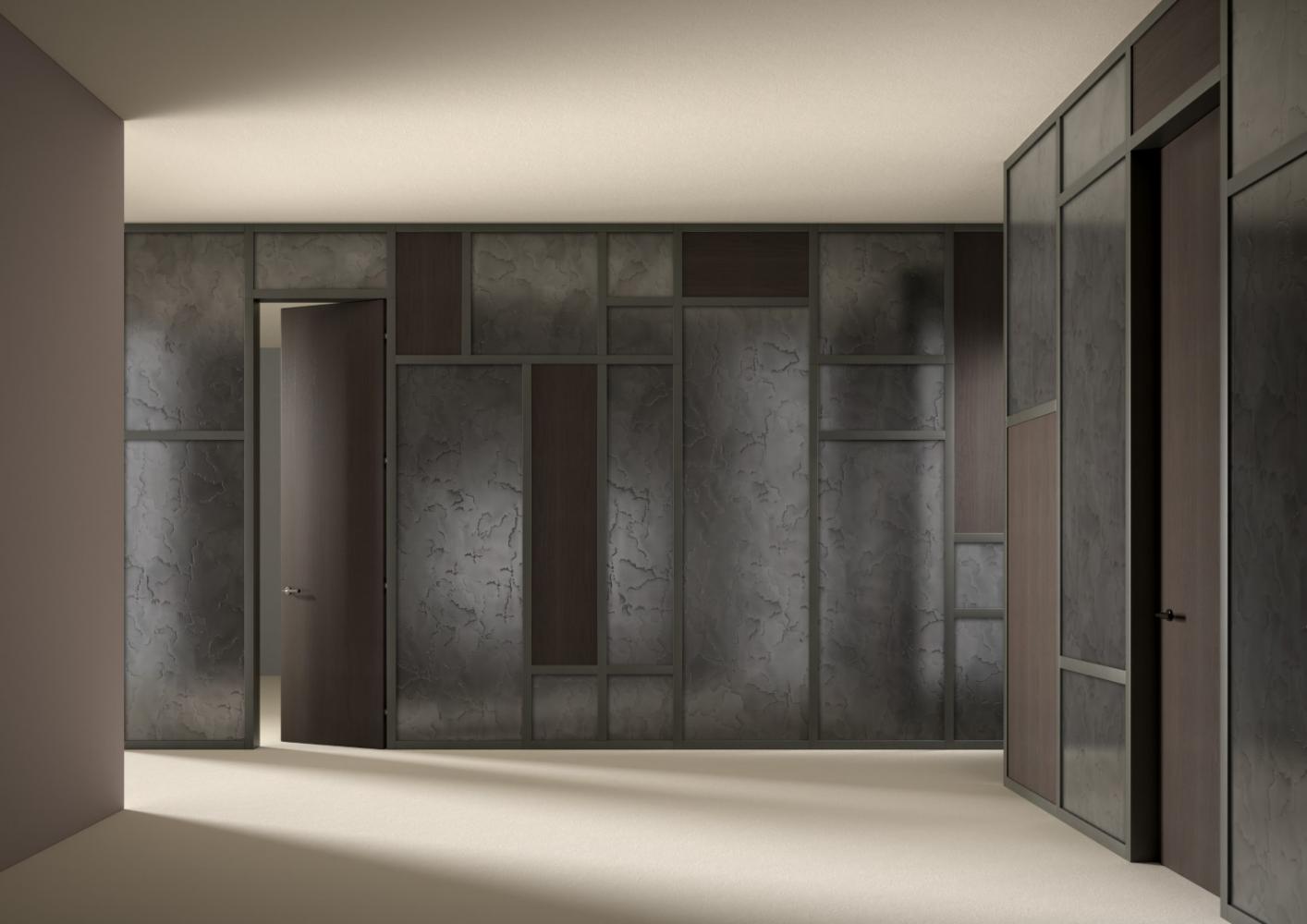
Brutalist interior design is characterized by a visceral use of materials that are typically left exposed, untreated, and unpolished. Concrete, steel, glass, stone, and raw wood dominate. These materials are celebrated for their strength, weight, and imperfection — each one bearing the marks of time, weather, and human touch.
Geometric Precision and Heaviness of Form
One of the defining traits of Brutalism is its reliance on strong, often monumental geometry. Angular forms, repetitive structural elements, cantilevers, and blocky massing replace symmetry and lightness. The result is a sculptural tension — architecture that feels almost carved from the earth rather than built upon it.
Minimalism with Purpose
While often described as minimalistic, Brutalism differs sharply from the airy serenity of Scandinavian or Japanese minimalism. It is not minimal for aesthetic effect, but for philosophical integrity — an architecture of necessity, where every element has a purpose, and nothing is decorative for its own sake.
Exposed Structure and Transparency of Construction
In a Brutalist interior, the structure itself becomes the ornament. Beams, joints, bolts, and ductwork are left visible. Load-bearing elements are not concealed — they’re celebrated. The walls do not hide their weight. Instead, they stand in their truth, as architectural statements.
Defining Characteristics of Brutalist Interior Design
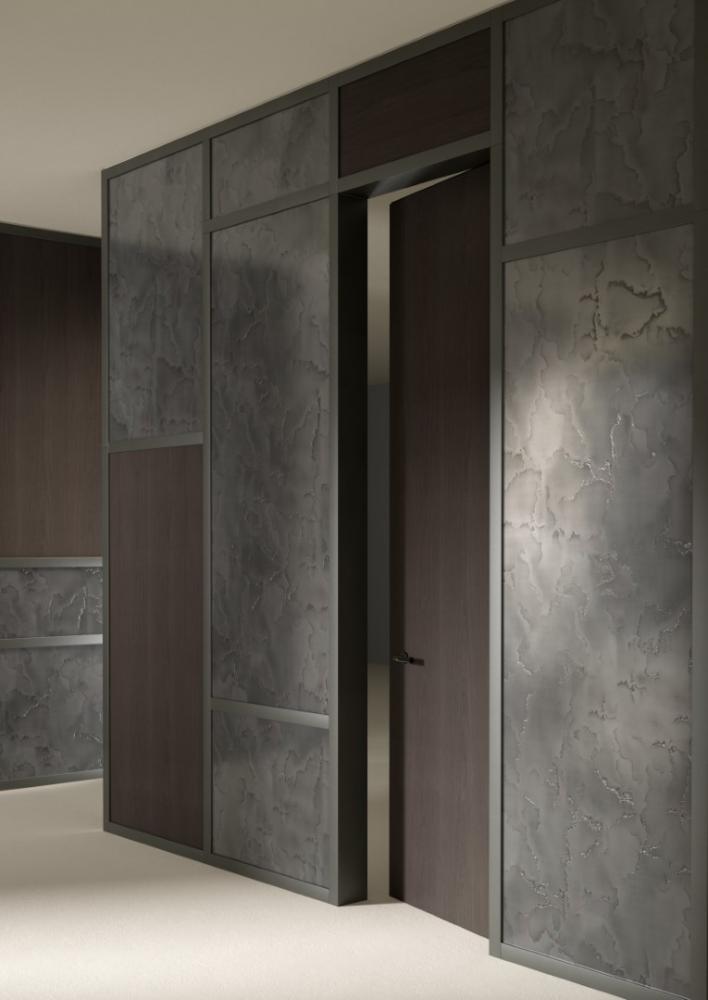
Brutalist interior design maintains the integrity of its architectural roots while offering a versatile canvas for contemporary interpretation. Its defining characteristics are not just stylistic decisions — they are philosophical commitments to truth, function, and material presence.
a) Use of Raw Materials
Concrete, Stone, Steel, and Wood — Left Exposed and Unadorned
The foundation of Brutalist interior design is its material honesty. Surfaces are left raw to expose their natural textures, imperfections, and manufacturing marks. Poured concrete, often seen with formwork impressions, becomes a wall finish rather than a structural concealment. Stone slabs, brushed steel, and reclaimed timber provide complementary layers of texture and weight.
These materials are not merely used — they are celebrated in their purest form. The absence of paint, veneers, or cladding reveals the beauty in structural vulnerability.
b) Strong Geometric Forms
Architecture as Sculpture: Blocks, Planes, and Shadows
Geometry plays a central role in Brutalist design. Think cantilevered staircases, volumetric shelving, boxy furniture, and bold architectural gestures such as recessed nooks and thick vertical planes.
The visual impact comes from contrast, shadow, and weight — forms that define space not by decoration, but by mass. Negative space is used deliberately to enhance the presence of what’s left behind.
This approach transforms ordinary interiors into architectural sculptures, where light and geometry create a dialogue of permanence and clarity.
c) Monochromatic and Neutral Palettes
Letting Texture Speak Louder Than Color
Color in Brutalist interiors is purposefully restrained. The palette revolves around shades of gray, black, white, rust, and earthy browns. These muted tones allow materials and textures to take center stage, creating spaces that are emotionally grounding and visually serene.
Brutalism’s monochromatic palette is not about austerity — it’s about emphasizing what’s essential. Color is introduced sparingly, often through curated artwork or carefully chosen textiles, allowing each element to carry more weight.
d) Minimalist and Utilitarian Furnishings
Form Follows Function — Always
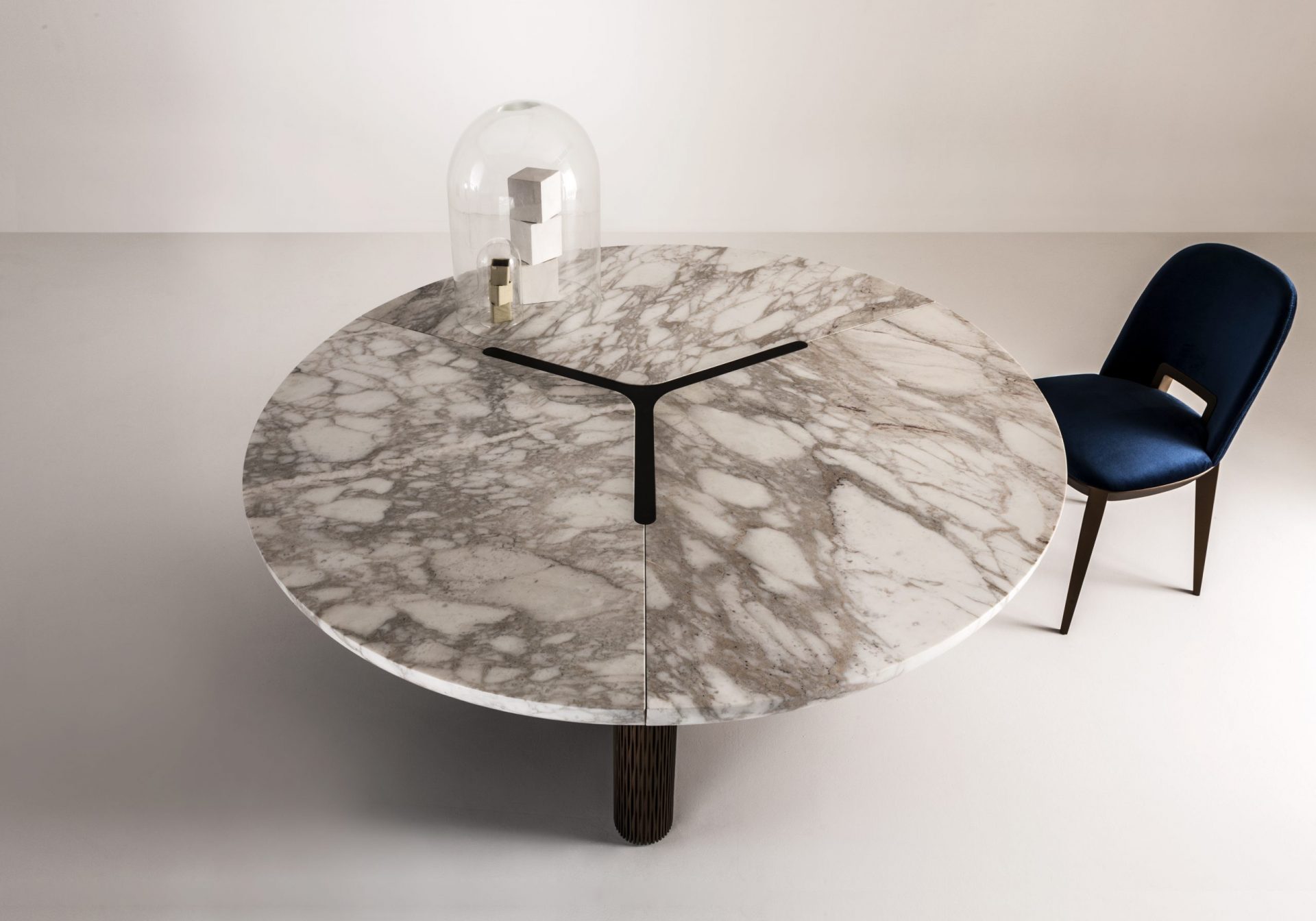
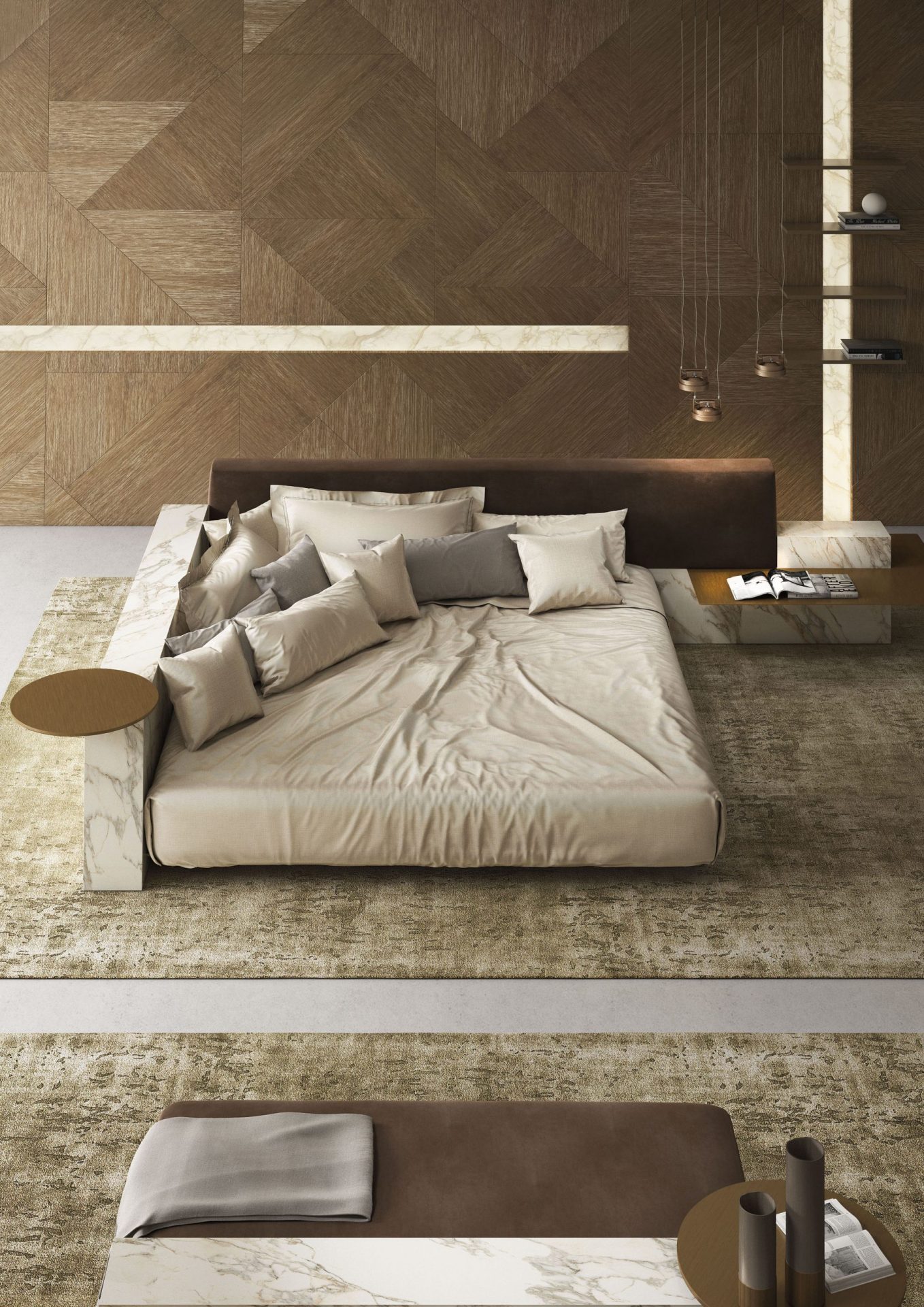
Furniture in a Brutalist interior is often stark, geometrically rigid, and intensely functional. Think concrete benches, cube tables, leather sofas with squared arms, or dining chairs in blackened steel.
Decorative flourishes are avoided. Instead, the furniture becomes part of the architectural language, acting as extensions of walls and floors — low to the ground, heavy, and deliberate.
This minimalism isn’t stylistic minimalism — it’s utilitarian minimalism: only what is needed, designed with integrity.
e) Industrial and Sculptural Lighting
Exposed Fixtures That Define Mood and Material
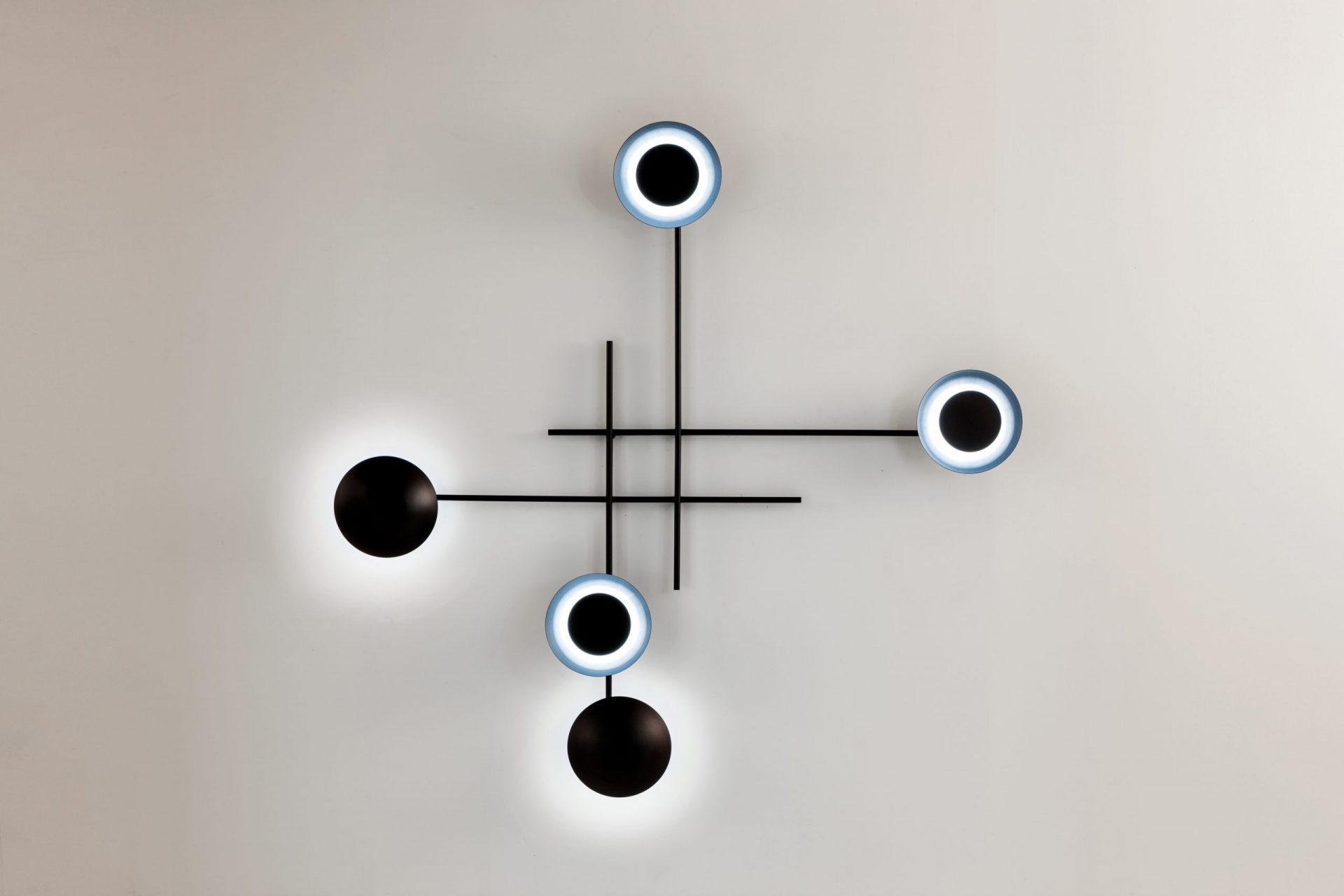
Lighting in Brutalist interiors plays a critical role in shaping the emotional resonance of a space. Fixtures are often industrial in aesthetic, such as metal pendants, bare bulbs, or sculptural floor lamps with an architectural silhouette.
These lights highlight the textures of raw concrete, cast dramatic shadows on angular surfaces, and create moments of contrast and intimacy in an otherwise imposing environment.
Designers often use lighting as a refined counterpoint to Brutalism’s heaviness — introducing moments of warmth and elegance without sacrificing the core principles of the style.
f) Bold, Abstract Artwork
Art as Emotional Counterweight
In a style where ornamentation is absent, art becomes essential. Brutalist interiors are well suited to large-format abstract works, sculptures, and conceptual pieces that reflect the intellectual rigor of the space.
Art serves multiple roles: it can introduce color, provide emotional weight, or act as narrative context within an otherwise restrained environment.
The tension between the raw and the expressive is what gives Brutalist interiors their enduring power — and art completes that conversation.
Brutalism in Contemporary Homes
| Element to Start With | How to Apply It | Why It Works |
|---|---|---|
| Wall Texture | Use limewash, raw plaster, or concrete-effect paint | Adds Brutalist feel without structural changes |
| Lighting | Choose exposed-bulb fixtures or metal pendants | Enhances sculptural shadows and textures |
| Color Palette | Shift to gray, off-white, charcoal, or rust tones | Grounds the space and emphasizes materiality |
| Statement Furniture | Invest in a bold coffee table or concrete sideboard | Introduces weight and form without overwhelming the space |
| Artwork | Hang one large abstract or textural piece | Creates emotional counterpoint to raw surfaces |
From Fortress to Family Room
Once reserved for imposing civic buildings, Brutalist design has now entered the realm of private residences and high-concept homes, with architects and interior designers rethinking how its principles can enhance modern living.
What was once seen as too austere for domestic life has become a symbol of design sophistication. With thoughtful execution, concrete walls can feel serene instead of oppressive. Steel beams can frame views and define rooms rather than divide them. Even open floor plans — a hallmark of contemporary living — find synergy with the Brutalist commitment to architectural honesty and clarity.
Designing for Longevity, Not Trendiness
Unlike many design trends that come and go with social media cycles, Brutalism has longevity built into its DNA. It is inherently resistant to superficiality. A Brutalist interior does not age out of style — it matures. Its materials patina with time. Its geometry remains relevant. Its values of truth, utility, and permanence become more meaningful as design culture evolves.
By investing in quality materials, structural coherence, and intellectual depth, homeowners can create interiors that are timeless rather than trendy — spaces that evolve with use and memory.
Tips for Homeowners: Introducing Brutalism at Your Own Pace
If you’re curious about integrating Brutalist interior design into your home but wary of going all in, consider these entry points:
- Start with texture: Choose raw materials like concrete-look tiles, untreated wood, or plaster walls to add dimension.
- Minimize color: Opt for a neutral palette — grays, off-whites, deep charcoals — and let material contrast provide interest.
- Select bold shapes: Introduce geometric furniture pieces or art with strong lines and solid forms.
- Highlight function: Choose pieces that are useful and sculptural — a bench that defines space, a pendant that lights a path.
- Layer with warmth: Use warm-toned wood, textiles, or vintage objects to soften the severity and create a balanced, welcoming space.
Brutalist interiors are not about embracing coldness — they are about embracing what is real, enduring, and essential.
MATERIA Collection’s Italian Brutalism
An exceptional example of this refined Brutalist approach is seen in the work of MATERIA Collection, a bespoke design studio based in Bay Harbor Islands, Florida. Drawing from the traditions of Italian design, MATERIA reimagines Brutalism not as a relic of post-war Europe, but as a living art form fused with luxury and craftsmanship.
Under the vision of founder Yana Pojidaeva, MATERIA Collection offers custom surfaces, wall paneling, cabinetry, and architectural furnishings that embody the Brutalist aesthetic — but with warmth, precision, and artistic finesse. Using materials such as stone veneers, wood mosaics, sculptural metal, and textured plasters, the studio captures the structural clarity of Brutalism while inviting users to experience comfort and individuality.
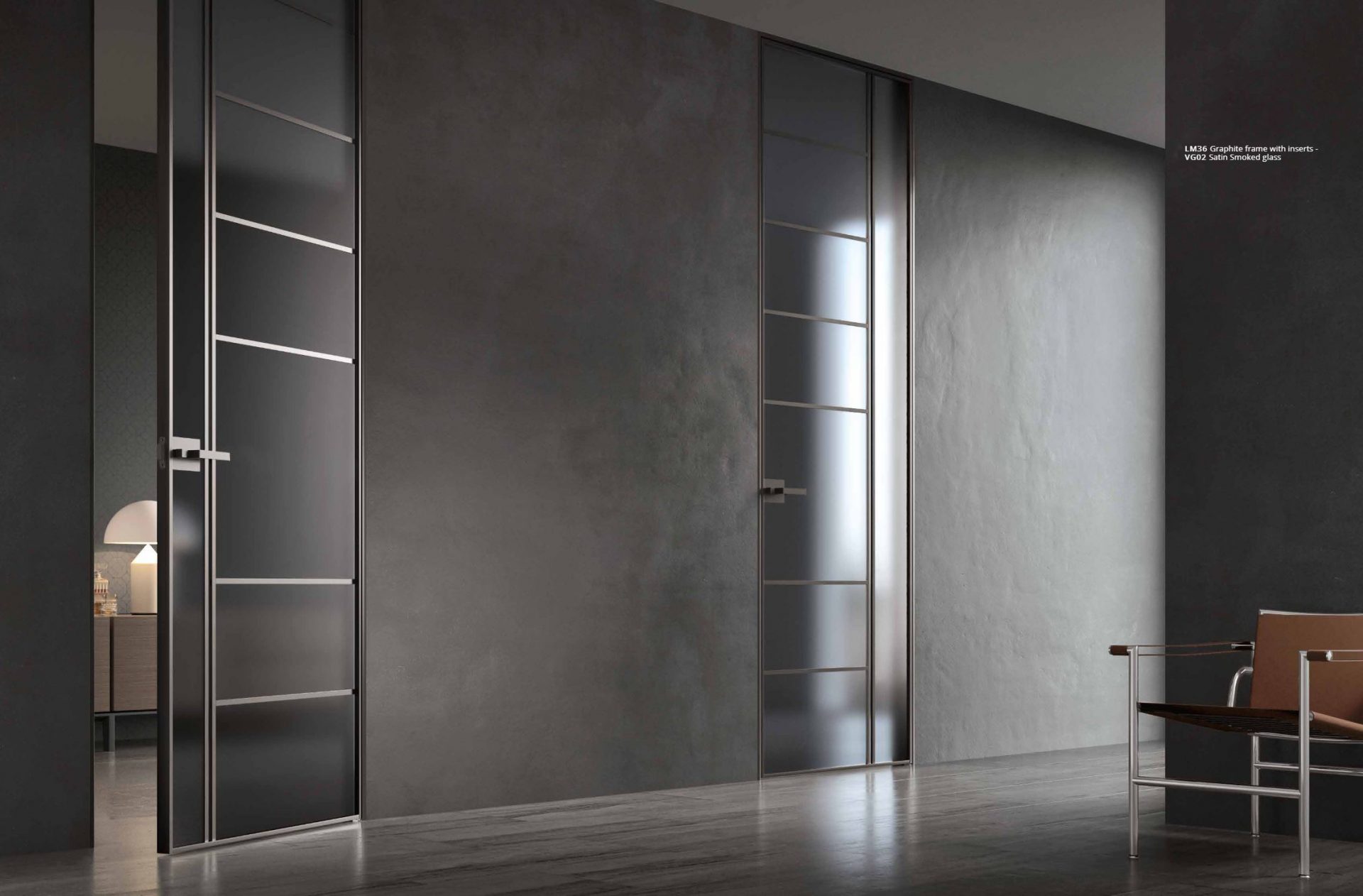
Whether creating minimalist doors, bold shelving systems, or abstract wall compositions, MATERIA’s work shows how Brutalist design can be deeply expressive, rich in narrative, and fully suited to high-end residential and commercial spaces. It is not a rejection of tradition — it is a refinement of it.
Cultural Relevance and Media Influence
The Cinematic Revival: How the 2024 Film “Brutalist” Sparked a Movement
Few works in recent years have done more to revitalize the public’s interest in Brutalist interior design than the 2024 art-house film Brutalist. Directed by a noted visual auteur and praised for its haunting cinematography, the film is not just a narrative but an architectural experience.
Every frame of Brutalist was a masterclass in spatial tension — showcasing monumental interiors, weighty silence, and the psychological interplay between space and self. The film’s unapologetically stark settings — featuring raw concrete walls, geometric voids, and almost monastic minimalism — resonated deeply with design-conscious viewers and tastemakers alike.
Post-release, social media platforms were flooded with screenshots of the film’s interiors, tagged with terms like #brutalistdesign, #architecturalaesthetic, and #minimalistluxury, introducing the philosophy to a broader, younger, and more visually literate audience.
Brutalism in Pop Culture, Fashion, and Visual Art
The influence of Brutalism today is not limited to architecture and interiors. Across the cultural spectrum — from fashion to digital art — we are seeing a reawakening of Brutalist principles.
In fashion, designers are turning to structured silhouettes, heavy textiles, and architectural forms. Collections inspired by Brutalism emphasize weight, restraint, and craftsmanship — shifting away from the fast, ornamental trends of the 2010s.
Visual artists, particularly those in sculpture and installation, are echoing Brutalist ideals by working with concrete, plaster, and industrial materials in raw form. These works are not polished for aesthetic consumption; they are visceral, heavy, and intentional — paralleling the emotional density of Brutalist spaces.
Even in web and graphic design, there’s a noticeable trend toward “brutalist websites” — intentionally sparse layouts with stark typography and raw UX elements. The message? Strip away the gloss, and let the content speak for itself.
Challenges and Misconceptions
Despite its resurgence in design discourse, Brutalist interior design remains one of the most misunderstood styles — often mischaracterized, misused, or simply dismissed by those unfamiliar with its deeper principles.
The Misuse of the Term “Brutalist” in Popular Media
Today, the term “Brutalist” is frequently used to describe anything gray, blocky, or minimal — often with no regard for its architectural origins or cultural context.
Social media posts might label a concrete kitchen counter as Brutalist. A monochrome living room with steel shelves might be tagged the same. But true Brutalism is not about aesthetics alone — it is about intent, material philosophy, and structural expression.
When the term is used loosely or inaccurately, the style becomes a caricature rather than a statement — robbing it of its conceptual and historical power.
Brutalism Is Not the Same as Industrial or Cold Minimalism
One of the most common misconceptions is the conflation of Brutalism with industrial or cold minimalist styles. While these aesthetics may share certain visual cues — exposed pipes, neutral tones, metal finishes — they differ radically in philosophy and application.
- Industrial design draws from factories and warehouses — with an emphasis on raw utility, vintage charm, and improvisation.
- Minimalism, especially modern minimalism, tends to focus on lightness, airiness, and visual tranquility.
In contrast, Brutalism is grounded in mass, form, and structure. It values solidity over transparency, weight over openness, and truth over aesthetic illusion. A Brutalist space may feel sparse, but it is never hollow.
| Design Style | Philosophy | Common Materials | Mood / Feel |
|---|---|---|---|
| Brutalism | Function, honesty, structure | Concrete, stone, raw wood, metal | Bold, grounded, sculptural |
| Industrial | Repurposing, utility, vintage charm | Brick, metal, aged wood, glass | Edgy, retro, utilitarian |
| Minimalism | Clarity, calm, simplicity | Light woods, white walls, clean surfaces | Serene, airy, restrained |
Transform Your Space with MATERIA Collection
Experience the raw beauty and refined craftsmanship of Brutalist-inspired furniture and bespoke surfaces at MATERIA Collection. Our Italian-designed, custom creations bring authenticity and modern luxury to your home, blending the elemental power of Brutalism with artisanal elegance.