


Few design elements have stood the test of time quite like boiserie, the exquisite wood paneling technique that has graced interiors for centuries. Originating in France between the 17th and 18th centuries, boiserie became synonymous with sophistication and luxury, adorning the walls of palaces, aristocratic residences, and grand estates. Its meticulously crafted wooden panels, often featuring intricate carvings, moldings, and embellishments, created an ambiance of refinement and timeless beauty.
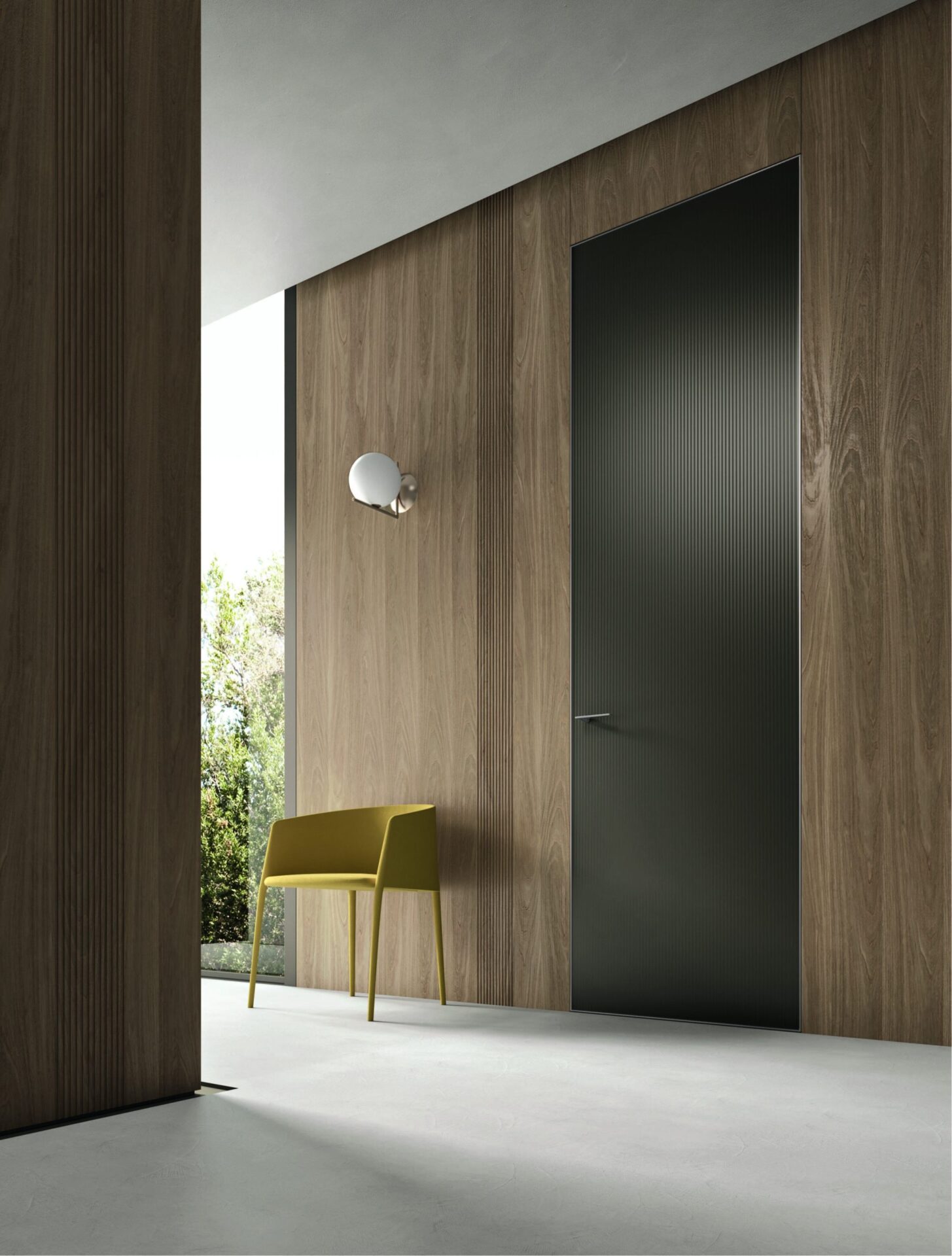
The History of Boiserie: A Legacy of Elegance
The Rococo Period and the Rise of Boiserie
The origins of boiserie can be traced back to the grand palaces of France, where it became a defining element of interior decoration. The 17th and 18th centuries marked the golden age of boiserie, particularly during the Rococo period, when interior design embraced intricate details, soft curves, and elaborate ornamentation. This era saw a shift from the rigid symmetry of Baroque architecture to a more fluid, decorative approach that emphasized lightness and elegance.
The walls of grand salons, libraries, and private chambers were transformed into works of art, reflecting the social status and refined taste of their owners. Gold leaf, pastel hues, and painted details were frequently added to enhance the richness of the design.
One of the most famous examples of Rococo boiserie can be found in the Palace of Versailles, where the walls of private apartments and reception rooms were adorned with exquisitely carved wooden panels. These panels were not merely decorative; they framed mirrors, integrated with hidden doors, and even concealed storage spaces, demonstrating the functionality of this sophisticated design technique.
Boiserie as a Symbol of Aristocratic Luxury
Beyond its aesthetic appeal, boiserie became a representation of wealth and social standing. The complexity of the carvings and the quality of the wood used were indicators of the homeowner’s affluence. Skilled artisans, often trained in the finest workshops of Paris, were commissioned to create bespoke paneling that reflected the grandeur of the era. The most opulent designs featured gilded accents, marquetry inlays, and hand-painted details that brought a sense of artistry to the walls.
This level of craftsmanship was not accessible to everyone. Boiserie was a luxury reserved for royalty and the upper class, and its presence in a home signaled a refined appreciation for the arts. As a result, the technique became deeply intertwined with the history of European aristocracy, adorning the residences of kings, noble families, and high-ranking officials.
The Evolution of Boiserie in Modern Homes
While boiserie reached its peak during the 18th century, it never truly faded from the design landscape. With the decline of monarchy and the rise of new architectural movements, interior decoration saw shifts toward more restrained styles. However, the 19th and 20th centuries witnessed a revival of classical design elements, including boiserie, particularly in luxury homes and grand establishments.

In the modern era, boiserie has been reinterpreted to suit contemporary tastes. Designers have adapted it for sleek, minimalist interiors by using simpler paneling, neutral tones, and innovative materials. No longer limited to historic estates, boiserie now enhances both traditional and contemporary spaces, bringing depth and character to walls. Advances in technology have made it possible to create customizable panels with various finishes, allowing for greater flexibility in interior styling.
Despite these modern adaptations, one thing remains unchanged: the prestige of handcrafted boiserie. Whether in its classic or modern form, this wood paneling technique continues to be a symbol of timeless elegance, proving that true craftsmanship never goes out of style.
Boiserie in Contemporary Spaces
A Versatile Design Element for Modern Interiors
Although historically associated with grand European estates, boiserie has evolved into a highly adaptable design feature that seamlessly integrates into contemporary interiors. Thanks to advancements in materials, finishes, and installation techniques, this once-traditional wood paneling now complements modern apartments, luxury penthouses, boutique hotels, and high-end retail spaces.
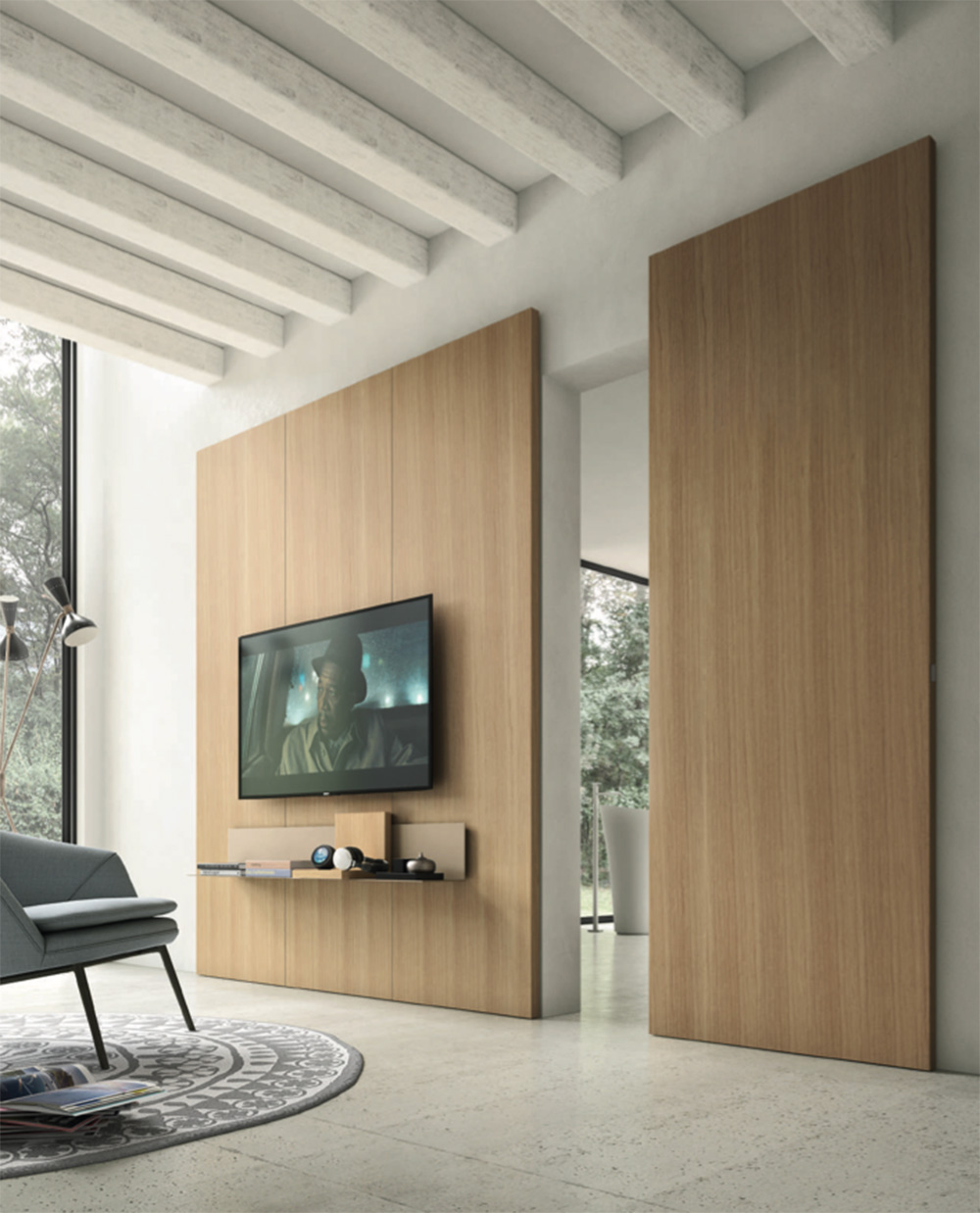
One of the key reasons for boiserie’s enduring popularity is its ability to add texture and depth without overwhelming a space. Unlike the elaborate carvings of Rococo-era paneling, modern boiserie often features sleek, minimalist designs, making it a perfect choice for interiors that embrace clean lines and understated elegance.
Integration into Social and Intimate Spaces
Contemporary interior design has redefined the way boiserie is used, extending its application beyond grand reception halls into cozy living rooms, bedrooms, and even bathrooms. Designers are now utilizing boiserie to create:
- Accent walls in living rooms that add warmth and character without the need for additional décor.
- Seamless paneling in minimalist bedrooms, where subtle grooves and textures enhance the overall aesthetic without overwhelming the space.
- Integrated storage solutions, where boiserie panels conceal built-in wardrobes, shelving, or hidden doors, maintaining a streamlined look.
- Bathroom paneling, using moisture-resistant materials to bring a sense of sophistication to spa-like retreats.
In open-plan apartments and commercial spaces, boiserie also serves as a subtle room divider, visually distinguishing different functional areas without disrupting the flow of the space.
Boiserie’s Adaptability in Minimalist and Contemporary Interiors
Unlike its traditional counterpart, modern boiserie embraces simplicity and versatility. Many contemporary designs feature flat or lightly textured panels, often arranged in vertical or horizontal configurations to enhance spatial perception.
- Vertical panels create the illusion of higher ceilings, making them ideal for modern lofts and compact apartments.
- Horizontal panels lend a sense of width and openness, enhancing the visual expanse of contemporary living spaces.
Newer materials such as lacquered wood, glass, and porcelain-finished panels provide additional design flexibility, allowing boiserie to complement industrial, Scandinavian, and minimalist interiors.
Unlike the elaborate carvings of historical boiserie, modern designs often feature subtle linear grooves, geometric patterns, or matte finishes, ensuring a sophisticated yet contemporary aesthetic.
The Rise of Customized Boiserie in Modern Architecture
Today’s architects and interior designers are increasingly turning to customized boiserie solutions to meet the demands of high-end projects. With advancements in precision cutting, CNC technology, and modular panel systems, boiserie can now be tailored to fit any space, shape, or aesthetic vision.
One of the most exciting innovations in modern boiserie is the ability to integrate it with flush-to-wall frames, creating a seamless, coplanar effect between doors and panels. This not only enhances the visual flow of a room but also contributes to a sense of architectural cohesion.
Furthermore, sustainable wood sourcing and eco-friendly finishes have made it possible to enjoy the luxury of boiserie while adhering to modern environmental standards. Many high-end brands now offer panels in reclaimed wood, bamboo, and FSC-certified materials, ensuring that elegance and sustainability go hand in hand.

A Timeless Craft Reimagined for the Future
The evolution of boiserie from opulent palatial interiors to sleek, contemporary homes is a testament to its universal appeal and design flexibility. Whether used in its traditional carved form or as a modern minimalist statement, boiserie continues to define luxurious interiors across the globe.
With designers and architects pushing the boundaries of materiality and craftsmanship, the future of boiserie remains as promising as its storied past—a timeless craft that adapts, innovates, and endures.
Types of Boiserie: Traditional vs. Modern Paneling
Boiserie has evolved from its classical origins into a highly versatile wall paneling system, offering different configurations to suit various interior aesthetics. Whether used to achieve a historical European charm or a sleek contemporary look, the choice of paneling direction and finishes plays a crucial role in defining the final appearance of a space.
Boiserie – V: The Elegance of Vertical Paneling
Boiserie – V features vertically arranged panels, a design choice that has been widely used in both classic and modern interiors. This orientation is particularly effective in creating the illusion of height, making rooms appear taller and more expansive.
Applications and Benefits of Boiserie – V
- Enhancing Ceiling Height: Vertical lines naturally draw the eye upward, making spaces with standard or low ceilings feel more open and grand.
- Traditional and Formal Settings: Historically, vertical boiserie was commonly seen in stately homes, libraries, and reception halls, adding a sense of grandeur and aristocratic elegance.
- Contemporary Adaptation: In modern spaces, sleek vertical panels can be used to create monolithic wall features, especially when paired with matte lacquers or minimalistic grooves.
- Seamless Integration: Vertical boiserie aligns well with doors, tall windows, and architectural columns, maintaining a cohesive and structured aesthetic.
- Textured Depth: Even in monochromatic or minimalist interiors, vertical boiserie adds texture and dimension, preventing large walls from feeling plain or uninspired.
Boiserie – H: The Sophistication of Horizontal Paneling
Unlike its vertical counterpart, Boiserie – H consists of horizontal panels, a design choice that exudes a sense of breadth and spatial continuity. This layout is often preferred in modern and transitional interiors for its ability to create a more relaxed, expansive atmosphere.
Applications and Benefits of Boiserie – H
- Widening Narrow Spaces: Horizontal boiserie is particularly effective in elongating rooms and hallways, making compact areas feel wider and more open.
- Understated Elegance: In contemporary settings, horizontal paneling offers a sleek and seamless look, often used in executive offices, luxury hotels, and high-end retail spaces.
- Integrated Functionality: Many modern paneling systems incorporate hidden storage, built-in LED lighting, or flush-to-wall doors, seamlessly blending function with aesthetics.
- Minimalist Appeal: Horizontal boiserie often features subtle grooves, linear textures, and soft finishes, making it ideal for modern Scandinavian, industrial, or Japandi-inspired interiors.
- Visual Stability: In rooms with high ceilings, horizontal paneling helps to anchor the design, ensuring a balanced and harmonious look.
How Finishes Influence the Aesthetic Appeal of Boiserie
Regardless of the paneling orientation, the choice of finish significantly impacts the overall ambiance of an interior. Different textures, colors, and surface treatments can transform the same boiserie system into either a classical masterpiece or a modern architectural statement.
- Rich Wood Finishes evoke the warmth and grandeur of classic boiserie. Dark-stained walnut or mahogany enhances traditional spaces, while lighter oak finishes create an inviting atmosphere.
- Lacquered Panels (Matte & Glossy) bring a contemporary edge. Matte lacquer offers subtle sophistication, whereas glossy lacquer reflects light beautifully, adding a luxurious sheen.
- Special Finishes (Porcelain, Stone, Fabric, and Glass) push the boundaries of modern boiserie, making it suitable for high-end hotels, offices, and avant-garde residential designs.
- Primed Finishes provide ultimate customization, allowing homeowners and designers to paint, wallpaper, or texture the panels according to their vision.
By carefully selecting the orientation and finish of boiserie panels, interiors can be tailored to achieve the perfect balance between timeless tradition and modern innovation.
| Feature | Description | Ideal For |
|---|---|---|
| Boiserie Origins | A decorative wood paneling technique developed in France during the 17th and 18th centuries. | Classic European mansions, historical restorations. |
| Types | Boiserie – V: Vertical panels for height illusion. Boiserie – H: Horizontal panels for width perception. | Apartments, luxury homes, office spaces. |
| Installation Methods | Boiserie “Tech”: Modular system with hidden clips, allowing easy panel removal. Boiserie “Light”: Flush-to-wall system for a seamless, minimalist look. | Modern interiors, commercial spaces, high-end residences. |
| Material Options | Wood: Oak, walnut, mahogany for classic elegance. Special Finishes: Lacquered, porcelain, stone, fabric for a modern touch. | Luxury apartments, boutique hotels, contemporary homes. |
| Functional Benefits | – Enhances acoustics and insulation. – Conceals wall imperfections, cables, and pipes. – Increases property value with high-end aesthetics. | Home theaters, executive offices, high-value properties. |
| Customization | – Available in various finishes and textures. – Can integrate hidden doors, lighting, and storage. – Custom color and pattern options available. | Bespoke luxury interiors, personalized designs. |
| Trendy Applications | – Hybrid designs with metallic and LED inlays. – Eco-friendly boiserie using FSC-certified wood. – Flush panels for minimalist architectural aesthetics. | High-end retail, ultra-modern residential projects. |
Materials and Finishes: Crafting the Perfect Boiserie Look
The durability, elegance, and adaptability of boiserie are largely determined by the materials used in its construction. Traditionally crafted from solid hardwoods, modern advancements have introduced more versatile and sustainable options like Okoumè multilayer wood, which offers exceptional resilience without compromising on aesthetics.
The Strength and Durability of Okoumè Multilayer Wood
Okoumè wood, a premium hardwood sourced from Central Africa, has become a preferred choice for luxury boiserie panels due to its:
- Exceptional Stability: Unlike solid wood, multilayer Okoumè panels are engineered to resist warping, swelling, or cracking, making them ideal for humidity-prone environments like bathrooms and kitchens.
- Lightweight Structure: Despite its durability, Okoumè is relatively lightweight, allowing for easier installation and handling, particularly in large-scale commercial projects.
- Smooth Surface Finish: The fine grain of Okoumè provides a flawless base for lacquered, stained, or primed finishes, ensuring a seamless and elegant final appearance.
- Eco-Friendly Composition: Many high-end manufacturers source FSC-certified Okoumè, making it a sustainable option for environmentally conscious designers and homeowners.
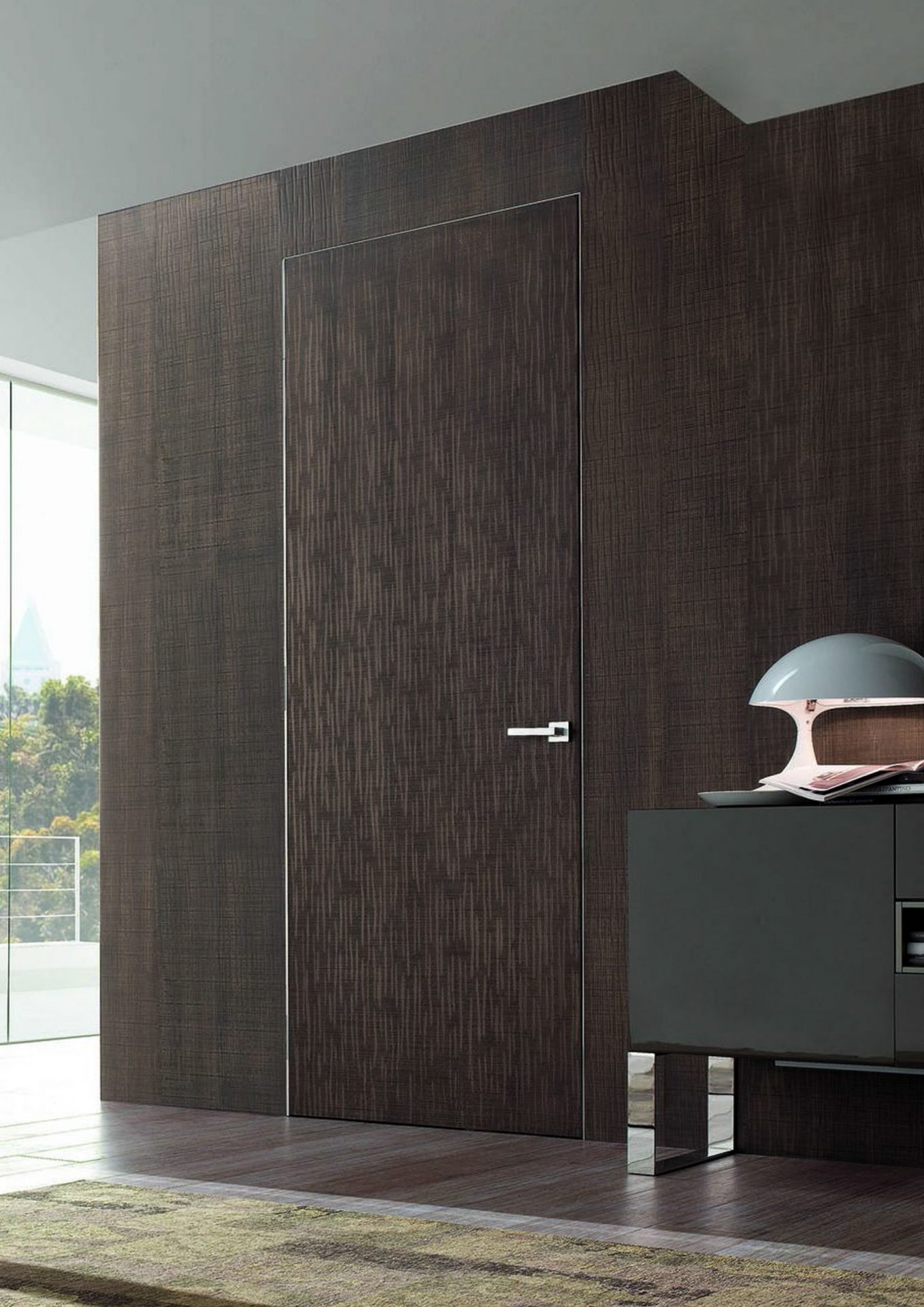
A Wide Array of Finishes for Every Design Style
Boiserie is highly customizable, with a range of finishes that cater to different aesthetic preferences and functional needs.
1. Natural Wood Finishes: A Classic and Rustic Appeal
For those seeking an authentic, organic look, natural wood finishes highlight the inherent grain patterns and warm tones of the material. These finishes are particularly suited for:
- Traditional estates and heritage properties, where rich oak, walnut, or mahogany panels evoke old-world elegance.
- Rustic and farmhouse-style interiors, where the natural imperfections of wood contribute to a cozy, lived-in aesthetic.
- Timeless home libraries and offices, where dark wood paneling exudes intellectual sophistication.
2. Lacquered Panels: Matte vs. Glossy Elegance
Lacquered boiserie panels introduce a more polished and modern aesthetic, with finishes that range from soft matte to high-gloss reflective surfaces.
- Matte Lacquer: Offers a subtle, understated elegance, perfect for minimalist and contemporary interiors. It reduces glare and provides a velvety, smooth touch.
- Glossy Lacquer: Adds drama and luxury, often seen in high-end boutique hotels and modern penthouses. The reflective surface enhances natural and artificial lighting, creating a sense of spaciousness.
3. Special Finishes: Pushing the Boundaries of Boiserie
For avant-garde interiors, boiserie panels can be enhanced with specialty finishes that elevate their tactile and visual impact:
- Porcelain and Stone Finishes: Introduce a textural contrast that merges classic paneling with modern architectural elements. These are popular in high-end commercial spaces and contemporary residences.
- Fabric-Wrapped Panels: Provide acoustic benefits while adding a soft, upholstered effect, often used in cinema rooms, luxury hotels, and intimate lounge areas.
- Glass Inlays and Metallic Accents: Modern boiserie can incorporate lacquered glass, brushed metal, or decorative inlays, creating a fusion of traditional craftsmanship and futuristic aesthetics.
4. Primed Finishes: The Ultimate Customization Option
For those who desire full creative control, primed boiserie panels offer a blank canvas ready to be:
- Painted in custom colors to match a specific interior palette.
- Wallpapered or stenciled to introduce intricate patterns and textures.
- Treated with unique decorative techniques, such as Venetian plaster or gold leaf accents.
By choosing the right material and finish, boiserie transforms from a mere architectural feature into a bespoke statement piece that enhances both classic and contemporary interiors.
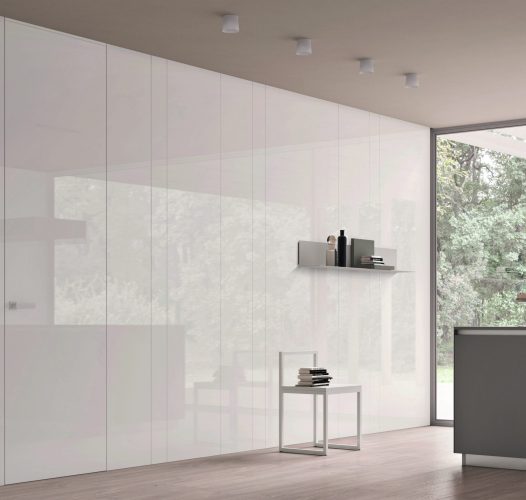
Functional Benefits of Boiserie Beyond Aesthetics
Boiserie is often admired for its visual impact, but its benefits go far beyond mere decoration. This wall paneling technique provides functional advantages that improve sound insulation, thermal efficiency, and property value, making it a practical investment for luxury interiors.
1. Superior Sound and Thermal Insulation
Boiserie panels, especially those crafted from high-quality multilayer wood, serve as natural insulators that enhance both acoustic and thermal performance.
Soundproofing Benefits
- The dense wood structure absorbs sound waves, reducing echoes and unwanted noise reflections in large spaces.
- Boiserie is frequently used in home theaters, recording studios, and executive boardrooms to ensure optimal acoustics.
- Fabric-wrapped or upholstered boiserie further enhances sound absorption, creating a more comfortable auditory experience in open-plan interiors.
Thermal Regulation
- Wooden panels provide an additional layer of insulation, helping to maintain indoor temperatures by reducing heat transfer through walls.
- Homes with boiserie tend to experience less temperature fluctuation, making heating and cooling more energy-efficient.
- In colder climates, boiserie retains warmth, making rooms cozier and more comfortable during winter months.
2. Concealing Wall Imperfections, Cables, and Pipes
One of the practical benefits of boiserie is its ability to hide structural flaws while maintaining a sleek, polished look.
- Uneven walls, cracks, or blemishes can be effortlessly covered, eliminating the need for extensive wall repairs or plastering.
- Boiserie provides a discreet way to conceal electrical wiring, plumbing, and HVAC ducts, particularly in modern smart homes where integrated technology is essential.
- Built-in LED lighting, climate control panels, and concealed storage compartments can be seamlessly incorporated into the boiserie system, enhancing both functionality and aesthetics.
3. Enhancing Room Acoustics in Luxury Homes and Commercial Spaces
Boiserie is widely used in luxury hospitality, retail, and office spaces for its ability to improve both sound quality and ambiance.
- Boutique hotels and spas use boiserie paneling to create a serene, tranquil environment by reducing ambient noise.
- High-end restaurants install boiserie to prevent sound reflections, ensuring a more intimate dining experience.
- Corporate offices and co-working spaces benefit from improved speech intelligibility, fostering a more productive work atmosphere.
4. Increasing Property Value with Elegant Interior Upgrades
Beyond its aesthetic and functional advantages, boiserie is a valuable long-term investment that enhances a property’s marketability.
- Luxury buyers associate boiserie with high-end craftsmanship, making homes with paneling more desirable.
- Historical and classical homes with well-preserved boiserie command higher resale prices due to their architectural significance.
- In modern real estate, premium finishes such as custom boiserie paneling add a touch of exclusivity that appeals to discerning buyers.
Boiserie in High-End Interior Design: Inspiring Examples
Boiserie has long been associated with luxury, sophistication, and craftsmanship, making it a defining feature in some of the world’s most exquisite interiors.
1. Luxury Apartments and Mansions
- Parisian penthouses: Feature soft gray or white boiserie with intricate moldings, creating an elegant yet modernized classical look.
- New York luxury lofts: Utilize boiserie in bold lacquered finishes, merging historical craftsmanship with contemporary design trends.
- Beverly Hills mansions: Incorporate gold-accented paneling in grand entrance halls, adding a regal aesthetic.
2. High-End Hotels and Restaurants
- Boutique hotels in Milan and London integrate boiserie with textured finishes, such as velvet panels or brushed brass inlays, offering a sensory-rich experience.
- Michelin-starred restaurants use wood-paneled walls to enhance acoustics, ensuring a refined and intimate dining environment.

3. Custom Boiserie in High-End Furniture Collections
- Luxury brands such as Laurameroni and Materia Collection offer bespoke paneling solutions, designed to complement high-end furnishings and architectural elements.
- Boiserie wardrobes, integrated sideboards, and hidden bar units are becoming increasingly popular in ultra-luxury residences.
If you are looking to elevate your interiors with the refined beauty of boiserie, now is the perfect time to explore customized paneling solutions that match your aesthetic and functional needs. Whether you envision classic wood-carved elegance or modern flush-to-wall designs, expert craftsmanship ensures that each panel is tailored to perfection.
For inquiries about bespoke boiserie designs, customization options, and professional installation, reach out to a luxury interior specialist or premium wood paneling manufacturer today.