

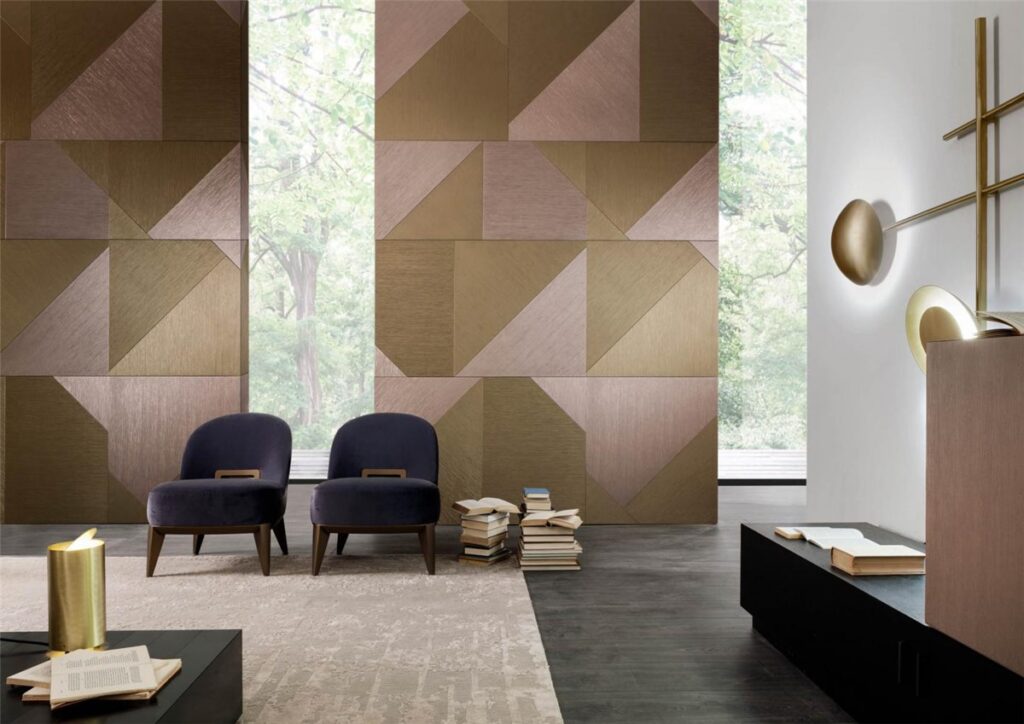
The Art Deco movement, which emerged in the 1920s and flourished through the 1930s, was a celebration of modernity, luxury, and artistic expression. Inspired by industrial advancements and cultural shifts of the era, Art Deco reflected a world captivated by progress and opulence. It drew influences from Cubism, Futurism, and Bauhaus, incorporating bold geometric patterns, rich colors, and high-end materials to create interiors that were as glamorous as they were forward-thinking.
Characterized by sleek lines, symmetry, and decorative opulence, Art Deco rejected the ornate, organic forms of Art Nouveau in favor of a streamlined, sophisticated aesthetic. The movement’s signature look included metallic accents, polished wood, mirrored surfaces, and plush textiles—elements that exuded exclusivity and modern refinement. From Parisian salons to New York’s skyscrapers, Art Deco was a defining force in architecture, furniture, and interior design.
Why Art Deco is Making a Comeback in Contemporary Luxury Spaces
In an age where digital culture and rapid innovation dominate daily life, there has been a growing appreciation for nostalgia in design. Homeowners and designers alike are gravitating toward styles that offer a sense of history, craftsmanship, and timeless appeal—qualities that Art Deco embodies effortlessly.
Unlike minimalist aesthetics, which often emphasize restraint, Art Deco’s bold patterns, rich textures, and dramatic contrasts provide an immersive visual and sensory experience. This return to ornate detailing and refined opulence is a reaction against the impersonal, mass-produced aesthetics of many contemporary spaces. Art Deco brings personality, depth, and grandeur—qualities that evoke the glamour of a bygone era while remaining thoroughly modern.
Additionally, the resurgence of vintage luxury trends in fashion, art, and film has further fueled the demand for Art Deco-inspired interiors. From Hollywood’s love affair with 1920s and 1930s aesthetics to the revival of speakeasy-inspired bars and lounges, there is a cultural shift toward embracing the past while redefining it for modern living.

The Demand for Glamorous Home Styling in Luxury Real Estate and Hospitality
Luxury homeowners and hoteliers are seeking interior designs that exude exclusivity and timeless sophistication, and Art Deco delivers on both fronts. Unlike industrial or Scandinavian minimalism, which prioritize simplicity, Art Deco is about curating an environment of grandeur and intrigue.
Several factors contribute to the increased demand for glamorous Art Deco interiors in high-end properties:
- The luxury real estate market favors statement interiors: High-end properties are increasingly incorporating Art Deco-inspired elements such as ornate chandeliers, lacquered finishes, and geometric tilework to attract buyers who want more than just functional living spaces.
- Hotels and boutique resorts are embracing Art Deco aesthetics: From the Ritz Paris to The Carlyle in New York, luxury hotels are reviving Art Deco’s sumptuous materials and dramatic silhouettes to create an atmosphere of timeless elegance and exclusivity.
- Custom craftsmanship and bespoke design solutions: Art Deco’s signature use of handcrafted details and high-quality materials aligns with the modern desire for one-of-a-kind, artisanal interiors.
This demand for bespoke, luxurious environments has made Art Deco a go-to aesthetic for today’s elite homeowners, designers, and hospitality brands.
Signature Materials for a Modern Art Deco Aesthetic
The materials used in Art Deco interiors play a fundamental role in creating the opulent, high-end aesthetic that defines the style. Art Deco is about luxury, craftsmanship, and bold contrasts, making the choice of materials essential in achieving its signature look. From sumptuous fabrics to polished metals and exotic woods, every element is carefully curated to evoke glamour and sophistication.
Velvet Upholstery: Luxurious Fabrics in Jewel Tones
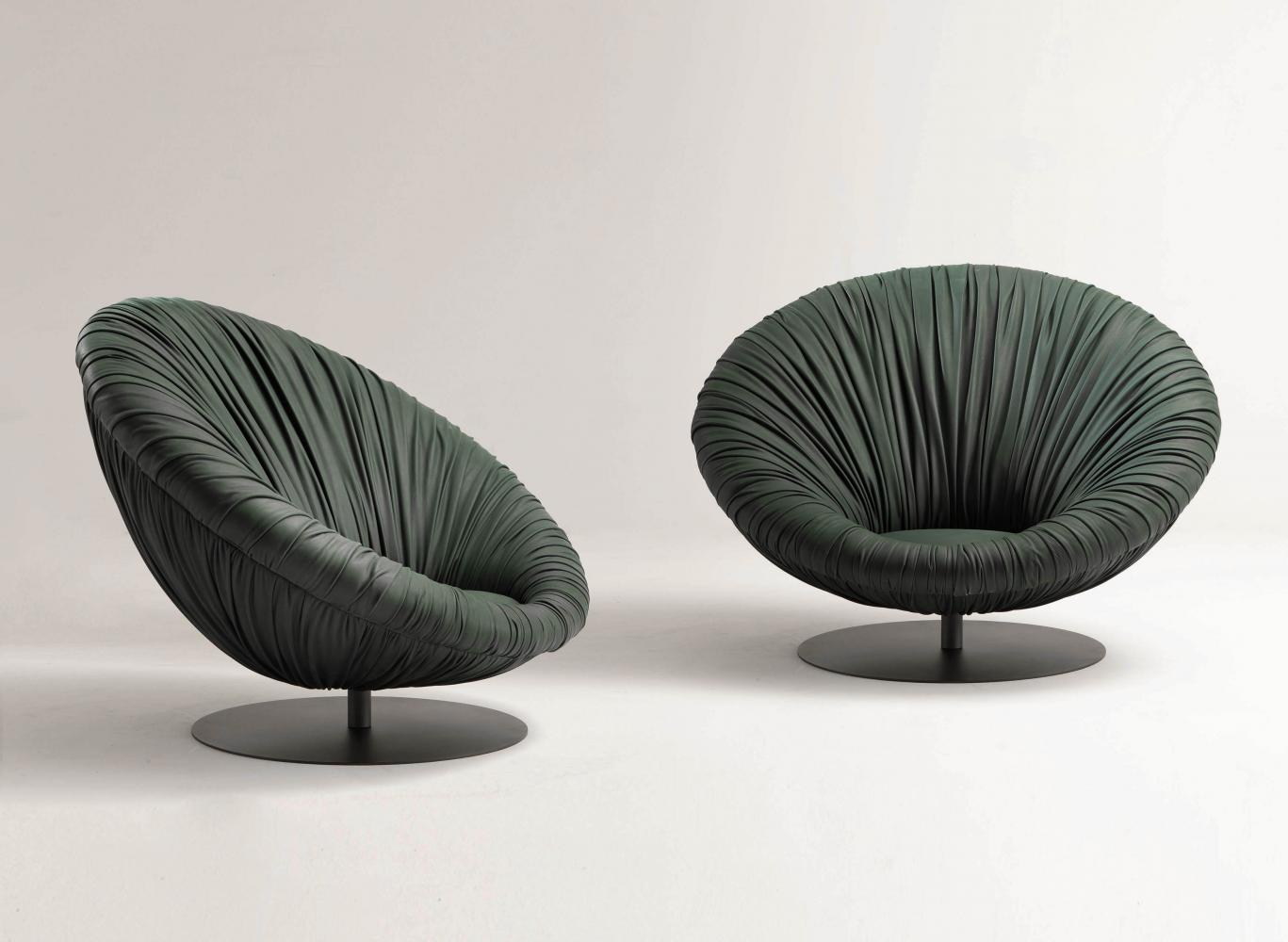
Velvet is synonymous with luxury and indulgence, making it a perfect choice for modern Art Deco interiors. This plush fabric, with its soft texture and light-reflecting properties, enhances the sense of opulence in furniture and décor.
- Jewel tones are essential in Art Deco interiors, as they provide the rich, saturated color palette that defines the style. Deep emerald greens, sapphire blues, and ruby reds are among the most popular choices, bringing depth and drama to the space.
- Velvet upholstery on sofas, armchairs, and headboards instantly elevates the atmosphere, making the room feel lavish and inviting.
- When combined with gold or brass detailing, velvet creates a striking contrast between soft and hard textures, reinforcing the Art Deco aesthetic.
- Modern interpretations often use matte velvet rather than the traditional glossy finish, providing a more contemporary touch while retaining the essence of 1920s luxury.
Velvet is not limited to furniture—drapery, cushions, and even wall panels can be upholstered in velvet to introduce a tactile, sumptuous feel to the room.
Marble and Brass: Creating High-End Luxury Vintage Home Design
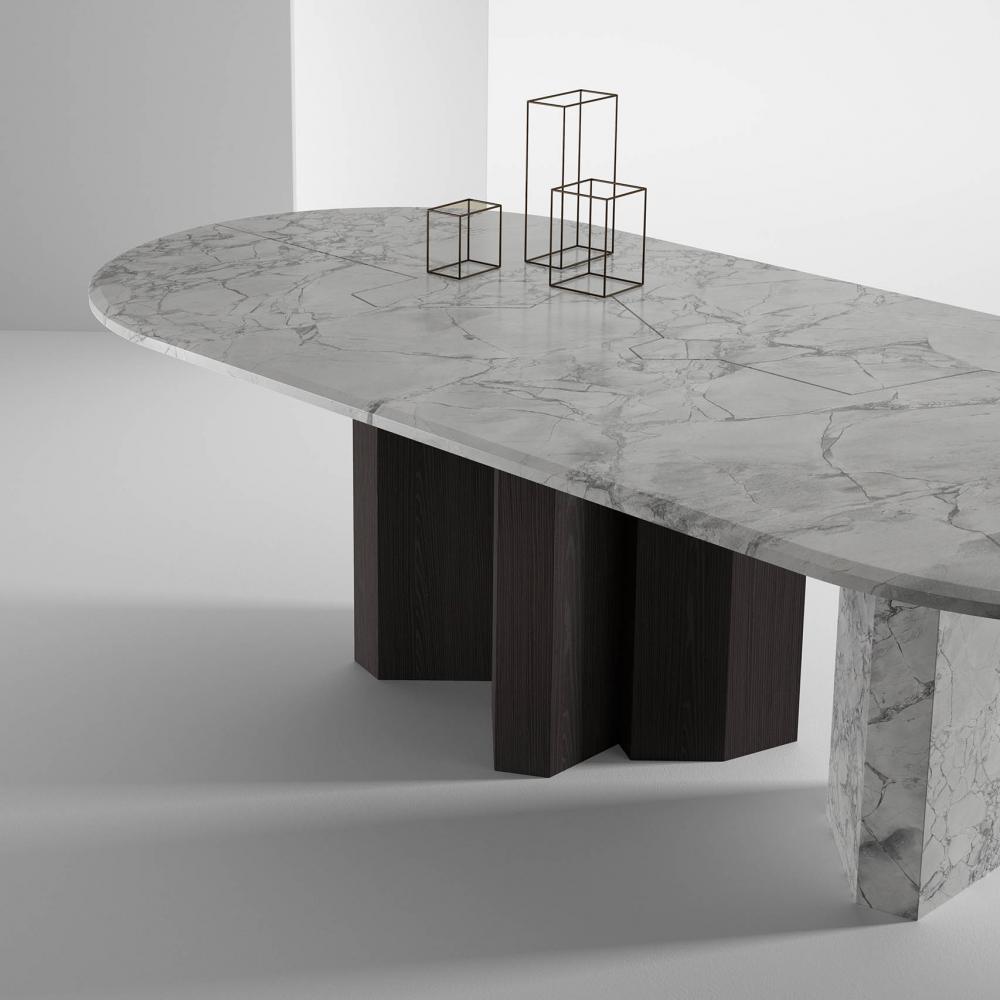
Marble has been a hallmark of luxury interior design for centuries, but in Art Deco interiors, it is a defining material used for flooring, countertops, and decorative accents.
- Black and white marble in chevron or geometric tile layouts is a signature element of Art Deco flooring, creating bold, high-contrast designs.
- Statement pieces, such as dining tables and coffee tables, often feature marble tops with brass or gold-accented bases, combining organic beauty with metallic refinement.
- Green and pink marble were also popular during the original Art Deco period, adding an unexpected yet sophisticated color contrast.
Brass, on the other hand, is used extensively for decorative detailing:
- Brass trim on furniture and cabinetry brings a polished, metallic sheen that enhances the space’s elegance.
- Brass lighting fixtures, including chandeliers and wall sconces, incorporate geometric and streamlined designs, reinforcing the structured look of Art Deco.
- Brass inlays on wood and lacquered furniture create visual interest and highlight the symmetry that Art Deco design is known for.
The combination of cool, smooth marble with the warmth of brass provides a timeless aesthetic that blends vintage glamour with modern sophistication.
Mirrored and Lacquered Surfaces: Enhancing Light and Adding Grandeur
One of the key principles of Art Deco design is creating a sense of space, brightness, and reflection, making mirrored and lacquered surfaces essential elements.
- Mirrored furniture reflects light, making rooms feel larger and more luminous. This effect was widely used in 1920s Hollywood Regency interiors, a style heavily influenced by Art Deco.
- Beveled mirrors with geometric frames serve as statement wall pieces, enhancing the room’s elegance while reinforcing the symmetry that Art Deco values.
- Lacquered finishes on furniture, particularly in deep hues like black, navy, or burgundy, create a high-gloss, ultra-polished look that exudes sophistication.
Today, modern interpretations of Art Deco interiors incorporate mirrored and lacquered surfaces more subtly, balancing them with matte finishes and softer textures for a contemporary feel.
Wood with High-Gloss Finishes: Mahogany, Ebony, and Rosewood for Statement Pieces
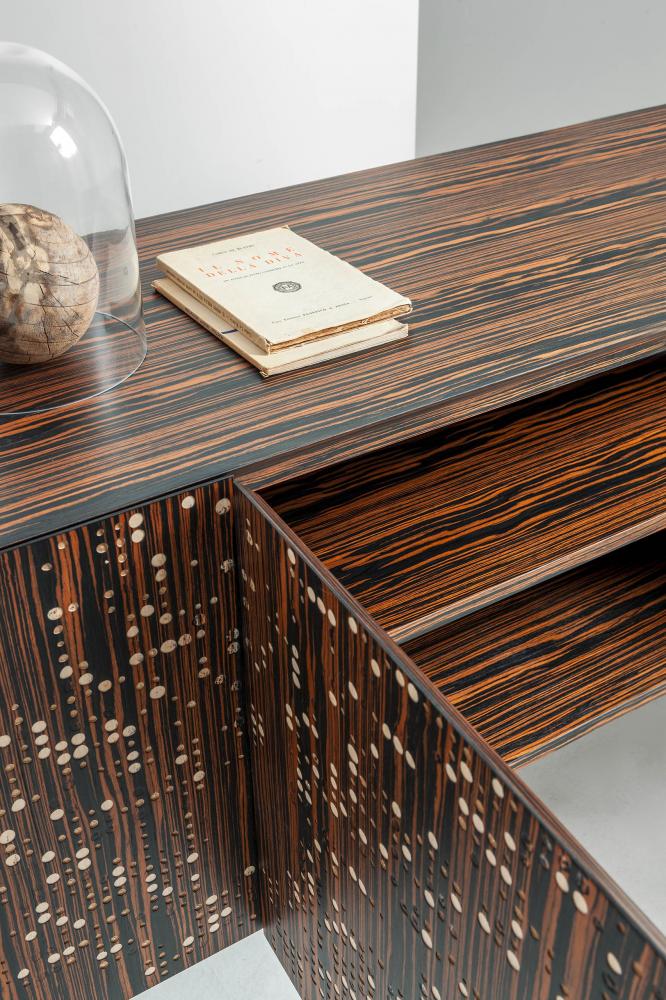
Exotic woods played a major role in original Art Deco interiors, particularly those with dark, dramatic finishes. High-gloss polishing was essential to enhance the natural grain and richness of the wood, making it feel as luxurious as possible.
- Mahogany and rosewood were favored for high-end furniture, paneling, and cabinetry, bringing warmth and sophistication to Art Deco spaces.
- Ebony wood, known for its deep, almost black color, was often used in contrasting patterns with lighter woods, reinforcing Art Deco’s love for bold contrasts.
- High-gloss lacquering was applied to wood surfaces to create a mirror-like finish, emphasizing Art Deco’s obsession with shine and reflection.
Today, designers use sustainably sourced or engineered wood alternatives that replicate the high-gloss, exotic aesthetic of classic Art Deco furniture without the environmental impact.
The Art Deco Color Palette: Bold, Dramatic, and Timeless
Color plays a crucial role in defining the Art Deco aesthetic, as it is one of the most striking elements of this design style. The Art Deco color palette is a carefully curated mix of high-contrast tones, metallic finishes, and rich jewel tones, creating an atmosphere of drama, elegance, and exclusivity.
The Power of Black, Gold, and Silver in Modern Art Deco Furniture
Black, gold, and silver are the signature hues of Art Deco design, representing sophistication, luxury, and grandeur.
- Black acts as a grounding force, providing depth and structure to Art Deco interiors. It is commonly used for lacquered furniture, cabinetry, and decorative trims.
- Gold is the ultimate Art Deco accent, adding warmth and a regal touch. Whether in brass fixtures, gilded mirrors, or metallic-patterned wallpaper, gold is an indispensable part of this aesthetic.
- Silver and chrome create a cooler, more industrial feel, often seen in light fixtures, furniture accents, and sculptural details.
A room that incorporates black, gold, and silver in the right proportions exudes timeless elegance, making it a favorite combination for modern luxury spaces.
Jewel-Toned Accents: Deep Blues, Emerald Greens, and Ruby Reds for Depth
While black and metallic hues provide the foundational structure of Art Deco interiors, jewel-toned colors bring vibrancy and richness to the space.
- Emerald green evokes a sense of wealth and sophistication, making it a popular choice for upholstery, statement walls, and decorative accents.
- Sapphire blue adds depth and a regal touch, often seen in velvet chairs, throw pillows, and artwork.
- Ruby red creates a sense of drama and passion, frequently used in bold accent pieces, patterned rugs, and wall treatments.
These colors, often paired with gold, brass, or dark wood, create a dynamic contrast that defines Art Deco interiors.
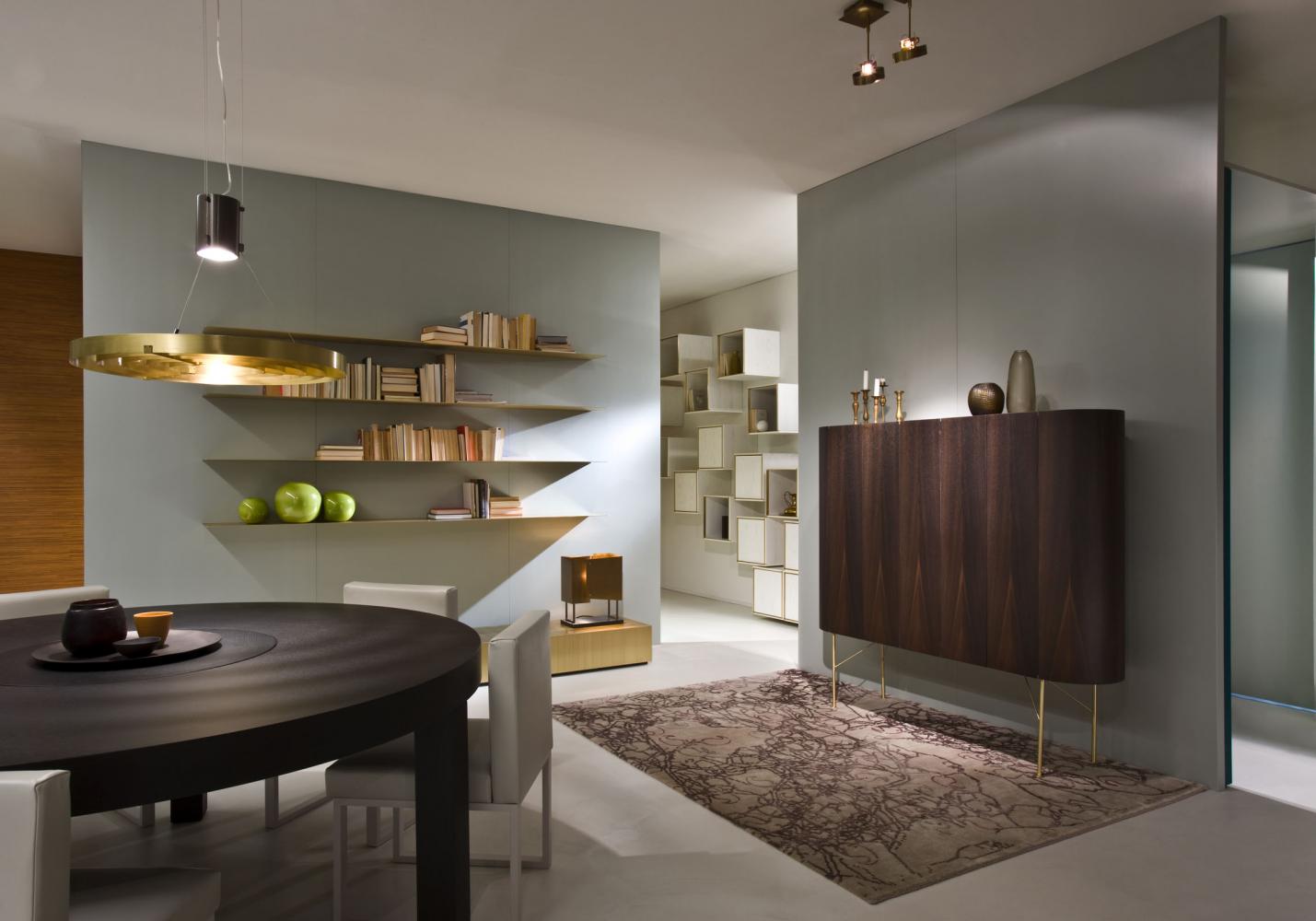
Balancing Boldness with Neutral Backdrops (Cream, Beige, Soft Grays)
To prevent the high-contrast colors and metallic finishes from overwhelming the space, Art Deco interiors often incorporate neutral backdrops to create balance.
- Cream and beige tones soften the boldness of jewel tones, making them ideal for walls, rugs, and larger furniture pieces.
- Soft gray serves as a sophisticated alternative to stark white, providing a subtle contrast that enhances the overall luxurious ambiance.
- These neutrals also help highlight the geometric patterns and rich materials that define Art Deco design.
Modern Art Deco Furniture
Art Deco furniture is bold, sculptural, and meticulously crafted, emphasizing luxurious materials, geometric precision, and intricate detailing. Each piece is designed to command attention, seamlessly blending form and function to create striking yet highly usable interiors.
Sofas with Streamlined Curves and Plush Velvet Upholstery
Art Deco sofas and seating embody both comfort and glamour, often featuring:
- Curved silhouettes that break away from rigid, boxy designs. This curvature softens the bold geometry of Art Deco interiors while maintaining visual fluidity and elegance.
- Plush velvet upholstery in rich jewel tones, such as deep burgundy, emerald green, or sapphire blue, reinforcing the opulent aesthetic of the era.
- Gold, brass, or chrome legs and detailing, which contrast beautifully with the soft fabric, adding an extra layer of refinement.
- Quilted and scalloped patterns on upholstery, inspired by Art Deco’s signature architectural motifs.
Modern designers reimagine Art Deco sofas by incorporating contemporary modular shapes and minimalist interpretations, making them adaptable to today’s luxury living spaces.

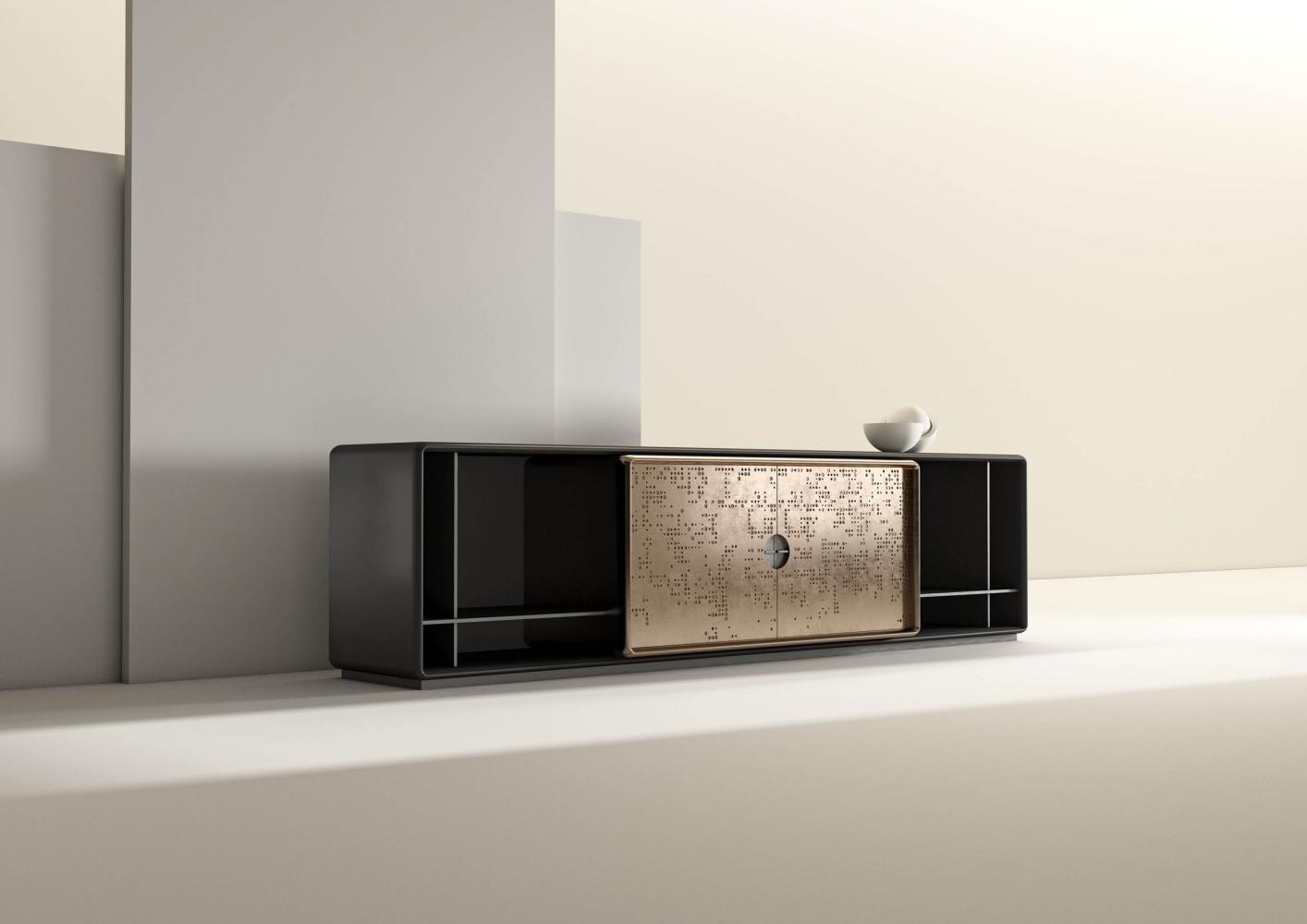
Cocktail Tables and Sideboards with Bold Angles and Metallic Accents
Art Deco coffee tables, sideboards, and dining tables are known for their striking geometry, exotic materials, and decorative inlays.
- Cocktail tables often feature angular metal bases with marble or glass tops, creating a sleek yet ornate appearance.
- Sideboards showcase exotic wood veneers like mahogany and ebony, with gold or brass detailing, making them both functional and decorative.
- Chrome and mirrored elements enhance the sense of light and space, reinforcing Art Deco’s commitment to reflection and shine.
- Geometric patterns are often incorporated into the table legs, inlays, or tabletops, adding layers of visual intrigue.
These furniture pieces are not just utilitarian; they serve as sculptural elements, adding architectural sophistication to the space.
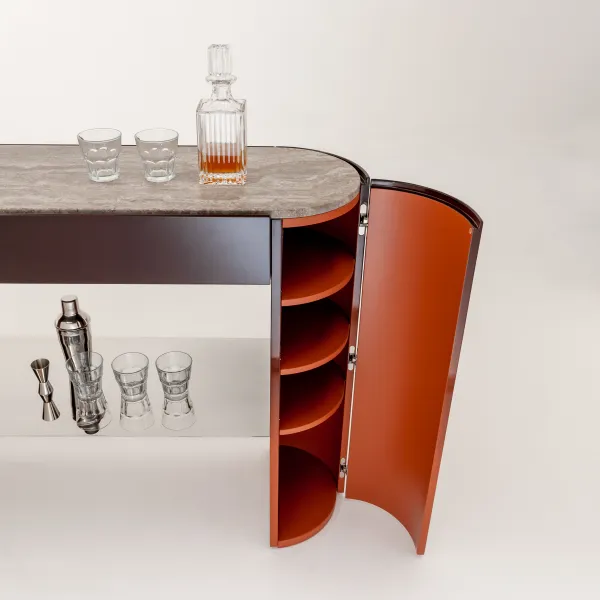
Iconic Art Deco Bar Carts as a Signature of Luxury Living
One of the most iconic symbols of Art Deco luxury is the bar cart, a statement piece that embodies entertaining culture, refinement, and high society living.
- Art Deco bar carts typically feature gold or chrome metal frames with glass or mirrored shelving.
- Geometric and circular designs add an element of visual interest, making them both functional and decorative.
- Wheels and mobile elements enhance practicality, allowing for seamless entertaining in a glamorous setting.
- Accessories like vintage crystal decanters, metallic cocktail shakers, and cut-glass tumblers complete the look, evoking the sophistication of 1920s cocktail culture.
Modern interpretations of Art Deco bar carts incorporate sleeker finishes, marble tops, and minimalist lines, maintaining their vintage charm while suiting contemporary interiors.
Lighting as an Art Deco Masterpiece
Lighting is an essential element of Art Deco interiors, playing a pivotal role in defining the grandeur, symmetry, and opulence that the style embodies. Unlike contemporary lighting, which often prioritizes minimalism, Art Deco lighting is bold, sculptural, and decorative, making it a centerpiece in luxury interiors. Whether through grand chandeliers, geometric pendant lights, or intricate wall sconces, Art Deco lighting serves as both a functional and artistic feature that elevates a space.
Grand Chandeliers and Pendant Lights with Geometric Elements
One of the most recognizable hallmarks of Art Deco lighting is the use of grand chandeliers and pendant lights, often featuring angular, geometric forms, metallic finishes, and glass detailing.
- Geometric chandeliers with sharp angles, tiered structures, and symmetrical patterns evoke the machine-age aesthetic that was integral to 1920s design.
- Step-motif chandeliers, inspired by the architecture of Art Deco skyscrapers, add depth and drama to a space.
- Tiered crystal chandeliers provide a softer interpretation of Art Deco elegance, blending opulence with symmetry.
- Pendant lights in black-and-gold combinations reflect the contrast-heavy design ethos of the movement.
Chandeliers and pendant lights are not just sources of illumination; they command attention and define a room’s aesthetic, making them indispensable in entryways, dining rooms, and high-ceiling living spaces.
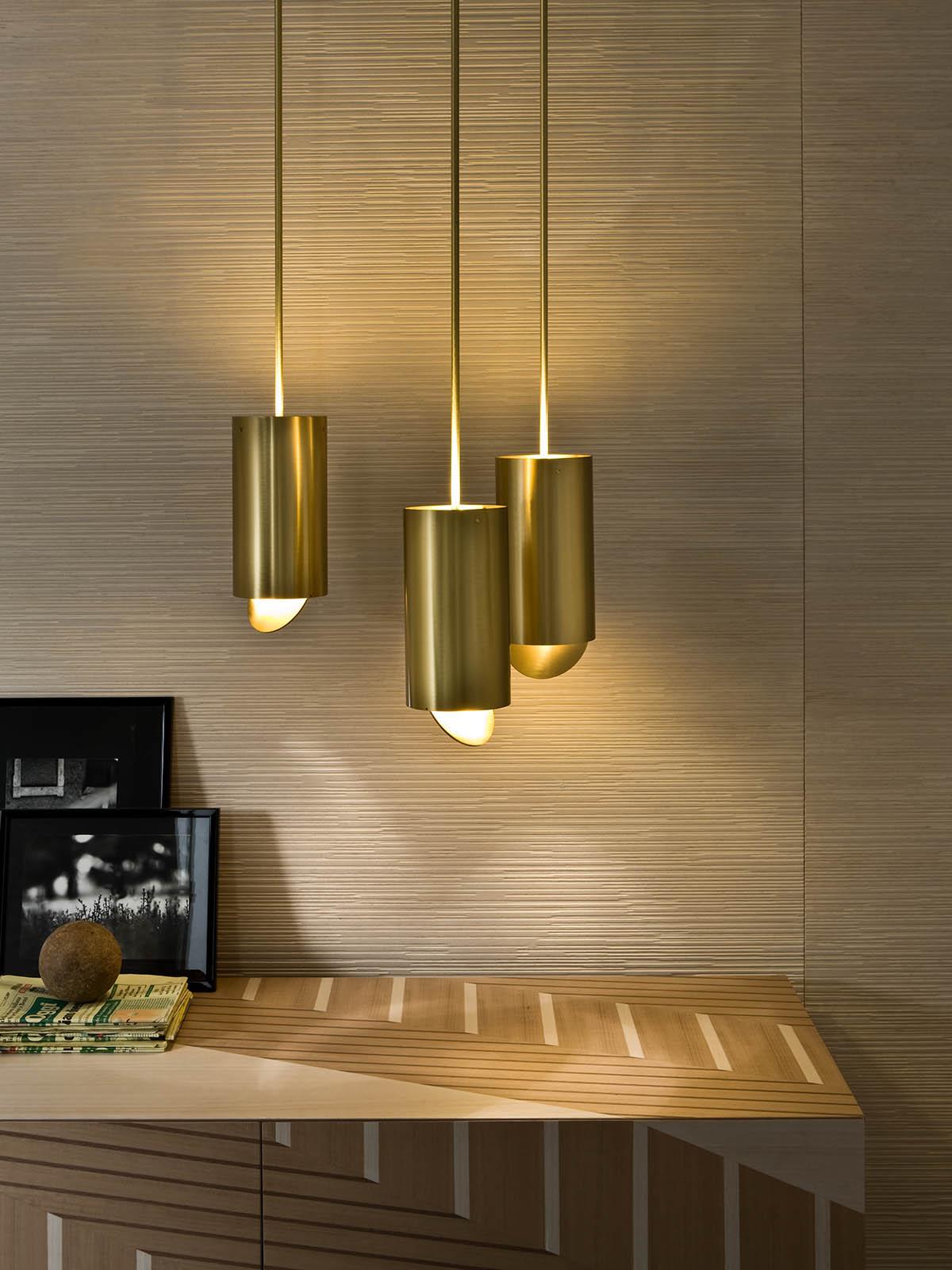
Wall Sconces with Brass, Gold, and Glass Details
Wall sconces in Art Deco interiors are both functional and decorative, used to cast warm ambient lighting while reinforcing the structured aesthetic of the space.
- Brass and gold-finished sconces bring a sense of luxury and timelessness, making them ideal for hallways, bedrooms, and accent walls.
- Frosted glass sconces diffuse light softly, creating an inviting glow that complements the richness of Art Deco materials.
- Symmetrical arrangements of wall sconces flanking mirrors or artworks enhance visual balance, a core principle of Art Deco design.
- Sconces with geometric cutouts project dramatic light patterns onto walls, adding depth and an artistic touch to the space.
By incorporating structured symmetry and luxurious finishes, Art Deco wall sconces serve as elegant architectural details that highlight the opulent atmosphere of the interior.
How Layered Lighting Enhances Elegance and Drama
In Art Deco interiors, lighting is rarely a single-source affair. Instead, designers use layered lighting to enhance both elegance and drama, ensuring that the play of light and shadow amplifies the room’s depth and character.
- Ambient lighting (chandeliers and ceiling fixtures) establishes the overall mood of the space, setting the tone for luxury and grandeur.
- Task lighting (table lamps and sconces) provides focused illumination for reading areas, vanities, and desks, while adding decorative elements to the room.
- Accent lighting (mirrored surfaces and reflective materials) plays an integral role in magnifying space and enhancing visual interest.
- Dimmer switches allow for customization of brightness levels, helping create a dramatic shift from daytime vibrancy to evening sophistication.
By incorporating multiple sources of lighting, Art Deco interiors maintain their layered complexity and timeless glamour, ensuring that no area of the room is left visually dull or uninspired.
Mirrors and Reflective Surfaces: Amplifying Glamour
Mirrors and reflective materials are a crucial part of Art Deco interiors, serving both aesthetic and functional purposes. In addition to enhancing light and creating an illusion of space, they reinforce the movement’s obsession with symmetry, luxury, and visual depth. Whether through oversized mirrors, mirrored furniture, or polished metallic accents, these elements add a heightened sense of glamour and exclusivity to the space.
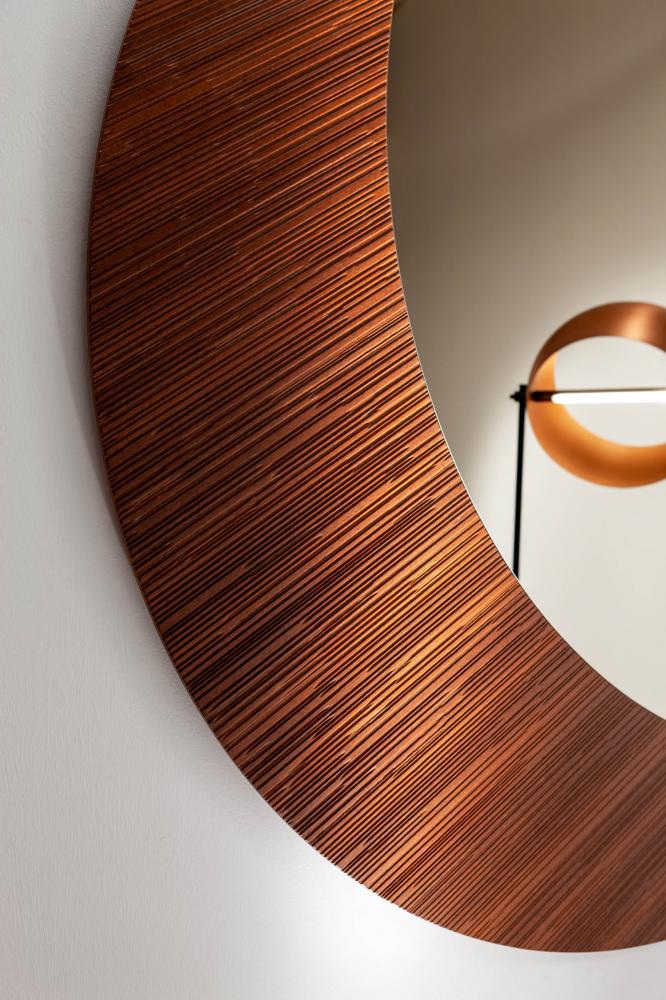
Mirrored Furniture: Dressers, Coffee Tables, and Console Tables
Mirrored furniture was a staple in Art Deco interiors of the 1920s and 1930s, often used to reflect ambient light and reinforce the room’s sense of brightness and luxury.
- Mirrored coffee tables and side tables add a glamorous touch while making living areas feel more open.
- Dressers with mirrored drawers and geometric accents combine practical storage with high-end aesthetics.
- Console tables with reflective surfaces and lacquered finishes work perfectly in hallways, dining rooms, and bedrooms, enhancing the surrounding design elements.
- Bar carts featuring mirrored shelves and gold metal frames embody the entertaining culture and sophistication of the Art Deco era.
Mirrored furniture is especially effective in modern Art Deco interiors, as it blends seamlessly with both traditional and contemporary interpretations of the style.
Reflective Elements That Create Spatial Illusion and Opulence
Beyond mirrors and mirrored furniture, Art Deco interiors also incorporate high-gloss and polished materials to enhance the reflective quality of the space.
- Glass tabletops and metallic inlays amplify the surrounding light, making the room feel brighter and more refined.
- Lacquered cabinetry and polished wood finishes create a glossy, sophisticated look that echoes the luxury of 1920s interiors.
- Metallic wallpaper with gold and silver patterns catches the light beautifully, adding an element of artistic brilliance to walls.
- Crystal and cut-glass accents in lighting fixtures and décor pieces introduce a sparkling, jewel-like effect, enhancing the sense of opulence.
The use of reflective materials ensures that an Art Deco space never feels flat or uninspired, but instead, maintains its sense of drama, grandeur, and exclusivity.
Bringing Art Deco to Life with Materia Collection
For those seeking to incorporate authentic Art Deco elements into their interiors, Materia Collection offers the perfect fusion of heritage and contemporary craftsmanship.
Elevate your space with the timeless elegance of Art Deco, and explore how Materia Collection is redefining the movement for a new era of luxury interiors.
Browse the latest Art Deco revival trends and bring sophistication into your home today.