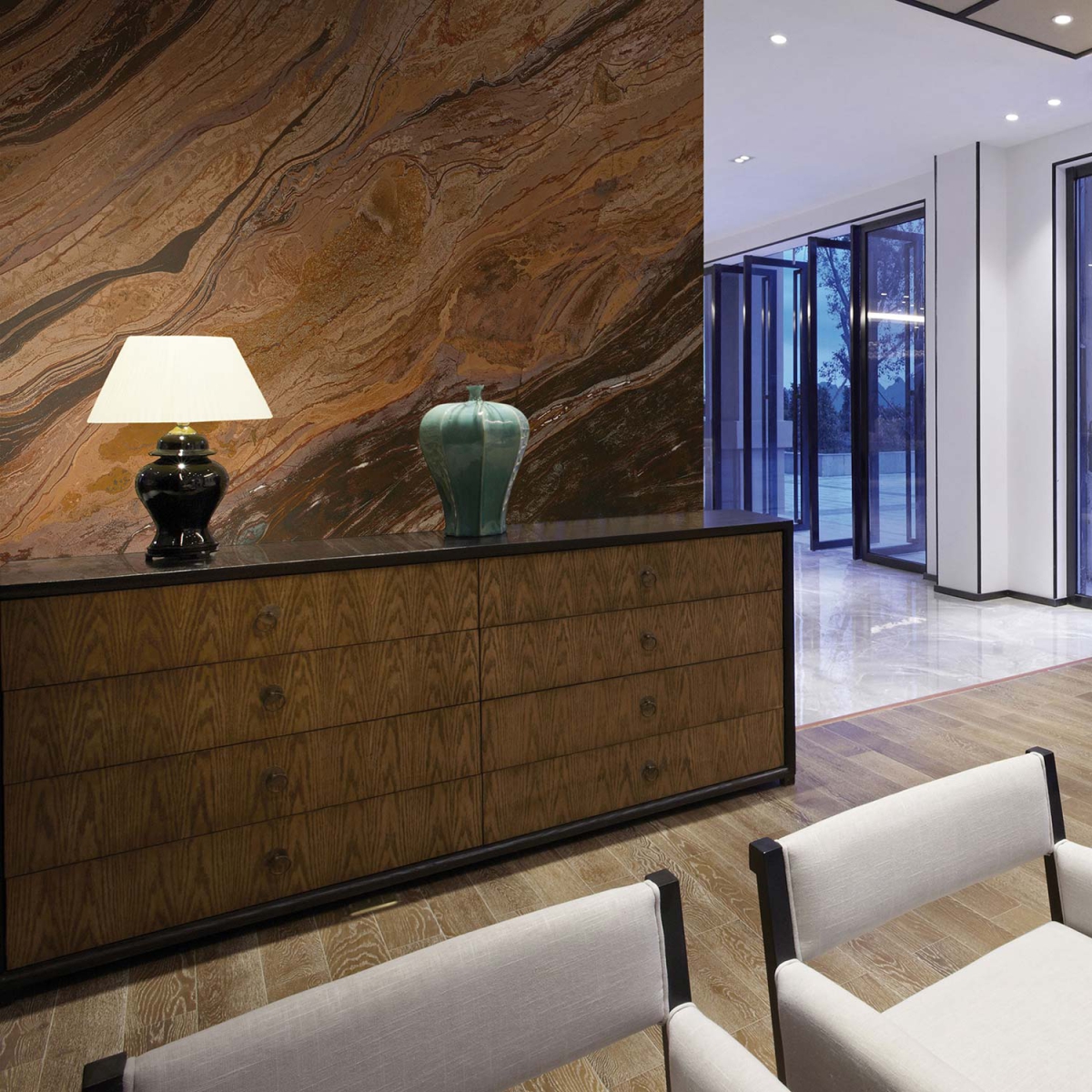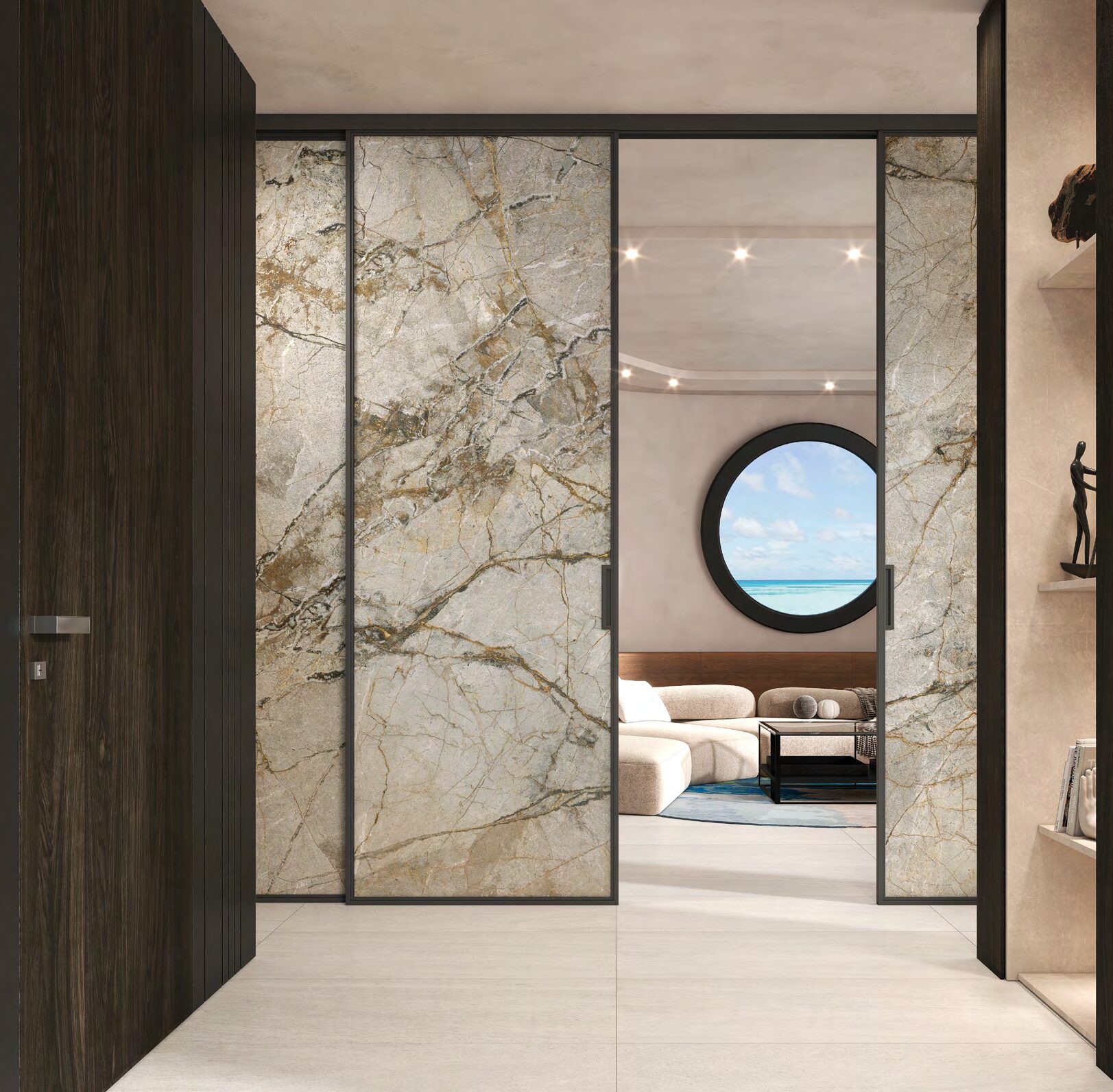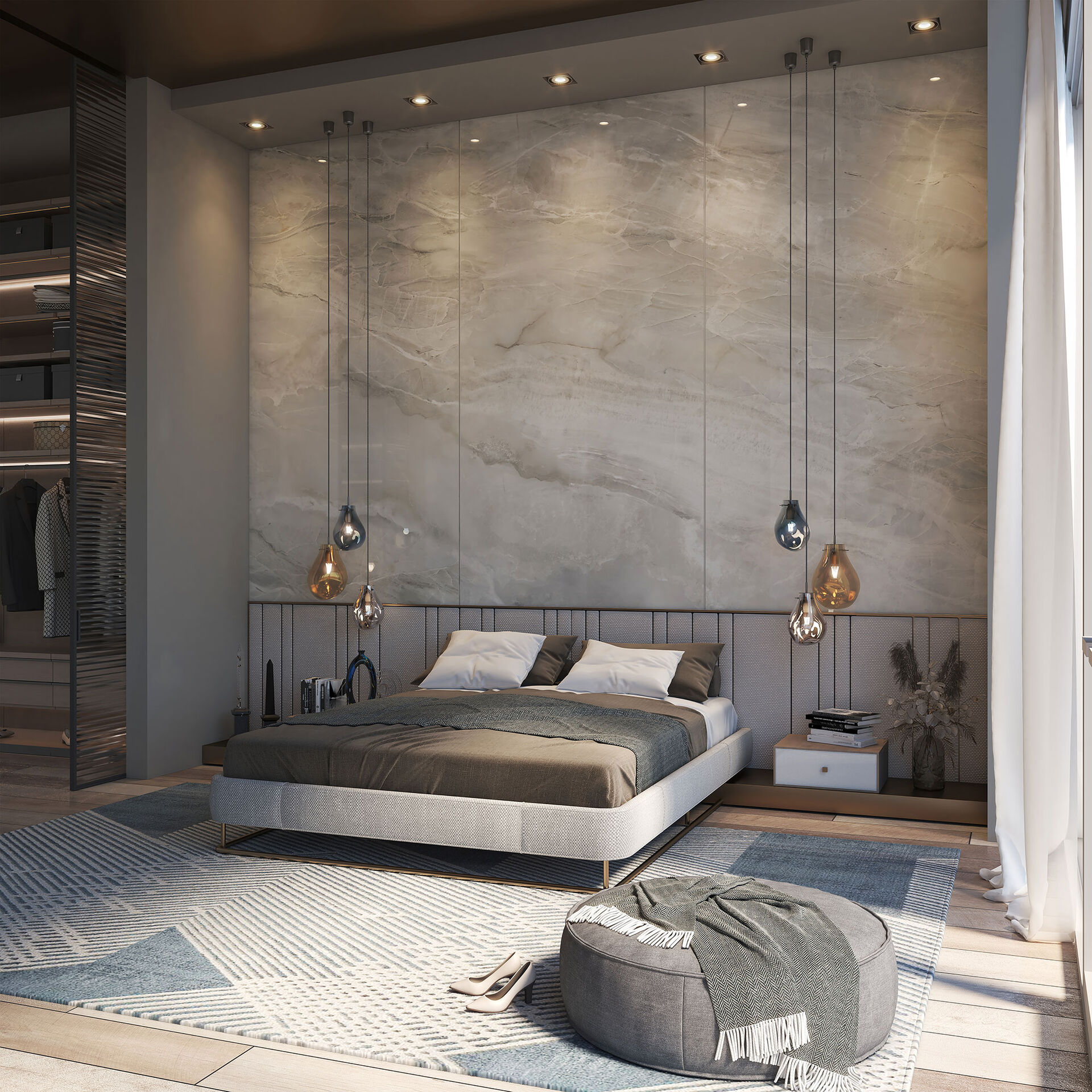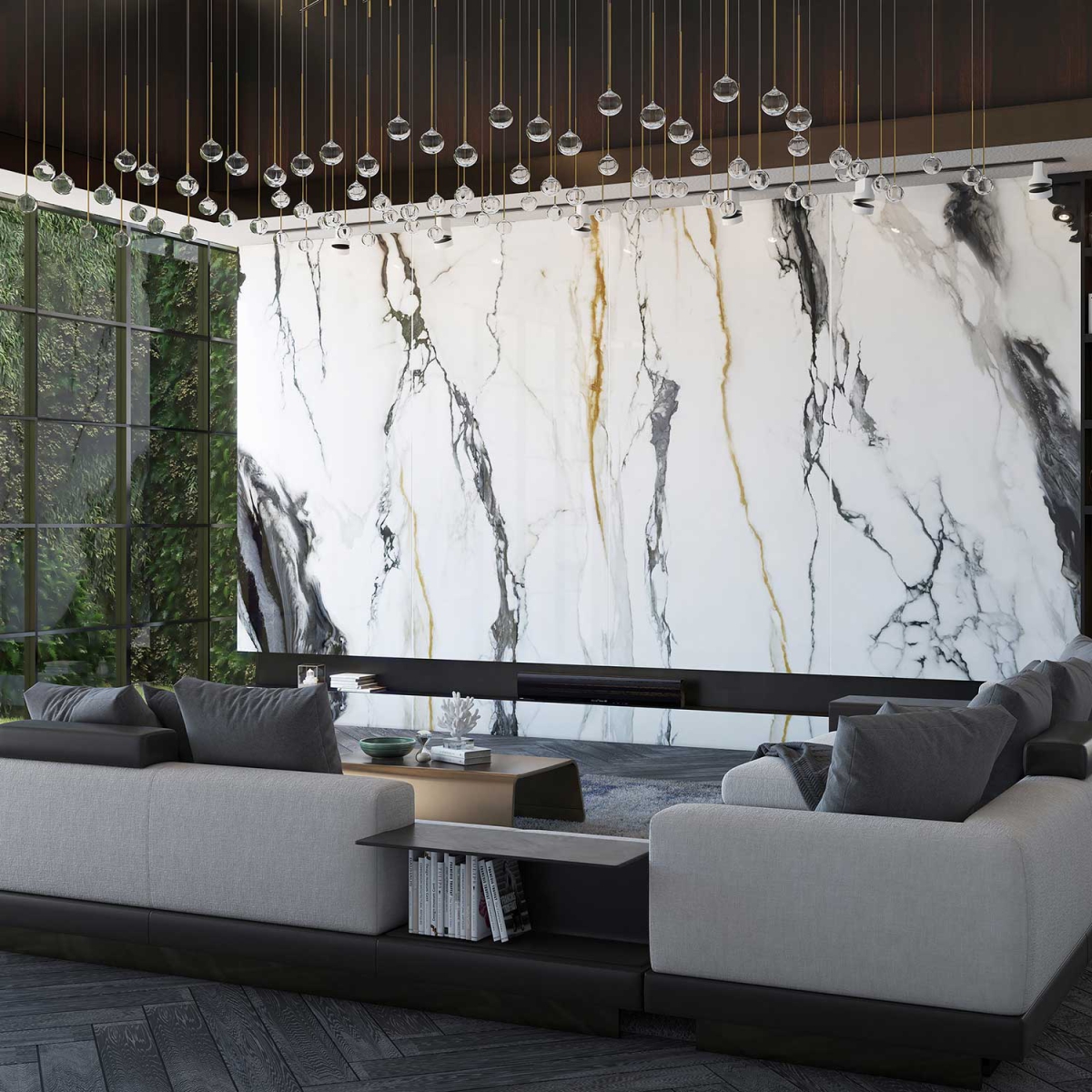
Marble Wall Panels: The Complete Buyer’s Guide for Luxury Interiors (2026)

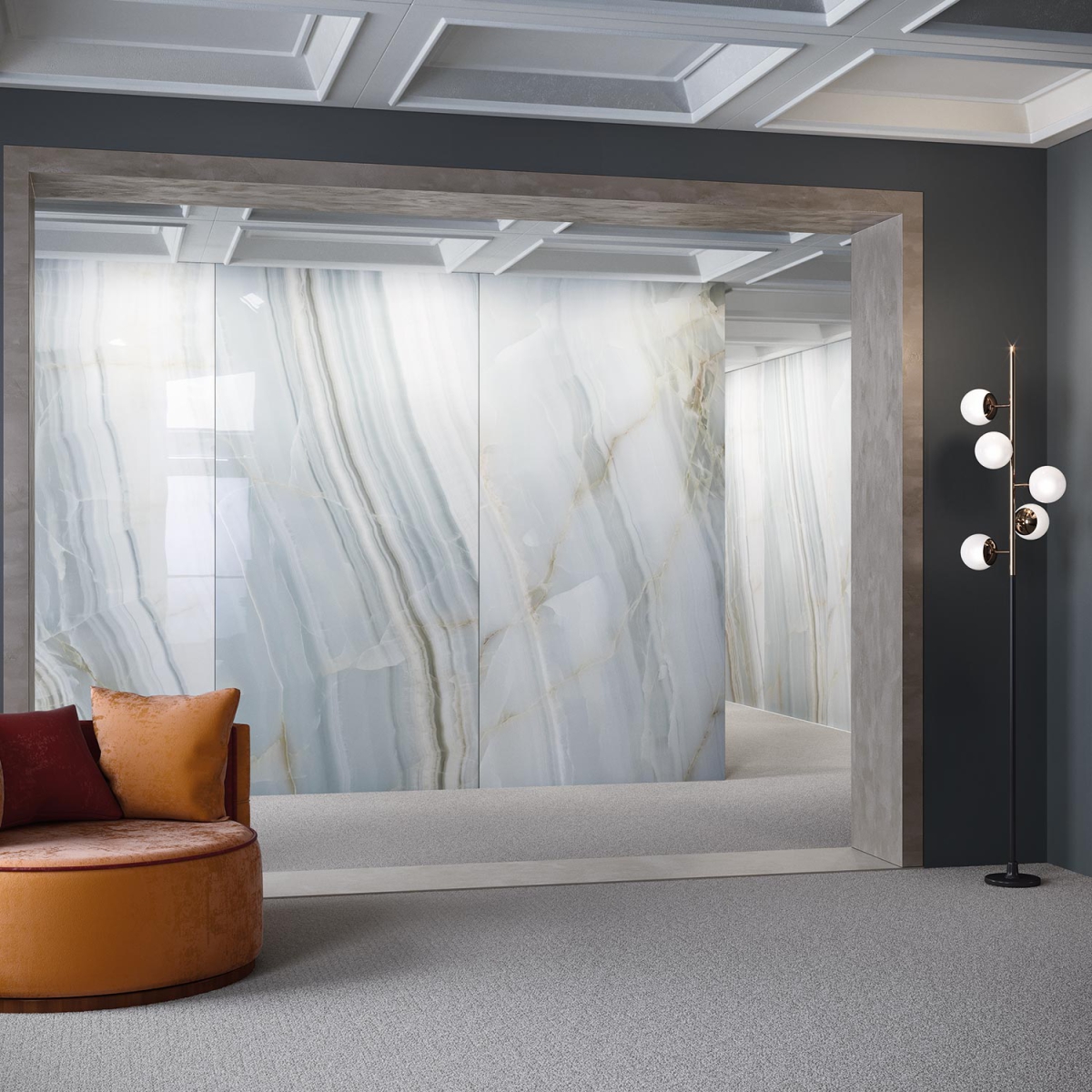
Marble wall panels have become one of the clearest markers of luxury interior design in 2026 because they combine the visual richness of natural stone with the scale, refinement, and flexibility that modern projects demand. For buyers who want walls to feel architectural rather than merely decorative, they offer a more elevated alternative to paint, tile, and many conventional surface treatments.

What are marble wall panels?

What is a marble wall panel?

A marble wall panel is a wall surfacing solution designed to bring the appearance, atmosphere, and prestige of marble onto vertical interior surfaces in a more controlled and project-friendly format than traditional block stone installation. Depending on the product, a marble wall panel may be made from natural stone, engineered decorative materials, laminated surfaces, glass-based systems, or high-definition printed supports that reproduce the look of marble, onyx, agate, and other mineral surfaces with remarkable visual clarity.

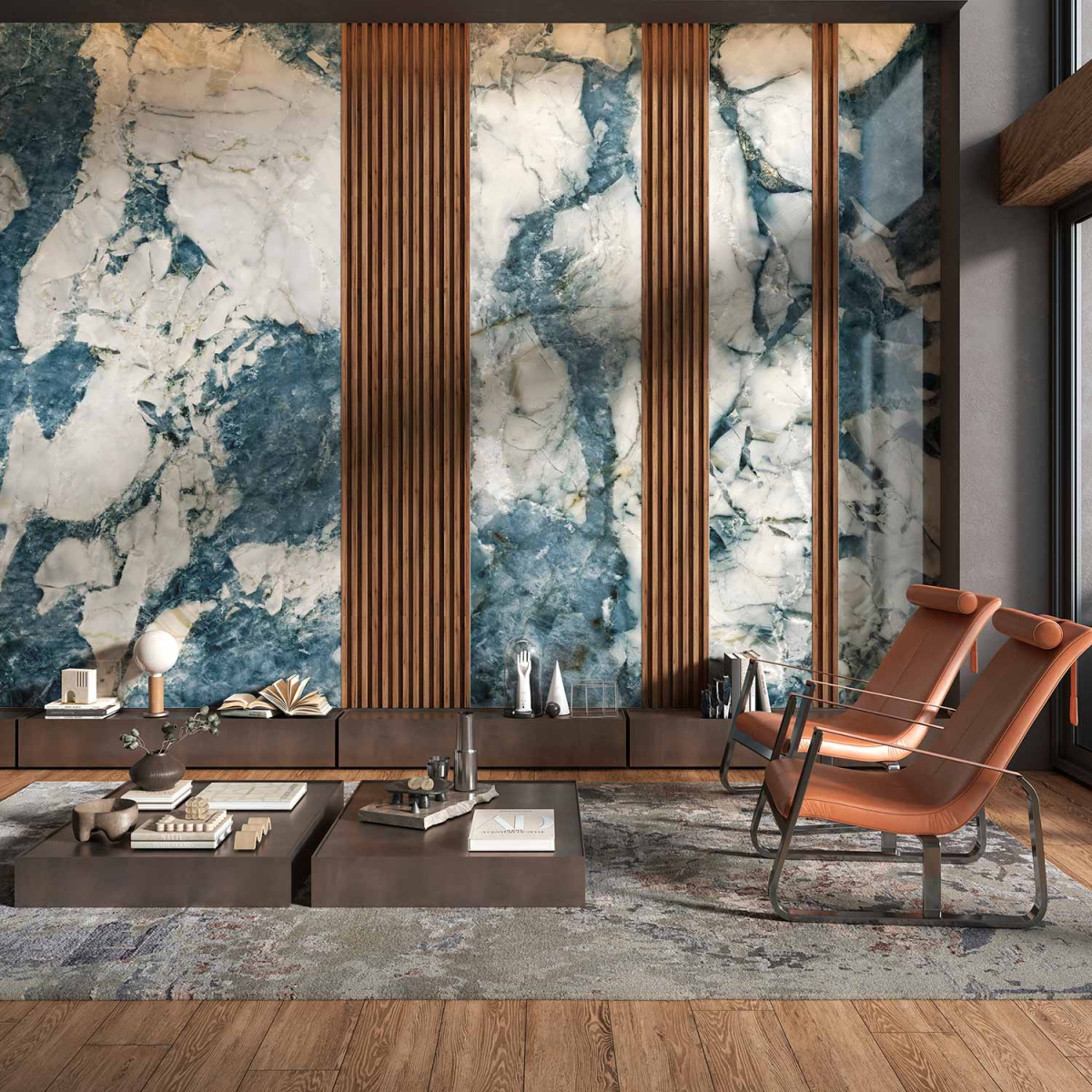
This category has expanded significantly because buyers are no longer searching only for “real marble on a wall.” They are looking for a broader range of outcomes: a marble feature wall in a living room, a dramatic hospitality backdrop, a backlit stone effect in a reception area, or a custom decorative surface that integrates with cabinetry, shelving, or architectural detailing. As a result, the phrase marble wall panels now covers several distinct product families, and understanding that distinction is essential before making a purchase.

At the highest end of the market, marble wall panels are not simply decorative skins. They are part of a larger design system. They shape how a room reflects light, how a surface reads from a distance, how seams are perceived, how the wall coordinates with surrounding finishes, and how easily the solution can be adapted to the project’s dimensions and technical needs. For that reason, serious buyers should think of them less as “wall coverings” and more as specification-level interior components.

Natural marble panels vs marble look wall panels

One of the first distinctions buyers need to make is the difference between natural marble wall applications and marble look wall panels. Although both can create a luxurious result, they are not the same in construction, performance, planning, or cost.

Natural marble wall applications use actual stone. This may take the form of cut slabs, thin stone sheets, or other stone-based elements installed directly as cladding. The primary appeal is authenticity. Every piece has natural veining, tonal variation, and mineral depth that comes directly from the quarry. For some buyers, especially those working on very high-budget residences or projects where raw material authenticity is central to the concept, natural stone remains highly desirable.

However, marble look wall panels answer a different need. They are designed to recreate the elegance and visual language of marble while offering advantages that can be highly relevant in modern interiors, including reduced thickness, lighter handling, larger graphic continuity, easier integration, and access to finishes that real marble alone cannot provide, such as backlighting or highly controlled surface effects. In many projects, the buyer is not choosing between “real and fake” in a simplistic sense. They are choosing between two different design and construction strategies.

This is where the term faux marble wall panels enters the buying journey. In online searches, many buyers use this phrase to explore affordable alternatives to real stone. But the phrase itself covers a very wide quality spectrum. At the lower end, it may refer to basic commodity panels meant primarily to imitate marble visually at minimal cost. At the premium end, it can refer to sophisticated decorative systems with high-definition graphics, luxury finishes, and architectural integration possibilities. That is why buyers should not stop at the label. They need to ask what the panel is made of, how it performs, how it is installed, what finish options are available, and whether it belongs to the commodity market or the design-driven luxury segment.

It is also important to distinguish between three major structural approaches within this category:

  • Slab-like decorative panels
    These are large-format decorative surfaces created to deliver a strong stone-inspired visual effect with minimal interruption. They often appeal to buyers who want the presence of marble without the visual fragmentation of tile.
  • Integrated decorative systems
    These go beyond surface appearance. They may incorporate lighting, glass, layered supports, or installation systems that change how the wall behaves visually and technically.
  • Made-to-measure architectural paneling
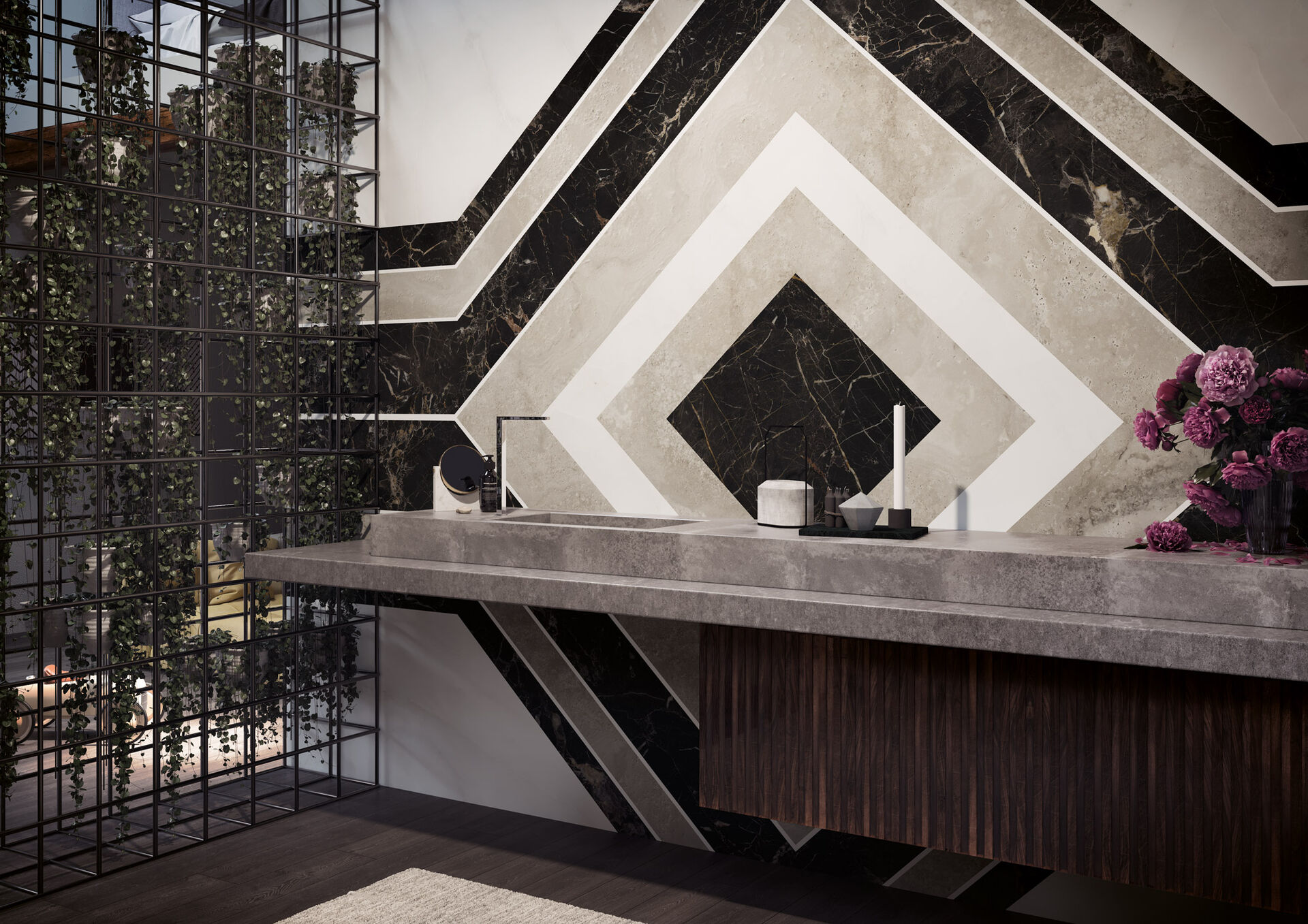
    These solutions are developed as part of an overall wall composition. The marble effect may be only one component within a broader design that includes shelving, doors, storage, metal details, or transitions into other materials.

For a luxury buyer, this distinction matters because the right answer depends on the project goal. A feature wall in a penthouse living room, a luminous hotel lounge installation, and a bespoke office wall system may all fall under the umbrella of marble wall panels, but they require very different choices.
Marble Wall Panels: The Complete Buyer’s Guide for Luxury Interiors (2026)

Why luxury buyers are moving beyond tile and paint

Luxury buyers are increasingly moving beyond tile and paint because both have limitations when the goal is to create a wall with architectural presence. Paint can be elegant, but it is often too visually flat for interiors that rely on material expression. Tile can be beautiful, but it introduces a rhythm of joints and repetition that is not always ideal for those seeking a calmer, larger-scale, more continuous look.

Marble wall panels offer a different proposition. They allow the wall to behave as a designed surface with depth, visual intention, and a stronger sense of permanence. Instead of reading as a background, the wall becomes one of the defining features of the room.

Several advantages explain this shift:

  • Fewer grout lines and less visual interruption
  • Larger-format impact that feels more architectural
  • Stronger feature wall potential in both residential and commercial projects
  • Better continuity between the wall and integrated interior elements
  • More opportunities for custom, statement-making compositions

This matters because modern luxury interiors often rely on material clarity. Designers and discerning homeowners are looking for surfaces that feel composed, not pieced together. A large marble-look panel can create a broader visual gesture than smaller tiles, while also giving the space a more deliberate, refined identity.

The move away from paint is also tied to the changing role of walls in premium interiors. A wall is no longer just a boundary. It may serve as:

  • a visual anchor in an open-plan layout
  • a backdrop for custom furniture
  • a sculptural moment in an entry sequence
  • a branded design element in commercial space
  • an illuminated focal point in a hospitality environment

In this context, marble wall panels answer a contemporary need. They provide the richness buyers want, but with greater design control than many traditional finishes.

Where MATERIA fits in this category

MATERIA occupies a premium position within this landscape because its approach goes beyond generic marble imitation or standard wall cladding. Its offering is aligned with what luxury buyers increasingly want in 2026: large-format decorative wall panels, refined Italian design language, high-definition mineral-inspired visuals, and systems that can be specified for upscale residential, commercial, office, and HoReCa environments.

Rather than treating marble wall panels as a single product type, MATERIA addresses the category through multiple premium directions. This is important because the buyer journey at the luxury end is rarely linear. Some clients want a marble-effect statement wall. Others are drawn to the drama of precious stones and onyx-inspired graphics. Others need a broader wall panel system that becomes part of a custom architectural composition.

MATERIA’s relevance in this segment comes from several strengths:

  • Large-format decorative wall panels that create visual continuity and strong feature-wall impact
  • Marble-inspired and precious-stone-inspired graphics that feel dramatic and design-led rather than generic
  • Thin, high-definition cladding systems that suit contemporary interiors
  • Glossy and backlit finish options for projects that require more than a standard matte wall treatment
  • System-based solutions that work in luxury homes, offices, hospitality settings, and commercial interiors
  • Bespoke integration possibilities for projects that require more than a decorative surface alone

This positions MATERIA not as a seller of simple decorative sheets, but as a source for sophisticated wall treatments and wall panel systems with architectural potential. For the buyer, that changes the conversation. Instead of asking only “Which marble wall panel looks best?” the more relevant question becomes “Which system best expresses the level of luxury, customization, and visual effect my project requires?”

Marble wall panels have become one of the clearest markers of luxury interior design in 2026 because they combine the visual richness of natural stone with the scale, refinement, and flexibility that modern projects demand. For buyers who want walls to feel architectural rather than merely decorative, they offer a more elevated alternative to paint, tile, and many conventional surface treatments.

What are marble wall panels?

What is a marble wall panel?

A marble wall panel is a wall surfacing solution designed to bring the appearance, atmosphere, and prestige of marble onto vertical interior surfaces in a more controlled and project-friendly format than traditional block stone installation. Depending on the product, a marble wall panel may be made from natural stone, engineered decorative materials, laminated surfaces, glass-based systems, or high-definition printed supports that reproduce the look of marble, onyx, agate, and other mineral surfaces with remarkable visual clarity.

This category has expanded significantly because buyers are no longer searching only for “real marble on a wall.” They are looking for a broader range of outcomes: a marble feature wall in a living room, a dramatic hospitality backdrop, a backlit stone effect in a reception area, or a custom decorative surface that integrates with cabinetry, shelving, or architectural detailing. As a result, the phrase marble wall panels now covers several distinct product families, and understanding that distinction is essential before making a purchase.

At the highest end of the market, marble wall panels are not simply decorative skins. They are part of a larger design system. They shape how a room reflects light, how a surface reads from a distance, how seams are perceived, how the wall coordinates with surrounding finishes, and how easily the solution can be adapted to the project’s dimensions and technical needs. For that reason, serious buyers should think of them less as “wall coverings” and more as specification-level interior components.

Natural marble panels vs marble look wall panels

One of the first distinctions buyers need to make is the difference between natural marble wall applications and marble look wall panels. Although both can create a luxurious result, they are not the same in construction, performance, planning, or cost.

Natural marble wall applications use actual stone. This may take the form of cut slabs, thin stone sheets, or other stone-based elements installed directly as cladding. The primary appeal is authenticity. Every piece has natural veining, tonal variation, and mineral depth that comes directly from the quarry. For some buyers, especially those working on very high-budget residences or projects where raw material authenticity is central to the concept, natural stone remains highly desirable.

However, marble look wall panels answer a different need. They are designed to recreate the elegance and visual language of marble while offering advantages that can be highly relevant in modern interiors, including reduced thickness, lighter handling, larger graphic continuity, easier integration, and access to finishes that real marble alone cannot provide, such as backlighting or highly controlled surface effects. In many projects, the buyer is not choosing between “real and fake” in a simplistic sense. They are choosing between two different design and construction strategies.

This is where the term faux marble wall panels enters the buying journey. In online searches, many buyers use this phrase to explore affordable alternatives to real stone. But the phrase itself covers a very wide quality spectrum. At the lower end, it may refer to basic commodity panels meant primarily to imitate marble visually at minimal cost. At the premium end, it can refer to sophisticated decorative systems with high-definition graphics, luxury finishes, and architectural integration possibilities. That is why buyers should not stop at the label. They need to ask what the panel is made of, how it performs, how it is installed, what finish options are available, and whether it belongs to the commodity market or the design-driven luxury segment.

It is also important to distinguish between three major structural approaches within this category:

  • Slab-like decorative panels
    These are large-format decorative surfaces created to deliver a strong stone-inspired visual effect with minimal interruption. They often appeal to buyers who want the presence of marble without the visual fragmentation of tile.
  • Integrated decorative systems
    These go beyond surface appearance. They may incorporate lighting, glass, layered supports, or installation systems that change how the wall behaves visually and technically.
  • Made-to-measure architectural paneling
    These solutions are developed as part of an overall wall composition. The marble effect may be only one component within a broader design that includes shelving, doors, storage, metal details, or transitions into other materials.

For a luxury buyer, this distinction matters because the right answer depends on the project goal. A feature wall in a penthouse living room, a luminous hotel lounge installation, and a bespoke office wall system may all fall under the umbrella of marble wall panels, but they require very different choices.

Why luxury buyers are moving beyond tile and paint

Luxury buyers are increasingly moving beyond tile and paint because both have limitations when the goal is to create a wall with architectural presence. Paint can be elegant, but it is often too visually flat for interiors that rely on material expression. Tile can be beautiful, but it introduces a rhythm of joints and repetition that is not always ideal for those seeking a calmer, larger-scale, more continuous look.

Marble wall panels offer a different proposition. They allow the wall to behave as a designed surface with depth, visual intention, and a stronger sense of permanence. Instead of reading as a background, the wall becomes one of the defining features of the room.

Several advantages explain this shift:

  • Fewer grout lines and less visual interruption
  • Larger-format impact that feels more architectural
  • Stronger feature wall potential in both residential and commercial projects
  • Better continuity between the wall and integrated interior elements
  • More opportunities for custom, statement-making compositions

This matters because modern luxury interiors often rely on material clarity. Designers and discerning homeowners are looking for surfaces that feel composed, not pieced together. A large marble-look panel can create a broader visual gesture than smaller tiles, while also giving the space a more deliberate, refined identity.

The move away from paint is also tied to the changing role of walls in premium interiors. A wall is no longer just a boundary. It may serve as:

  • a visual anchor in an open-plan layout
  • a backdrop for custom furniture
  • a sculptural moment in an entry sequence
  • a branded design element in commercial space
  • an illuminated focal point in a hospitality environment

In this context, marble wall panels answer a contemporary need. They provide the richness buyers want, but with greater design control than many traditional finishes.

Where MATERIA fits in this category

MATERIA occupies a premium position within this landscape because its approach goes beyond generic marble imitation or standard wall cladding. Its offering is aligned with what luxury buyers increasingly want in 2026: large-format decorative wall panels, refined Italian design language, high-definition mineral-inspired visuals, and systems that can be specified for upscale residential, commercial, office, and HoReCa environments.

Rather than treating marble wall panels as a single product type, MATERIA addresses the category through multiple premium directions. This is important because the buyer journey at the luxury end is rarely linear. Some clients want a marble-effect statement wall. Others are drawn to the drama of precious stones and onyx-inspired graphics. Others need a broader wall panel system that becomes part of a custom architectural composition.

MATERIA’s relevance in this segment comes from several strengths:

  • Large-format decorative wall panels that create visual continuity and strong feature-wall impact
  • Marble-inspired and precious-stone-inspired graphics that feel dramatic and design-led rather than generic
  • Thin, high-definition cladding systems that suit contemporary interiors
  • Glossy and backlit finish options for projects that require more than a standard matte wall treatment
  • System-based solutions that work in luxury homes, offices, hospitality settings, and commercial interiors
  • Bespoke integration possibilities for projects that require more than a decorative surface alone

This positions MATERIA not as a seller of simple decorative sheets, but as a source for sophisticated wall treatments and wall panel systems with architectural potential. For the buyer, that changes the conversation. Instead of asking only “Which marble wall panel looks best?” the more relevant question becomes “Which system best expresses the level of luxury, customization, and visual effect my project requires?”

The main benefits of marble wall panels
Benefit of Marble Wall Panels What It Means in Practice Why It Matters for Luxury Projects
Luxury visual impact without the complexity of full slab installation Marble wall panels deliver a refined stone-inspired look without the full weight, thickness, and installation demands of traditional slab marble cladding. Preserves a high-end visual result; Makes specification and installation more manageable; Works especially well in premium interiors where timeline and site constraints still matter.
Large-format surfaces for a cleaner, more contemporary look Large panels reduce visual fragmentation and create broader, more continuous wall compositions with fewer visible joins. Creates a calmer and more architectural result; Improves compatibility with modern furniture and lighting; Helps the wall feel like a true luxury feature rather than a decorative afterthought.
Lighter systems that simplify handling and planning Reduced thickness and lighter construction can simplify transport, on-site maneuvering, sequencing, and coordination with renovation work. Reduces friction during execution; Supports apartment renovations, office redesigns, hospitality refreshes, and upper-floor installations; Makes premium design more realistic in technically constrained spaces.
Easy-care surfaces for high-use interiors Depending on the finish and support type, many marble wall panel systems are easier to clean and maintain than some traditional luxury wall finishes. Supports everyday usability without sacrificing elegance; Performs well in living areas, entry zones, offices, hospitality settings, and retail environments; Balances luxury appearance with realistic ownership.
Suitable for residential and contract spaces Marble wall panels can be specified across luxury homes, penthouses, offices, hotels, restaurants, retail interiors, and other premium environments. Offers strong design versatility; Adapts to both calm residential settings and dramatic branded interiors; Supports the crossover between hospitality, residential, and commercial luxury design.
Opportunity for illumination, backlighting, and scenographic effects Premium marble-look panels can incorporate backlighting and luminous systems that turn the wall into a focal design feature. Enhances evening ambiance and visual drama; Creates hospitality-grade atmosphere; Allows the wall to function as both a material surface and a lighting element.
Why this matters for modern projects Marble wall panels support faster design execution, easier renovation coordination, and stronger visual consistency across upscale interiors. Helps teams move more efficiently from concept to specification; Gives walls a stronger role in shaping brand identity and atmosphere; Combines elegance, practicality, and design ambition in a format better suited to contemporary project demands.
Looking for marble wall panels with a luxury finish?
Explore MATERIA Collection’s Decorative Panels: Marble Effect for large-format surfaces that bring the elegance of marble into contemporary interiors. Ideal for residential, office, hospitality, and contract spaces, these panels combine refined graphics, thin-profile construction, and premium visual impact.
Explore Marble Effect Panels

Choosing the right finish for your interior style

The right marble wall panel is not chosen by name alone. It is chosen by how well its finish aligns with the room’s architecture, lighting, furnishings, and emotional tone. A buyer may love a particular marble pattern in isolation, yet still make the wrong decision if the finish does not suit the project. Finish affects how the wall interacts with natural light, artificial light, adjacent materials, and human perception.

That is why buyers should think of finish selection as a design decision, not a detail.

Glossy marble wall panels

Glossy marble wall panels are ideal for interiors that aim to feel polished, dramatic, and unmistakably luxurious. Their reflective surface intensifies light and can make the veining or mineral pattern appear sharper, brighter, and more pronounced. In the right setting, this produces a glamorous and highly finished result.

These panels tend to work best in spaces where visual impact matters immediately. They are especially effective for:

  • feature walls in formal living rooms
  • hospitality spaces
  • entry sequences
  • reception walls
  • entertaining environments
  • interiors with strong lighting design

Glossy finishes also pair well with certain luxury materials, especially:

  • polished metal accents
  • high-end stone flooring
  • lacquered cabinetry
  • glass elements
  • sculptural lighting fixtures

However, a glossy finish is most convincing when it is intentional. It belongs in interiors that can support a more expressive visual language. In a highly restrained, soft, and muted scheme, it may feel too assertive. In a confident luxury setting, it can be spectacular.

Matte marble look wall panels

Matte marble look wall panels offer a more restrained form of luxury. They are ideal for buyers who want richness without reflection and elegance without theatricality. In recent years, matte surfaces have become increasingly relevant because they align so well with the rise of quieter, more architectural interiors.

A matte finish softens the reading of the wall. Instead of producing shine, it allows the pattern and tonal movement to emerge in a calmer, more understated way. This can make the wall feel more integrated into the overall room composition.

Matte finishes are particularly well suited to:

  • warm contemporary interiors
  • minimalist luxury residences
  • bedrooms
  • private offices
  • living rooms with layered neutral palettes
  • spaces with softer, indirect light

They pair especially well with:

  • oak and walnut tones
  • brushed brass or bronze
  • textured fabrics
  • warm plaster surfaces
  • subdued architectural palettes

For many buyers, matte marble look wall panels are the safest and most sophisticated option because they age visually very well and adapt to a wide range of luxury design schemes.

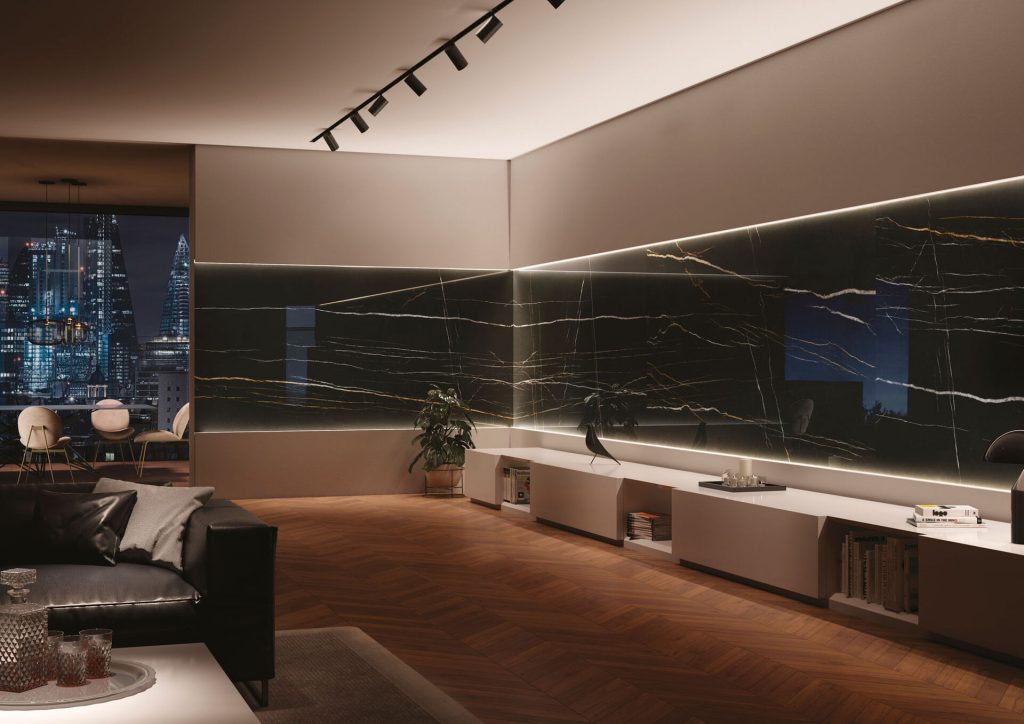
Backlit marble panels

Backlit marble panels are for buyers who want the wall to act as an experience. They are not merely choosing a material appearance. They are choosing mood, glow, focus, and drama. This finish direction works exceptionally well in interiors that depend on evening atmosphere or brand impression.

The power of backlighting lies in its ability to transform the surface. When illuminated properly, veining becomes more expressive, the wall gains depth, and the room acquires a more immersive character. This can elevate the entire perception of the interior.

Backlit marble panels are especially successful in:

  • reception spaces
  • bars and lounges
  • powder rooms
  • boutique retail
  • luxury hospitality
  • selected residential focal areas

They are most effective when the wall is treated as a design event, not as background decoration. Buyers considering this option should think carefully about placement, lighting mood, and how the surface will be experienced during different times of day.

Macro-enlarged stone and precious-stone graphics

Macro-enlarged stone and precious-stone graphics represent one of the most artistic directions within decorative wall panels. Instead of repeating a small marble-like pattern across the wall, these panels use enlarged imagery that captures mineral structures at a much more expressive scale. The result is often more dramatic, more individual, and more visually memorable than conventional stone imitation.

This is where decorative wall panels begin to move closer to art. The wall does not merely reference marble; it presents a graphic interpretation of nature with depth, vividness, and strong visual rhythm.

The advantages of this approach include:

  • less repetitive patterning
  • more premium visual identity
  • greater sense of scale
  • stronger feature wall potential
  • a more curated and artistic atmosphere

For buyers who want something beyond standard luxury, this can be an excellent option. It is particularly appropriate when the design goal is to create a signature wall rather than a neutral background.

When to choose marble effect vs precious stones vs mixed-material panels

This decision depends on what kind of luxury the project is trying to express.

Choose marble effect panels when the goal is timeless familiarity. Marble remains one of the most universally appreciated luxury references in interior design. It works when the buyer wants elegance, recognizability, and broad stylistic compatibility.

Choose precious stones panels when the goal is drama, rarity, and a more artistic identity. These surfaces feel more expressive and can create a stronger emotional response, especially in feature-driven interiors.

Choose mixed-material or modular wall panel systems when the project is architecture-led rather than surface-led. These are best when the wall needs to relate to cabinetry, shelving, doors, metal details, or a full bespoke composition.

A simple way to think about it is this:

  • Marble effect is best for timeless luxury
  • Precious stones are best for expressive luxury
  • Modular systems are best for architectural luxury

The right answer depends not only on taste, but on the role the wall must play within the larger design.

Where marble wall panels create the most value

The best marble wall panel installations are not random. They are placed where the wall has the greatest influence on how the room is perceived. In some spaces, that means a feature wall behind a sofa. In others, it means a reception backdrop, a headboard wall, or a backlit focal point that anchors the entire interior.

Value is created when the wall panel enhances both aesthetics and experience. Buyers should therefore consider not just where a panel can be used, but where it will have the strongest return in visual impact.

Living rooms

Living rooms are one of the most effective places to use marble wall panels because they often contain the home’s main visual focal points. In an open-plan or entertaining-oriented interior, a well-designed wall panel can define the room without requiring excessive decoration.

The most common high-value applications include:

  • TV walls
  • fireplace walls
  • primary feature walls
  • backdrop walls in open-plan living spaces

A marble wall panel can help organize the room visually. It creates an anchor behind furniture, strengthens the sense of intentional design, and gives the space a more finished luxury identity. In contemporary interiors, this is especially valuable because living rooms often rely on fewer but stronger material gestures.

A large-format marble-look panel behind a fireplace or media unit can do more for the room than several smaller decorative choices combined. It introduces scale, texture, and depth while maintaining a refined, architectural look.

Dining rooms

Dining rooms benefit greatly from marble wall panels because they are spaces of presentation and atmosphere. Even when used infrequently, they are often designed to feel special. A statement wall can give the dining room that sense of occasion without overwhelming the space.

Common uses include:

  • statement backdrop walls behind the table
  • feature surfaces visible from adjacent living spaces
  • formal entertaining zones
  • walls paired with sculptural lighting and custom furniture

Marble wall panels work particularly well in dining rooms because they pair naturally with materials often used in luxury dining interiors, such as:

  • warm woods
  • bronze accents
  • tailored upholstery
  • soft ambient lighting
  • darker, richer color palettes

The result can feel elegant and grounded rather than overly decorative. In a well-designed dining room, the marble wall panel often functions like a permanent backdrop to hospitality.

Bedrooms

In bedrooms, marble wall panels are most successful when they are used with restraint and intention. This is not usually the room for excessive visual noise. Instead, the panel should create calm luxury, visual softness, or boutique-hotel sophistication.

The most effective applications include:

  • headboard walls
  • focal walls behind the bed
  • softly illuminated feature surfaces
  • coordinated wall-and-millwork compositions

In primary suites, marble look wall panels can introduce material richness without sacrificing serenity. Matte finishes, refined veining, and carefully scaled graphics often work especially well here. Backlit options can also be highly effective when used subtly, creating a soft atmospheric glow rather than a dramatic public-space effect.

For buyers who want the bedroom to feel elevated but still restful, the key is proportion, finish choice, and visual calm.

Bathrooms and powder rooms

Bathrooms and powder rooms are among the most impactful spaces for marble wall panels because they already have a long design association with stone and luxury. Buyers are often drawn to these spaces as an opportunity to create a spa-like, immersive effect.

Marble wall panels can be especially compelling here because they may offer a cleaner and more continuous result than more fragmented wall solutions. In powder rooms, they can create an immediate sense of drama. In larger bathrooms, they can contribute to a more serene, upscale atmosphere.

They are particularly useful for:

  • feature vanity walls
  • focal shower-adjacent surfaces, where suitable
  • powder room statement walls
  • spa-inspired bathroom compositions

Important considerations in these spaces include:

  • moisture exposure
  • finish suitability
  • lighting conditions
  • maintenance expectations
  • how the panel coordinates with floor and vanity materials

This is one of the areas where the buyer should think carefully about support type and finish, not just pattern. The right panel can be transformative. The wrong one can feel overly reflective, too busy, or mismatched to the functional requirements of the room.

Hallways and entryways

Hallways and entryways are often overlooked, but they are highly strategic spaces for marble wall panels. These areas shape the first impression of the interior and set the tone for everything that follows. Because they are transition spaces, they benefit from materials that create clarity and direction.

A marble wall panel in an entryway can instantly communicate luxury. It can turn an otherwise narrow or plain wall into an architectural moment and give the home or commercial space a sense of arrival.

High-value uses include:

  • vertical feature surfaces
  • entrance focal walls
  • corridor end walls
  • surfaces framing consoles, mirrors, or lighting

In hallways, the right panel can also make the space feel more intentional and less accidental. This is particularly helpful in modern floor plans where circulation areas risk feeling secondary unless they are designed with equal care.

Offices and home offices

Marble wall panels are increasingly relevant in offices and home offices because professional spaces now borrow heavily from residential luxury and hospitality design. The goal is no longer only function. It is presence, polish, and atmosphere.

In a private office or executive workspace, a marble wall panel can create:

  • a strong visual backdrop
  • reception-style sophistication
  • a quieter sense of authority
  • a premium client-facing environment
  • a refined background for video calls and meetings

They work especially well behind:

  • desks
  • shelving compositions
  • seating areas
  • meeting backdrops

In home offices, matte marble look wall panels can provide understated elegance. In commercial offices, more expressive finishes may be appropriate for reception zones or executive suites. Either way, the wall becomes part of the brand language of the space.

Retail, hospitality, and HoReCa

Retail, hospitality, and HoReCa environments are some of the strongest use cases for premium marble wall panels because they depend heavily on atmosphere and first impression. In these settings, walls are often expected to do real commercial work. They communicate quality, reinforce brand identity, shape the guest experience, and help a space feel memorable.

Marble wall panels are especially effective in:

  • reception desks and reception backdrops
  • feature walls in lounges
  • branded retail focal points
  • bar environments
  • boutique hospitality interiors
  • premium dining settings

What makes them valuable here is their ability to balance spectacle with sophistication. They can create impact without requiring visual clutter. When backlit or used in precious stone-inspired formats, they can become signature moments within the interior.

For these sectors, the strongest advantages often include:

  • luxury first impression
  • durability and project suitability
  • brand-enhancing atmosphere
  • compatibility with custom design concepts
  • adaptability across both decorative and architectural applications
Want a wall surface that feels even more dramatic than marble?
Discover Decorative Panels: Precious Stones by MATERIA Collection. With macro-enlarged stone visuals, vivid depth, and glossy or backlit finishes, these panels are designed for luxury interiors that demand atmosphere, originality, and a strong architectural statement.
Discover Precious Stones Panels

What to know before ordering marble panels for walls

A beautiful marble wall panel can fail to deliver if the technical planning behind it is poor. This is why serious buyers should treat installation considerations as part of the design decision, not as an afterthought left entirely to the contractor. In premium interiors, the success of the wall depends not only on the product selected, but on how well the wall is measured, detailed, aligned, supported, and integrated into the broader project.

MATERIA’s wall panel approach makes this especially relevant because large-format panels, reduced thickness, made-to-measure flexibility, and backlit or custom support options all demand thoughtful specification. The good news is that when these elements are addressed early, the result is usually cleaner, more convincing, and more luxurious.

Surface preparation and wall condition

No marble wall panel system performs well on a poorly prepared wall. Flatness matters because decorative panels, especially large-format panels, reveal substrate irregularities much more clearly than many simpler finishes. A wall that is uneven, cracked, unstable, or poorly repaired can compromise both installation quality and the final visual effect.

In practical terms, buyers should understand that a wall panel is only as good as the surface behind it. If the existing wall has waves, moisture-related issues, weak bonding areas, prior damage, or awkward transitions, those issues should be evaluated before the final product is ordered.

Common concerns include:

  • lack of flatness
  • prior patchwork repairs
  • substrate instability
  • moisture issues
  • uneven corners or ceiling transitions
  • poorly aligned adjacent millwork or trim

This becomes especially important in renovation projects, where walls are often less predictable than in new construction. In a new build, the wall can usually be prepared with panel installation in mind from an earlier stage. In a renovation, the design team and installer may need to work around existing conditions that affect panel planning.

Buyers should therefore expect wall condition to be part of the conversation, especially when the chosen solution is large-format, highly reflective, or alignment-sensitive.

Measuring correctly

Accurate measurement is one of the most underestimated parts of a successful marble wall panel project. Buyers often think of measurement as simply recording wall width and height. In reality, premium wall treatments require a more complete understanding of the entire surface condition and everything that interrupts it.

At minimum, proper measuring should account for:

  • wall height
  • wall width
  • ceiling irregularities
  • floor level differences
  • corners and returns
  • alignment with adjacent furniture or millwork

In addition, layout planning must consider all interruptions on the wall, including:

  • switches
  • sockets
  • lighting points
  • windows
  • doors
  • vents
  • architectural niches
  • shelving intersections
  • trim and molding transitions

These details influence more than fit. They also affect pattern continuity, focal-point placement, and whether the most beautiful part of the graphic ends up hidden behind practical interruptions. For this reason, measuring and layout planning should happen together, not separately.

In high-end projects, the goal is not just correct fit. It is correct visual composition.

Seams, panel joins, and visual continuity

One of the main reasons buyers choose marble wall panels is the desire for visual continuity. But continuity does not happen automatically just because a panel is large. It has to be designed and planned carefully.

Panel joins matter because they affect how the eye reads the surface. Poor seam planning can break the illusion of scale and make even an expensive panel system feel less refined. Good seam planning, by contrast, allows the wall to feel intentional and calm.

Buyers should pay particular attention to:

  • where panel joins will fall
  • whether the graphic aligns naturally across sections
  • whether the design benefits from book-matching or mirrored composition
  • how the focal area is centered in the room
  • whether furniture or millwork will help conceal or frame joins

Large-format panels matter here because they reduce fragmentation, but even large-format systems need layout discipline. The best projects plan the wall around the viewing experience. The main pattern movement, central veining, or luminous effect should support the room’s composition, not fight against it.

In luxury interiors, seam logic is not a technical afterthought. It is part of the aesthetic success of the wall.

Weight, thickness, and installation method

Weight and thickness are not abstract technical details. They directly affect installer choice, substrate requirements, fixing methods, transport logistics, and overall project coordination. Buyers choosing a premium wall panel system should understand that not all marble wall panels behave the same way physically, even if they look similar in photographs.

Thicker or heavier systems may require:

  • more careful substrate preparation
  • specific mounting methods
  • greater coordination with installers
  • different site access planning
  • more support from adjacent detailing

Ultra-thin solutions, by contrast, can be especially beneficial in:

  • renovations
  • tight interior conditions
  • projects where minimal build-up matters
  • spaces where elegant thin cladding is a priority
  • situations where reduced structural burden simplifies planning

This is one of the reasons reduced-thickness, high-end decorative panel systems are attractive in modern interiors. They allow the wall to achieve a refined, substantial appearance without relying on the mass of traditional stone.

Still, buyers should resist assuming that “thin” means “simple.” Premium ultra-thin systems often require just as much thought in alignment and detailing, even if they reduce certain logistical burdens.

Lighting planning for backlit panels

Backlit marble panels require especially careful planning because the success of the wall depends as much on the lighting logic as on the panel graphic itself. Buyers attracted to luminous stone effects should understand that this is not a standard decorative installation with a light added later. The lighting strategy must be part of the design intent from the beginning.

Important planning areas include:

  • electrical routing
  • access to power
  • placement of drivers and controllers
  • integration with surrounding millwork or wall structure
  • desired brightness level
  • color temperature
  • how the panel will be viewed during day and night

Placement also matters greatly. A backlit panel has a stronger effect when it is positioned where its glow contributes meaningfully to the room atmosphere. In some spaces, that may be behind a reception desk. In others, it may be a powder room focal wall, a bar feature, or a master suite statement surface.

The key principle is simple: backlit panels are most successful when the lighting concept is intentional, not improvised.

Professional installation vs lower-complexity panel systems

Not every wall panel requires the same level of installation expertise. Some simpler systems may be suitable for relatively straightforward decorative applications. But luxury marble wall panels, especially large-format, glossy, backlit, glass-based, or custom systems, should be treated as specification-level elements that benefit from professional installation.

Expert installation becomes especially important when the project involves:

  • reflective finishes
  • tight seam tolerance
  • custom dimensions
  • complex wall interruptions
  • integrated lighting
  • premium focal walls
  • coordination with furniture, cabinetry, or other built elements

Luxury buyers should think of wall panels as part of overall interior detailing. The wall does not exist in isolation. It sits next to flooring, meets ceilings, aligns with lighting, frames furniture, and interacts with other materials. A professional installer or project team is more likely to preserve these relationships and achieve the level of finish that justifies the investment.

Saving on installation at the expense of quality is one of the fastest ways to reduce the perceived value of a premium wall panel system.

Custom fabrication and lead times

Bespoke wall panel projects almost always reward earlier decision-making. Buyers who need custom sizes, specific support systems, integrated lighting, or coordination with wider architectural elements should not treat the wall selection as a late-stage decorative choice. The more tailored the system, the more important lead time becomes.

Custom fabrication may affect:

  • panel sizing
  • pattern layout
  • support selection
  • lighting integration
  • edge detailing
  • coordination with millwork
  • installation scheduling
  • shipping and handling timelines

This matters because premium projects often involve multiple dependent decisions. The wall treatment may influence electrical planning, furniture layout, joinery dimensions, or even the sequencing of other trades. The earlier these relationships are resolved, the smoother the project tends to be.

Consultation and specification therefore play an important role. Buyers who engage early are more likely to achieve a wall that feels fully integrated rather than visually impressive but technically disconnected.

What distinguishes MATERIA in the marble wall panel market

The marble wall panel market is broad, and that is precisely why distinction matters. Buyers searching online will encounter everything from low-cost faux marble sheets to technically sophisticated decorative wall systems positioned for luxury residences, hospitality, and commercial design. In that landscape, MATERIA stands out because it is not competing as a generic imitation-marble supplier. It operates in the higher end of the category, where design credibility, finish quality, support options, and architectural flexibility matter.

For a luxury buyer, this changes the decision entirely. The comparison is no longer between “some marble-looking panels.” It becomes a comparison between commodity decoration and a more design-led, system-based approach to wall treatments.

Italian design credibility

Italian design still carries real meaning in the luxury interiors market because it suggests not only beauty, but proportion, material sophistication, and a deeper understanding of how surfaces function within architecture. MATERIA benefits from this context. Its positioning aligns with the broader tradition of Italian interior design, where walls are not treated as flat backgrounds, but as expressive, integrated components of the environment.

For buyers, Italian design credibility matters because it suggests:

  • stronger aesthetic discipline
  • better finish refinement
  • more thoughtful material development
  • a luxury language that feels internationally relevant rather than trend-driven

This does not mean every project must look overtly Italian in style. It means the products are shaped by a design culture that understands elegance, proportion, and material presence at a higher level.

High-end decorative panel options beyond basic faux marble

One of MATERIA’s clearest advantages is that it goes beyond basic faux marble logic. Many lower-end products in this search category focus on imitation alone. They try to resemble marble visually, but do not offer enough design depth, format sophistication, or support quality to satisfy luxury buyers.

MATERIA offers a richer category structure. Instead of one flat interpretation of marble, it includes premium decorative possibilities such as:

  • decorative marble-effect panels
  • precious stone-inspired panels
  • broader decorative wall panels
  • wall systems that can move beyond simple surface application

That matters because high-end buyers are not only asking “Does this look like marble?” They are asking:

  • Does this feel luxurious enough for the project?
  • Does it have enough visual authority?
  • Does it belong in a custom interior?
  • Can it deliver something more elevated than a basic imitation finish?

MATERIA’s catalog answers those questions more convincingly than brands focused purely on mass-market faux marble products.

Large-format visual impact

Scale is one of the defining differences between ordinary decorative surfaces and premium wall treatments. MATERIA’s large-format orientation is important because it supports the kind of visual continuity luxury buyers increasingly want. A large-format panel can make the wall feel more composed, more architectural, and more intentional.

This benefits the project in several ways:

  • fewer interruptions
  • stronger focal-wall presence
  • less fragmented pattern reading
  • cleaner compatibility with contemporary interiors
  • better potential for visual calm even when the surface is expressive

Large-format visual impact is especially important in luxury living rooms, hospitality interiors, executive offices, entry spaces, and high-design residential projects where a wall needs to hold the room together rather than simply add decoration.

Thin-profile solutions for elegant wall cladding

Reduced thickness is another meaningful differentiator. Thin-profile decorative wall systems allow the project to achieve a refined wall-cladding effect without relying on the mass of traditional stone. This can be particularly advantageous in modern renovation contexts, urban interiors, and spaces where elegant detailing matters.

The benefits of thin-profile solutions often include:

  • cleaner wall build-up
  • easier integration into refined interiors
  • more flexible installation planning
  • strong visual result without excessive material bulk
  • better suitability for projects where precision matters

For buyers, this means the wall can still look substantial and luxurious while remaining technically appropriate for contemporary interior design and construction realities.

Premium support systems, including glass and backlit options

A major strength of MATERIA is that it does not stop at graphic appearance. It also offers differentiated support systems that allow buyers to choose how the wall should behave visually and technically. This is where the brand moves beyond standard decorative paneling into a more advanced luxury category.

The availability of options such as:

  • glossy supports
  • matte supports
  • 3D surfaces
  • laminated glass
  • glass backlit systems
  • LED-integrated decorative solutions

gives buyers access to very different design outcomes under one broader wall treatment philosophy.

This is especially valuable for projects where the wall needs to do more than mimic stone. It may need to glow, reflect, create layered texture, or function as a more technical design element. In that sense, the support system becomes part of the luxury offer, not a hidden technical detail.

Made-to-measure architectural flexibility

Many buyers at the upper end of the market do not want a one-size-fits-all wall product. They want something that can respond to the architecture of the room, the furniture plan, the lighting design, or a broader interior concept. MATERIA’s made-to-measure flexibility is therefore one of its most important strengths.

This flexibility can support projects that require:

  • custom dimensions
  • alignment with shelving or millwork
  • integration with doors or fitted elements
  • composition across larger wall systems
  • adaptation to distinctive interior layouts

For luxury buyers, this means the panel can become part of the architecture rather than remaining a self-contained decorative insert. That is a major distinction, especially in custom residential and contract environments.

Suitability for residential, hospitality, office, and retail projects

Another important differentiator is range of application. MATERIA’s wall panel solutions are not limited to one narrow type of buyer or room category. They are suitable for residential, hospitality, office, and retail environments, which makes the brand relevant to a broader luxury audience.

This versatility is valuable because design language increasingly moves across sectors. A private residence may borrow the mood of a boutique hotel. An office may require residential warmth with executive polish. A retail environment may want gallery-like material drama. A wall treatment brand that can serve all of these contexts has a stronger design vocabulary and a more adaptable offering.

Planning a custom luxury interior project?
MATERIA Collection offers high-end wall treatments and decorative panel systems for buyers who want more than a surface finish. From marble-inspired panels to backlit statement walls and made-to-measure solutions, explore options created for refined residential and commercial interiors.
Explore Wall Treatments

Frequently Asked Questions - Marble Wall Panels

Marble wall panels are wall cladding solutions designed to bring the look, depth, and elegance of marble to interior walls. They may be made from real stone, marble-look decorative surfaces, glass-supported panels, or advanced wall panel systems created for luxury residential and commercial interiors.

Yes, in many projects they are an excellent alternative. Marble look wall panels can offer a similar luxury effect with easier handling, reduced thickness, broader finish options, and in some cases lower installation complexity than full natural marble cladding.

Faux marble wall panels usually refer to lower-cost products designed to imitate marble visually. Luxury decorative marble panels typically offer better graphic quality, larger formats, more refined finishes, stronger support systems, and more suitable performance for upscale interiors.

Yes, many marble wall panels are suitable for bathrooms, especially when they are selected with the room conditions in mind. The key is choosing the right support, finish, and installation method for moisture-prone environments.

Some marble wall panel systems are highly suitable for interiors exposed to moisture, but not every product should be assumed to be fully waterproof in every application. Buyers should always confirm the technical suitability of the chosen panel for bathrooms, powder rooms, or other wet areas.

The price can vary widely depending on the category. Entry-level faux marble panels are the most affordable, while luxury designer panels, large-format decorative systems, and backlit custom solutions sit at the premium end of the market.

I would like to receive an access to the technical drawings and catalogs. I agree to receive company products updates.